





 English
  Francês
  Alemão
  Italiano
  Japonês
  Norueguês
  Portuguese
  Spanish
  3 min of reading
  0 comments


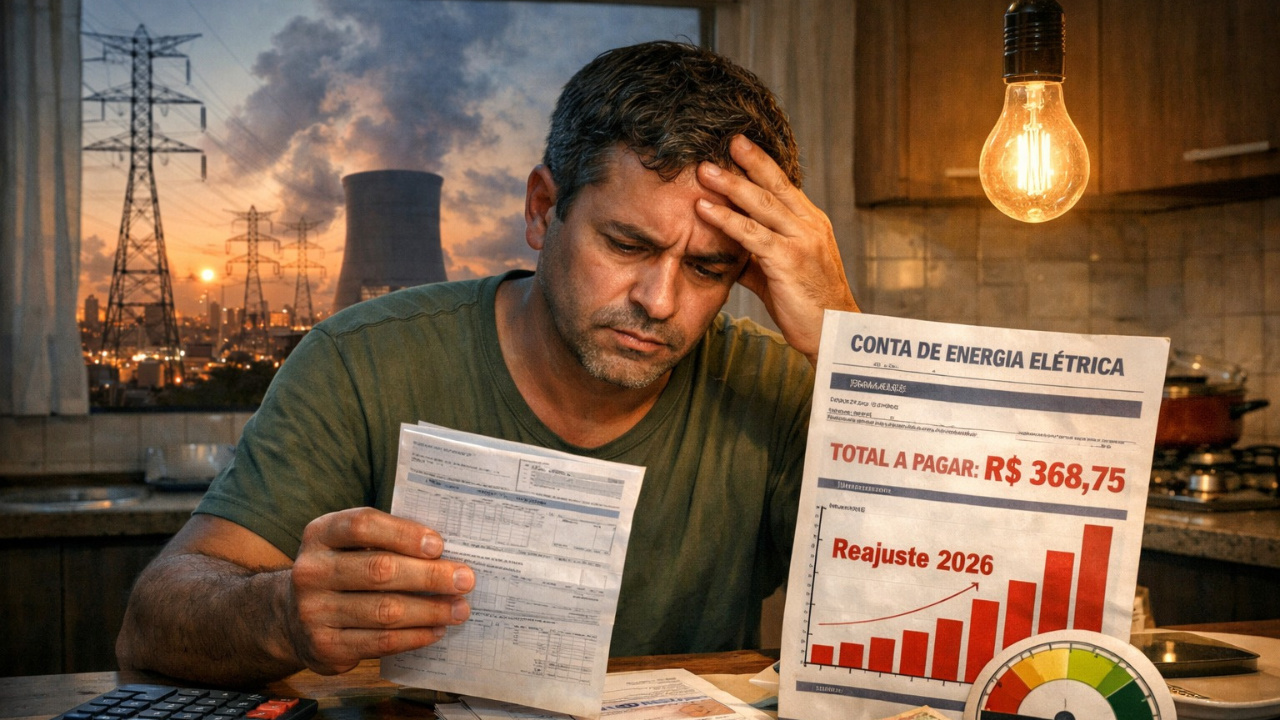
The Light Bill Is Expected To Rise Almost Twice The Inflation In 2026. Study Points To An Average Adjustment Of 7.64%, With Increases Above 10% In Some Distributors And Warns Of Risks In The Electric System.
The light bill for Brazilians is expected to become one of the main sources of tension in the household budget in 2026. A study by Thymos Energia indicates that electricity tariffs should rise, on average, 7.64% next year.
This number stands out because it is almost twice the projected inflation, estimated at 3.99%, according to the Focus Bulletin.
In practice, this means that electricity will likely weigh more on the consumer’s wallet than most other everyday items. Even with inflation under control, the light bill follows its own path, driven by structural factors in the electricity sector.
-
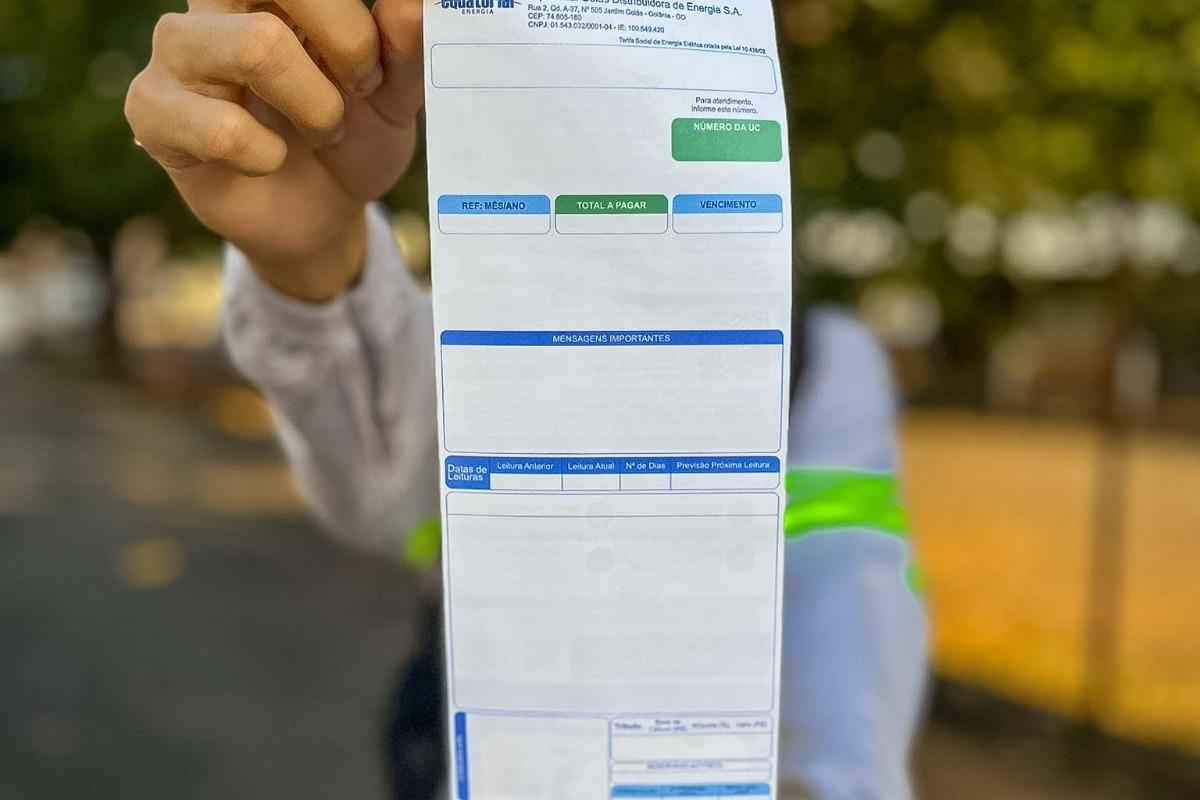
Equatorial adopts new national number for consumer units on electricity bills starting in April, following ANEEL standards and modernizing energy bills in several states.
-
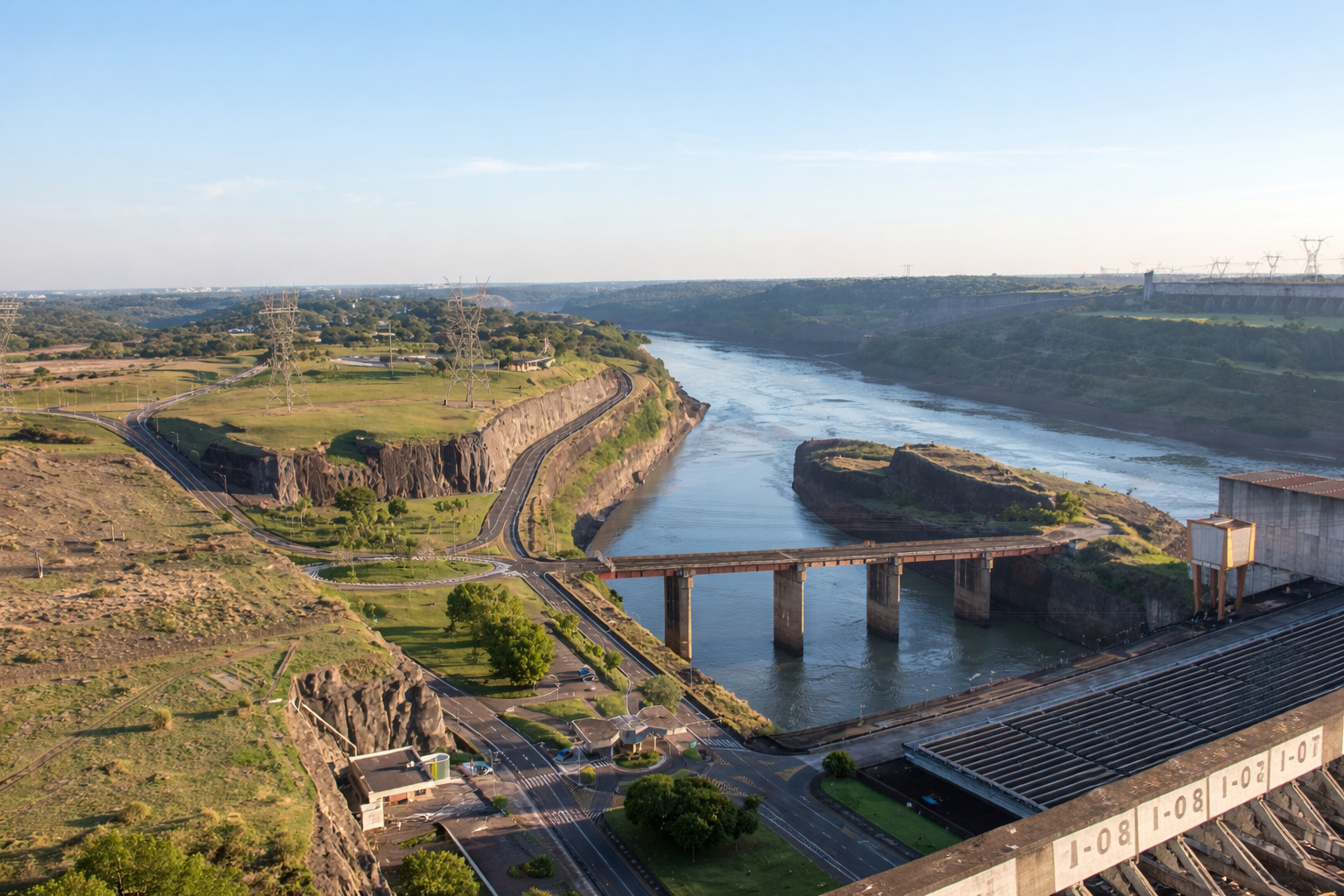
Itaipu Impresses the World: Hydroelectric Plant with 20 Turbines and 14,000 MW Generates Over 2.9 Billion MWh and Leads Global Clean Energy Production
-
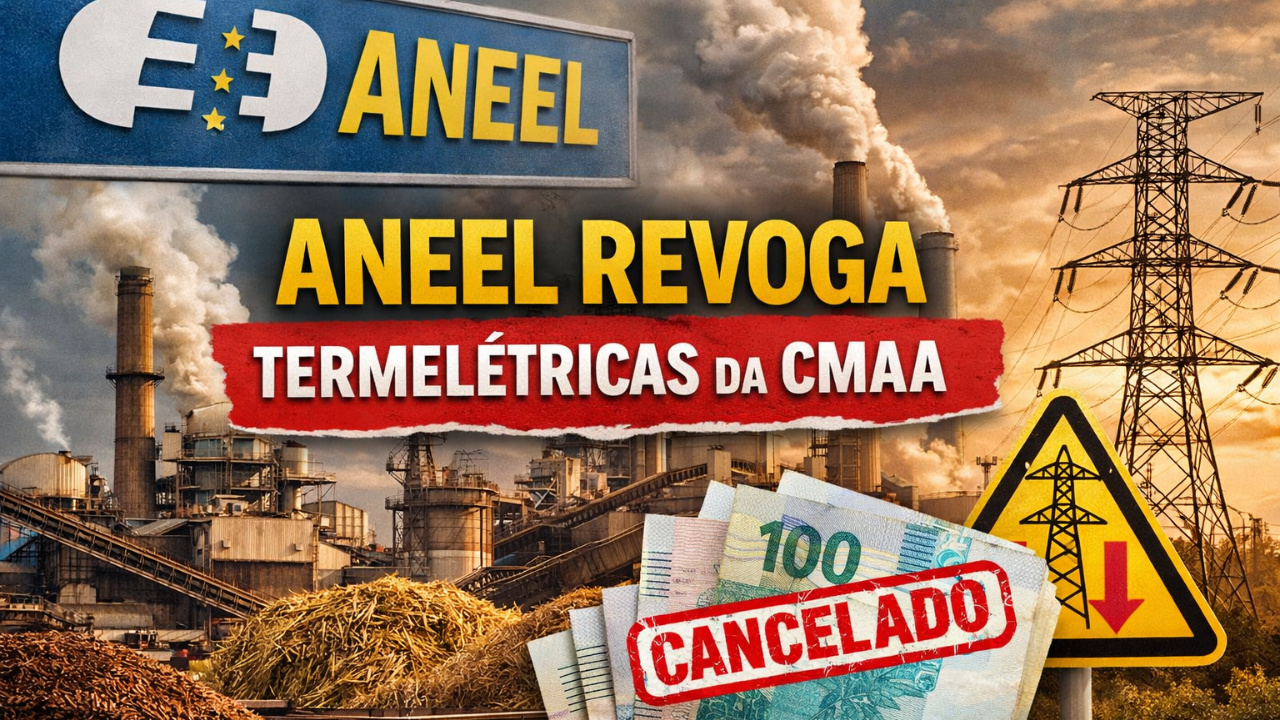
Aneel Revokes CMAA Thermal Power Plants After Network Restrictions and Excess Energy in the System
-
13-Year-Old Scientist Creates Clean Energy Device For Just R$ 16, Wins $25,000 Prize And Surprises The World With Affordable Solution


Adjustments May Exceed 10% In Some Regions
Although the national average is already considered high, the scenario becomes even more concerning when looking at regional data. The survey indicates that some distributors are expected to apply adjustments exceeding 10%, which represents more than three times the inflation expected for the year.
Among the largest increases predicted are:
- Neoenergia Pernambuco: 13.12%
- CPFL Paulista: 12.50%
- Enel Ceará: 10.66%

These percentages indicate that millions of consumers may face a significant jump in their electricity bills, especially in states where the average income is already pressured by other basic costs.
According to Thymos Energia, the highest adjustments are mainly linked to the increase in generation costs and the high volume of losses, which include theft and illegal energy connections. These losses end up being passed on to those who pay their bills on time.
Not Everyone Will Have An Increase, But Exceptions Are Rare
Despite the predominantly negative scenario, some distributors are expected to record decreases in tariffs in 2026. However, these cases are in the minority and do not compensate for the general price increases.
The anticipated reductions include:
- Neoenergia Brasília: -3.73%
- Amazonas Energia: -1.72%
- Equatorial Piauí: -0.83%

Even in these regions, the reduction does not mean lasting relief. Experts warn that the electricity sector is experiencing a period of strong instability, which may lead to new adjustments in the following years.
Renewable Energy Cuts Enter The Heart Of The Problem
In addition to the direct adjustments to the light bill, Thymos Energia draws attention to a problem that has been silently growing: curtailment, or the cuts in solar and wind energy generation.
In 2025, the numbers reached a record. On an annual average, 24.3% of solar generation and 18.7% of wind generation were curtailed. For 2026, the projection is for a slight worsening of this scenario.
These cuts occur when the system cannot absorb all the energy produced. The result is waste, financial loss for generators, and additional pressure on the sector’s balance. As a result, costs tend to rise and, once again, reflect on the consumer’s electricity bill.








Seja o primeiro a reagir!