





 Português
  Inglês
  Espanhol
  2 min de leitura
  0 comentários


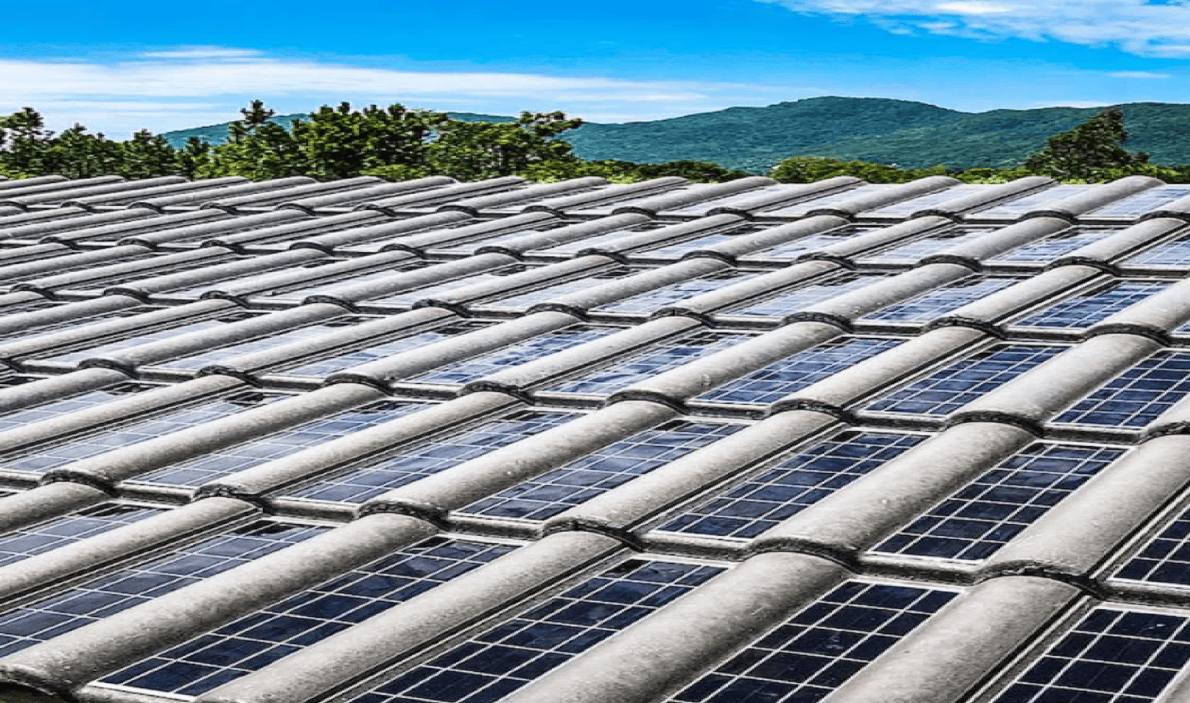
Solar Tiles from Brazilian Brand Eternit Get Licensing to Be Marketed and Promise to Revolutionize the Solar Energy Market
Finally! According to the De Olho Na Engenharia website, Eternit, a renowned manufacturer of building materials, has received approval from Inmetro for the commercialization of concrete solar tiles capable of generating solar energy! This innovative technology, developed in Brazil, is able to produce approximately 1.15 kWh per month, a promising alternative to traditional solar panels. The photovoltaic cells, integrated directly into the tiles, capture sunlight, offering a practical and aesthetic solution for energy generation in homes and buildings.
Production Already Underway at the Factory in Atibaia, SP
The solar tiles are produced at the Tégua Solar factory, a brand of the Eternit group located in Atibaia, in the interior of São Paulo. Although production is already underway, so far, only selected customers have access to the product. Eternit hopes to start large-scale distribution to the general public by mid-2021, expanding access to this technology that promises to reduce electricity costs and promote sustainability.


Each solar tile has dimensions of 36.5 cm by 47.5 cm and a power of 9.16 Watts. It is estimated that the system has an investment payback period of three to five years, depending on energy consumption and the number of solar tiles installed. For small homes, about 150 tiles are recommended, while larger houses may require up to 600 units. The rest of the roof can be complemented with conventional tiles, depending on the energy generation needs.
-
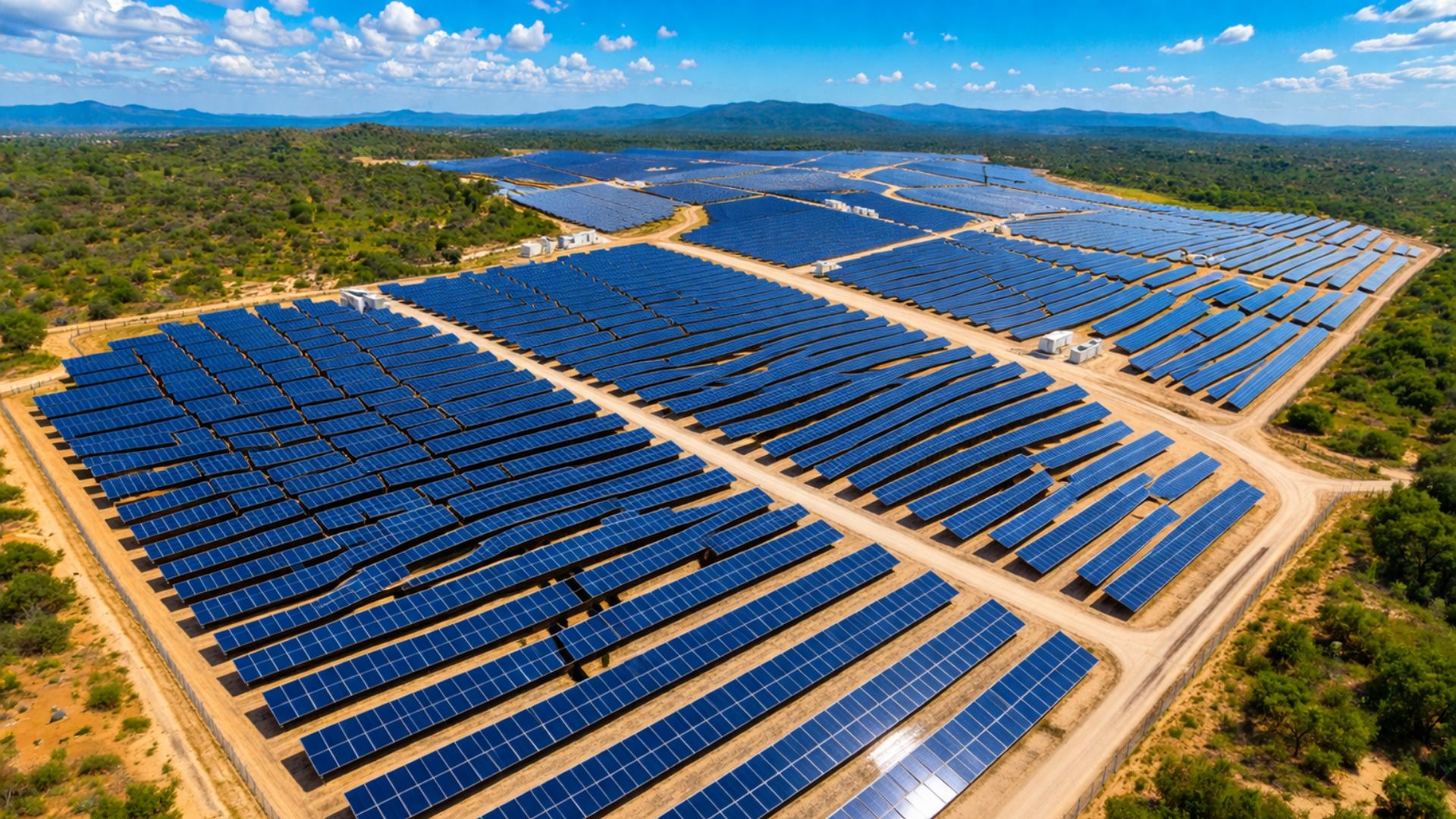
The Sol do Agreste Photovoltaic Complex begins operations in Pernambuco and accelerates the expansion of solar energy in Brazil, directly impacting the reduction of emissions and strengthening the sustainable energy matrix.
-
The Sol do Agreste Photovoltaic Complex begins operations in Pernambuco and accelerates the expansion of solar energy in Brazil, directly impacting the reduction of emissions and strengthening the sustainable energy matrix.
-
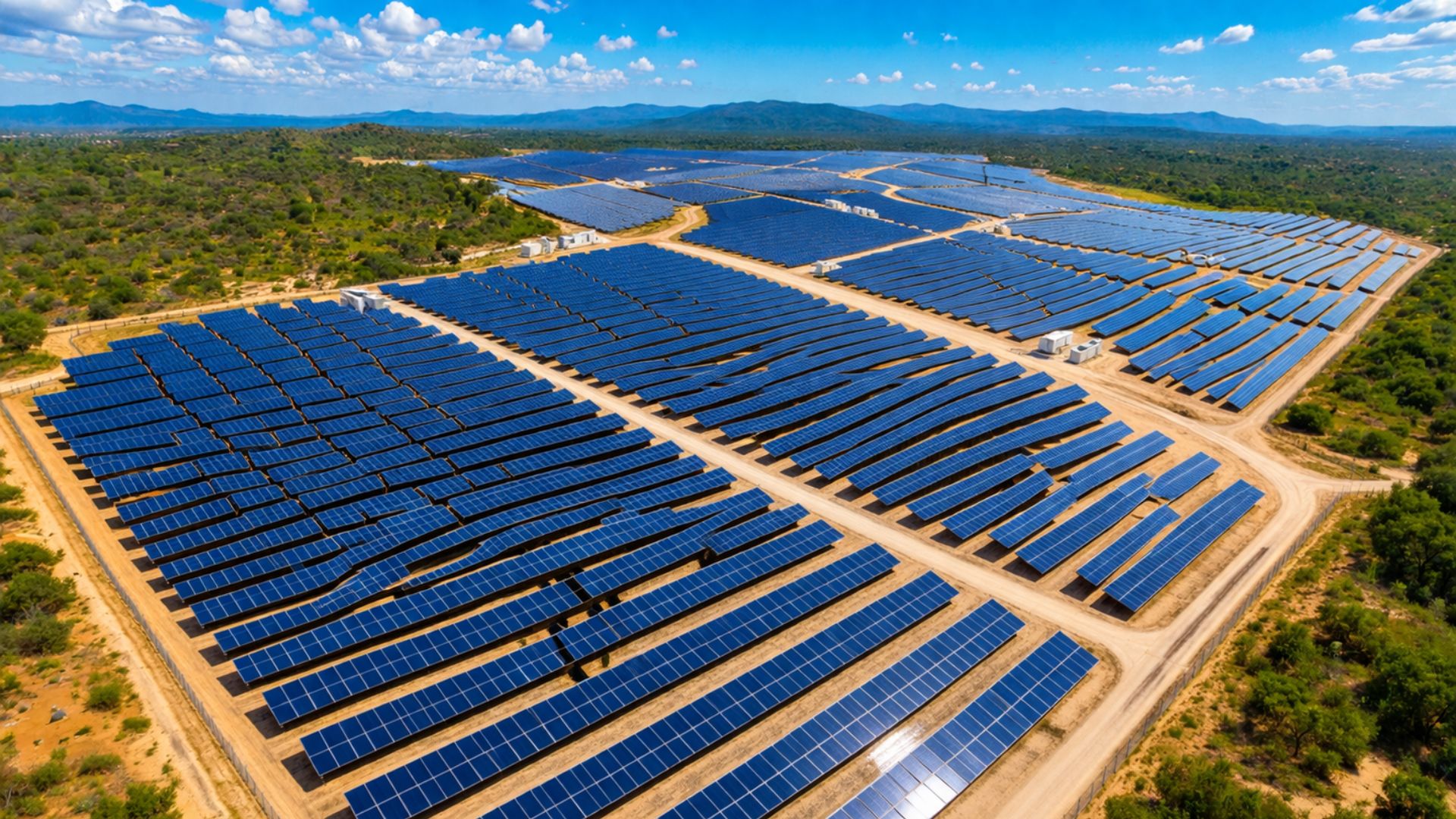
Renewable energy advances over protected areas in Brazil, and a survey by the Energy Transition Observatory reveals silent impacts that challenge environmental conservation and pressure sensitive traditional territories.

-
Rio Grande do Sul accelerates energy transition: State invests in renewable technologies and consolidates decarbonization strategies and pathways to attract billions in new industrial investments.


Benefits and Debates in the National Industry
The local manufacturing of solar energy equipment, such as Eternit’s solar tiles, has generated significant discussions in the Brazilian industry. While some see national production as a chance to strengthen industrialization and the internal economy, others advocate for opening the market to imported products, based on efficiency and quality as selection criteria. This debate was reignited with the recent decision by the Federal Government to eliminate the import tariff for over 100 types of photovoltaic equipment, including solar modules and accessories.
The measure, published in the Federal Official Gazette, aims to boost the solar energy sector in the country, especially at a time of depreciation of the real, which raises the cost of imported components. The Foreign Trade Chamber (Camex), linked to the Ministry of Economy, included various items in the list of “ex-tariff items,” such as monocrystalline and bifacial photovoltaic modules, inverters, and trackers, as well as irrigation pumps.









Seja o primeiro a reagir!