





 Portuguese
  English
  Spanish
  3 min of reading
  0 comments


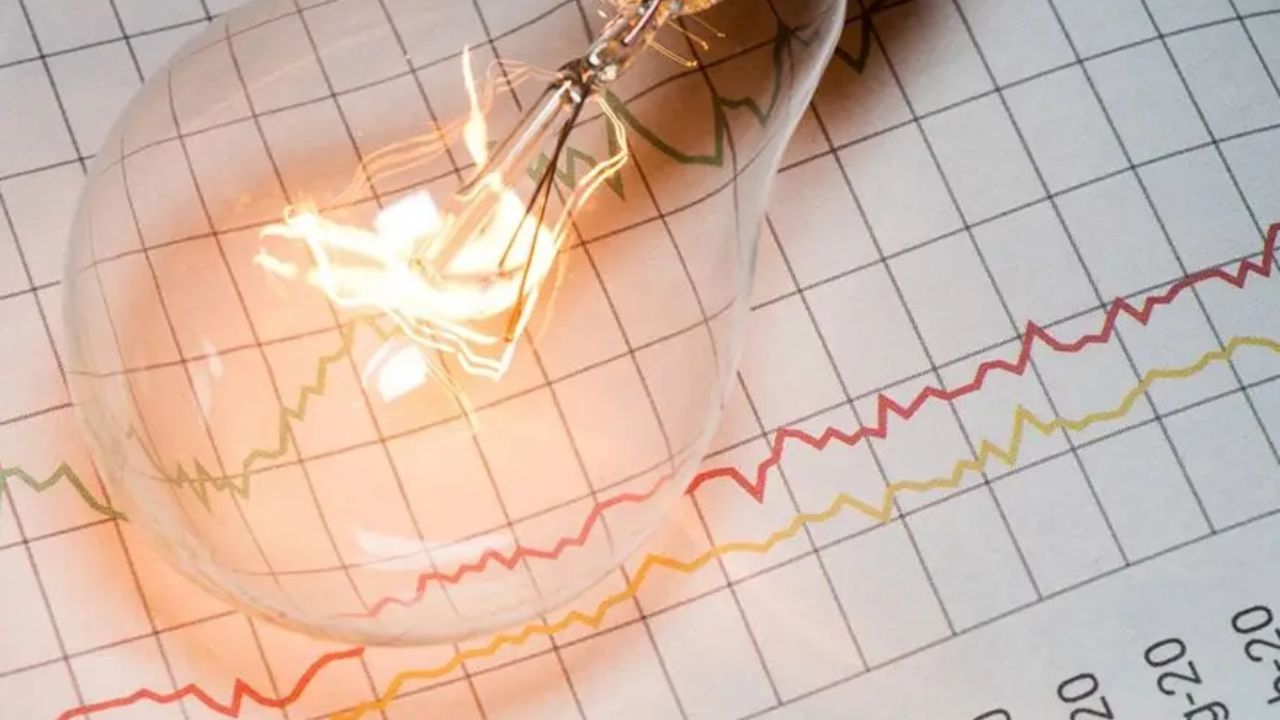
Projections Indicate Increase in Energy for 2025. Understand ANEEL’s Calculations and Learn How to Lower Your Electricity Bill.
Your electricity bill may weigh more on your budget in 2025. Factors such as ANEEL’s decisions, generation costs, and charges influence the amount. Know what to expect, how the adjustments work, and how to save energy.
The Electricity Bill in 2025: Scenario and Concerns
Many Brazilians fear a higher electricity bill in 2025. Electricity has a significant weight in the budget, and anxiety about increases is natural. Various factors indicate a scenario of concern, with possible increases in cost. Understanding these elements is the first step to prepare and mitigate impacts.
The final price of energy is complex. It involves decisions by the National Electric Energy Agency (ANEEL), generation, transmission and distribution costs, sectoral charges, climatic conditions (especially rainfall), and new laws. This article explains how this affects your electricity bill and offers savings tips.
-
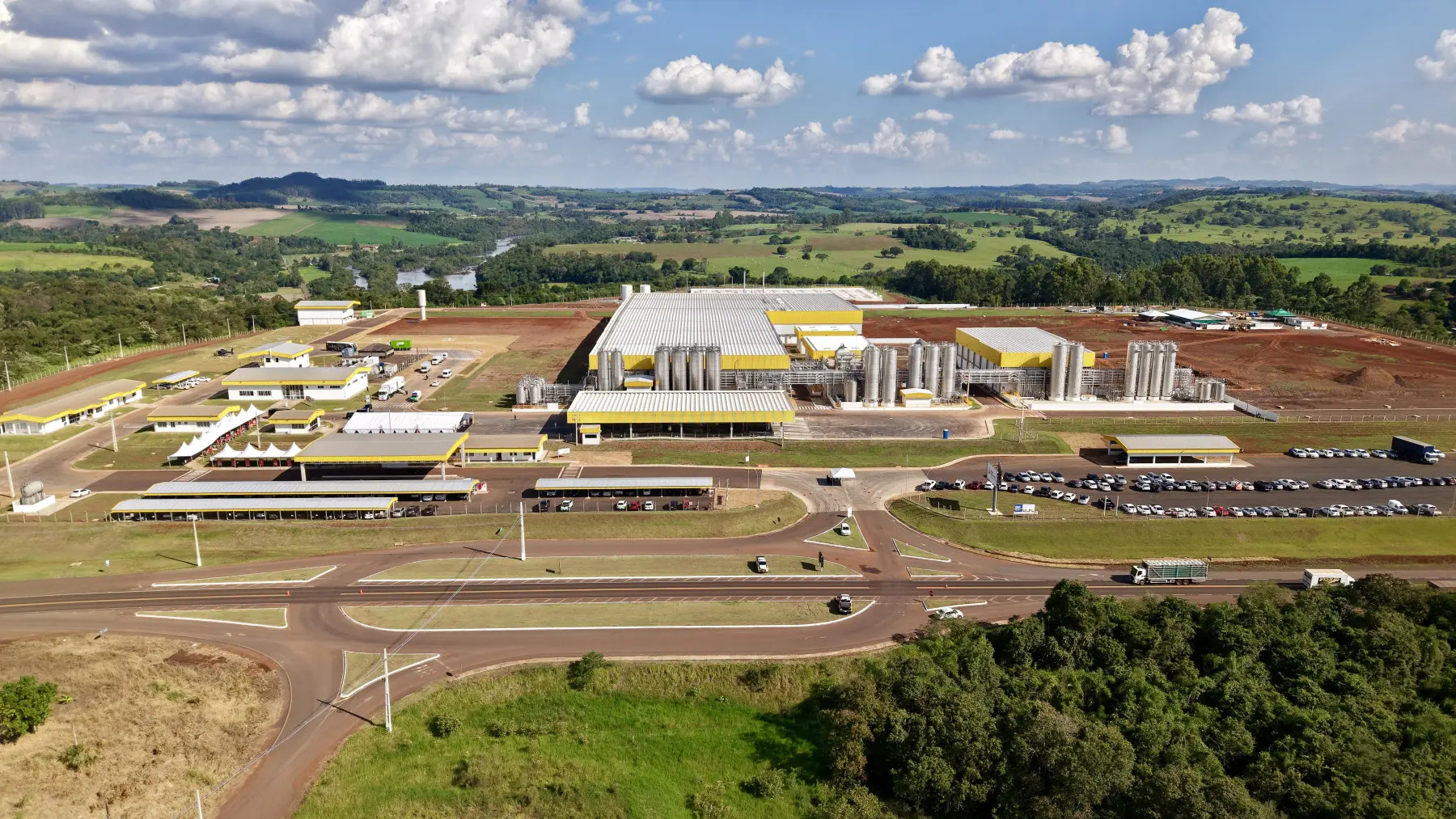
With an investment of R$ 612 million, a capacity to process 1.2 million liters of milk per day, Piracanjuba inaugurates a mega cheese factory that increases national production, reduces dependence on imports, and repositions Brazil on the global dairy map.
-
Brazilian city gains industrial hub for 85 companies that is equivalent to 55 football fields.

-
Peugeot and Citroën factory in Argentina cuts production by half and opens a layoff program for more than 2,000 employees after Brazil drastically reduced purchases of Argentine vehicles.

-
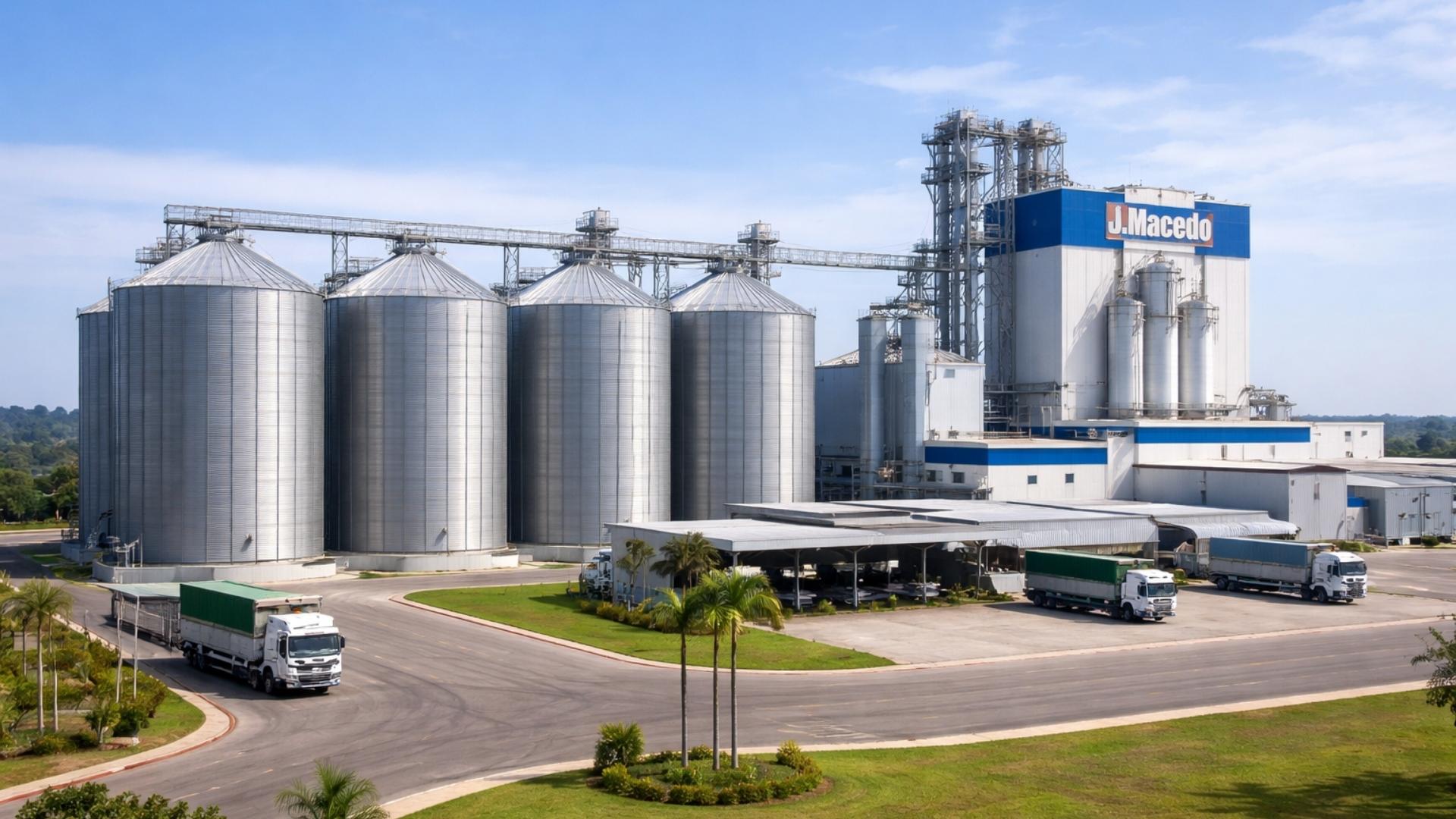
A Brazilian city gains a factory worth R$ 300 million with the capacity to process 200 thousand tons of wheat per year, a mill of 660 tons/day, silos for 42 thousand tons, and an industrial area of 276 thousand m².

Decoding the Adjustments and the Role of ANEEL
ANEEL regulates the electric sector and approves tariff adjustments. For 2025, the agency projected an average increase of 3.5% in tariffs, an index below the estimated inflation (IGP-M 5.1%, IPCA 5.6% in March 2025).
This adjustment considers: a 2.0% increase in Portion B (distributors’ costs); a 1.6% increase in Sectoral Charges (mainly CDE Usage, with a budget of R$ 41 billion for 2025); a 0.1% reduction in Transportation Costs; a 1.3% increase in Energy Purchase; and a 2.7% reduction in Financial Components. The actual impact varies by distributor and consumption.
Composition and Alerts of Your Electricity Bill
Your electricity bill includes Generation, Transmission, Distribution costs, Sectoral Charges (like CDE), and Taxes (ICMS, PIS/Pasep, Cofins).
The tariff flag system signals the monthly cost of generation. The Green Flag (favorable conditions) has no additional cost. The Yellow Flag (less favorable conditions) added R$ 2.00 per 100 kWh (ref. 2017). The Red Flag Level 1 (costly generation), triggered in June 2025, adds R$ 4.46 per 100 kWh. The Red Flag Level 2 (very costly generation) implies R$ 7.877 per 100 kWh. The red flag in June 2025 was due to low rainfall, requiring more expensive thermoelectric plants.
Other Impact Factors in 2025
Unfavorable hydrological conditions raise prices, as projected by Eneva for 2025. The Provisional Measure 1.300/2025, part of the Electric Sector Reform (under review in June 2025), may bring new costs, such as an increase in the subsidy for the Social Tariff (via CDE), raising the electricity bill, according to a warning from Abradee. The forecast for a 3.5% increase in energy load in 2025 could also pressure tariffs.
Regional Impact of Electricity Bill Adjustments
ANEEL’s adjustments vary by distributor. Cemig-D (Minas Gerais) had an average adjustment of 7.78% starting in May 2025. Meanwhile, Celesc (Santa Catarina) had an average of 3.02% since August 2024, but with +4.19% for low voltage (residential), impacted by the removal of previous financial components. This shows local variation and by consumption class.
Strategies to Reduce Your Electricity Bill
The real savings come from a combination of new habits and efficient technologies. Prioritize natural light, turn off lights when leaving rooms, and use LED bulbs (85-90% more economical). Unplug devices on standby (TVs, chargers), which can consume up to 12% of total energy. Presence sensors and timers can also help.
For the refrigerator, avoid opening the door unnecessarily and check the sealing. In the electric shower, take short showers and use the “summer” setting. In the washing machine, use the maximum capacity and cold water. Group clothes to iron at once. In the air conditioning, keep the environment closed, clean filters, and set to 23-24ºC.
When buying appliances, look for the Procel Seal of Energy Efficiency. Products with ‘A’ rating (ENCE/Inmetro) may be a bit more expensive, but the savings on your electricity bill pays off, especially for high-consumption items.
Programs and Incentives
The distributors have mandatory Energy Efficiency Programs (PEE). Celesc (SC), for instance, has public calls that may cover the residential sector. Consult your distributor. At the government level, there are incentives like those in Santa Catarina for solar energy in the field (Financia Agro SC, Pronampe Agro SC) and the state program “Energia Boa,” focused on large projects. Actively search for federal, state, and municipal programs, as information for urban residential consumers may be scattered.








Seja o primeiro a reagir!