





 Portuguese
  English
  Spanish
  4 min of reading
  1 comment


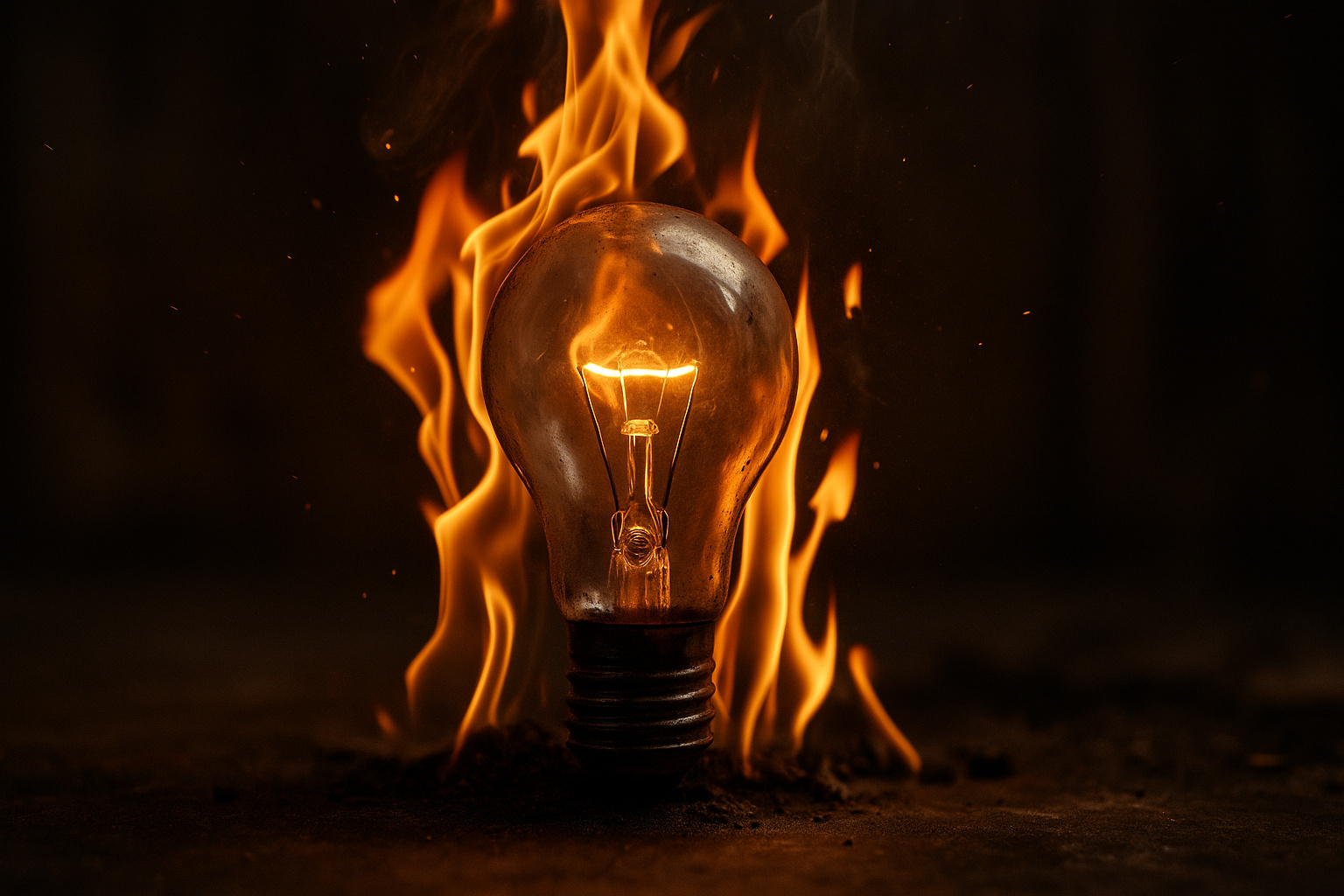


Charges And Subsidies Surge And Raise The Electricity Bill In Brazil; Experts Warn Of A Readjustment That Weighs On The Consumer’s Pocket.
Charges And Subsidies Surge And Increase The Energy Bill In Brazil
The Brazilian is paying more and more for energy generation. Despite policies created to expand access and reduce costs, the charges and subsidies embedded in the electricity bill have skyrocketed in recent years, raising the final price paid by consumers throughout Brazil.
The situation is concerning to both experts and public agencies. The continuous increase in tariffs is directly linked to the expansion of incentives and benefits granted to certain groups, which has caused imbalances in the electricity sector’s accounts.
The Silent Increase In Electricity Bills
According to energy market consultant Sérgio Pataca, the numbers are impressive.
“In the data we have since 2018, these subsidies represented, in Cemig’s bill, approximately 6% of the energy value. Today, they already reach 21.5%,” he reveals.
-
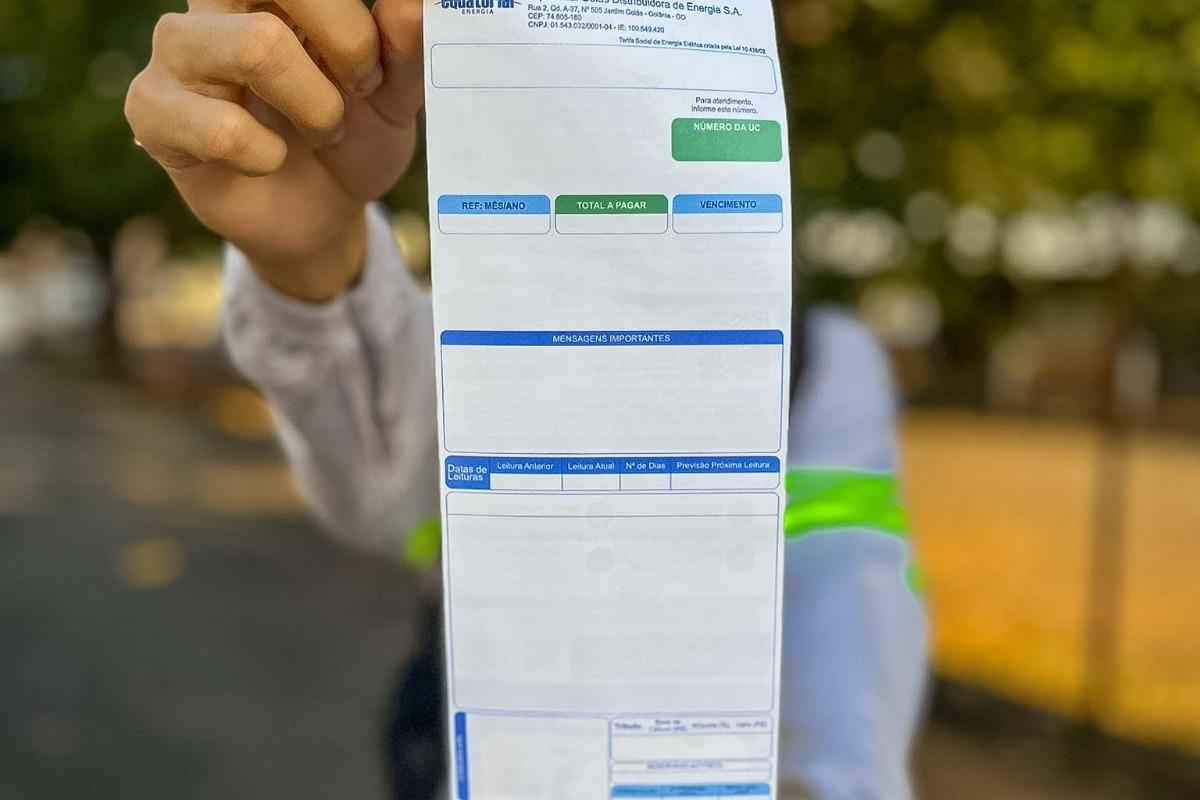
Equatorial adopts new national number for consumer units on electricity bills starting in April, following ANEEL standards and modernizing energy bills in several states.
-
Itaipu Impresses the World: Hydroelectric Plant with 20 Turbines and 14,000 MW Generates Over 2.9 Billion MWh and Leads Global Clean Energy Production

-
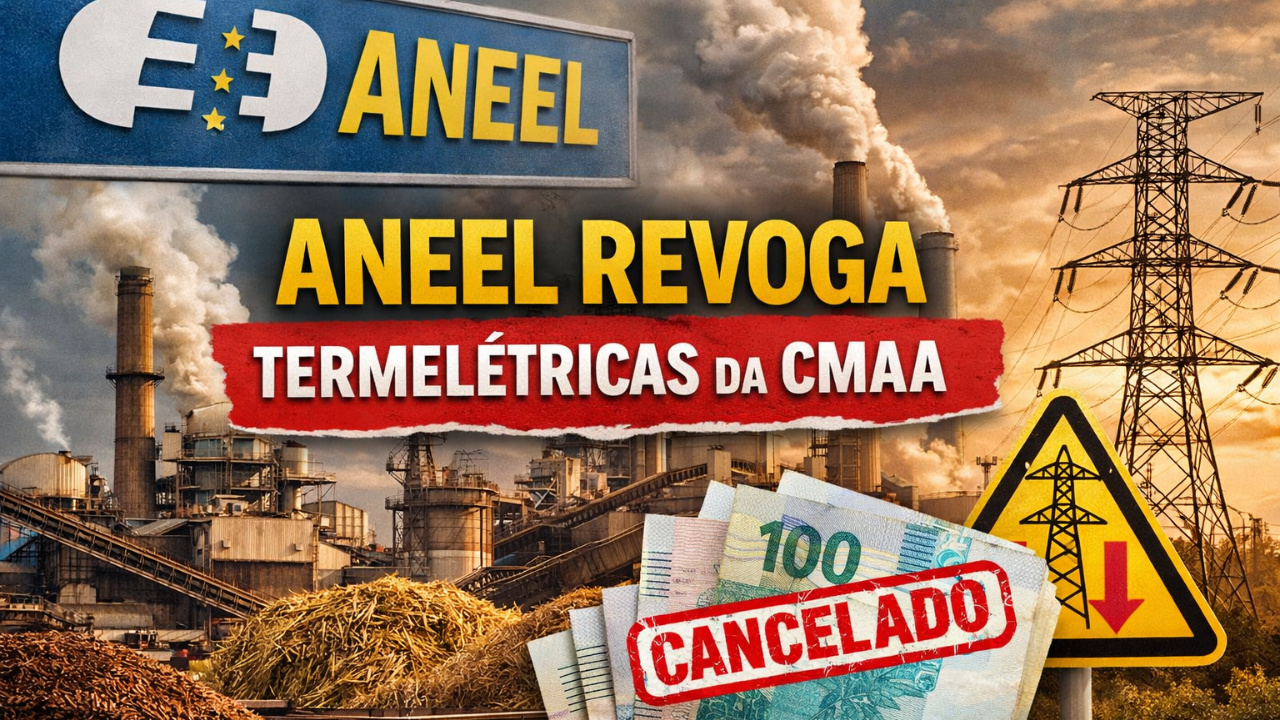
Aneel Revokes CMAA Thermal Power Plants After Network Restrictions and Excess Energy in the System
-
13-Year-Old Scientist Creates Clean Energy Device For Just R$ 16, Wins $25,000 Prize And Surprises The World With Affordable Solution


This significant jump shows how charges have grown above average, driven by public policies that, although created with good intentions, ended up burdening those who pay the bill.
“We have access to electricity for all, subsidies for the rural sector, and subsidies for renewable energy sources,” the consultant details.
In other words, while part of the population benefits, the majority of consumers bear the cost.
Social Benefits, But With A Weight On The Pocket
Programs like the social electricity tariff, which offers discounts for low-income families, and the incentive for photovoltaic generation, have brought significant advances to democratize access.
However, these subsidies, combined with regulatory charges, have led to a constant increase in electricity bills.
The equation is simple: what the government does not charge from some groups needs to be compensated by other users of the electricity system.
Thus, the average consumer, who is already facing inflation and high interest rates, feels the direct impact on their monthly budget.
Court Of Auditors Warns Of Outdated Charges
The minister of the TCU, Antônio Anastasia, claims that many charges on the energy bill are outdated and need to be urgently revised. According to him, the court identifies failures in public policies and warns Congress about distortions that affect consumers.
“The court does not have the competence to evaluate the merits. What we do is identify harmful situations to the treasury and alert Congress,” he explains.
Anastasia highlights that several charges “have already surpassed the expiration date” and advocates for periodic reviews to keep the system more balanced.
He recalls that this “constellation of charges” is an old tradition in Brazil and emphasizes that the current model needs urgent modernization to ensure fairer and more transparent tariffs.
Industry Proposes Tax In Place Of Charges
For the productive sector, there are alternatives to alleviate the burden of tariffs. The president of the Federation of Industries of the State of Minas Gerais (FIEMG), Flávio Roscoe, advocates for a structural change in the charging of charges.
“We argue that all charges should be transformed into taxes. That way, everyone would understand that they are paying the bill.
And then, if there are ways that advocate for the entire population with income below two thousand reais not to pay for energy, great, let’s create a tax that covers that expense, but not embedded in the electricity bill,” argues Roscoe.
The proposal seeks transparency and fiscal justice. For him, a specific tax would allow for clearer social control over spending and reduce the direct impact on the monthly bill.
Growing Pressure And Need For Urgent Review
With energy generation becoming more expensive and charges weighing on the system, the challenge is to balance universal access with the financial sustainability of the sector.
Experts agree that, without an urgent review of subsidy policies, consumers will continue to be the weakest link in this chain.
While the government tries to maintain incentives for certain sectors, the final bill continues to rise — and the one who pays is the ordinary Brazilian.
In summary, the increases in the electricity bill reflect a historic dilemma of Brazil: balancing social inclusion and economic efficiency in a system that, today, charges dearly for energy that promises to be accessible to all.









Great article! I really appreciate the clear insights you shared – it shows true expertise. As someone working in this field, I see the importance of strong web presence every day. That’s exactly what I do at https://webdesignfreelancerhamburg.de/ where I help businesses in Hamburg with modern, conversion-focused web design. Thanks for the valuable content!