





 English
  Francês
  Alemão
  Italiano
  Japonês
  Norueguês
  Portuguese
  Spanish
  3 min of reading


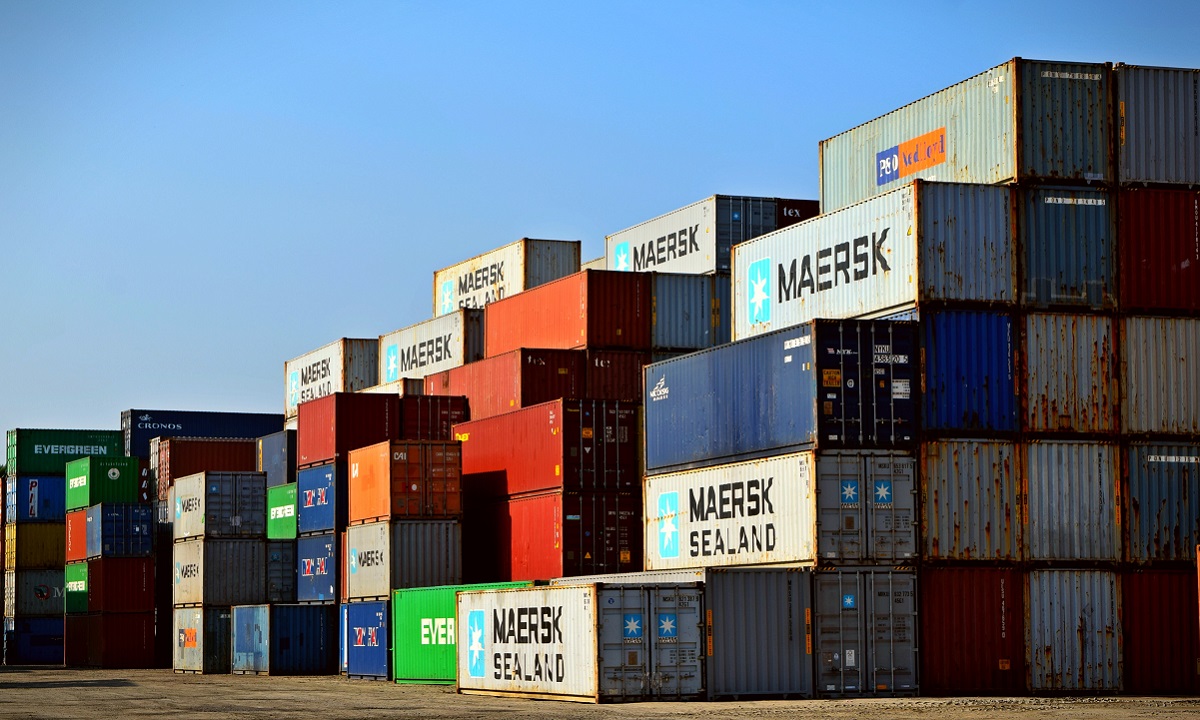
Freight Rates for Brazil Experienced Exponential Growth and Container Shortage Is One of the Main Reasons
The shortage of containers is one of the main reasons for the increase in prices of maritime freight for imports to Brazil. According to data collected by Kestraa, a startup specializing in cargo management and monitoring for foreign trade, the median maritime freight from Asia, one of Brazil’s main importers, increased by 363% between June 2020 and June this year, reaching a value of US$ 6,670.
The calculation was based on the medians of prices covering more than 12,000 loads transported by containers between Brazil and other countries since 2020. At the time of the survey, the highest value found was recorded in February when containers cost up to US$ 10,000. However, the methodology does not include very high or very low transactions in relation to the average to avoid distortions in the results.
In comparison, in 2020 and 2022, the median price of global maritime freight for Brazil stopped costing US$ 1,600 in January 2020, reaching a value of S$ 2,600 in January 2022, an increase of 67% in price. The rise in maritime freight prices began shortly before the pandemic started, in March 2020, worsening with the lockdown, which caused the closure of borders and businesses.
-
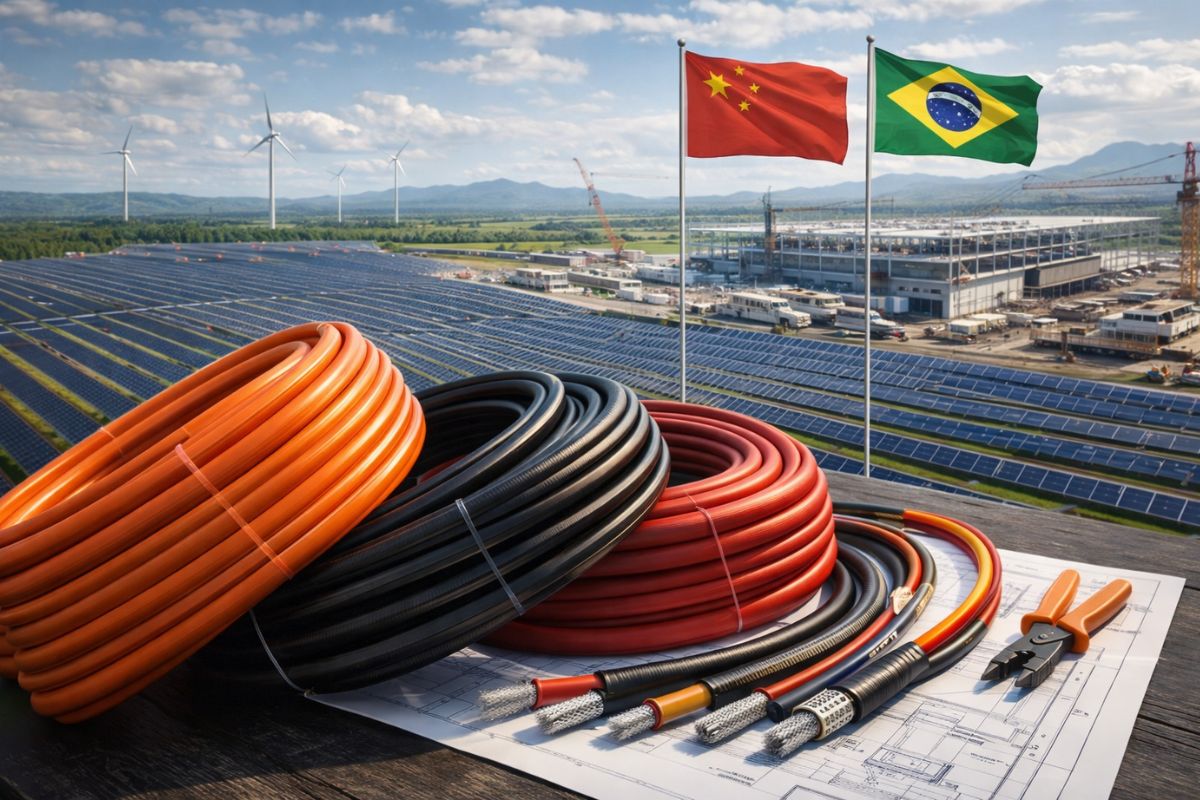
Chinese giant worth nearly R$ 4 billion that manufactures cables for electric cars, solar energy, and robotics wants to open a factory in SC.
-
Many employers do not know, but the law guarantees domestic workers a 25% increase in salary during trips, 50% for overtime, 20% for night shifts, and 17 additional benefits that can lead to labor lawsuits if not paid.

-
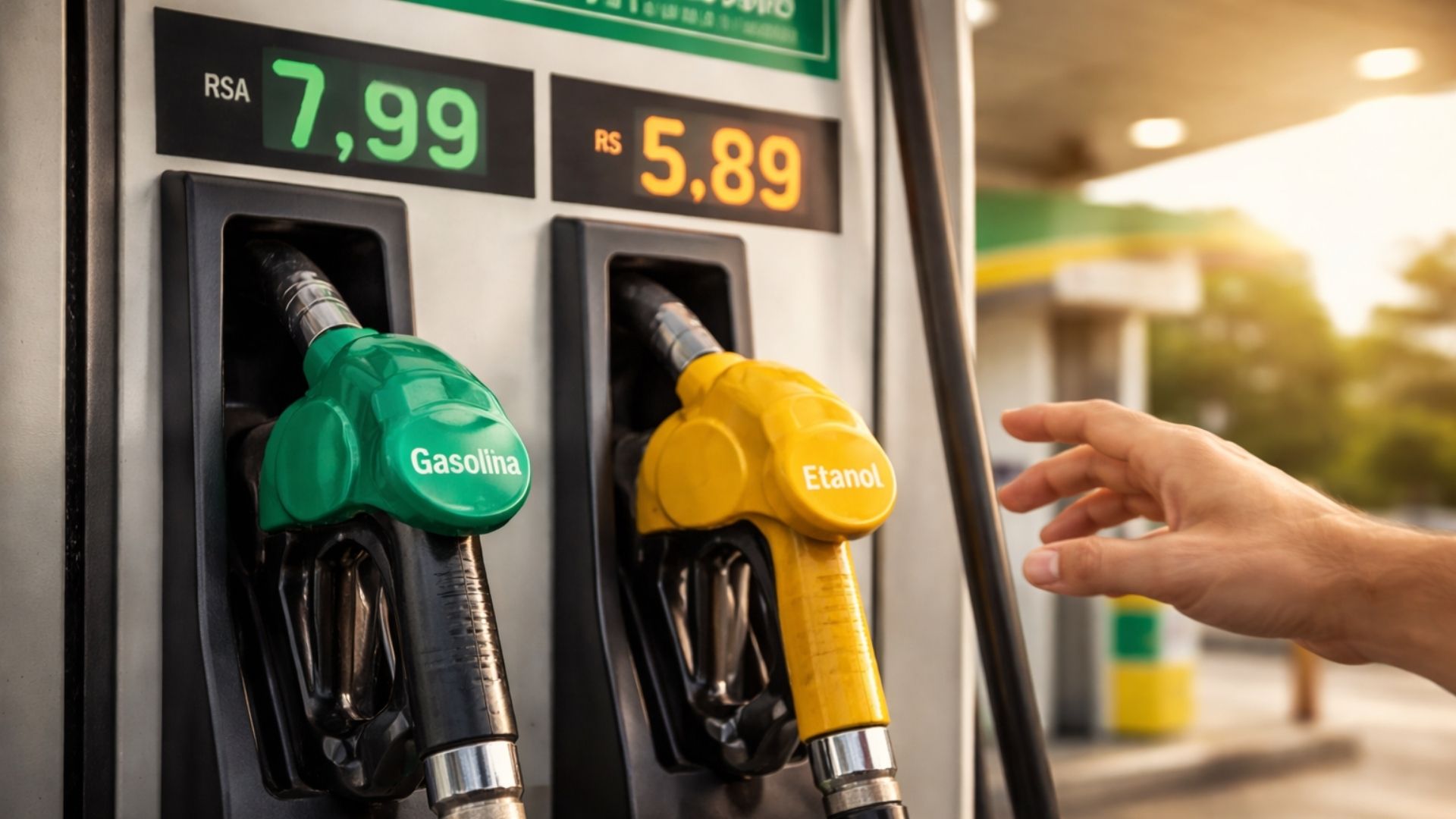
Gasoline prices soar and the question arises: is ethanol more advantageous? The 70% rule reveals the limit with gasoline.
-
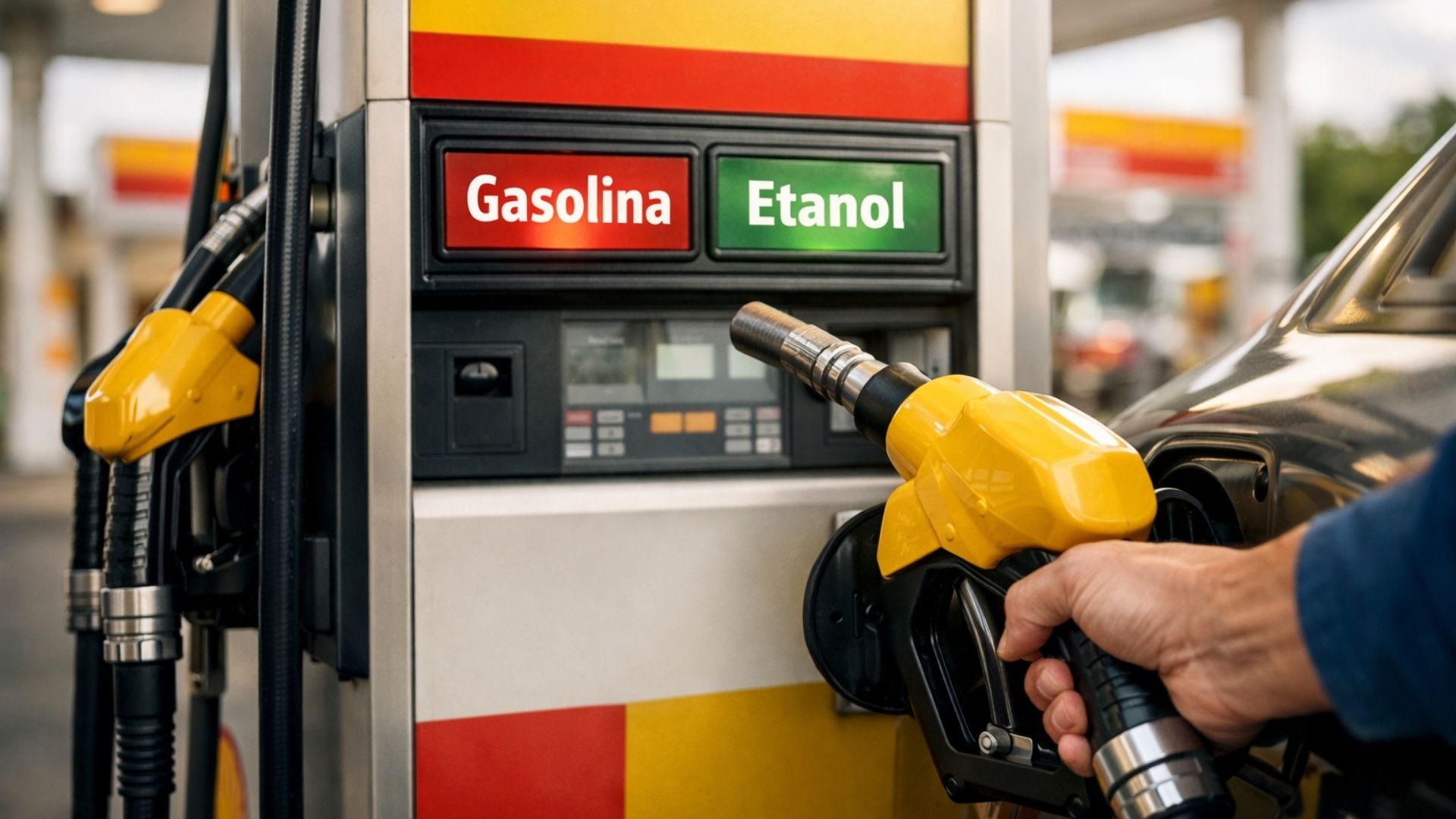
The government has made a decision and is starting a test with more ethanol in gasoline, anticipating a mixture of up to 35%, diesel with 25% biodiesel, and a study to assess the impacts on engines.

“A large number of containers were taken out of the market for a necessary restructuring during the lockdown. However, even after the reopening, this number of containers remained low, increasing the demand for more routes and equipment, which contrasts with the reduction in supply, driving up prices”, says Marcelo Matos, co-founder of Kestraa.
The difference in prices between global maritime freights and maritime freights from Asia is explained by the method used to transport the cargo, which can involve land modalities between South American countries, and maritime and air modalities between farther countries. However, the increase in maritime freight prices for identical modalities is due to high demand and low supply as well as the shortage of containers.
Increase in Maritime Freight Prices Mainly Affects the Primary Sector
The aggregate primary sector is the most affected by maritime freight prices. Since this sector has price-sensitive products and the impact is greater on the final cost, it is one of the most affected. Retail is also significantly impacted, but not due to freight, but rather due to the trade model, according to Matos.
Another sector greatly affected is electronics companies, as they require components sourced from several countries.
International Maritime Freight Is Not Expected to Stabilize Until Mid-2023
With the average cost of a container in the global market, which is seven times more expensive than pre-pandemic levels, approaching US$ 10,000 for several months, international maritime freight rates may remain high for a long time.
A survey conducted by the National Confederation of Industry (CNI) showed that the effects of the international logistics crisis driven by Covid-19 in Brazil and on the main shipping routes worldwide caused the average cost of transporting a container in the global maritime market to remain close to US$ 10,000 at various points in the first half of 2022, a value that is seven times higher than that recorded before the pandemic.







Seja o primeiro a reagir!