





 Portuguese
  English
  Spanish
  4 min of reading
  0 comments


During COP 30 2025, the MDA Will Present Innovative Programs Focused on Family Farming, Environmental Recovery, and Agroecology as Sustainable Solutions to Global Climate Challenges
The COP 30 2025 will mark a turning point for Brazil in the global climate agenda, according to an article published
Between November 10 and 21, in Belém (PA), the Ministry of Agrarian Development and Family Farming (MDA) will present strategies that combine sustainability, income generation, and food security.
Led by Minister Paulo Teixeira, the group will bring to the conference proposals aimed at the recovery of degraded areas, cultivation of food from socio-biodiversity and agroecological transition, reinforcing the role of family farming in mitigating climate change.
-
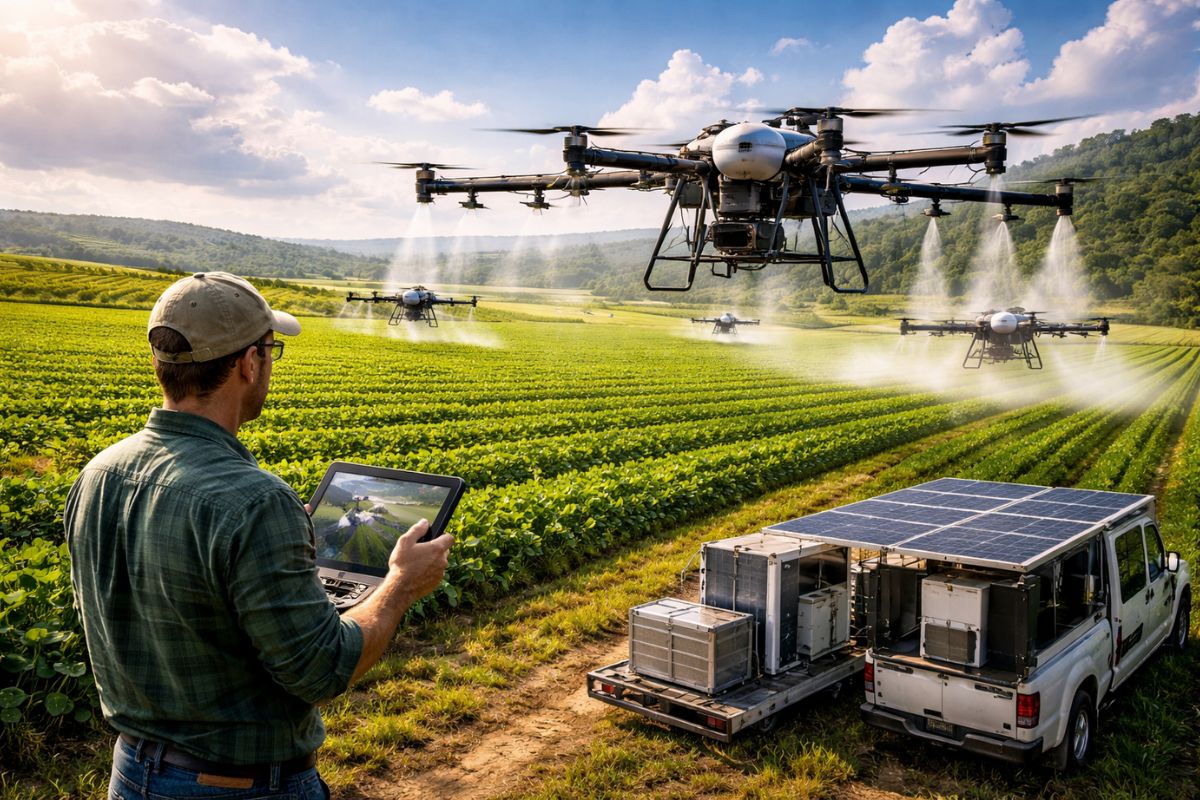
Alone, the producer applies 7,400 hectares with the T100 drone in an optimized structure, replaces the generator with a silent battery, and demonstrates how technology reduces costs, increases productivity, and even challenges the uniport in the field.
-
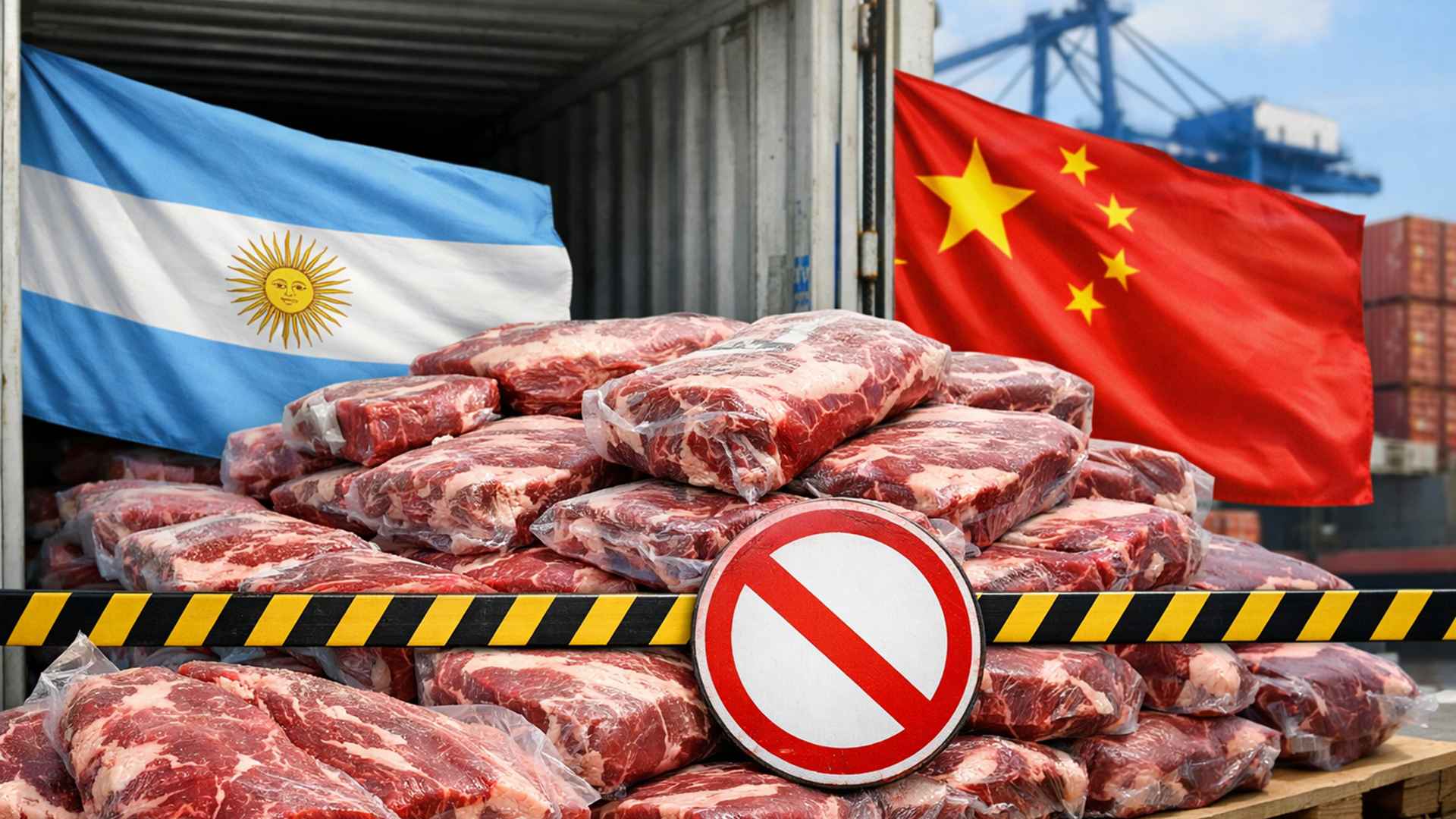
China banned the export of 22 tons of meat from Argentina.
-
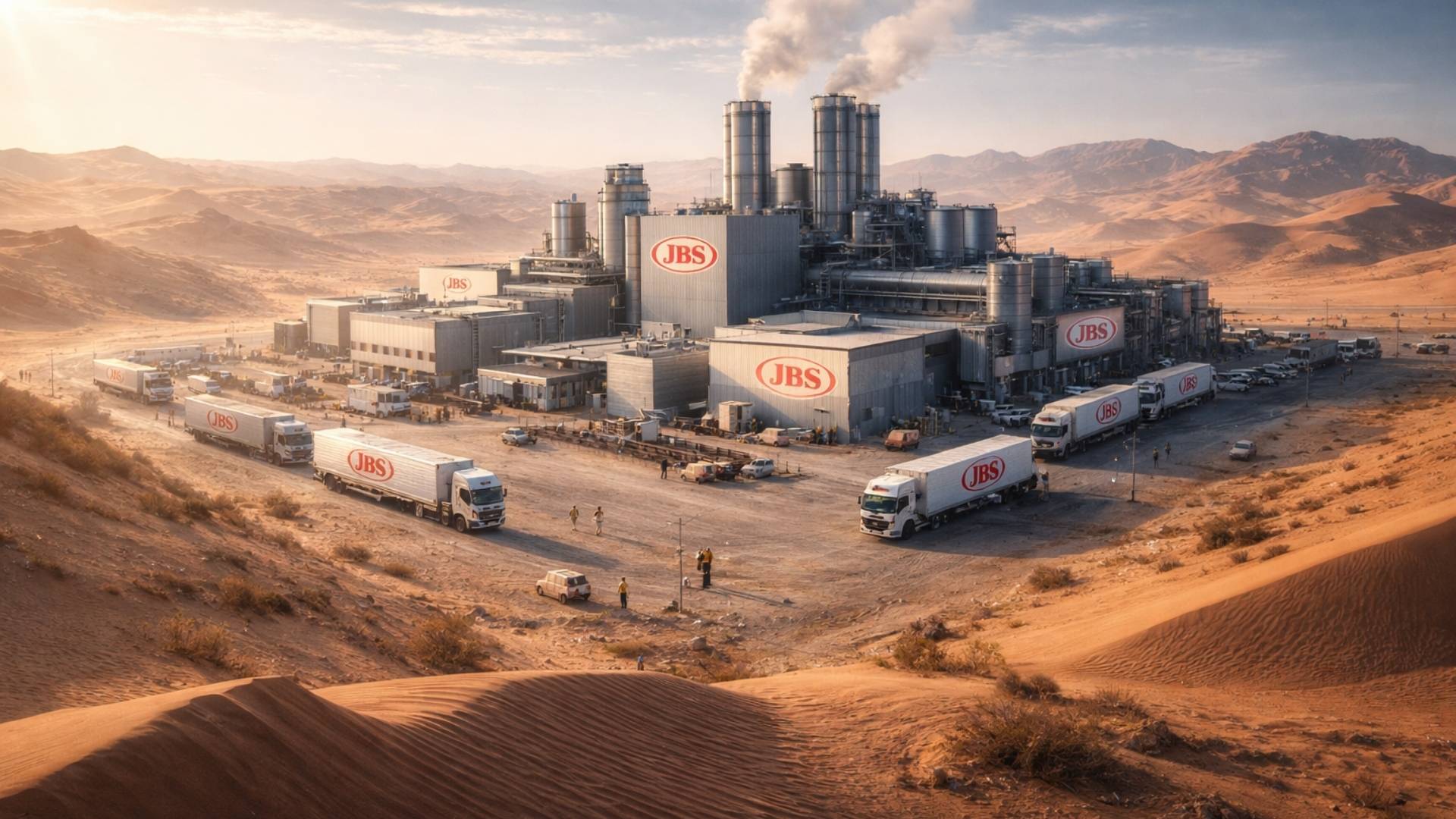
JBS, founded by the Batista brothers, continues to conquer the world: entrepreneurs built a ‘factory in the desert’ creating 3,000 jobs.
-
With only 1% of Brazil’s territory, Santa Catarina has built one of the most competitive industrial parks in the country, with 64,000 companies, nearly 1 million jobs, and a growth rate of 5.3% while the national industry is practically stagnant.

The MDA’s agendas are aligned with the global effort to build resilient food systems, integrating traditional communities and innovative solutions in the field.
The goal is to reposition Brazil as a reference in sustainable food production and in valuing those who live off the land.
Family Farming and Recovery of Degraded Areas as the Foundation of Sustainability
Among the main initiatives that the MDA will take to the COP 30 2025 is the National Productive Forests Program, which aims to restore altered or degraded areas through the planting of native species and short-cycle crops.
The focus is on recovering the soil and increasing the production of healthy food, promoting practices that reconcile environmental conservation and profitability.
The program includes technical assistance, access to rural credit, and funding for agroforestry systems across the country.
According to the MDA, the proposal aims to strengthen local communities and encourage the sustainable use of natural resources.
Investment in productive forests is seen as a concrete alternative to reversing the advance of environmental degradation, which affects millions of hectares in Brazil.
The delegation, led by Paulo Teixeira, includes the participation of Fernanda Machiaveli, Viviana Mesquita, Moisés Savian, Ana Terra, Edmilton Cerqueira, and Vanderley Zíger, reinforcing the ministry’s intersectoral commitment to the environmental and social agenda.
Agroecological Transition and Innovation in the Acceleration Plan of Solutions (PAS TERRA)
Another highlight of the COP 30 2025 will be the Acceleration Plan of Solutions (PAS TERRA), focused on the integration between agroecology and agroforestry.
The initiative proposes the adoption of productive systems that function as global climate solutions, reducing emissions and strengthening food and nutritional security.
The PAS TERRA encourages agricultural diversification and the strengthening of local chains, generating income opportunities for family farmers and traditional communities.
The plan will be presented as a concrete experience of agroecological transition, promoting sustainable practices that respect natural cycles and reduce dependence on chemical inputs.
The action aligns with the conference’s central goal: expand the reach of public policies for climate mitigation and strengthen the leadership of rural populations in transforming territories.
Sustainable Food and Cultural Valorization at COP 30 2025
The Show Kitchen Ancestral Recipes “Knowledge and Practices of Traditional Peoples and Communities in Brazil” is another of the five agendas that the MDA will present in Belém.
The space will be set up in the AgriZone, in the Pavilion of Socio-biodiversity, and will feature 10 workshops between November 11 and 20, where 30 traditional recipes will be prepared.
The goal is to value Brazil’s food diversity and highlight the ancestral knowledge of rural peoples and communities.
At the Family Farming Fair, which will take place in the Green Zone, the public will be able to learn about products from all five Brazilian biomes, such as cajuína, cachaças, rapaduras, cookies, beiju, milk sweets, artisanal pieces, and indigenous products.
The event aims to connect tradition, solidary economy, and sustainability, showing how local production can have a positive impact on climate and income.
Furthermore, 30% of the food served at the conference will come from family farming and regional socio-biodiversity, strengthening the commitment to sustainable, healthy, and inclusive food.
This measure is seen as an important advancement in valuing rural producers and in recognizing the role of family farming in building a more balanced future.
The MDA’s participation in COP 30 2025 reaffirms Brazil’s commitment to an agricultural model based on respect for the environment and social impact climate solutions.
The public can access the full programming of the MDA at COP 30 2025 to follow all planned actions and activities at the event.








Seja o primeiro a reagir!