





 English
  Francês
  Alemão
  Italiano
  Japonês
  Norueguês
  Portuguese
  Spanish
 4 min of reading
  0 comments


COP30, Held in Belém, Highlights Brazil’s Leadership in the Green Transition, Attracting Investments in Renewable Energy, Sustainable Business, and Low-Carbon Solutions for the Future
On October 5, 2025, the portal Times Brasil released an analysis on the impacts of COP30, which will be held in November in the city of Belém (PA). The UN climate conference has the potential to transform Brazil into a leader in the ecological transition, focusing on sectors such as renewable energy, bioeconomy, low-carbon agribusiness, and carbon market. According to experts, the event is expected to attract a significant amount of investment and consolidate the country as a strategic destination for green businesses.
Brazil in the Spotlight of International Sustainability with COP30
COP30 in Belém occurs at a decisive moment. According to the Luz Report 2024, only 7% of the Sustainable Development Goals (SDGs) in Brazil have shown satisfactory progress, while 34.5% have progressed insufficiently. In light of this scenario, the conference represents an opportunity for the country to demonstrate advancements and reposition itself as a leader in climate solutions.
Moreover, new international regulations such as the European Union’s Carbon Border Adjustment Mechanism (CBAM) and the IFRS S1 and S2 standards required by the CVM starting in 2026 pressure Brazilian companies to adopt sustainable practices. ESG has shifted from being a differential to a requirement for access to global markets, as highlighted by Alexandre Pimenta, CEO of Asia Shipping.
-
With 160,000 m² of collectors, an area larger than 20 football fields, Silkeborg, in Denmark, hosts a solar thermal plant that heats 19,500 homes and could become the largest solar heating plant in the world.

-
A study reveals the expansion of renewable energy procurement in Brazil and shows how companies are taking advantage of opportunities to reduce expenses, ensure energy efficiency, and strengthen strategic environmental commitments.

-
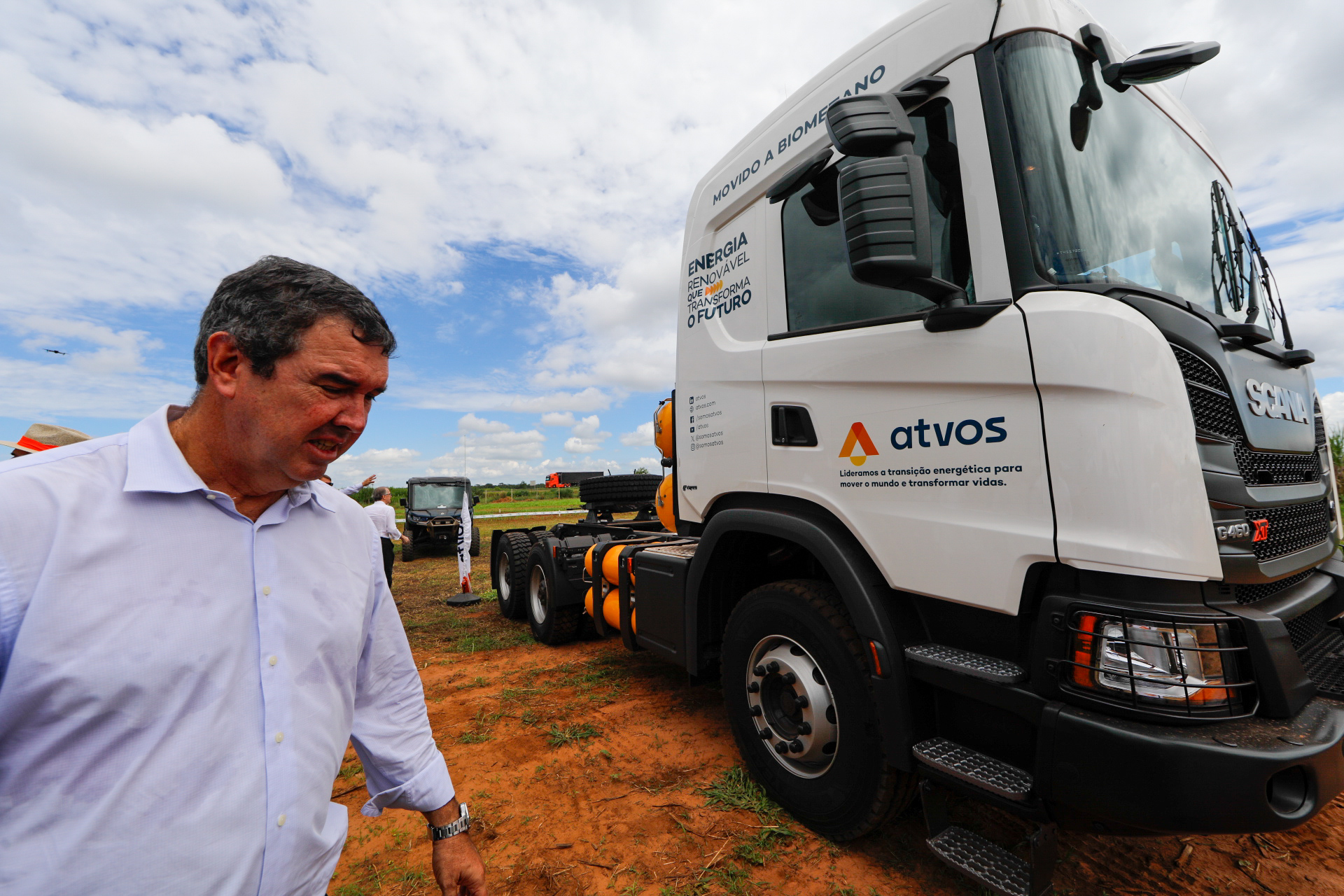
Mato Grosso do Sul excels in the sugar-energy sector: the state reaches a milestone of 22 operating mills and accelerates the production of clean energy in MS with a focus on sustainability.
-
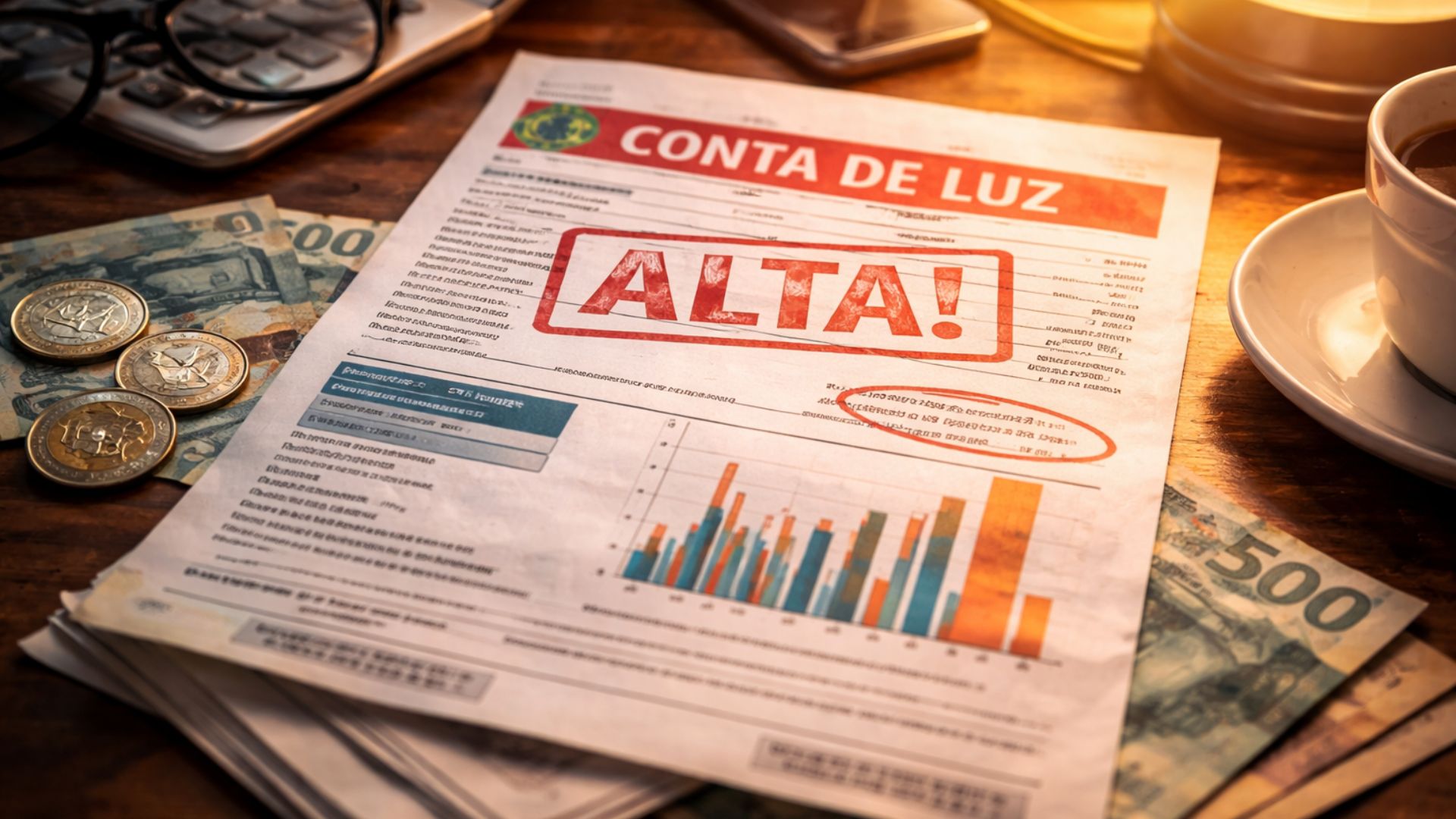
National energy dilemma: Brazilians support clean energy but reject increases in tariff costs to finance the sustainable transition.

Renewable Energy and Bioeconomy: Pillars of Green Business
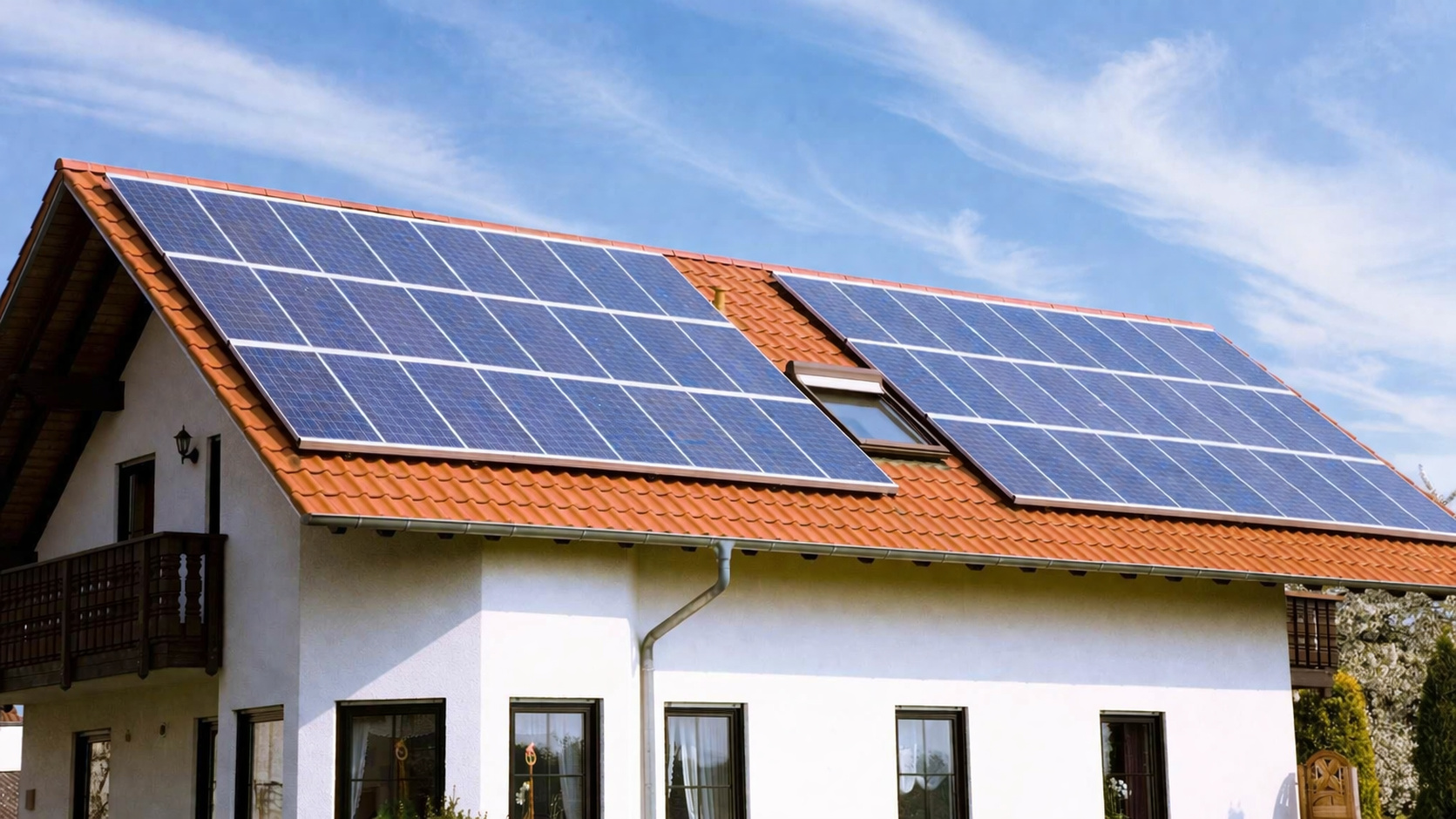
According to Larissa Barreto, partner at Sail Capital, the sectors with the highest potential for attracting capital are renewable energy and bioeconomy. She points to the growth of solar, wind, green hydrogen, and advanced biofuels as vectors for innovation and revenue generation. New business models, such as on-demand energy and smart grids, are expected to gain traction.
The Amazonian bioeconomy also stands out as a strategic opportunity. Products like cosmetics, pharmaceuticals, and foods derived from natural ingredients carry high added value and can drive sustainable production chains. Kátia Maia, a consultant for the World Bank Brazil, also highlights the developing green logistics corridors at the ports of Pecém and Suape.
Low-Carbon Agribusiness and Traceability in Brazil
The Brazilian agribusiness is undergoing a silent revolution. Regenerative practices, the use of bioinputs, and traceability are increasingly demanded by consumers and investors. This opens space for agritech startups, sustainable marketing platforms, and businesses linked to the carbon market. Low-carbon agriculture is a reality that combines productivity and environmental conservation.
Furthermore, technologies like biogas, biomethane, and pasture recovery are being incorporated into the field, increasing efficiency and reducing emissions. The ABC+ Safra Plan and RenovaBio are examples of public policies that encourage this transition.
Financial and Regulatory Instruments Strengthen Green Investments
Brazil already has a robust portfolio of financial mechanisms to support companies in the sustainable transition. Among the main instruments are:
- Climate Fund from BNDES: credit for low-carbon projects
- Green CPRs: securities linked to conservation and reforestation
- Incentivized Debentures: tax benefits for sustainable infrastructure
- Green Bonds and SDG Bonds: financing through the capital market
- Brazilian Emissions Trading System (SBCE): regulated carbon market created in 2024
These tools broaden access to capital and create a favorable environment for investments in green businesses. As Kátia Maia states, COP30 is expected to intensify the search for climate financing and attract competition among funds and investors.
Renewable Energy as a Competitive Advantage for Brazilian Companies
Companies that adopt consistent sustainability strategies are already reaping concrete benefits. Larissa Barreto emphasizes that actions like energy efficiency, water management, and circular economy reduce costs and generate new revenues.
Furthermore, consumers and global chains demand transparency and environmental targets. Companies that anticipate these demands gain market preference and enhance their competitiveness. Adriana Melo, CFO of SAS Brasil, sums it up: “Sustainability is not utopia; it is economic pragmatism”.
Belém and COP30 as a Stage for the Climate Turnaround and Green Businesses
The choice of Belém as the host city for COP30 is symbolic. The city is in the heart of the Amazon and represents the link between biodiversity, culture, and innovation. The event promises to go beyond diplomatic commitments, connecting renewable energy, bioeconomy, and financial instruments to a new cycle of sustainable growth.
Brazil has unique assets: regenerative agribusiness, clean technology, decarbonized steelmaking, and strategic rare earths. With this, it can export climate intelligence and not just commodities. COP30 will be the moment to show the world that the country is ready to lead the green economy.


COP30: Historic Opportunity for Brazil to Lead the Ecological Transition
COP30 in Belém represents a turning point for Brazil. By bringing together global leaders, investors, and experts, the event creates a conducive environment to accelerate the ecological transition and establish the country as a reference in green businesses. Sectors such as renewable energy, bioeconomy, and low-carbon agribusiness gain prominence, driven by public policies, financial instruments, and international demand.
Sustainability has shifted from being rhetoric to becoming a growth strategy. Companies that adapt to new environmental requirements conquer markets, reduce costs, and access capital more easily. For Brazil, COP30 is more than just a conference: it is the chance to turn climate challenges into lasting economic opportunities.






-

Uma pessoa reagiu a isso.