





 Portuguese
  English
  Spanish
 3 min of reading
  0 comments


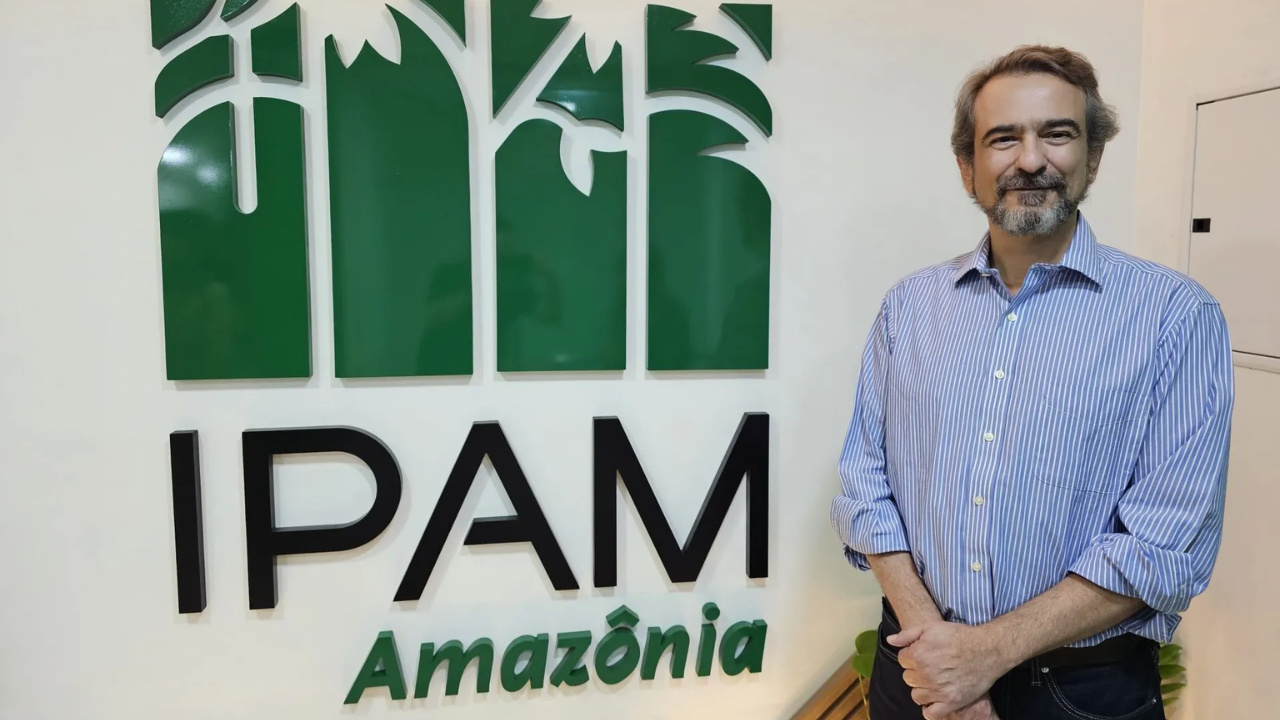
During Parallel Event of COP30 in Belém, Experts and Indigenous Leaders Criticized the Government Decision to Authorize Oil Exploration at the Mouth of the Amazon. Environmentalists Warn of Climatic and Social Risks and Demand Sustainable Alternatives to the Fossil Matrix.
During a parallel event at the COP30, held at the TED House in Belém (PA), the recent authorization by the federal government for oil exploration at the mouth of the Amazon River was met with harsh criticism. Experts and representatives from civil society highlighted the environmental and social risks of the measure, emphasizing that the country should seek more sustainable energy solutions.
Among the critics, the executive director of the Amazon Environmental Research Institute (IPAM), André Guimarães, was emphatic in questioning the rationale of the decision amid the climate conference. “If this is the COP of truth, as President Lula says, it makes no sense to explore oil at the mouth of the Amazon,” he stated.
“More Carbon in the Atmosphere Means More Risk,” Warns Researcher
Guimarães reminded that the increase in carbon emissions intensifies the impacts of climate change, affecting agriculture, ecosystems, and the Brazilian population. According to him, the debate around oil needs to go beyond economics and consider real alternatives.
-
Petrobras evaluates suspension of sales to distributors and considers canceling the cooking gas auction following guidelines from the Federal Government.
-
Lula reveals a masterstroke by Petrobras to undo a deal made by Bolsonaro, which involves the return of an important refinery that currently produces less than half of what was expected and makes Brazil dependent on international diesel.
-
A study confirms that the natural gas sector will reduce greenhouse gas emissions in Brazil by 0.5% and accelerate the energy transition by 2026.

-
Petrobras implements a severe adjustment and confirms a 55% increase in the price of aviation kerosene with a proposal for installment payments for the companies.


“This same science that 30 years ago began to place Brazil as one of the world’s largest food producers should be working to produce alternative pathways. Is it not possible to reconcile food production with the production of alternative fuels in degraded areas? We need to have this answer,” he questioned.
A survey cited during the event shows that 61% of Brazilians believe President Lula should prohibit the opening of new oil wells, reflecting a growing environmental concern within society.
Licensing of Oil Block Seen as “Opening the Gate”
The public policy coordinator of the Climate Observatory, Suely Araújo, also participated in the debate and highlighted the symbolism of the release of the so-called Block 59, the first to receive a license for oil exploration in the Amazon region.
According to her, the decision may pave the way for a series of new projects in the Amazon sedimentary basin. “This license functioned like an opening of the gate, a mark of the governmental decision to turn the Amazon sedimentary basin into an oil exploration area,” she explained.
Currently, more than 700 license requests for oil and gas exploration await approval in the country. In light of this, civil society organizations have filed a legal action in Pará to try to suspend the process, alleging flaws in public consultation and failure to comply with technical standards.
Indigenous Peoples Warn of Social and Territorial Impacts
The debate also featured Luene Anica, leader of the Karipuna people, who reported the impacts already felt by local communities. According to her, the mere prospect of exploration has provoked land grabbing, real estate speculation, and internal conflicts among traditional peoples.
“They are saying that the State will be the Dubai of the future. This logic of divide to conquer. This impact is the most serious because it affects historical organizations and begins to pit one against the other with the discourse of progress,” she asserted. She also questioned whether financial compensations could repair the damage to communities’ ancestral relationship with the territory.
The event was moderated by Tzeporah Berman, founder of the Fossil Fuel Non-Proliferation Treaty, who advocated for a more ambitious stance from Brazil in the face of the climate crisis.
For her, the country has the potential to lead a just energy transition, gradually phasing out oil, as Colombia has done by deciding to reduce exploration and invest in renewable sources.
The debate, held during COP30, reinforces that oil remains at the center of the tension between economic development and environmental protection—a key issue that should guide Brazil’s climate decisions in the coming years.









Seja o primeiro a reagir!