





 Portuguese
  English
  Spanish
  3 min of reading
  0 comments


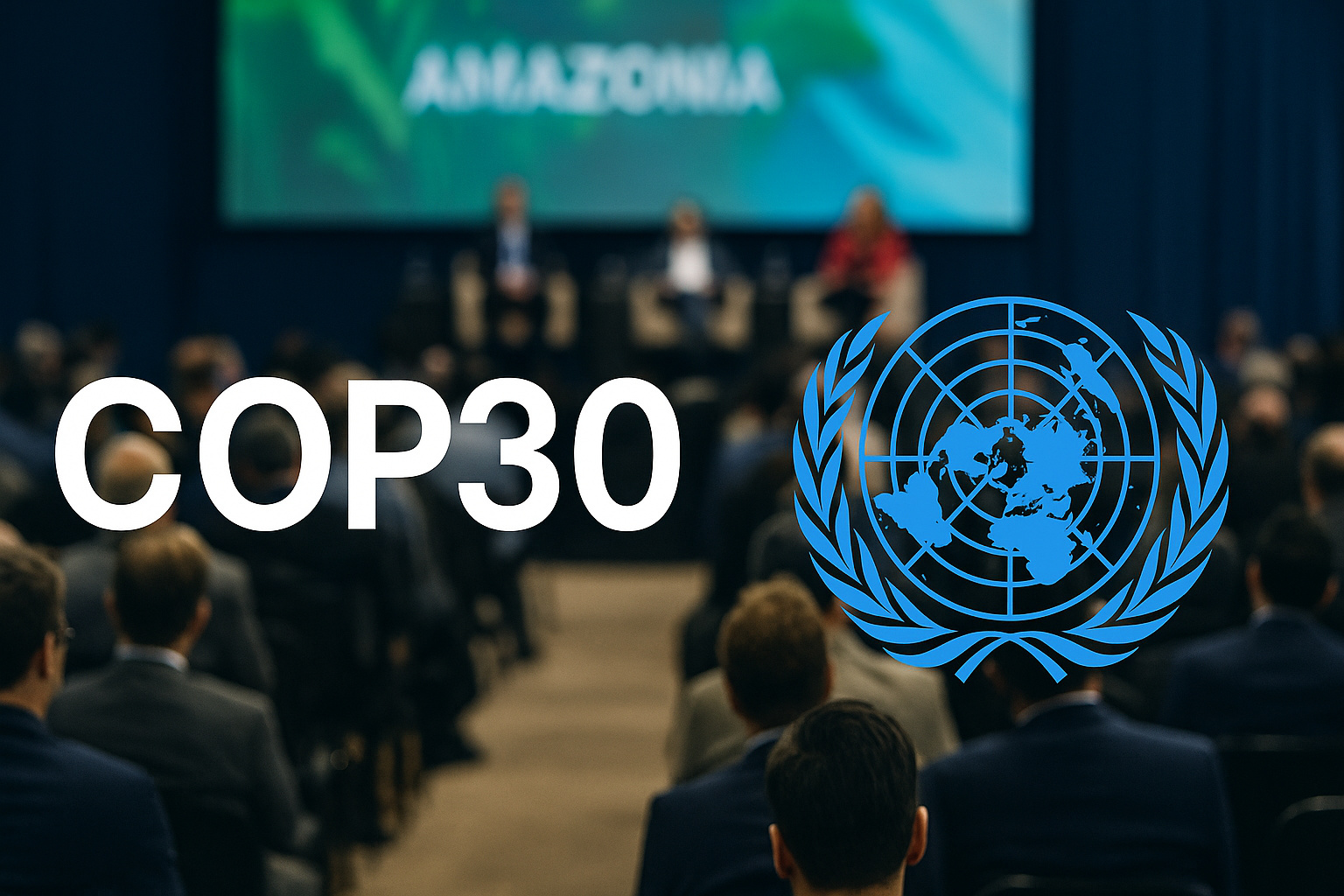
UN Withdraws Fossil Fuel Agenda at COP30 After Document Changes, Worsening Crisis in Climate Negotiations.
COP30: UN Shocks by Withdrawing Proposal on Phasing Out Fossil Fuels in New Draft
The UN withdrew any plans to phase out fossil fuels from the new draft negotiation released this Friday (21), according to an official document from the summit.
The change, which involves delegations from dozens of countries gathered at the COP30 in Brazil, was made by the UN itself after intense internal pressure.
The new version of the text shows a decisive document alteration, as it completely removes the agendas that addressed the energy transition. This decision comes just as countries are trying to decide how, when, and why to commit to stricter climate commitments.
-
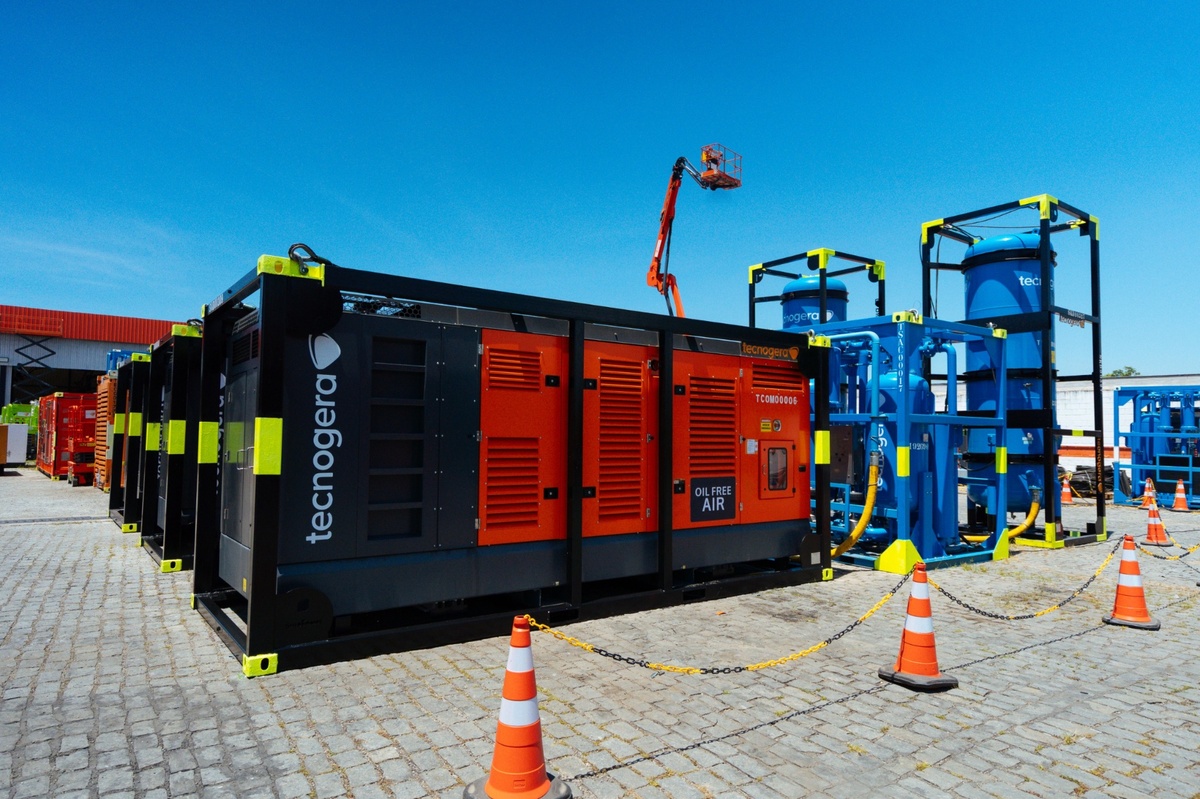
Offshore industrial demand in Macaé skyrockets with the recovery of oil and gas and could grow by up to 396% by 2026 in the Campos Basin.
-
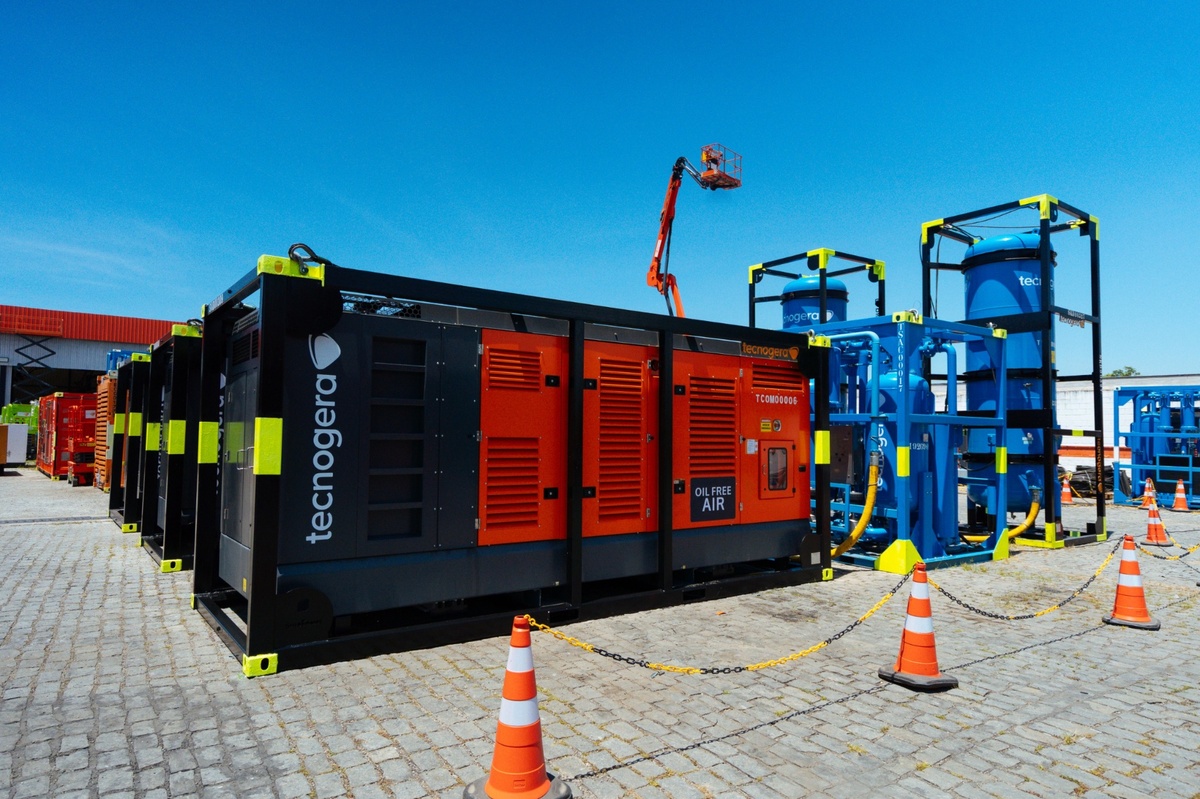
Offshore industrial demand in Macaé surges with the recovery of oil and gas and could grow by up to 396% by 2026 in the Campos Basin.
-
Brazilian giant expands borders in the Southeast: Petrobras confirms new oil discovery in ultra-deep waters in the pre-salt of the Campos Basin.

-
Alert in the global energy market: Severe tropical cyclone hits the coast and disrupts gas production at major plants in Australia, threatening global supply.


The removal surprised negotiators because, just a few days ago, the draft included alternative wording on the gradual phase-out of fossil fuels. However, the sudden exclusion alters the course of negotiations and heightens the atmosphere of tension at COP30.
UN Surprises by Making Document Changes Amid COP30
The change occurs at a sensitive moment, as several delegations advocated for the creation of an official roadmap to reduce the use of fossil fuels. Thus, the text would serve as a guide for countries to fulfill the promise made at COP28.
On the other hand, the UN decided to publish a new draft without any reference to the topic, removing all the wording options presented earlier in the week. Therefore, the current document no longer mentions the phase-out — the technical term used to indicate the gradual elimination of fossil fuels.
Withdrawal of Agendas Reveals Deep Division Among Countries
The internal dispute became evident. On one side, vulnerable countries and European powers advocate for a swift transition. On the other, major oil producers and fossil fuel-dependent nations resist any additional commitments.
Meanwhile, the removal of agendas on fossil fuels deepens the sense of stalemate, as many negotiators consider the topic central to global progress. Furthermore, the decision fuels criticism from environmental organizations, which see it as a setback in the process.
First Draft Contained Alternatives — Now Erased
The initial version presented three scenarios:
- Gradual reduction of fossil fuels.
- Total elimination by mid-century.
- Neutral language that only “recognized the need” for transition.
However, all these options have been eliminated. The UN’s new draft presents total silence on the subject, which, according to experts, weakens the political power of COP30.
The central phrase of the original document remains as a historical reference:
“The attempt to secure an agreement on how to phase out fossil fuels has been discarded from the latest COP30 climate action proposal.”
UN States Negotiations Continue, But Decision Causes Friction
The organization signals that the text may still undergo adjustments, as it needs consensus to move forward. Therefore, even after the withdrawal, delegations continue to negotiate in an attempt to reintroduce the topic.
Additionally, experienced diplomats state that it is common for interim documents to undergo radical cuts. However, many assess that the complete removal undermines the climate discourse of COP30.
COP30 Faces Risk of Losing Political Authority
With the exclusion of references to fossil fuels, COP30 risks going down in history as a conference marked by paralysis. Thus, environmental leaders warn that international pressure is set to increase in the coming days.
Finally, the discussion about fossil fuels returns to the center of public debate, as the UN document opens space for new diplomatic crises and questions about the real commitment of countries to climate action.









-

Uma pessoa reagiu a isso.