





 English
  Francês
  Alemão
  Italiano
  Japonês
  Norueguês
  Portuguese
  Spanish
 6 min of reading
  0 comments


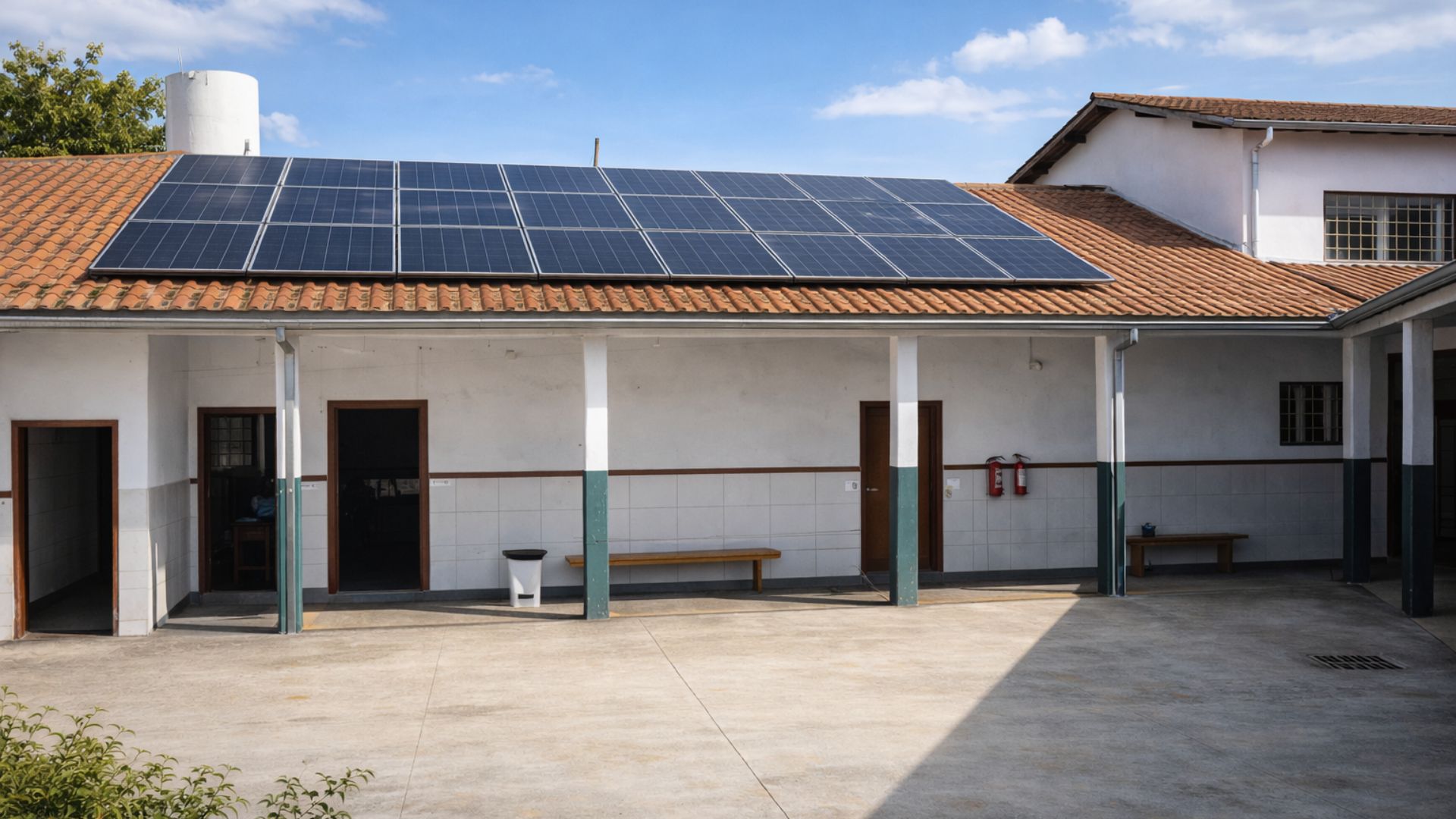
Copel invests in solar energy in Paraná and modernizes public schools with cost reduction, more efficient equipment, and improvements in the learning environment, strengthening sustainability and the quality of education in the state
The installation of solar energy systems in public schools in Paraná, led by Copel, is already underway and marks an important advance in the modernization of educational infrastructure. According to a publication from the Government of Paraná, the initiative is part of the Energy Efficiency Program (PEE) and plans a total investment of R$ 23 million to benefit 200 educational institutions in different regions of the state.
Right from the early stages, the results begin to show. The reduction in electricity costs, combined with the replacement of old equipment, promises not only to ease the schools’ budgets but also to improve the learning environment. This allows managers to have more freedom to invest directly in pedagogical improvements.
In addition to the economic impact, the project also stands out for its sustainable nature. By integrating renewable sources into the school routine, the proposal broadens the debate on conscious consumption and contributes to the formation of students who are more aware of environmental issues.
-
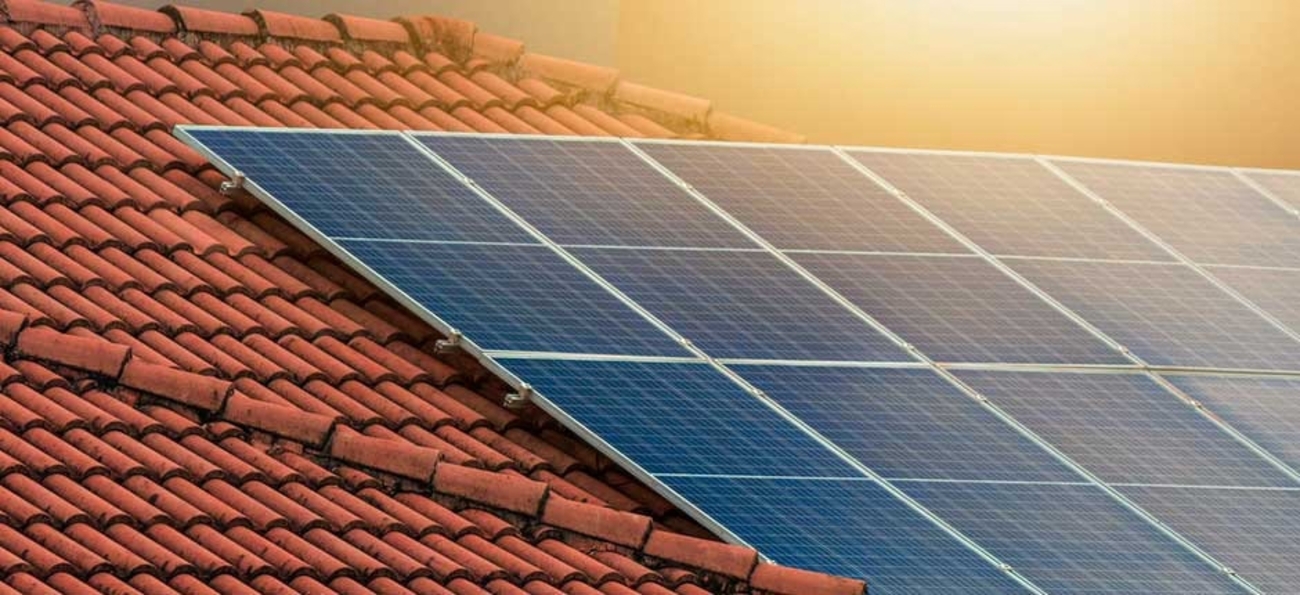
Roraima bets on the sun to escape high tariffs: Amid the energy crisis and price hikes, solar energy is growing in Roraima and transforming consumption in the North region.
-
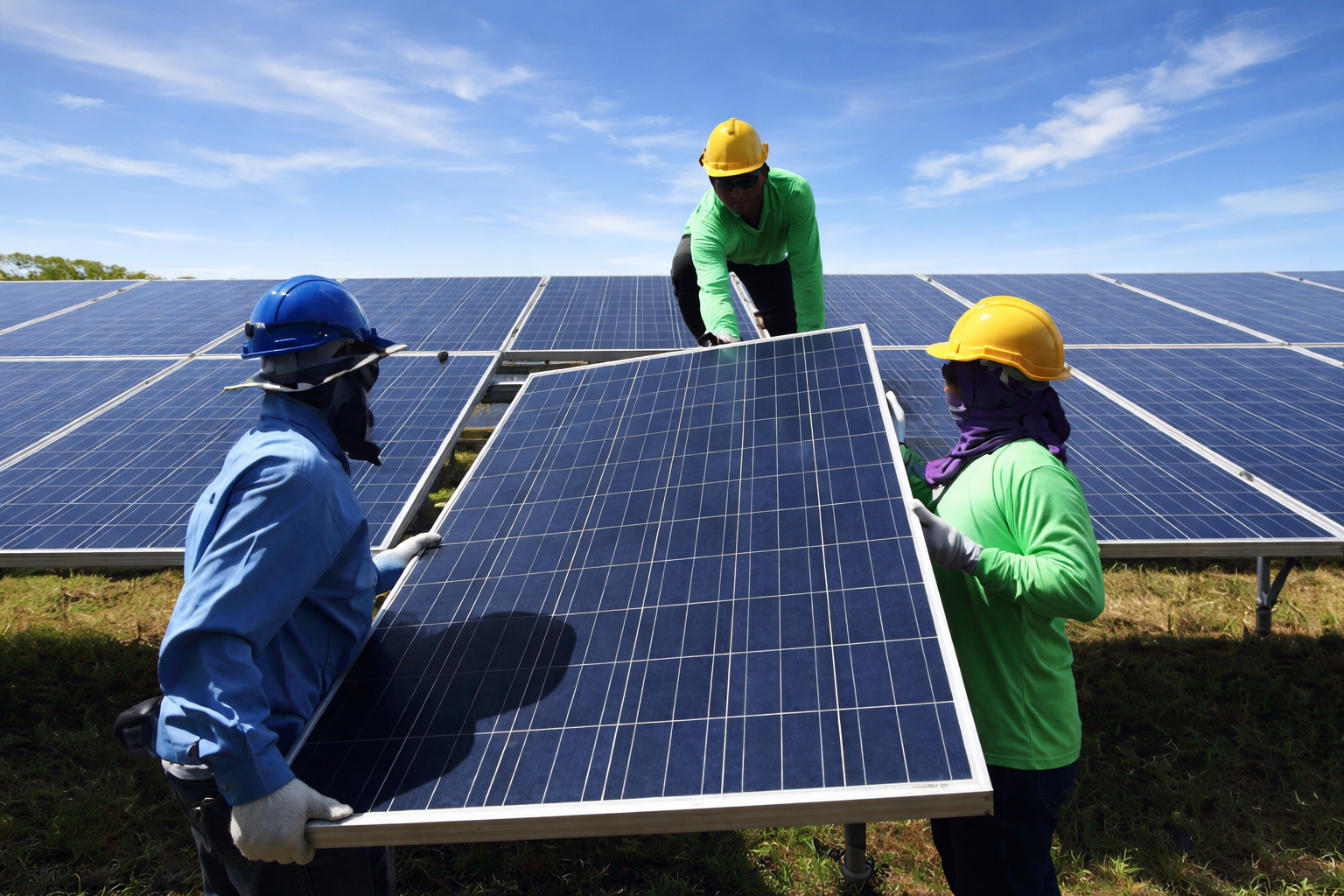
Brazil reaches historic milestone in solar energy: Sector surpasses 2 million accumulated green jobs and generates billions in the national economy even under market pressure.
-
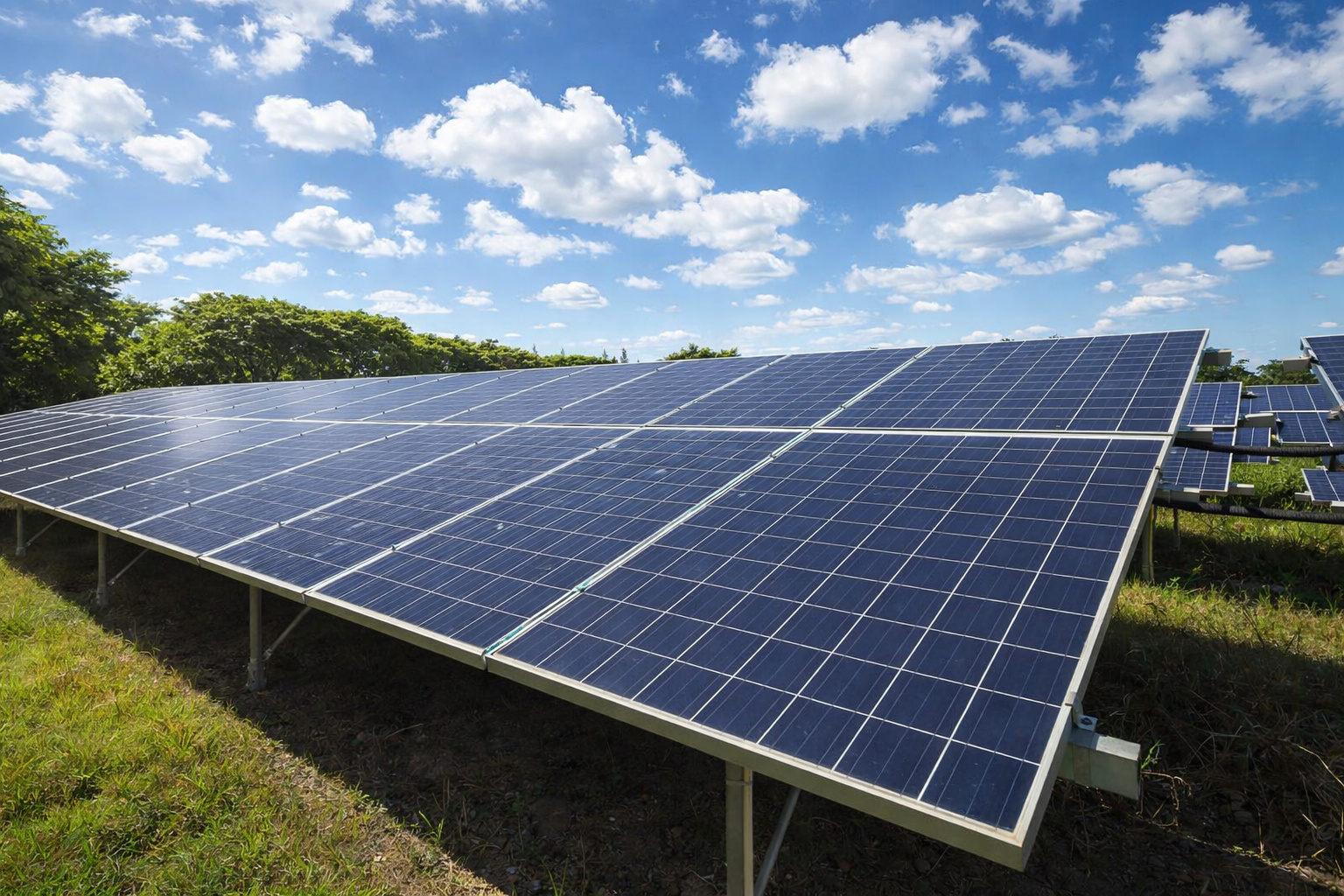
Minas Gerais takes the lead in renewable energy: State surpasses historic mark of 14 GW in solar energy generation in MG and consolidates dominance in the Brazilian electric sector.
-
Minas Gerais transforms solar energy into an economic engine by reaching an unprecedented level, generating jobs, attracting investments, and consolidating national leadership in the production of sustainable clean energy.
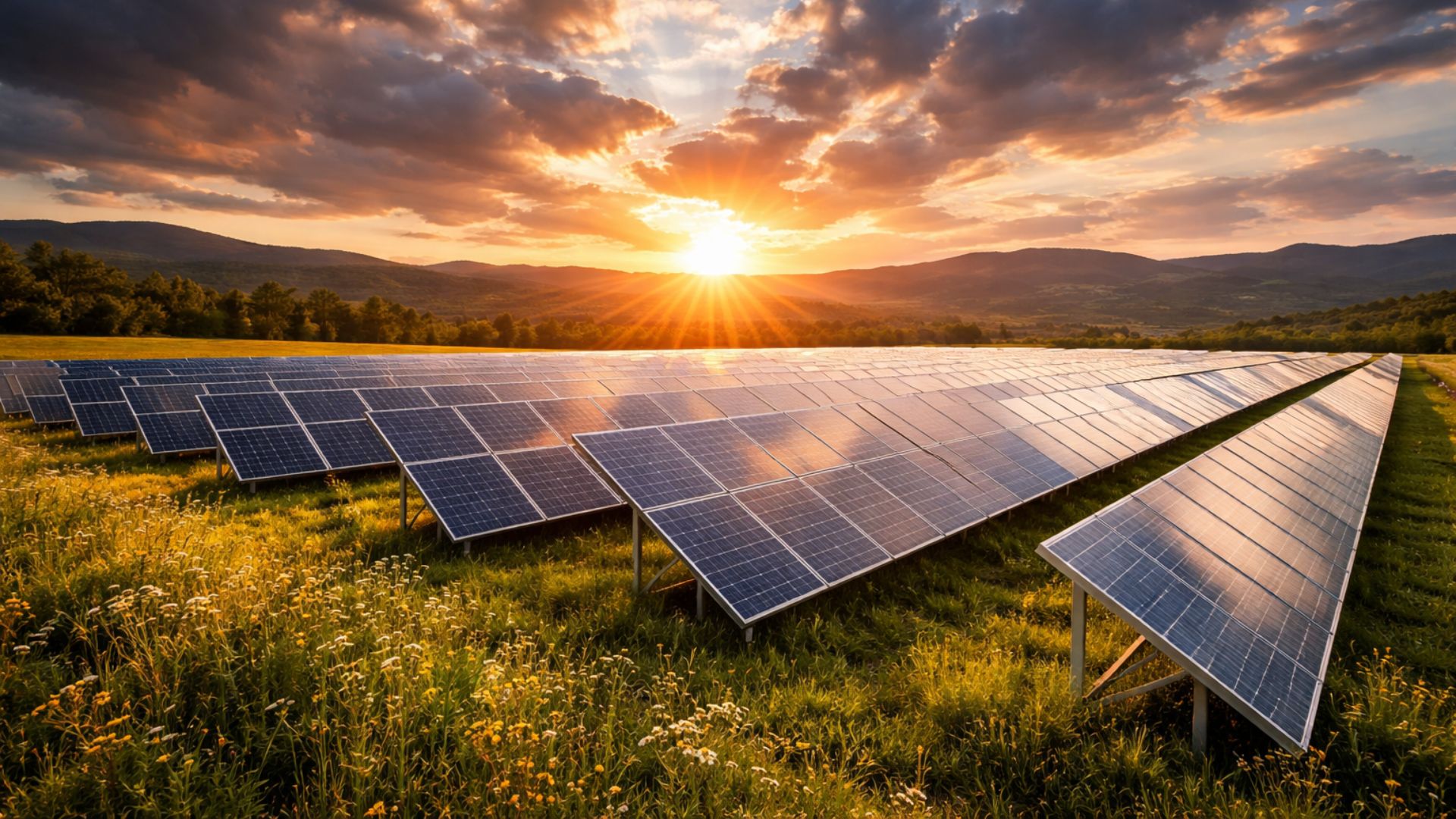

Copel expands solar energy in Paraná and modernizes public schools with efficiency
The actions of Copel in advancing solar energy in Paraná involve a broad set of structural improvements in public schools. In total, 155 institutions will receive their own photovoltaic generation systems, while another 45 will be exclusively benefited by the replacement of electrical equipment.
This division occurs due to structural limitations in some units, which prevent the installation of solar panels. Nevertheless, all participating schools undergo some type of modernization, ensuring real gains in energy efficiency.
Among the main actions planned are:
- Installation of 6,467 photovoltaic panels
- Replacement of 246 old refrigerators
- Replacement of 196 air conditioning units
- Modernization of 10,540 light bulbs
These measures directly contribute to reducing energy consumption and improving the performance of electrical installations in schools.
Solar energy in public schools in Paraná reduces costs and improves the school environment
The adoption of solar energy in public schools in Paraná has a direct impact on the functioning of the units. With their own energy generation, schools become less dependent on the conventional electrical grid, resulting in significant savings on electricity bills.
This financial relief allows the saved resources to be directed towards essential areas, such as the acquisition of teaching materials, building maintenance, and educational projects. In a scenario of limited budgets, this change makes a difference in the daily life of institutions.
Moreover, the replacement of old equipment improves thermal comfort and lighting in school spaces. More suitable environments favor student concentration and performance in the classroom.


Initial implementation in Paraná brings solar energy to public schools in the Northwest
The first phase of the Copel project has already begun to take shape, with the implementation of solar energy systems in public schools in the Northwest region of Paraná. Eight institutions are already receiving improvements, distributed across municipalities such as Perobal, Esperança Nova, Alto Piquiri, São Jorge do Patrocínio, Cafezal do Sul, and Brasilândia do Sul.
Among the schools included are units such as Ana Neri, Pequeno Príncipe, Arthur da Costa e Silva, João XXIII, Petrônio Portela, João Batista de Melo, Tiradentes, and Criança Feliz.
The selection of these institutions followed technical criteria defined by the program, prioritizing locations with the greatest potential for social and energy impact. This direction aims to ensure that investments bring concrete benefits to the communities served.
Public schools gain prominence in environmental education with solar energy
The presence of solar energy in public schools transforms the educational environment into a space for practical learning about sustainability. More than just reducing costs, Copel‘s project creates opportunities for students to understand, in practice, how renewable energies work.
School managers highlight that the initiative strengthens environmental education and broadens students’ awareness of the responsible use of natural resources. Direct contact with the technology stimulates curiosity and interest in topics related to science and the environment.
Among the main pedagogical benefits observed are:
- Greater student engagement in environmental topics
- Integration between theory and practice in teaching
- Development of sustainable awareness
- Encouragement of social responsibility
This type of approach contributes to forming citizens better prepared for the challenges of the future.

Copel strengthens sustainability and energy efficiency in Paraná with support from Aneel
The advancement of solar energy in public schools in Paraná is directly linked to the Energy Efficiency Program, regulated by the National Electric Energy Agency (Aneel). The initiative seeks to promote conscious energy use and reduce waste in different sectors of the economy.
In the case of schools, the impact is even more relevant, as it combines financial savings with educational and social benefits. The modernization of electrical equipment, combined with the generation of clean energy, creates an efficient and sustainable model.
According to Copel itself, the proposal is to transform energy consumption into an innovation tool, capable of improving the quality of public services and generating lasting results.
Savings generated by solar energy strengthen investments in public schools
The reduction in electricity expenses is one of the main gains of Copel‘s project. With the implementation of solar energy, public schools in Paraná begin to save resources that can be reinvested directly in education.
School directors already benefited highlight that these savings create room for important improvements, such as structural renovations, acquisition of equipment, and development of pedagogical projects.
Moreover, the initiative has a positive impact on the entire school community. Teachers, students, and staff benefit from a more comfortable and suitable environment for learning.
Expansion of solar energy in Paraná should reach more public schools by 2027
The Copel project is expected to continue in the coming years, with the goal of completing all works by 2027. The expectation is to further expand the use of solar energy in public schools in Paraná, consolidating the state as a reference in energy efficiency in the educational sector.
The selection of participating institutions considered criteria such as the Human Development Index (HDI) of the municipalities, the Basic Education Development Index (Ideb), energy consumption, and the ratio between population and the number of students served.
This planning ensures that resources are applied strategically, prioritizing locations with greater need and potential for transformation.
A sustainable model that transforms education and prepares for the future
The initiative by Copel to expand solar energy in public schools in Paraná demonstrates how well-structured public policies can generate real and lasting impacts. By uniting economy, innovation, and sustainability, the project goes beyond infrastructure and reaches the educational field.
With an investment of R$ 23 million, installation of 6,467 solar panels, and modernization of thousands of equipment, the program shows that it is possible to turn challenges into opportunities. More than just reducing costs, the action strengthens the quality of education and promotes a culture of environmental responsibility.
By incorporating sustainability into the school routine, Paraná takes an important step towards a more efficient, conscious future, prepared for the energy and environmental demands of future generations.








Seja o primeiro a reagir!