





 Portuguese
  English
  Spanish
  4 min of reading
  0 comments


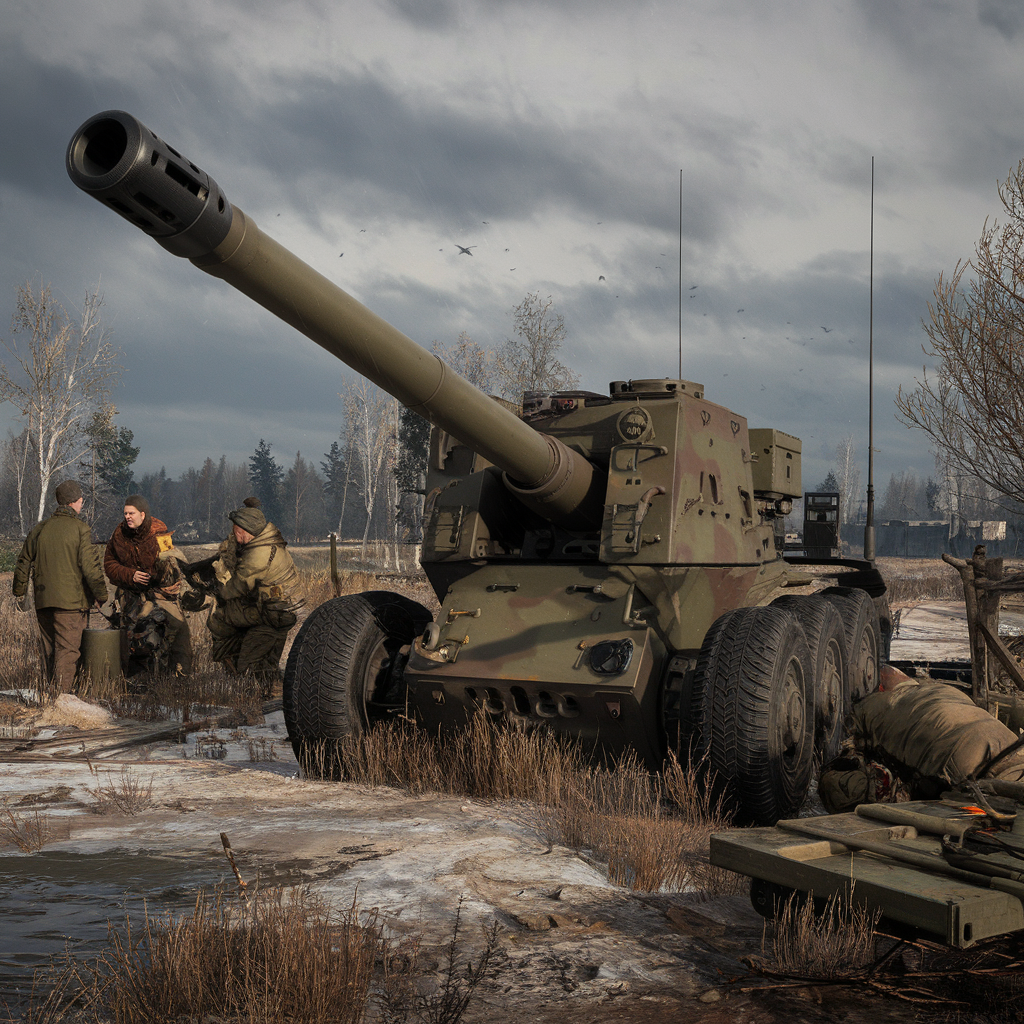
North Korea Sends To Russia The Feared M1989 Koksan, A Howitzer With Range Of Up To 60 Km. This Reinforcement Could Change The Course Of The War In Ukraine, But Faces Logistical Challenges And Precision Attacks From Ukrainian Forces.
A powerful arsenal that has been a key player in historical conflicts may be changing hands to alter the course of the war in Ukraine.
Enigmatic images, posted on social media, show something that seems to confirm a new military partnership between two countries that defy international sanctions and alert the global community.
The Delivery Of North Korean Artillery And The Russian Shortages
According to analyses shared on social media and by experts, units of the M1989 Koksan, a North Korean self-propelled artillery system, may be on their way to the front lines in Ukraine.
-
The U.S. Army receives the first Black Hawk helicopter that can fly without pilots, be controlled by a tablet, and even land on its own during high-risk missions.

-
With 11,000 tons and sensors capable of hunting submarines at long distances, the Type 055 has become one of the most feared floating arsenals of the Chinese navy.

-
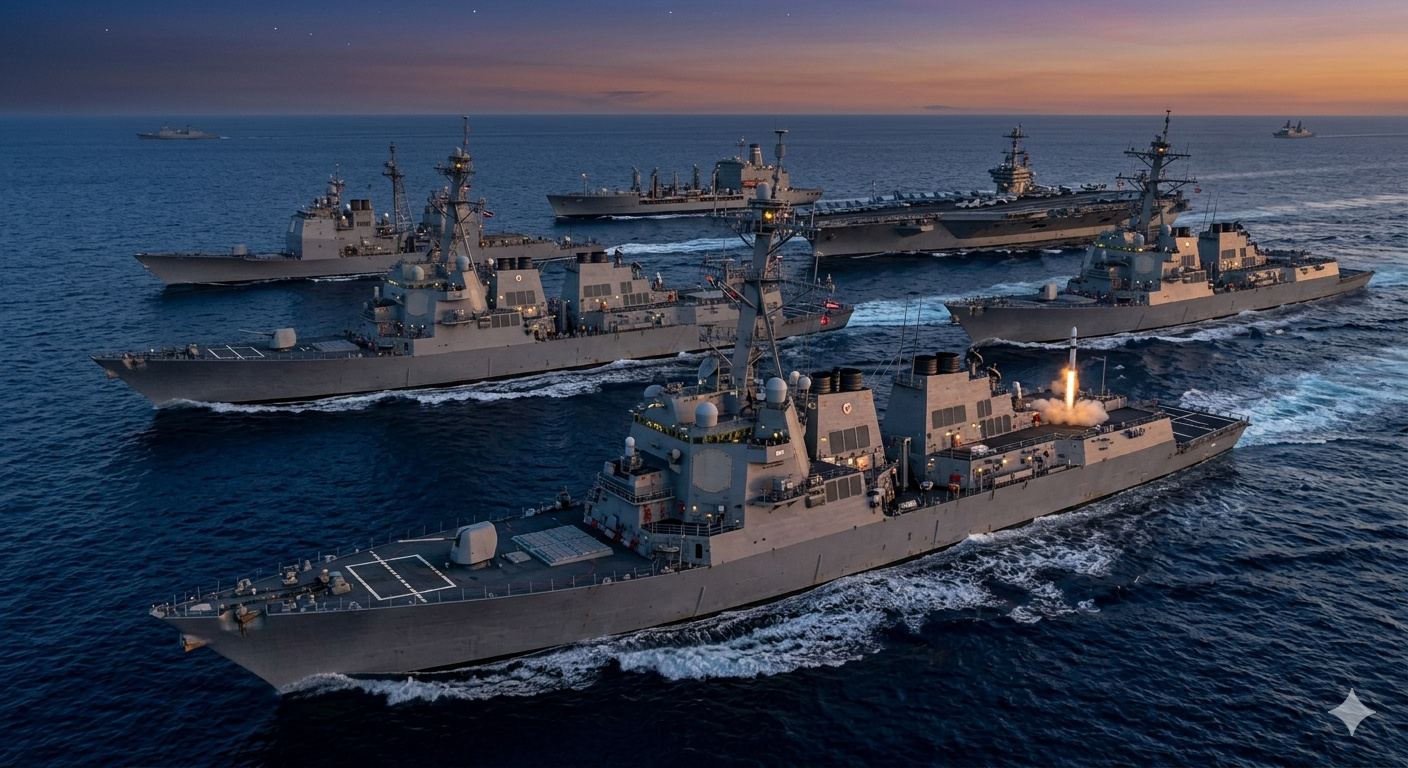
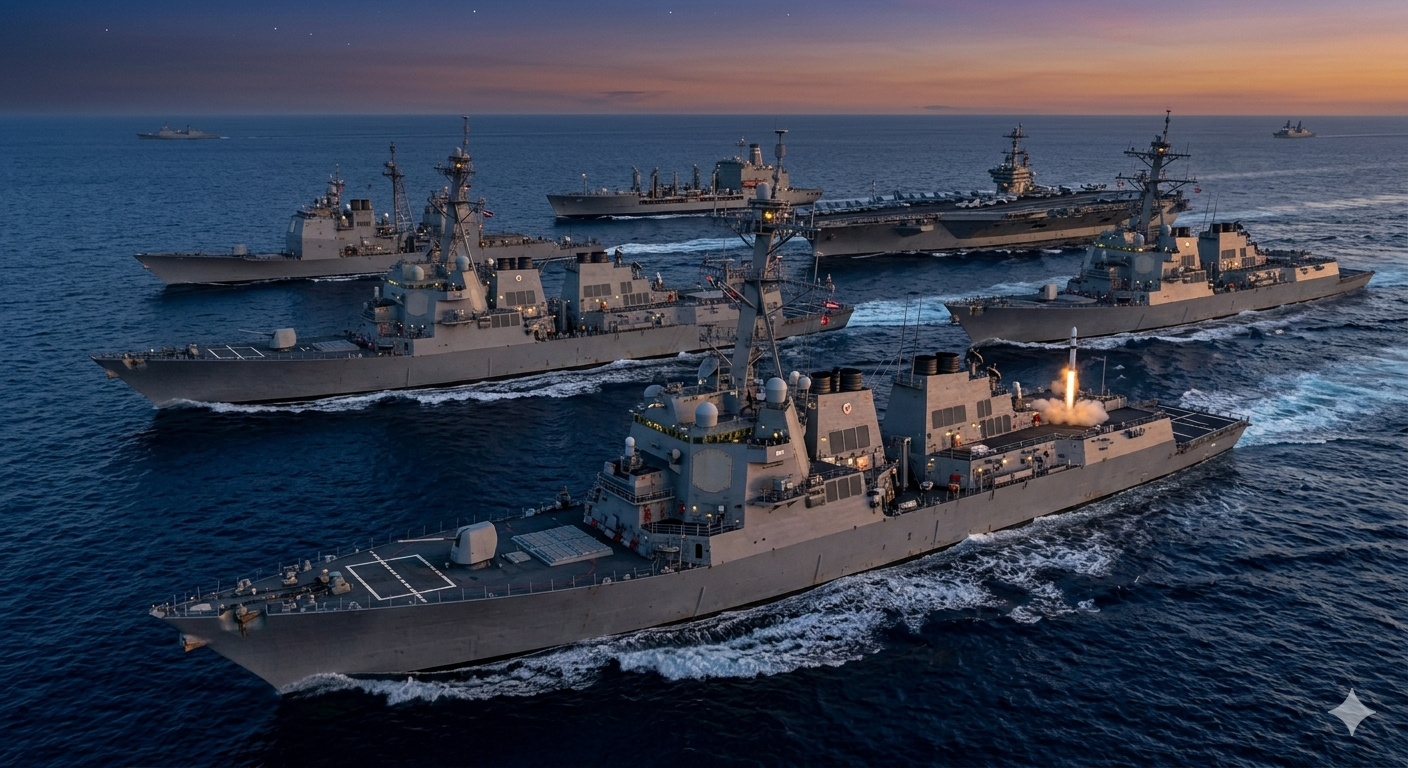
With over 15,000 tons, radars capable of tracking hundreds of targets simultaneously, and more than 120 missiles ready for launch in seconds, modern destroyers cease to be escorts and begin to dominate the naval battlefield.
-
With over 15,000 tons, radars capable of tracking hundreds of targets simultaneously, and more than 120 missiles ready for launch in seconds, modern destroyers cease to be escorts and begin to dominate the naval battlefield.

Photos released by Russian and Ukrainian sources, such as the profile @Archer83Able on the X platform (formerly Twitter), indicate the presence of these weapons in Krasnoyarsk, central Russia.
This movement indicates an intensification of the military partnership between Moscow and Pyongyang. According to experts, this is a response to the significant loss of long-range artillery equipment by Russia, such as the 2S7 Pion howitzers, during the conflict with Ukraine.
The Capabilities Of The M1989 Koksan
The M1989 Koksan is one of the most powerful artillery systems in North Korea. Equipped with a 170 mm gun, it can hit targets up to 60 km away using rocket-assisted munitions.
This capability offers Russia a strategic alternative in light of the difficulties in replenishing its traditional systems.
With a closed cabin for crew protection and a robust structure, the M1989 can store up to 12 shells, correcting one of the main limitations of its predecessor model, the M1978.
However, its size and weight compromise mobility in rugged terrain, and its rate of fire is considered low – about one shot every five minutes.
A Strategic Reinforcement For Moscow?
The entry of the M1989 into the Russian arsenal could temporarily balance the significant losses of systems like the 2S7 Pion.
It is estimated that out of a total of 75 units, about 30 have been destroyed or severely damaged in the war against Ukraine. This scenario not only undermines Russia’s long-range attack capabilities but also puts pressure on its ammunition supply chain.
Despite its power, the 170 mm caliber of the Koksan is unusual in modern artillery, which means that Russia will directly depend on North Korea for ammunition supply.
This could pose significant logistical challenges, complicating the integration of the system into military operations.
The Combat Experience Of The Koksan
The M1989 Koksan has already demonstrated its effectiveness in past conflicts, such as the Iran-Iraq War (1980-1988), where it played a crucial role in counter-battery missions.
In the current context, the Koksan offers Russia a possibility to rival the long-range artillery systems provided to Ukraine by NATO countries.
However, even with these advantages, Russian artillery faces serious threats. Equipment such as drones and counter-battery radars supplied by Ukraine’s Western allies have proven extremely effective in neutralizing heavy artillery pieces.
If the Koksans are indeed integrated into Russian forces in Ukraine, it will be essential to adopt camouflage and protection strategies to minimize losses.
What Pyongyang Gains From It?
For North Korea, this cooperation with Russia represents a rare opportunity to strengthen ties with a military power and possibly gain economic and technological benefits.
However, the transfer of arms could violate sanctions imposed by the United Nations, leading to an intensification of sanctions against North Korean logistical networks.
Additionally, Pyongyang seeks to reinforce its geopolitical influence by supplying weapons that could tip the balance in a conflict of global importance while sending a clear message about its military capabilities.
The Global Impact Of The Russia-North Korea Alliance
While the arrival of the M1989 Koksan may alleviate some of Russia’s difficulties on the battlefield, this military cooperation carries risks.
The intensification of artillery attacks, the expansion of war, and the increasing mutual dependence between Moscow and Pyongyang could generate significant international repercussions.
On the other hand, the shipment of these weapons reignites questions about Russia’s fragility in maintaining military self-sufficiency and about sanctions as a containment tool.
Can North Korean artillery Turn The Tide For Russia, Or Will It Be Just A Temporary Effort In The Face Of NATO’s Technological Superiority?







Seja o primeiro a reagir!