





 Portuguese
  English
  Spanish
 5 min of reading
  0 comments


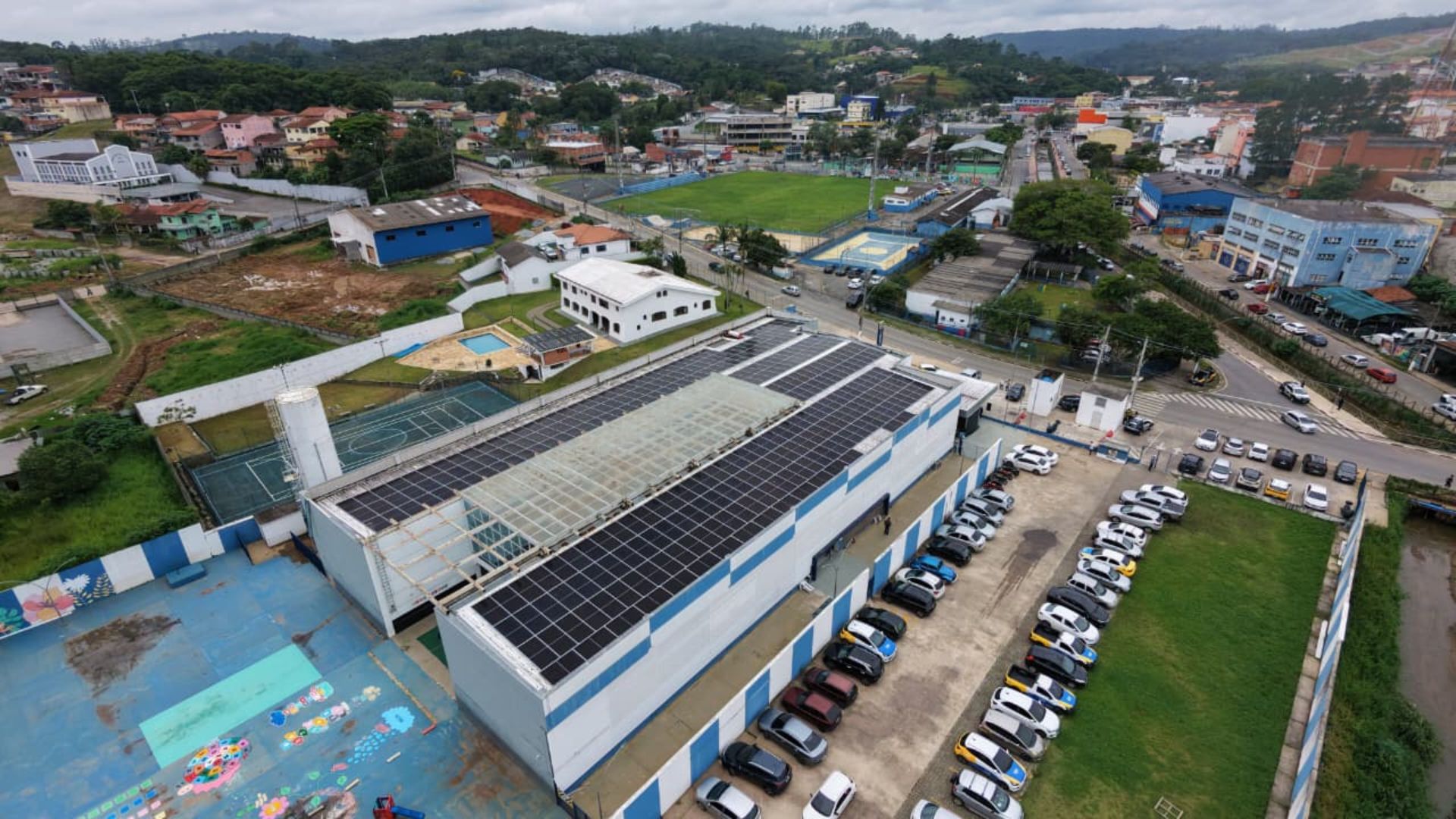
Cotia Starts Up Its First Photovoltaic Solar Power Plant Units and Increases Investment in Clean Energy in Public Management. Project Aims for Savings of Up to R$ 4 Million per Year in Public Coffers
February 9, 2026 marks a significant step for the municipality of Cotia, in the Metropolitan Region of São Paulo. On this date, the first two units of a photovoltaic solar power plant were put into operation in the District of Caucaia do Alto, at the Benedicta Stefano Antunes de Oliveira Educational Center.
According to a publication made by the Cotia city hall, the initiative represents a concrete advancement in the adoption of clean energy, expected to generate up to R$ 4 million per year in savings for public coffers when all 23 planned units are operational.
Cotia and the Photovoltaic Solar Power Plant in the Metropolitan Region
In the initial phase of the project, 428 photovoltaic modules were installed, with an estimated average annual generation of approximately 420 thousand kWh. The expectation is for a savings of about R$ 378 thousand per year, a value that is likely to grow with the expansion of new units planned for other public buildings.
-
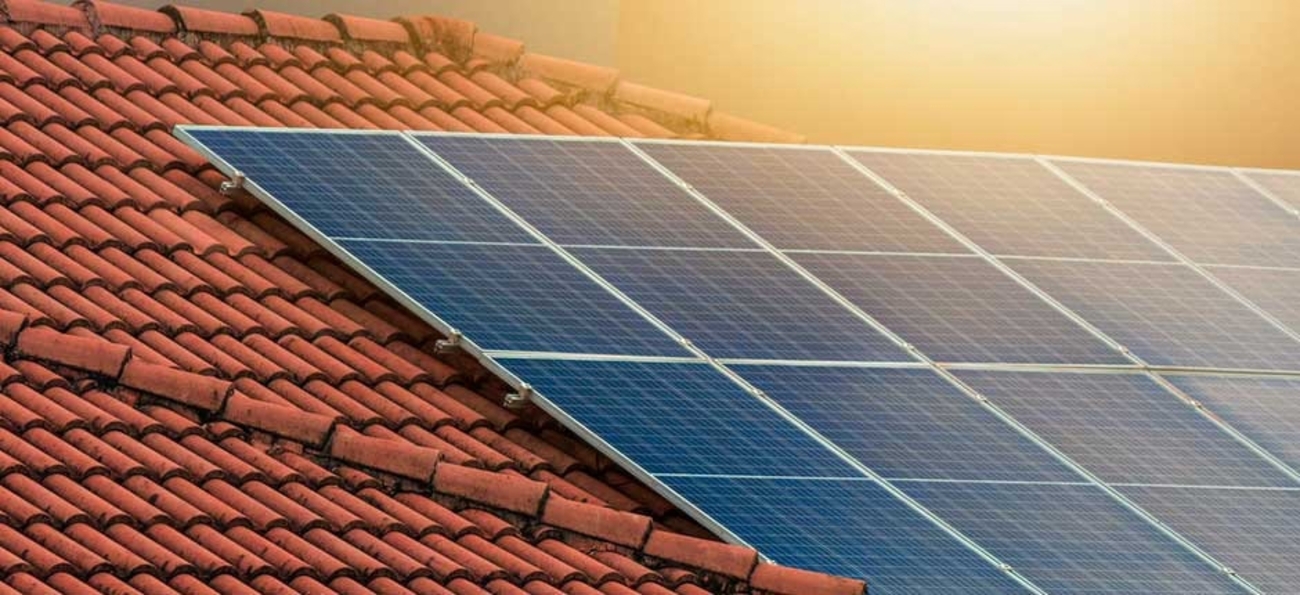
Roraima bets on the sun to escape high tariffs: Amid the energy crisis and price hikes, solar energy is growing in Roraima and transforming consumption in the North region.
-
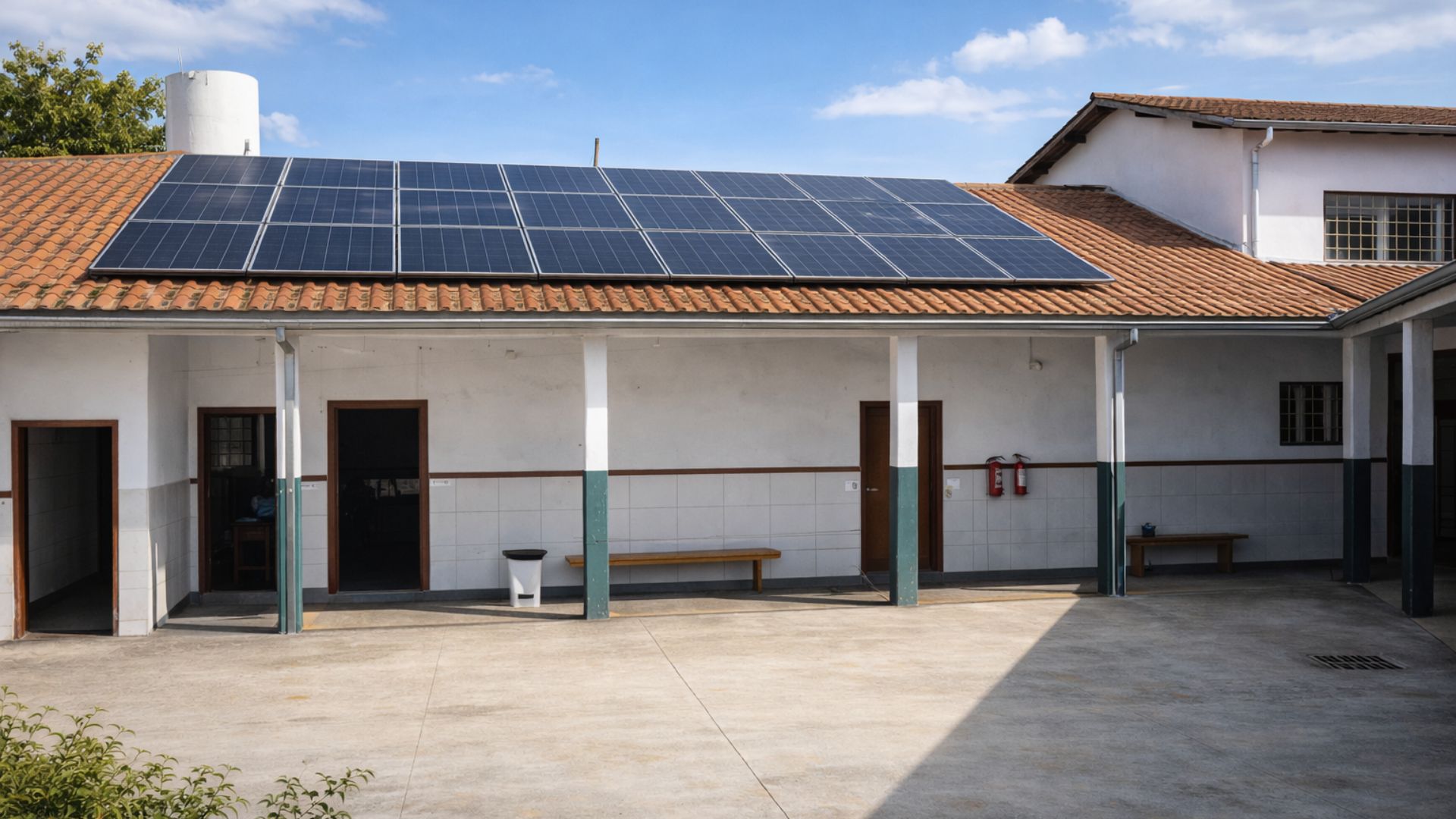
Copel boosts solar energy in Paraná and brings innovation to public schools, promoting savings on electricity bills, energy efficiency, and a direct impact on the quality of education.
-
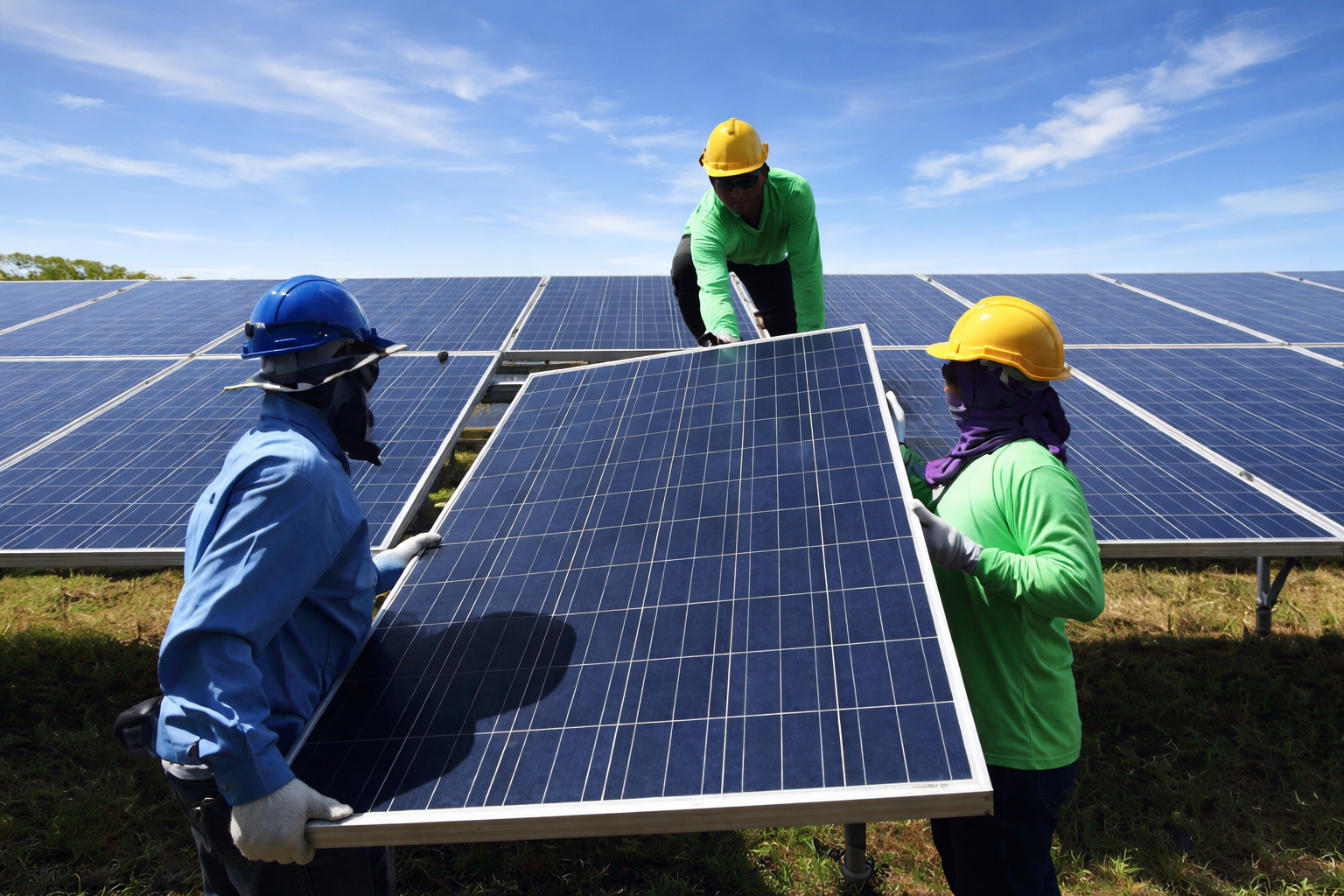
Brazil reaches historic milestone in solar energy: Sector surpasses 2 million accumulated green jobs and generates billions in the national economy even under market pressure.
-
Minas Gerais takes the lead in renewable energy: State surpasses historic mark of 14 GW in solar energy generation in MG and consolidates dominance in the Brazilian electric sector.
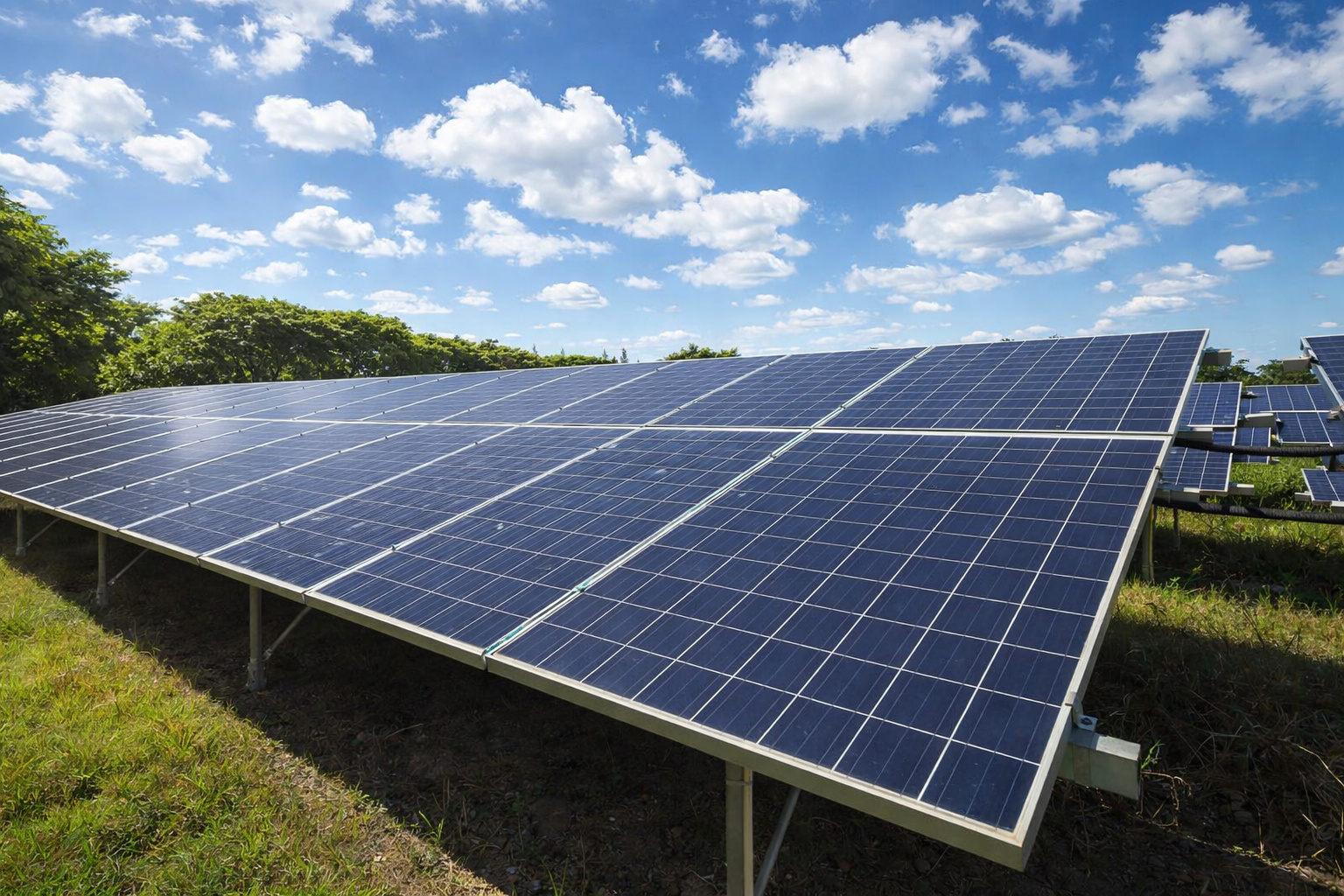

Moreover, the initiative reinforces the national trend of investing in renewable sources to reduce public costs and mitigate environmental impacts. The adopted strategy follows the distributed generation model, regulated by the National Electric Energy Agency (ANEEL), allowing for the compensation of energy credits on the utility’s grid.
The implementation of the photovoltaic solar power plant in Cotia began in the District of Caucaia do Alto, in a strategic public space. The choice of the Benedicta Stefano Antunes de Oliveira Educational Center took into account technical factors such as available area, solar incidence, and adequate infrastructure for the installation of the equipment.
Generating its own energy represents autonomy and a reduction in fixed expenses. Consequently, the municipality reduces its dependence on purchasing energy from the traditional market and gains greater financial predictability.
How the Photovoltaic Solar Power Plant Works and Generates Clean Energy
The photovoltaic solar power plant installed in Cotia operates by converting solar radiation into electricity. The solar panels capture sunlight and generate energy in direct current. This energy then passes through an inverter, a device responsible for transforming it into alternating current, which is the standard used in public buildings, residences, and commercial establishments.
Part of the energy produced is consumed directly in municipal units. When there is excess, it is injected into the local utility’s grid. This surplus turns into energy credits, measured in kilowatt-hours, which are deducted from future bills for the municipality.
This model ensures ongoing savings and efficiency in public management. Furthermore, it strengthens the commitment to the expansion of clean energy, considered one of the main sustainable alternatives in today’s scenario.


Projected Savings and Financial Impact for Cotia
Initially, the first two units of the photovoltaic solar power plant in Cotia are expected to generate an approximate savings of R$ 378 thousand per year. However, the project is not limited to these installations. Another 21 units are planned for different public facilities, including two at the Arakan daycare and two at the Sports Gym.
The municipal administration aims for all 23 units to be operational by the end of the year. With that, the official estimate points to an annual savings of around R$ 4 million.
The reduction of public costs allows for the redirection of resources to essential areas. Health, education, and infrastructure can benefit from additional investments, strengthening the efficiency of municipal management. Therefore, the impact goes beyond the energy sector and directly affects the quality of public services.
Clean Energy and Sustainability as Management Strategy in Cotia
The adoption of clean energy in Cotia accompanies the significant growth of distributed generation in Brazil. According to updated data from ANEEL, photovoltaic solar energy is the fastest-growing source in the country among distributed generation modalities, driven by technological cost reductions and the pursuit of greater energy autonomy.
By investing in a photovoltaic solar power plant, the municipality adopts a renewable, sustainable, and low-carbon emission source. Although Brazil already has a predominantly renewable energy matrix, diversification with solar energy enhances energy security and reduces risks associated with drought periods affecting hydroelectric reservoirs.
Diversifying the energy matrix is a strategic decision. Additionally, adopting solar energy reinforces public policies aligned with global sustainability and emissions reduction goals.

Cotia Strengthens Environmental Education with Photovoltaic Solar Power Plant
The initial installation in the school environment broadens the project’s reach. The presence of the photovoltaic solar power plant in Cotia within an educational unit allows students to closely observe how clean energy generation works.
This direct contact contributes to environmental awareness and the formation of citizens more attentive to the responsible consumption of natural resources. At the same time, the project reinforces the importance of technological innovation in the public sector.
The school transforms into a space for sustainable learning. Thus, the impact of the investment transcends the financial sphere and reaches the social and educational dimensions.
Expansion of the Photovoltaic Solar Power Plant and Consolidation of the Municipal Economy
With the expectation of 23 units in operation, the photovoltaic solar power plant in Cotia aims to establish a new standard in municipal energy management. The expected annual savings of R$ 4 million represents a significant milestone in the city’s budget planning.
In addition to reducing expenses, the stability in energy costs provides greater financial predictability. This is especially important in scenarios of tariff fluctuations and energy flag applications.
Efficient energy planning generates lasting results. Therefore, the strategy adopted by Cotia can serve as a reference for other municipalities in the Metropolitan Region of São Paulo.
A New Management Model with Savings and Clean Energy in Cotia
The inauguration of the photovoltaic solar power plant in Cotia on February 9, 2026, symbolizes more than the activation of solar panels. It represents the consolidation of a public management model that integrates savings, environmental responsibility, and technological innovation.
The forecast of up to R$ 4 million in annual savings reinforces the transformative potential of the initiative. At the same time, the expansion of clean energy strengthens the municipal institutional image and broadens its contribution to sustainable practices.
Cotia demonstrates that it is possible to reduce costs and advance sustainability at the same time. Thus, the municipality positions itself as an example of efficient administration, capable of uniting financial planning and environmental commitment for the benefit of the population.








Seja o primeiro a reagir!