





 Portuguese
  English
  Spanish
  4 min of reading
  11 comments


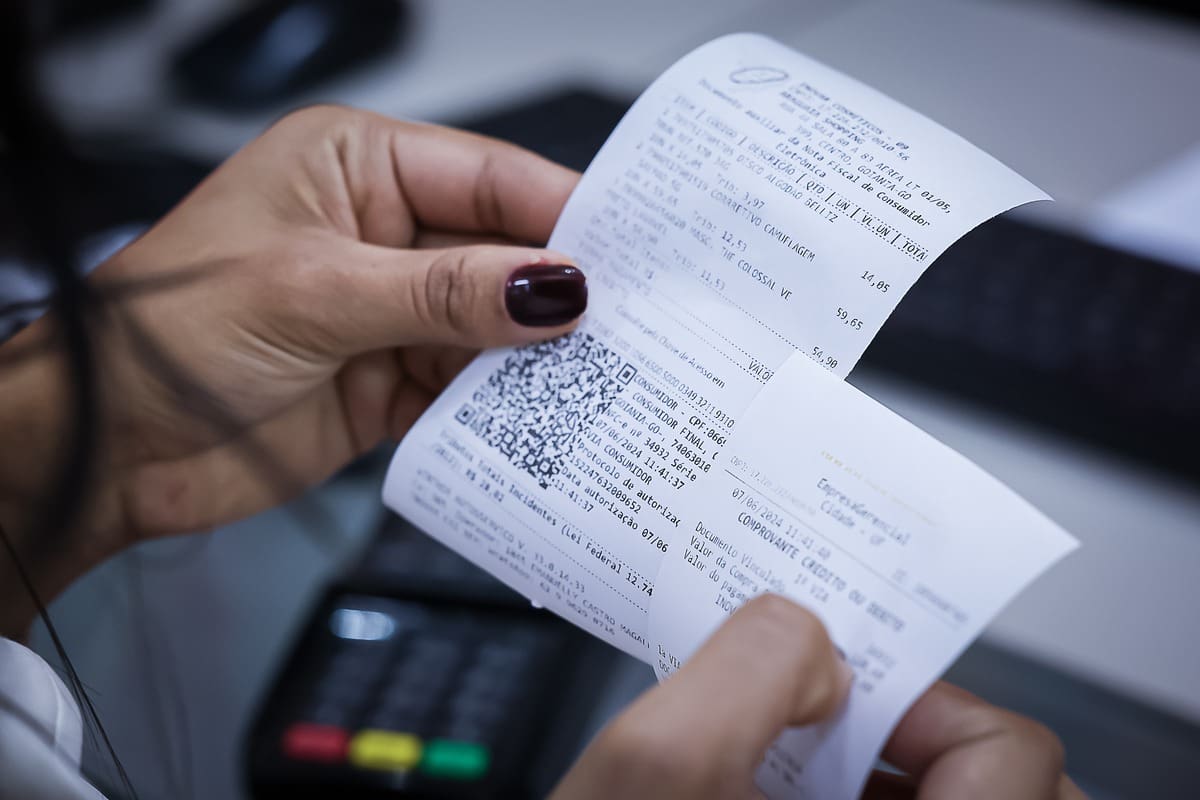


Informing the CPF During Purchases Now Requires Transparency, Formal Consent, and Continuous Oversight Since the Enactment of the LGPD
Providing the CPF at the supermarket checkout is now treated as part of personal data protection in Brazil, with strict rules from the LGPD, new transparency requirements, and changes in how consumers handle their own privacy rights.
The request for a CPF without clear explanations is now considered inappropriate following the enactment of the General Data Protection Law (LGPD) in September 2020, which imposes specific duties on those who collect data and guarantees broad rights to the data owner. In supermarkets, the practice now requires explicit consent, detailing the purposes, and the possibility of deletion whenever there is inappropriate use.
Rules on CPF Collection and Use
The supermarkets’ change in approach is directly based on the LGPD, which considers the CPF as personal data subject to specific purpose and informed consent. According to consolidated interpretations since the law came into effect, inappropriate use of the data is now categorized as a violation.
-
The Senate approves a bill that criminalizes misogyny, hatred, or aversion towards women, and includes the crime in the Racism Law with a penalty of up to 5 years.

-
Chamber Approves Bill That Allows Pepper Spray for Women Over 16 and Imposes Strict Rules for Purchase, Possession, and Use as Self-Defense

-
Chamber Approves Law to Combat Leucaena, Fast-Growing Plant That Dominates Land and Threatens Native Species in Various Regions of the Country

-
Asset Division: Know What Cannot Be Divided in Case of Divorce


Internal codes of loyalty programs dictate that CPF protection applies to any collection for discounts, benefits, or purchase registration. These regulations define when collection is permitted, when consumers must be informed, and in which situations authorization must be renewed with new consent.
In various establishments, this classification removes the store’s freedom to use the CPF for unforeseen purposes, requiring prior explanations and the documentation of the owner’s authorization.
Oversight by the ANPD and Risks of Sanctions
The National Data Protection Authority (ANPD) oversees compliance with the LGPD and can impose fines of up to R$ 50 million for infractions. The authority also establishes obligations for transparency and mechanisms to prevent inappropriate use.
Internal compliance standards reinforce that the CPF cannot be requested without a legitimate purpose and that any inadequate handling may result in administrative penalties. In cases of violation, the establishment may face warnings, corrective measures, and potential blocking of operations related to the data.
Procedures for Data Deletion, Review, and Control
In addition to sanctions, it is common for supermarkets to establish formal procedures for data deletion upon consumer request. Each request entails immediate analysis by the responsible departments.
In some chains, deletion may be linked to internal digital service processes. Internal policies determine, in various cases, deadlines and confirmation steps before the final removal. Consumers, therefore, can demand that the data be erased in cases of misuse.
Situations Where CPF Collection Is Authorized
Data protection regulations provide exceptions when there is a clear and legitimate purpose. Discount programs, issuing invoices, or accumulating benefits may justify CPF collection as long as there is an objective explanation.
In specific situations, establishments may collect data directly, provided they follow transparency protocols and present complete information regarding treatment, storage, and declared purposes.
Third-Party Companies and Shared Responsibility
In some retail sectors, supermarkets hire private companies to perform customer registration processing or manage loyalty programs. According to the LGPD, both the supermarket and the contracted company can be held accountable in cases of inadequate treatment, lack of authorization, or technical security failures.
Internal governance standards require that any company involved in CPF processing fully comply with the LGPD and ensure protection at all stages.
Legal Justifications According to Responsible Authorities
The ANPD and the legal departments of large chains state that the increase in restrictions is related to the need to protect consumers from inappropriate uses of the CPF. Internal compliance studies indicate that the data can be used for consumption tracking and therefore requires strict rules.
Privacy plans from different companies emphasize the need to preserve sensitive data and enhance security controls, especially in high-traffic commercial environments.
Legal Understanding of Inadequate CPF Use
Courts recognize the validity of fines and sanctions for irregular data handling whenever there is non-compliance with the LGPD. Public decisions indicate that the infraction notice must describe the inappropriate use, point out the violated rule, and provide evidence of authorship.
In some cases, amounts may be adjusted for proportionality, but decisions recognize the competence of the ANPD to impose sanctions arising from the collection and inappropriate use of the CPF without authorization.
Changes in Consumer Behavior
With the combination of LGPD rules, internal policies, and ANPD oversight, consumers have begun to demand more explanations before providing their CPF. Experts consulted in institutional analyses suggest that this shift alters the perception of data handling by reinforcing that the CPF is part of a set of legally protected information.










Seria muito interessante se metade da multa fosse repassada ao consumidor. Desta forma sim, todos passariam a fiscalizar melhor e denunciar sempre que se sentissem ameaçados
Pois eu coloco em cada centavo que gasto e já ganhei vários prêmios por isso? Mas cadun cadun né
Então se prepare para o LEÃO… tudo que está no CPF É CONSIDERADO RECEITAS…
Eu sempre tenho perrengue com comércio aqui em Cascavel, Pr, ex: farmácias e Lojas roupas e calçados. Muitos desses comércios mencionados, exigem o CPF do cliente, e quando me recuso a fornecer ameaçam que se não colocar CPF não farão troca do produto.
Pede para eles mostrarem onde no CDC está essa informação sobre CPF para troca.