





 English
  Francês
  Alemão
  Italiano
  Japonês
  Norueguês
  Portuguese
  Spanish
 3 min of reading


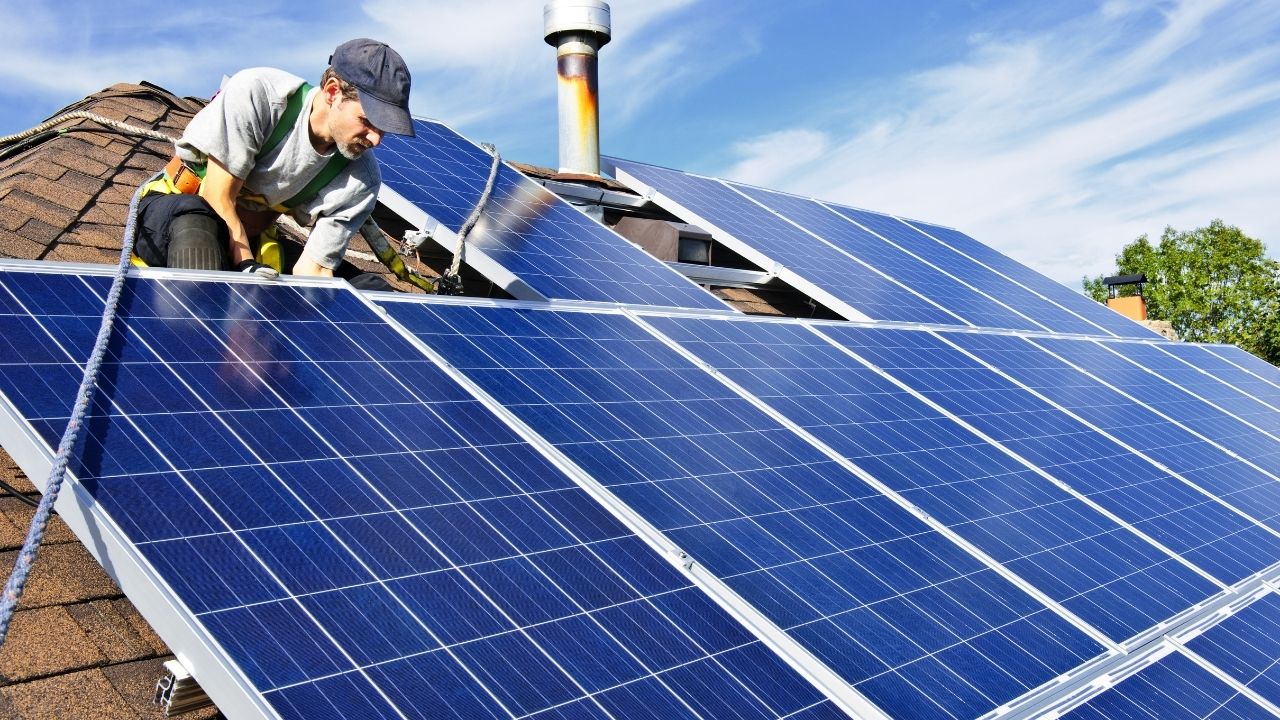
The Use Of Solar Energy Grew By Almost 50% In 2021 And Experts Point To An Even Higher Rate In 2022
The search for renewable energy sources is becoming urgent due to the climate change being felt in various places around the world, including Brazil. According to data from the Electric Energy Trading Chamber (CCEE), energy generation from solar panels increased by 46.6% in the first half of October 2021 compared to previous months. And for 2022, experts project an even greater increase, as since 2020, the annual growth has been 230%. To meet this demand, some companies have been importing solar panels.
The increase in the use of solar energy was due to the depletion of reservoirs in national hydroelectric plants, which raised the electricity tariff in 2021. As there is a policy for credit compensation based on kWh generated by solar panels, many individuals and companies began to invest in solar energy production. For companies, in addition to savings on electricity tariffs, there is the benefit of a more sustainable market positioning, which is viewed favorably by consumers.
Import Report Made By Logcomex Shows That Several Companies Have Benefited From The Reduction In Import Taxes
Logcomex is a company that works with solutions related to foreign trade using Machine Learning and Artificial Intelligence to design analyses. In its report for the first half of 2022, it indicates that solar panels saw an increase in imports, mainly due to the reduction of taxes on this activity. However, imports have become very important in the national scenario as a way to meet demand and achieve negotiable prices.
-
Renewable energy advances over protected areas in Brazil, and a survey by the Energy Transition Observatory reveals silent impacts that challenge environmental conservation and pressure sensitive traditional territories.

-
Rio Grande do Sul accelerates energy transition: State invests in renewable technologies and consolidates decarbonization strategies and pathways to attract billions in new industrial investments.

-
With 160,000 m² of collectors, an area larger than 20 football fields, Silkeborg, in Denmark, hosts a solar thermal plant that heats 19,500 homes and could become the largest solar heating plant in the world.

-
A study reveals the expansion of renewable energy procurement in Brazil and shows how companies are taking advantage of opportunities to reduce expenses, ensure energy efficiency, and strengthen strategic environmental commitments.


According to this report, in the first quarter of 2022, there was a significant import of products, totaling US$ 1.4 billion. This figure reflects a significant growth compared to previous years and places solar panels in 4th place on the list of most imported products in Brazil, whereas in 2021 they occupied 15th position. When compared to the same period last year, we see an increase of US$ 931.8 million in products, representing a rate of 193.12%.
Helmuth Hofstatter, CEO of Logcomex, also states that this growth is justified by the combination of the reduction of import tariffs on products by the federal government and the increased demand for solar energy. However, companies that import solar panels need to comply with the NCM 8541.40.32 and the standards of the Unified Siscomex Portal, follow the Brazilian Labeling Program (PEB), and be certified by Inmetro.
Why Importing Solar Panels Could Be A Great Option?
You might be wondering: if solar panels are sold in Brazil, why import? There are some reasons that can answer this question. The first is that there is a fiscal incentive policy for imports made by the federal government, which has eliminated tariffs on this activity. Therefore, there are various options for prices, sizes, and efficiencies of solar panels available worldwide to choose from.
Moreover, solar energy is an inexhaustible source of energy, unless the sun were to collapse one day, as some theories suggest. Thus, the investment can be recouped in a few years, and then you start to save money through the accumulation of generated energy credits, which deducts from your electricity bill.
Finally, it is worth noting that the growing concern for renewable energy sources has been driving the national market and industries. In this sense, through imports, you can access a wider range of solar panels with great long-term cost-benefit, contributing to a reduction in the use of fossil fuels.







Seja o primeiro a reagir!