





 Português
  Inglês
  Espanhol
  8 min de leitura
  0 comentários


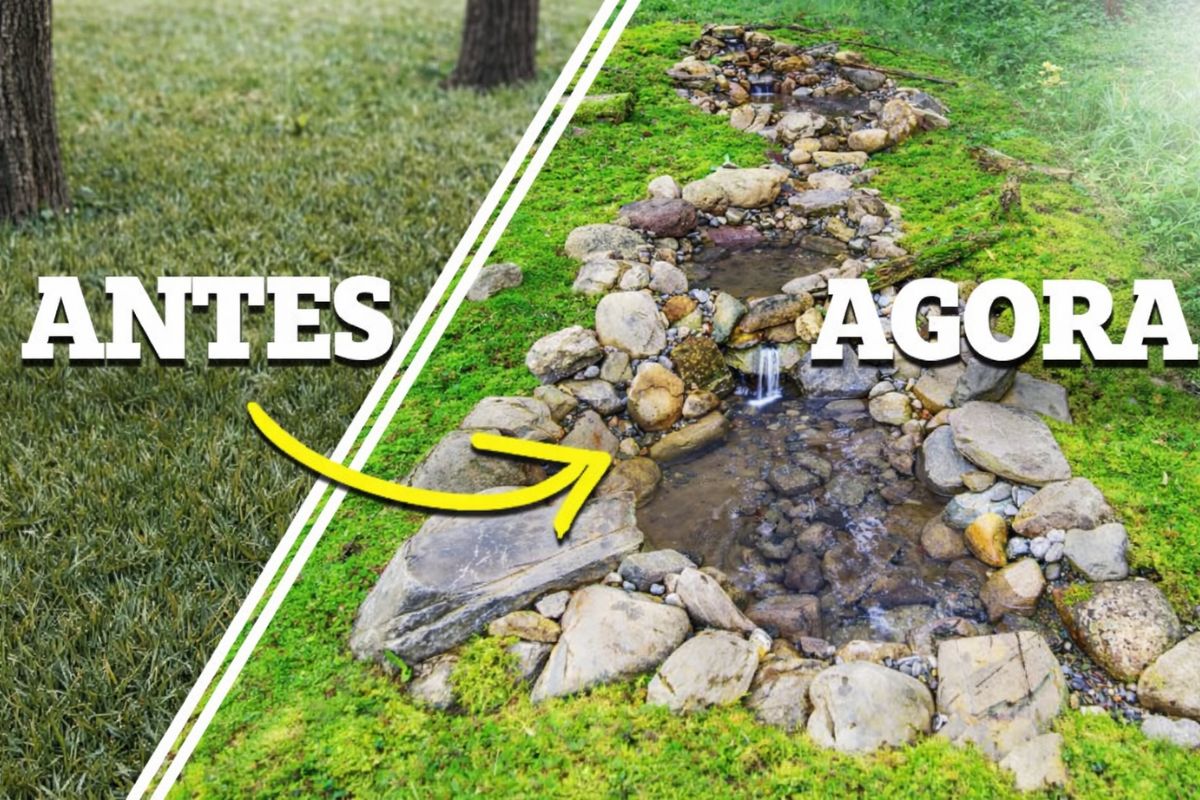
After The Summer Dries Temporary Puddles, A Breeder Set Up A Lake With Waterfalls At The Edge Of The Forest With Tarpaulin, Pump, And Stones. First Came A Simple Drinking Fountain Under An Apple Tree And Then Shallow Pools With Waterfalls. The Improvised Structure Has Already Saved 16 Frogs And Attracts Birds, Opossums, And A Curious Fox.
The new lake with waterfalls was born to solve a simple and urgent problem: at the height of summer, the small puddles that served as baths for birds dried up, and the steep shores of the larger lakes did not offer easy or safe access.
The solution started small, turned into a “Frankenstein” project of tarpaulin and stone, gained a camera to record visits, and in just a few days, it had already delivered what it promised: running water, eye-catching sound, and life circulating at the edge of the forest.
Why A Lake With Waterfalls Makes A Difference In Summer

The starting point was a practical observation: size matters when the goal is to attract smaller songbirds.
-
A megaproject worth R$ 89 billion is advancing in Iraq and promises to change the game in global trade by creating a new corridor between Asia and Europe, reducing traditional routes and repositioning the country as a logistics powerhouse.

-
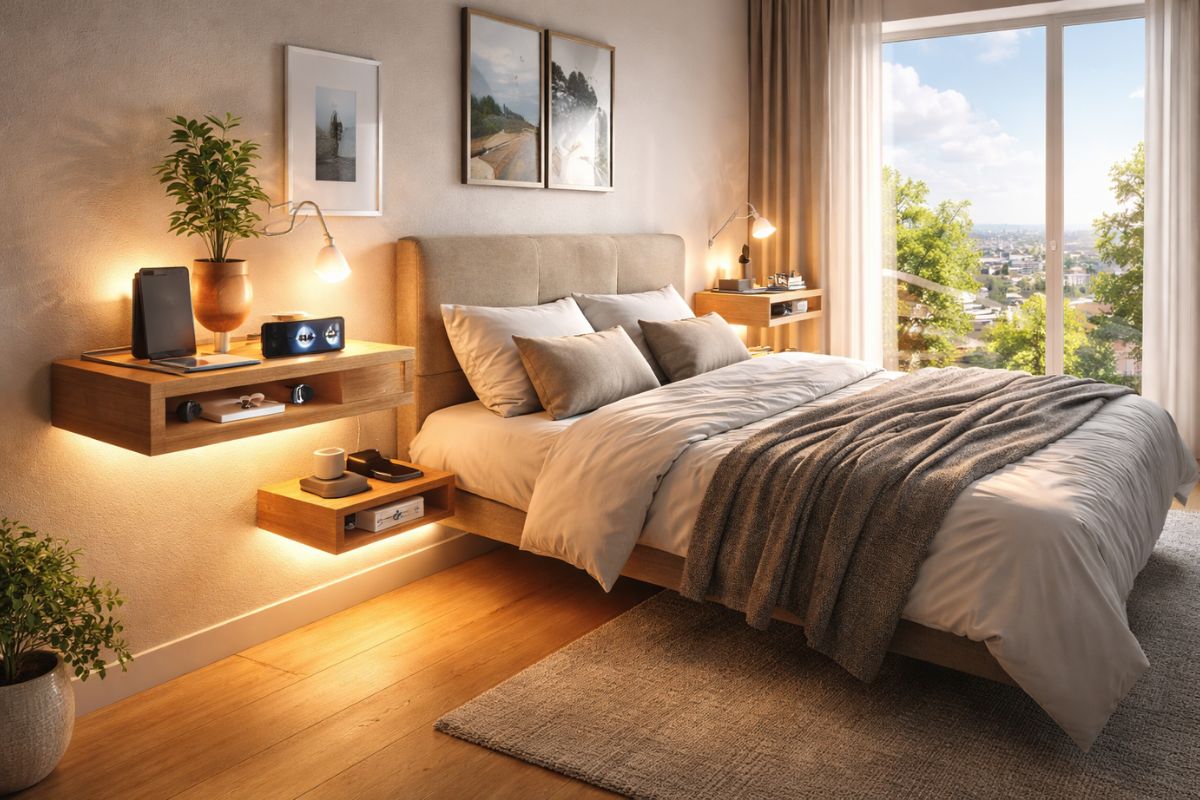
Goodbye bedside table: floating shelves become a trend in 2026 by freeing up space in the bedroom, improving circulation, bringing visual lightness, and integrating technology without taking up floor space.
-
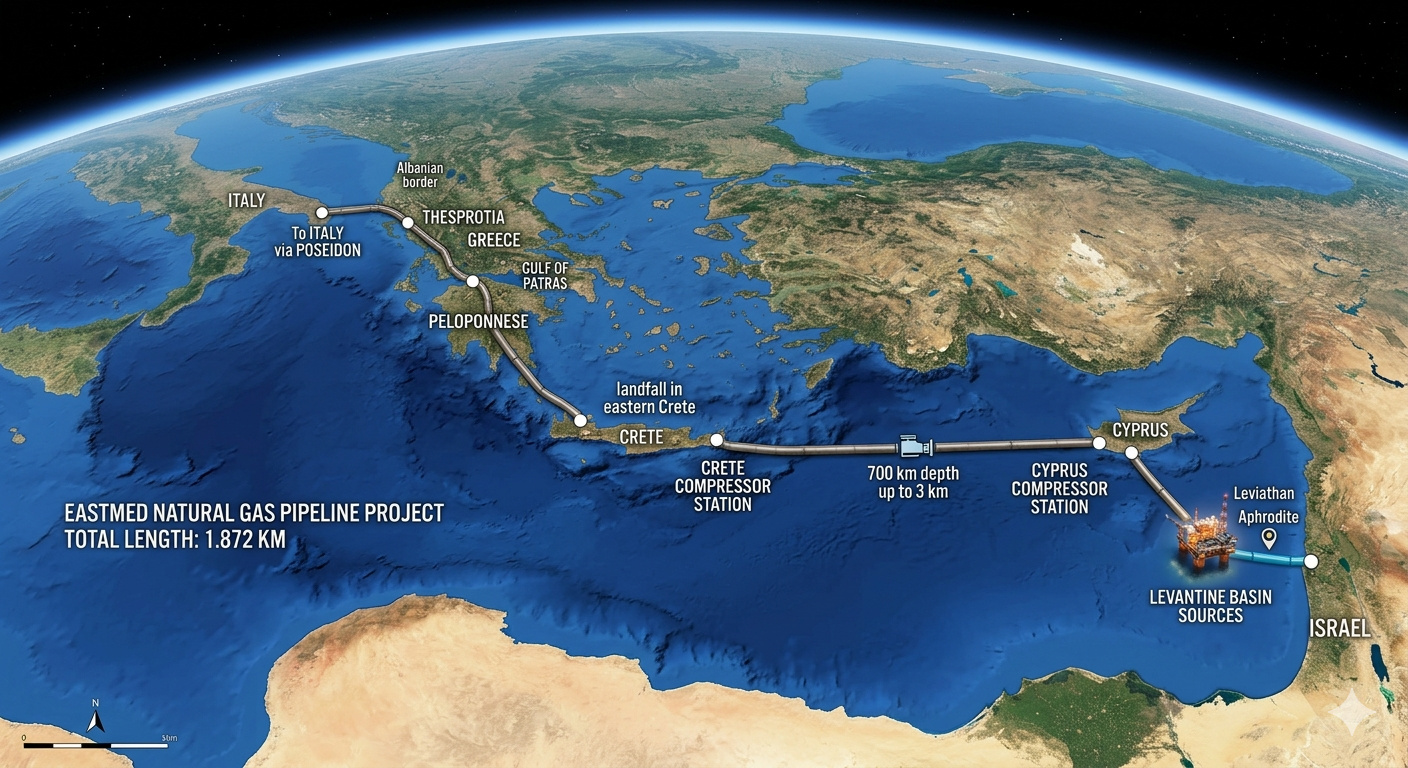
Israel, Greece, and Cyprus signed an agreement in 2020 to transport gas from the Mediterranean to Europe via a 1,872 km pipeline, but Turkey claimed sovereignty over part of the maritime route, and the project never materialized.
-
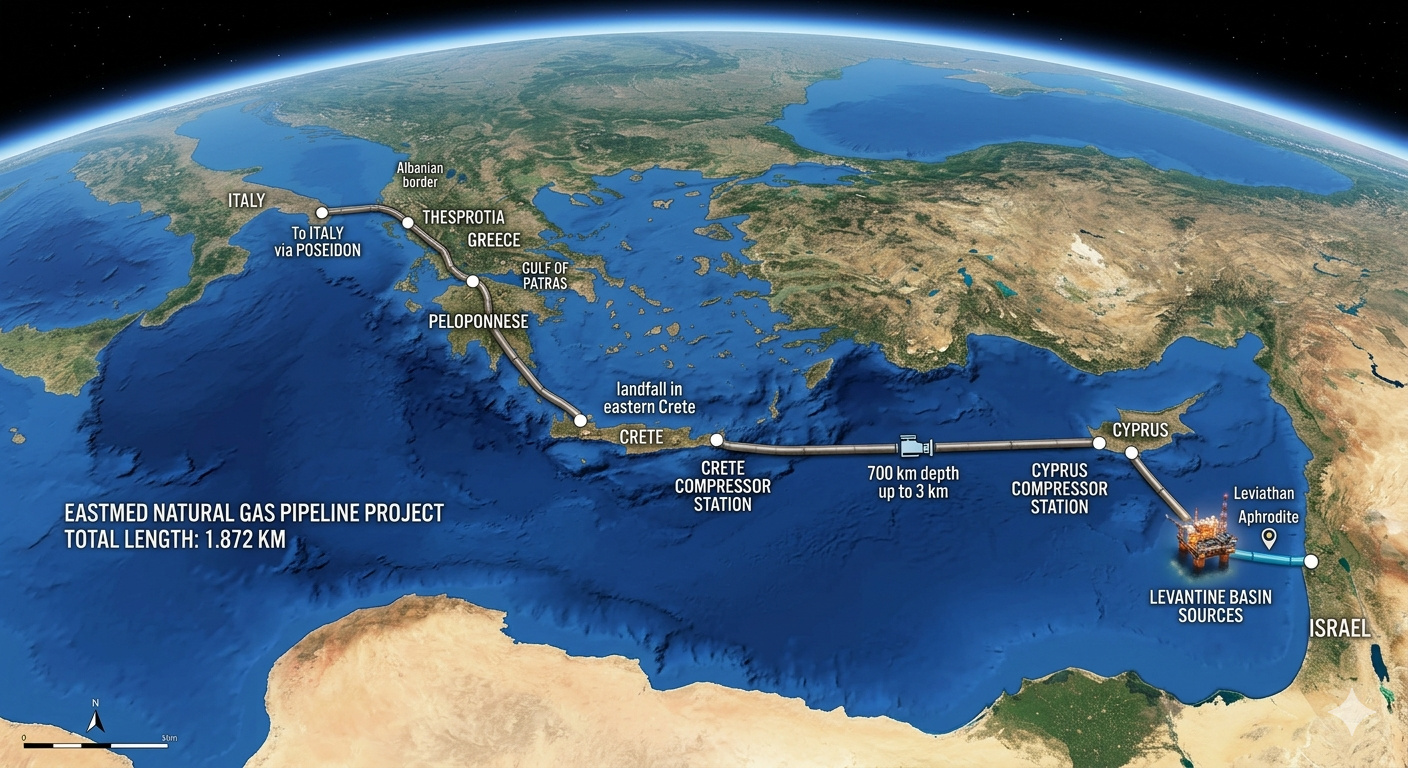
Israel, Greece, and Cyprus signed an agreement in 2020 to transport gas from the Mediterranean to Europe via a 1,872 km pipeline, but Turkey claimed sovereignty over part of the maritime route, and the project never materialized.

Instead of looking for a large “body of water,” many birds prefer to drink and bathe in a small puddle, where access is quick, and the environment seems more predictable.
In the two existing lakes, the scenario was the opposite of ideal. The shores were steep, the surrounding vegetation was tall, making it difficult to approach.
This grown vegetation had a positive side, creating more habitat for insects and frogs, but with the temporary summer puddles drying up, there was exactly what attracts wildlife the most in the heat: a constant source of accessible water.
The Simple Prototype That Became Bird Bait

Before tackling the larger construction, the strategy was to test a basic model, inspired by plant trays with water, but with more reservoir and running water.
The initial drinking fountain was assembled with a wide-mouthed plant pot and a smaller clay pot. The clay pot was inverted at the bottom of the larger pot to serve as the pump platform. Clean river stones were added to increase volume and stability.
Next came the water and a 300 liter-per-hour pump, chosen because it was the smallest available there, even though it seemed too powerful for the size.
The adjustment was made with two goals in mind: maximize the sound of running water and prevent water from splashing out.
The stones were rearranged to create two zones, a shallower edge for drinking and another a bit deeper for bathing.
The installation was placed under an apple tree, next to the feeders, for easy visibility. And to measure results without guessing, an addition was made: a security camera that sends videos whenever a bird perches.
The First Registered Visits: Finch And Grosbeak
The return was quick. A few hours after the setup, the first visitors to the drinking fountain appeared: a purple finch and an evening grosbeak.
It was a sign that the path made sense and that the larger lake with waterfalls could be more than an experiment.
From there, the plan became clear: keep the small drinking fountain active and, in parallel, start constructing a larger lake with waterfalls, featuring shallow pools, small waterfalls, and flowing water, attempting to attract as many species as possible.
The Choice Of Location: Edge Of The Forest And Drain

The larger lake with waterfalls was planned with a view of one of the larger lakes, in a specific spot on the property: the edge of the forest.
The logic was straightforward: wildlife tends to circulate intensely where two habitats meet, and this edge tends to concentrate encounters.
In addition, there was a drain nearby, perfect for receiving the outflow water. The project was born with a natural “escape,” reducing the risk of uncontrolled accumulation and keeping the flow of the lake with waterfalls directed.
Without promises of flawless execution, the breeder kept the tone of the project very honest: he had never built a water structure with pools, small waterfalls, and flowing water.
This brought uncertainty, layout changes, and trial and error, but also a conscious choice to “dive in” and learn by doing.
The Clay Test Failed And The Tarpaulin Became Rule
The initial idea was to use tarpaulin and keep the lake with waterfalls roughly the size delimited by a rope, with just a small waterfall.
However, as he dug, a reasonable amount of clay appeared in the soil, and the temptation arose to test retention without a waterproofing membrane.
The area was excavated, the clay was compacted, and the site was filled to observe for a few days. After two rainy days, the water still dropped about fifteen centimeters.
That was enough to make the decision revert to the original plan: to use a liner since permanent retention did not seem guaranteed.
At the same time, the discovery of the clay became “training” for the future. The idea was to gain experience with small aquatic elements using clay, aiming for future constructions with natural coatings.
The Rescue Of The 16 Frogs Before The Work Continues
Before moving forward, there came a stage that changed the work’s pace: removing the green frogs that had entered the area.
The capture was done with a simple and careful technique, placing the net behind the frog and using the boot or a stick in front to induce the leap into the net.
The result was direct and numbered: 16 frogs rescued in one morning, taken to the edge of the larger lake. Only after that was the water pumped out, and the tests of pools and waterfall resumed.
Excavation, Shallow Pools And The Puzzle Of Waterfalls
With the work resumed, the excavation of the lake with waterfalls gained a more ambitious mapping. Small logs and string began marking slopes, transition points, and where the water should flow from one pool to the next.
The pools were intentionally kept shallow, since the focus was on bathing birds and not a deep lake.
Each pool received a layer of sand to reduce the chance of piercing the liner.
The “barriers” of the small waterfalls were built with the intention of creating a pleasant sound of running water, a detail designed to attract more birds.

However, improvisation appeared at a critical moment: the liners were too short for the expansion.
The solution was to create an intermediate section where the water wouldn’t accumulate for long, cutting an extra piece of lining and positioning it overlapped to maintain flow without leakage.
Then, a second layer of sand was applied over the liner as extra protection against larger stones. And small stones were placed at points of greatest water force to hold the sand in place.

Barriers Redone And Independent Pools To Avoid Leaks
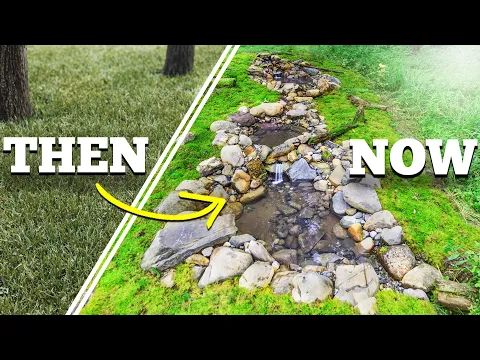

The fine-tuning of the lake with waterfalls brought a turn: when they started filling it up and observing, it became clear that the barriers were not delivering the desired waterfall effect.
The chosen solution was radical and practical: cut the tarpaulin at each barrier to create easy access and allow changes without dismantling everything.
The result was a concept where each pool has its own lining. This facilitates future corrections, stone replacements, and design adjustments.
And with the correct positioning of the extra liner at each barrier, the idea is to prevent water from finding a path beneath and leaking.
A practical problem arose: when the stone of the waterfall was positioned in a way that allowed the water to escape underneath, the pool did not accumulate enough to overflow.
Without using sealants, the quick solution was to position the lining above the rock, forcing the water to flow over it.
There was also a physical limitation: a lack of large, flat stones on the property. The stones used in the waterfalls did not always have the ideal shape, but the replacement was left for the future if better options arise.
Three Days Of Stones, Caution With Ants And Salamanders

The next phase became heavy work: collecting and positioning rocks around the lake with waterfalls. Stones of various shapes and sizes were collected from the drain, one load at a time.
Each stone was inspected because many harbored colonies of ants or salamanders, such as painted salamanders and red-backed eastern salamanders.
Even eggs were found stuck under some rocks, and the priority was to gently relocate these “residents.”
After placing the larger stones, the pump’s hose was passed among them and kept inside the lining, considering potential leaks over time.
Next, buckets of smaller stones were cleaned and added, filling gaps until the lining and hose were completely covered.
In the surroundings, the finishing aimed to control the encroachment of vegetation without leaving the area bare. Cardboard was used to suppress grass, pieces of moss collected from the forest, soil removed from the excavation, fallen logs, branches, stumps, bark, and a little compost were added.
The assembly was described straightforwardly: a functional Frankenstein, the way it can be done when learning by doing.
The Camera Captured Life Arriving, From Birds To Fox

As the lake with waterfalls grew, the smaller drinking fountain continued to record visits. Ruby-throated hummingbirds, goldfinches, eastern ground squirrels, red squirrels, and a still “unconfirmed” yellow-bellied woodpecker arrived.
The space also became a favorite territory for grosbeaks, especially the young ones, who relax, drink, cool off, and even nibble on snails as a quick snack.
At night, opossums appeared. At first, they seemed more interested in spreading scent, but later “learned” to get a drink.
A young fox also visited the area, sniffing where the opossum had been, cleaning seeds beneath the feeders, and helping to show that the lake with waterfalls was, in fact, on the wildlife route.
The breeder even threw some millet to try to attract more grosbeaks, but the impression was that the foxes ate a good portion.
And the camera captured a raw moment: during the construction, field mice were running around the area, and the fox was seen pouncing, catching, and eating one of them.
With cold and rainy days, bathing and drinking visits may drop, but autumn migration is already approaching. The expectation is to let birds and other animals acclimate to the lake with waterfalls and, later on, provide an update with the species passing through.
Which animal do you think will be the next to appear at this lake with waterfalls: more different birds, more opossums, or another surprise visit from the forest?









-

-

-

-

-

9 pessoas reagiram a isso.