





 Portuguese
  English
  Spanish
  3 min of reading
  0 comments


Drop In Sales And Competition With Chinese Manufacturers Creates Electric Car Crisis In Europe, Leading Automakers To Reassess Strategies And Consider A Return To Combustion Engines.
Europe, which had announced an ambitious plan to abandon combustion engines by 2030, is now facing an electric car crisis. Automakers such as Stellantis and Mercedes have decided to halt their battery factories due to falling electric vehicle sales on the continent. The electric car crisis is considerably changing the European automotive landscape, and the implications can be felt globally, including in Brazil.
Shutdowns In Battery Factories
With the decline in demand for electric cars in Europe, the joint venture between Stellantis, Mercedes, and Total Energies halted production at two battery factories. ACC, the company responsible for manufacturing, had plans to invest nearly €40 billion by 2030.
However, with the market slowing down, the factories in Germany and Italy are now idle. The focus may shift to lithium iron phosphate (LFP) batteries, which are cheaper and aim to provide affordable electric cars, but this decision is still under discussion and will only be finalized between 2024 and 2025.
-
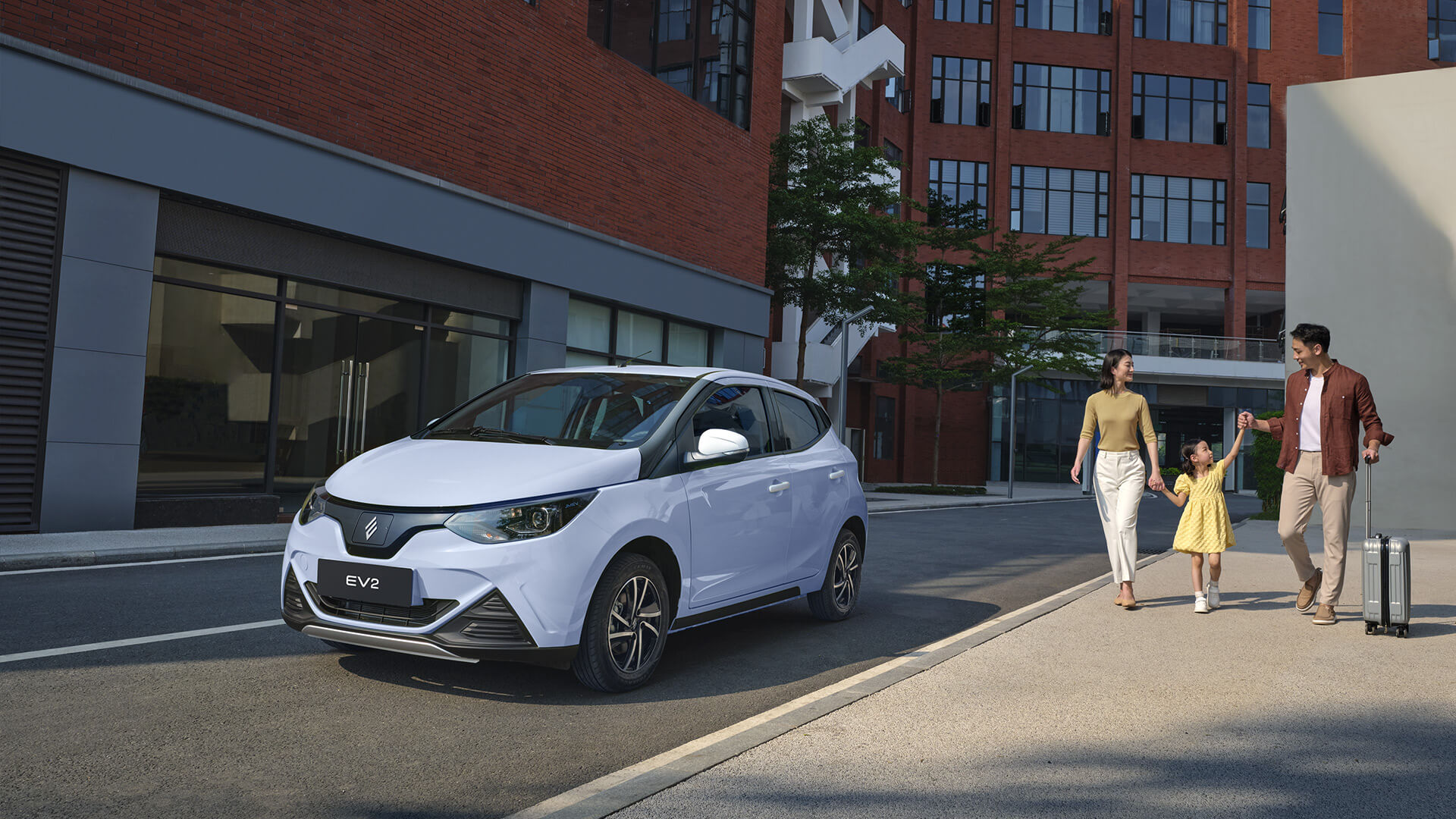
Goodbye expensive popular car: electric vehicle for less than R$ 70,000 starts being sold in Brazil with a range of 200 km and targets those looking to escape gasoline.
-
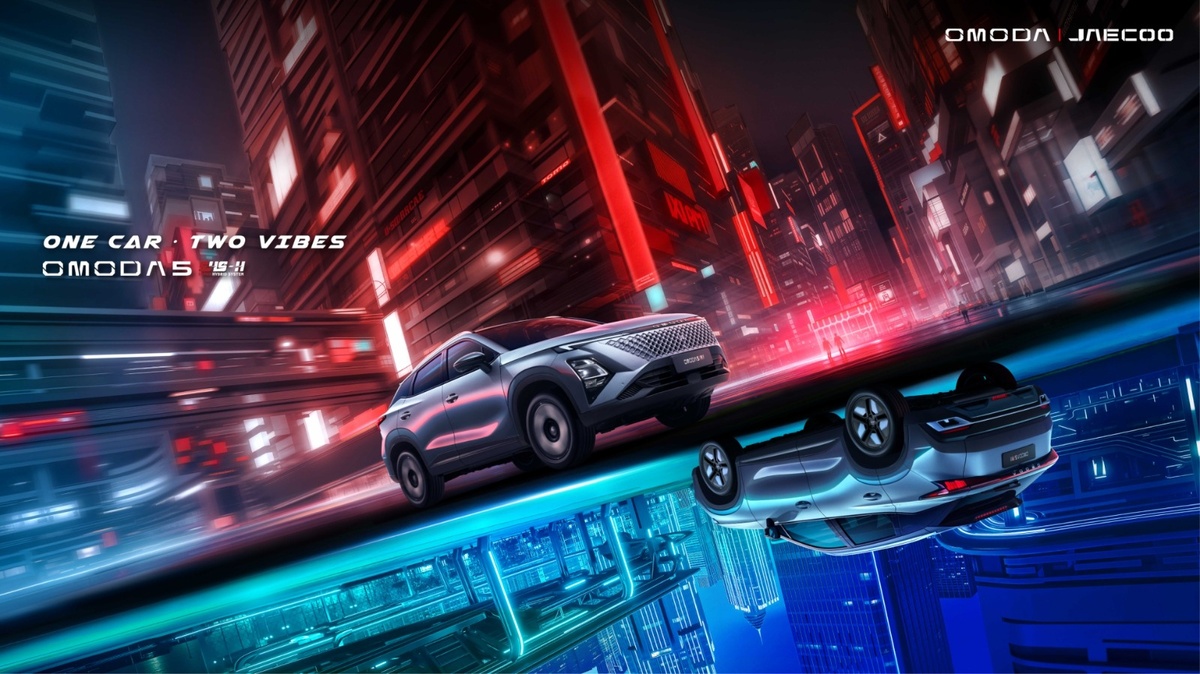
OMODA & JAECOO grows in Europe in 2026 with an integrated strategy of sales, innovation, local production, and technological advancement in the United Kingdom, Italy, and Spain.
-
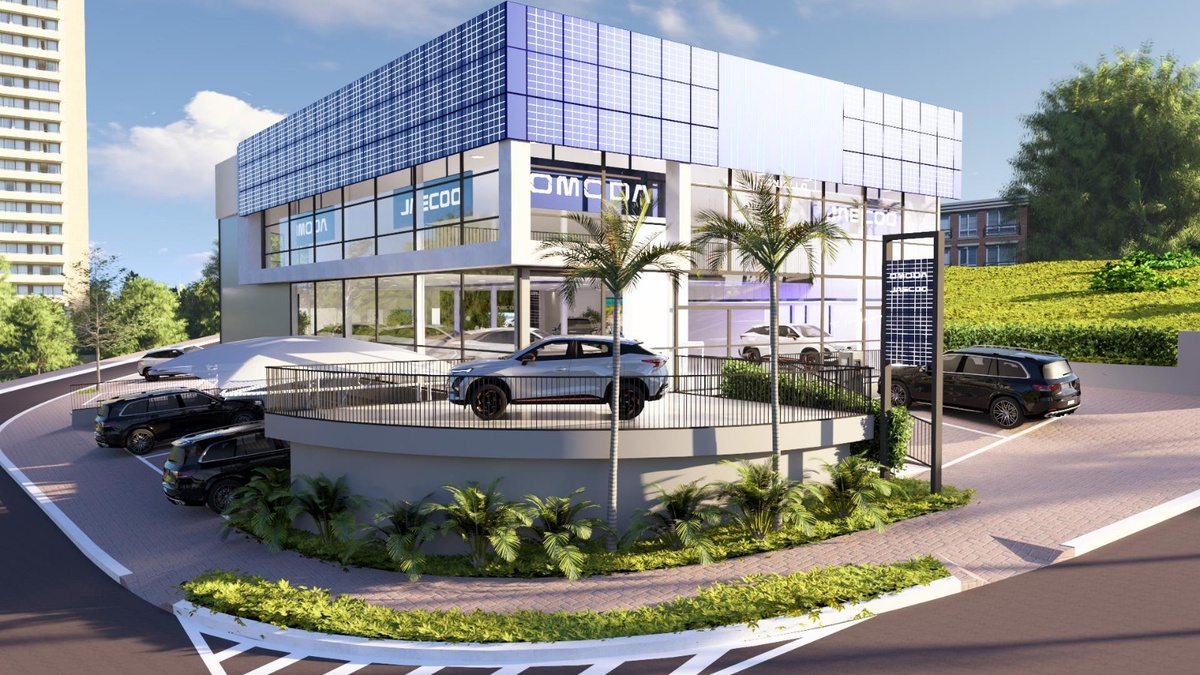
OMODA & JAECOO expands after-sales service in Brazil with competitive maintenance, a 7-year warranty, and high availability of parts for technological SUVs.
-
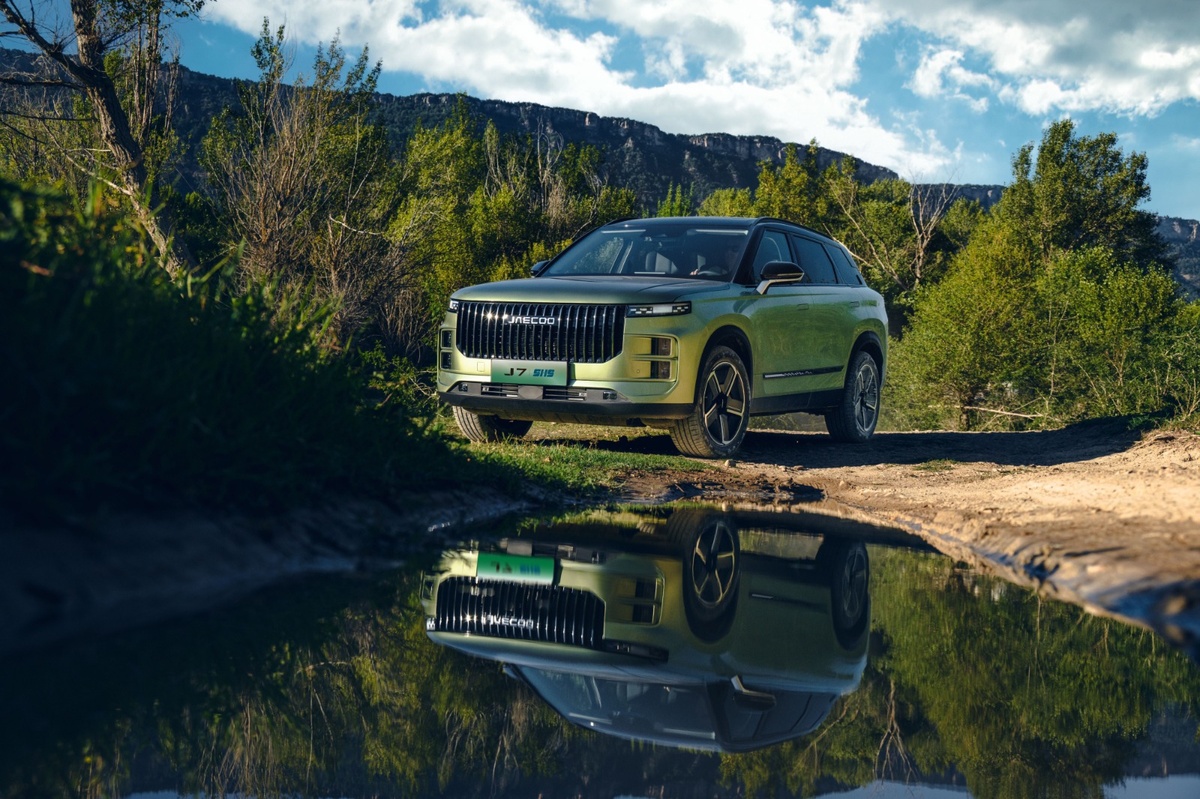
OMODA & JAECOO appoints Alessandra Souza as executive marketing director in Brazil and accelerates brand expansion with a focus on innovation, networking, and hybrid portfolio.




Volkswagen, following the example of other automakers such as Toyota, Subaru, and Honda, announced that it will continue to invest in combustion engines. This decision came after successive drops in electric vehicle sales in Europe.
Although electrification remains a priority, with two-thirds of the budget allocated to it, one-third will be invested in keeping combustion engines competitive. Volkswagen is also investing in traditional and plug-in hybrid models, seeking more efficient and economical solutions to address the electric car crisis.
Inconsistencies In Automakers’ Decisions
In 2021, Volkswagen announced that it would not develop new combustion engines, following the same path as Audi. However, with the electric car crisis in Europe, this decision was revisited.
Government incentives for electric car production are decreasing, and electric vehicles remain considerably more expensive than combustion ones. The global economic crisis post-pandemic also contributes to the reluctance of European consumers to adopt electric vehicles.

The entry of Chinese electric cars into the European market has worsened the situation. Chinese vehicles are cheaper and have captured a significant market share, challenging traditional European automakers. As a result, competition has intensified, and European automakers are struggling to maintain competitiveness.
Will Brazil Be Next To Face The Electric Car Crisis?
In Brazil, Volkswagen confirmed the local production of Flex hybrid models for the short term and an electric model for 2027 or 2028. The lack of heavy investment in electrification in Brazil appears to be an advantage, as Volkswagen Brazil is performing well in sales, unlike its German parent company. The strategy in Brazil involves the production of lightweight 48V hybrid engines, which are simpler and cheaper to manufacture.
In Brazil, the electric car crisis has not yet manifested in the same way as in Europe. Automakers operating in Brazilian territory, including Volkswagen, have focused on hybrid and flex models, which are more accessible and appealing to local consumers.

Electric Cars Have An Uncertain Future
The electric car crisis in Europe reflects a complex and constantly changing landscape in the global automotive market. The need to revisit strategies and find viable solutions for the production and sale of electric vehicles is evident.
In Brazil, the cautious approach focused on hybrids may be key to avoiding a similar crisis. The future of electric cars depends on technological innovations, incentive policies, and the ability of automakers to adapt to market demands and global economic conditions.








Seja o primeiro a reagir!