





 Português
  Inglês
  Espanhol
  3 min de leitura
  0 comentários


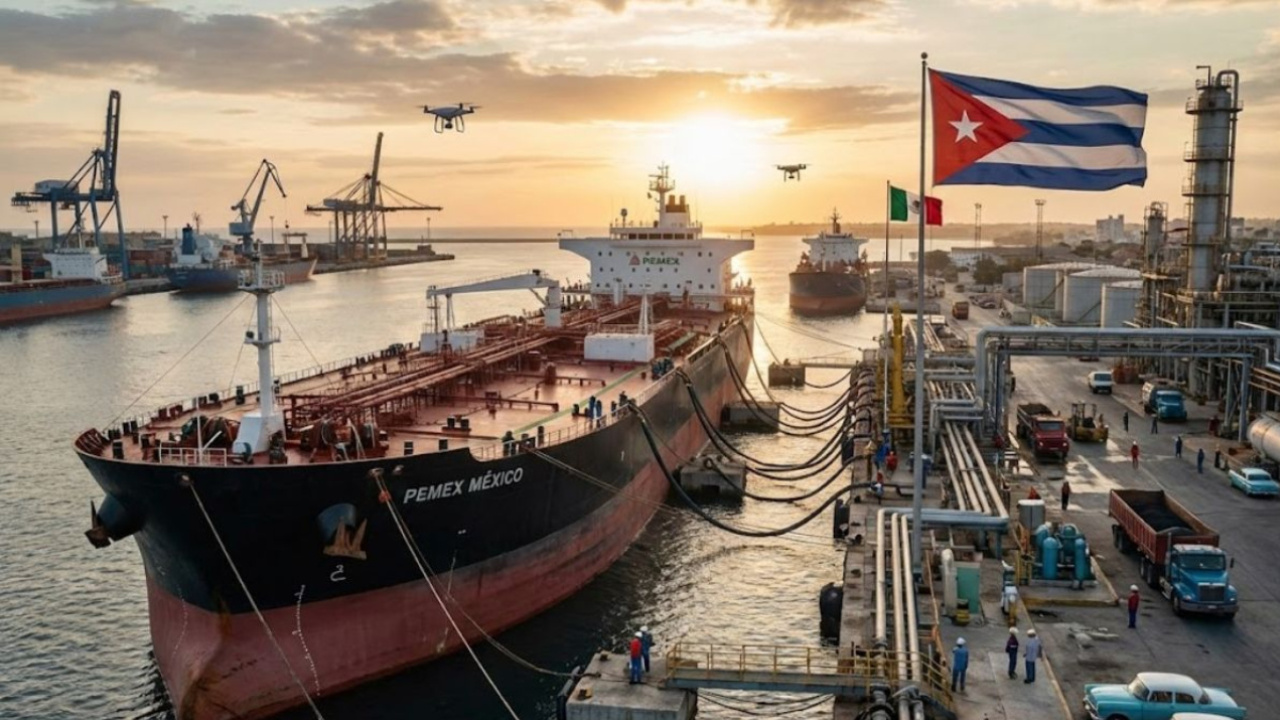
Cuba Faces Critical Oil Shortage With Reserves Limited To Approximately 15-20 Days, Intensifying Blackouts And Geopolitical Tensions Following Supply Cuts From Venezuela And Mexico.
Cuba is on the brink of facing an unprecedented energy crisis. Recent data indicates that the Caribbean island has enough oil for only about 15 to 20 days given the current levels of consumption and production.
This alarming situation occurs in a context of strong pressure from the United States and reduced remittances from its main partners.
While Havana seeks alternatives, the shortage of oil has already resulted in blackouts and anxiety among experts and residents, who fear a deeper collapse of the economy and essential services.
-
Offshore industrial demand in Macaé skyrockets with the recovery of oil and gas and could grow by up to 396% by 2026 in the Campos Basin.
-
Offshore industrial demand in Macaé surges with the recovery of oil and gas and could grow by up to 396% by 2026 in the Campos Basin.
-
Brazilian giant expands borders in the Southeast: Petrobras confirms new oil discovery in ultra-deep waters in the pre-salt of the Campos Basin.

-
Alert in the global energy market: Severe tropical cyclone hits the coast and disrupts gas production at major plants in Australia, threatening global supply.


Cuba On The Brink Of Exhausting Its Oil Stocks
According to an analysis by the data consultancy Kpler, Cuba has estimated stocks of about 460,000 barrels at the beginning of 2026 and received only one shipment of 84,900 barrels from Mexico in January.
When adding these volumes, it would be enough to sustain operations for 15 to 20 days – an extremely short period for a country dependent on energy imports.
This concerning scenario results from several factors: the suspension of remittances from Venezuela following U.S. actions, as well as the reduction or interruption of oil shipments from Mexico, which had been supplying a significant portion of the island’s energy demand.
The crisis intensified after statements from U.S. President Donald Trump, asserting that no more Venezuelan oil would be sent to Cuba.


This stance further makes Havana dependent on alternative shipments, amidst a tense political situation between the two countries.
Additionally, the U.S. government announced measures capable of imposing tariffs on goods from countries that continue to supply oil to the island, reinforcing the strategy of economic isolation of Havana.
Mexico Caught Between Doubts And “Sovereign Decision” On Oil Supply
While Cuba struggles to maintain its supply, Mexico finds itself at the center of the dispute.
President Claudia Sheinbaum stated that the suspension of shipments was a “sovereign decision” and that export levels may vary according to the domestic needs of the country and its political stance in light of American pressure.
Reports suggest that Mexican supply has significantly fallen compared to the previous year, further limiting the options available to Cuba, which was already facing supply declines.
The lack of oil has direct effects on electricity generation and transportation on the island. Thermoelectric plants rely on imported fuel to operate, and local sources of oil are insufficient to cover total demand.
As a result, entire regions suffer from prolonged blackouts. In some cases, power outages reach dozens of hours a day, as part of a routine that has intensified since 2024.
Do You Think Cuba Will Be Able To Find Alternative Oil Sources Before Its Supplies Run Out And Blackouts Worsen?









-

-

2 pessoas reagiram a isso.