





 Portuguese
  English
  Spanish
  3 min of reading
  0 comments


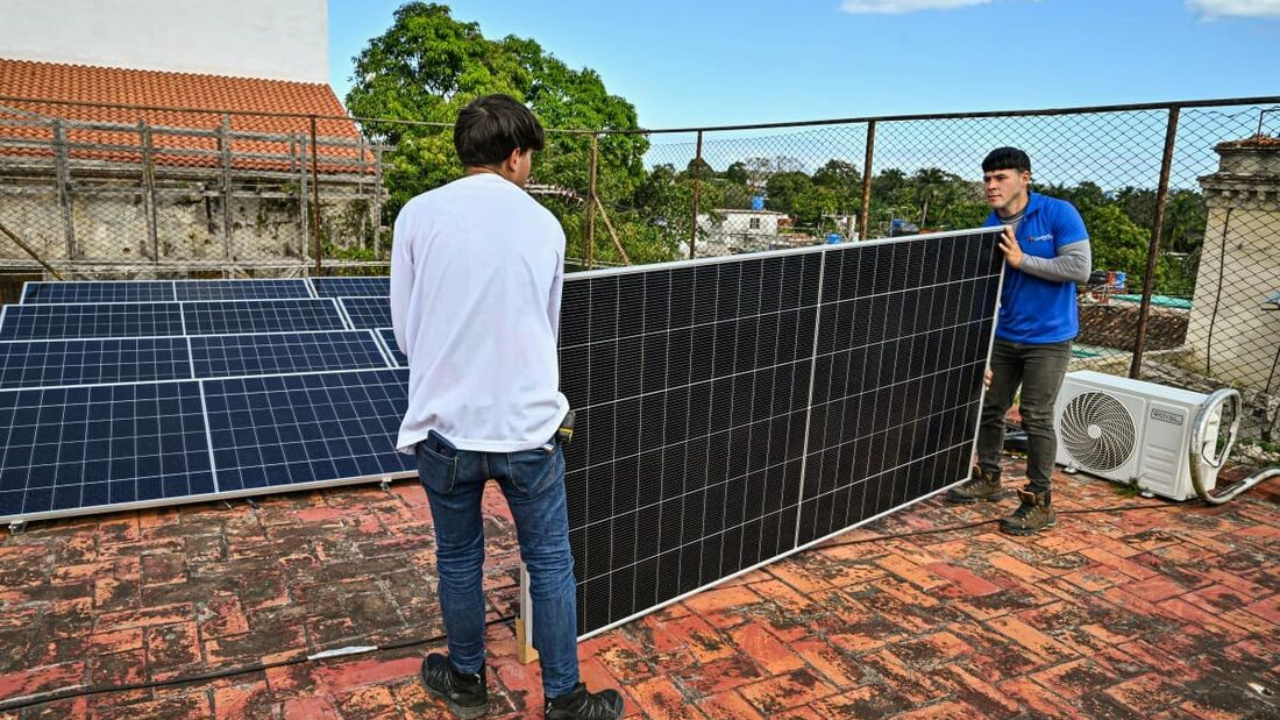
Cuba Expands Solar Energy Use Amid Oil Shortages and Blackouts. Residents of Havana Turn to Coal and Solar Panels to Face Power Cuts.
Solar energy began to gain traction in Cuba at a moment of desperation. With oil increasingly scarce and electricity cuts lasting up to 12 hours a day, residents of Havana have started seeking any alternative that allows them to cook, light their homes, and keep basic equipment running.
At the same time, the blockade imposed by the United States, which threatens to punish countries that supply fuel to the island, has further aggravated the situation.
As a result, the population has started to stockpile coal, use electric scooters, and, whenever possible, invest in solar panels.
-
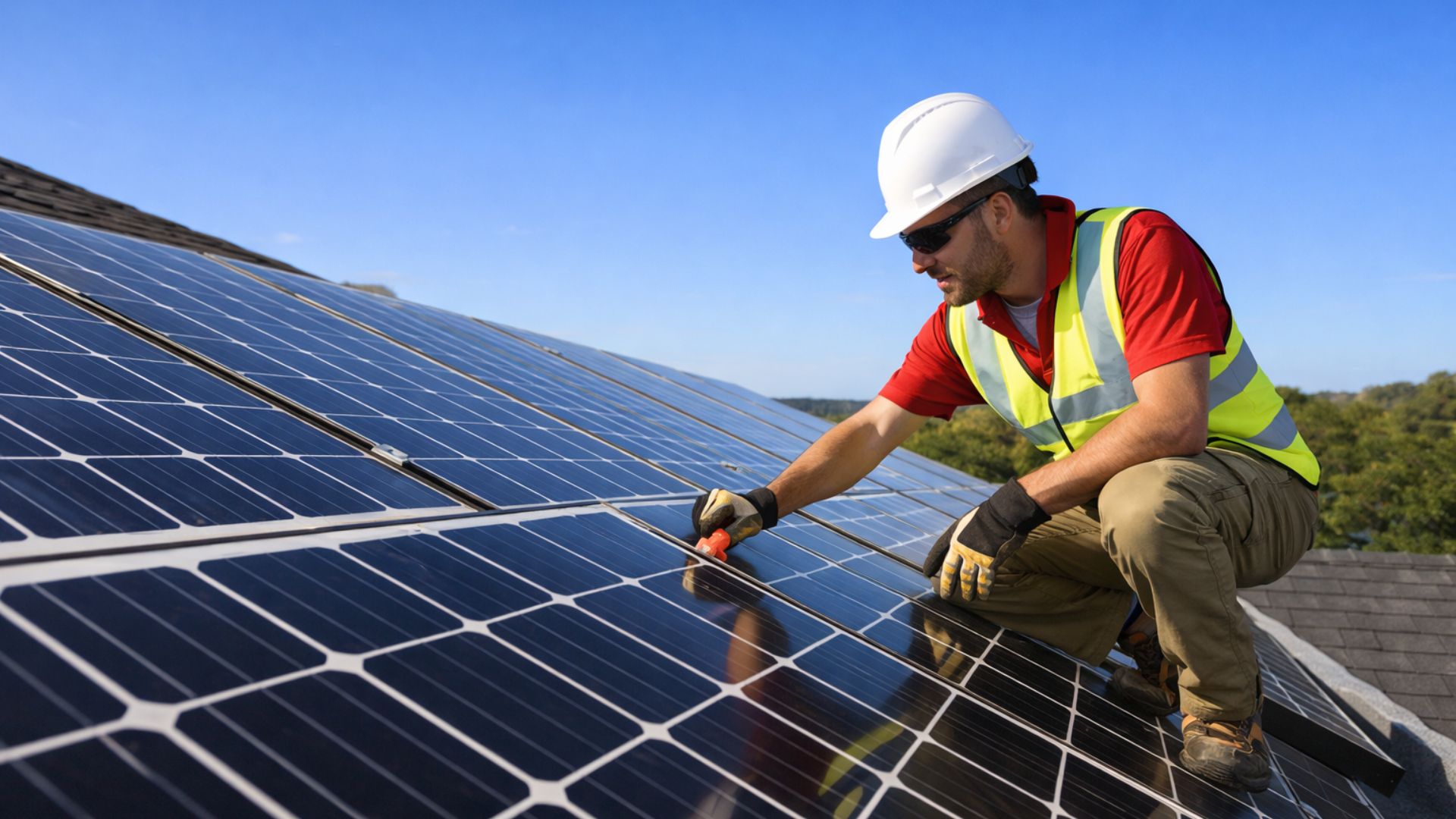
Seagri’s headquarters invests in solar energy with Neoenergia Coelba and promises to cut electricity costs, highlighting a strategic advance in sustainability and energy efficiency within state public administration.
-
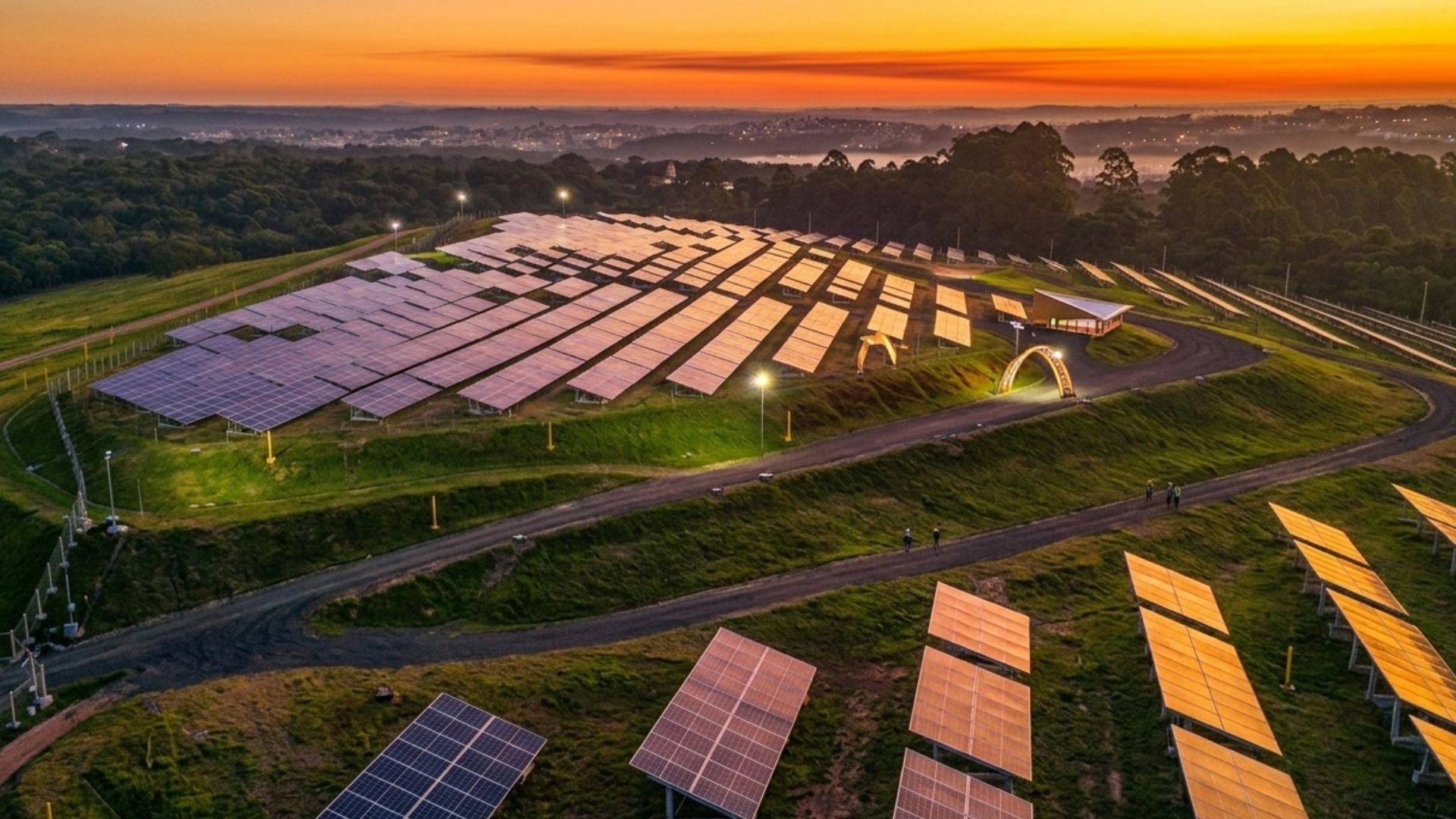
Solar Pyramid draws attention by converting solar energy into million-dollar savings and repositioning the City Hall of Curitiba as an example of innovation, sustainability, and intelligent use of public resources.
-
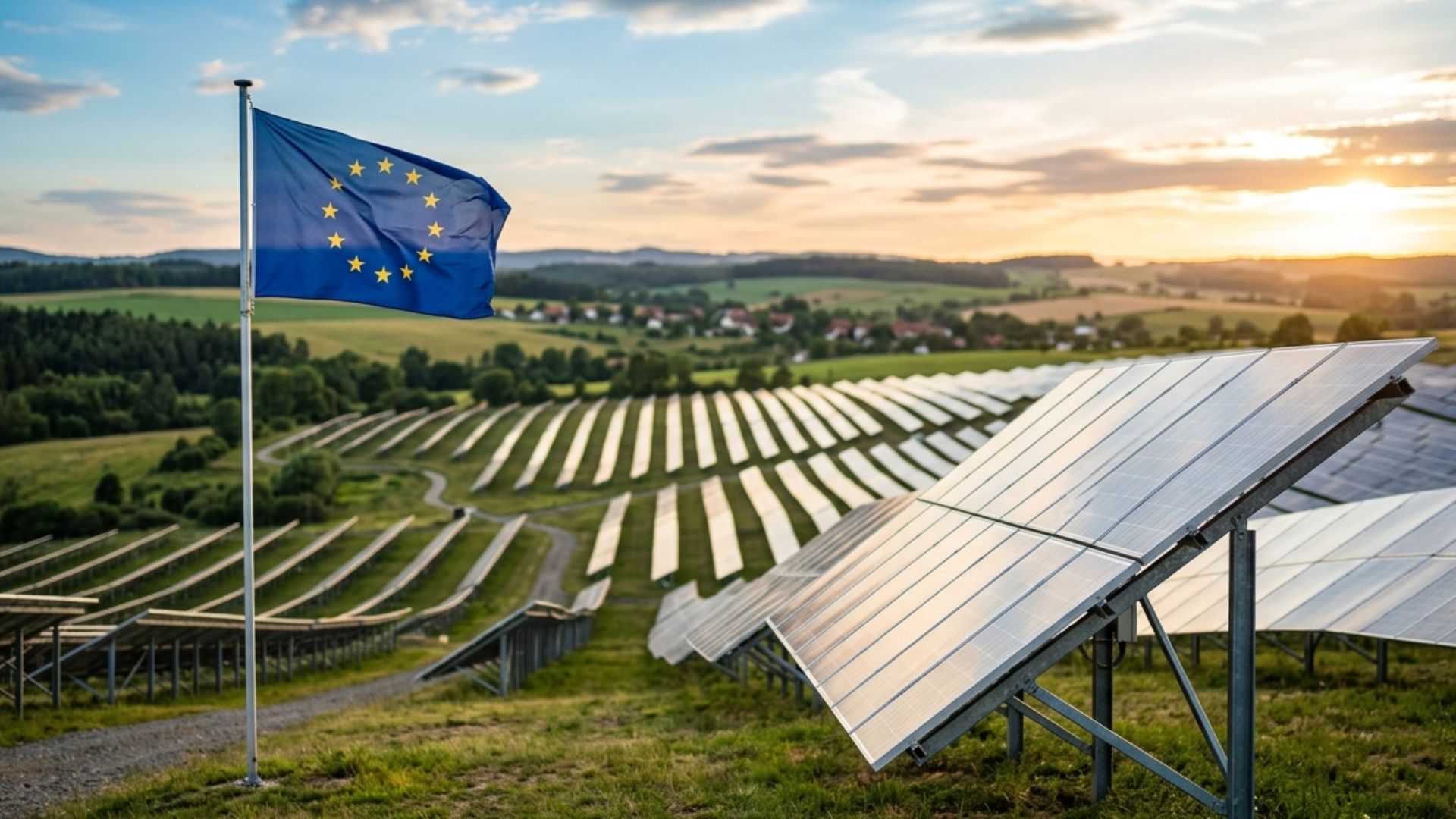
Europe records strong euro economy with solar energy in March and sparks curiosity about which country leads growth that redefines the energy market and reduces costs.
-
Piauí reaches a historic milestone in energy transition: State records nearly 160,000 households powered by solar energy and leads growth in the Northeast.

Coal Returns to the Streets as Power Disappears
On a road in the southeast outskirts of the capital, vendors have started offering coal directly on the asphalt.
Homemade stoves share space with stacked black bags. Some of these stoves are made from old washing machine drums. Others are more elaborate.
“Everyone knows what’s coming now. We have no fuel in the country, we need to look for alternatives,” said Niurbis Lamothe, a 53-year-old civil servant, to AFP after buying a coal stove.
Merchant Yurisnel Agosto, 36, confirmed that he has never sold so much coal. Previously, pizzerias and restaurants were his main customers. Now, entire families buy bags for household use.
“People come and buy three bags to prepare for when there is no electricity,” he said while stacking products by the roadside.
Meanwhile, power cuts are becoming more frequent and longer. Many regions go from 10 to 12 hours a day without electricity. This scenario forces the population to seek urgent alternatives, which further strengthens interest in solar energy.
Solar Panels Become Hope Amid Collapse
Since 2024, companies installing solar energy systems have multiplied in Cuba. The government has eased the importation of equipment, which has accelerated the sector’s growth.

“People are desperate to solve this,” said Reinier Hernández, 42, owner of a private installation company, to AFP. According to him, demand has grown explosively.
Since mid-January, there’s hardly any rest. Phone calls, quotes, and client visits occupy the entire day.
“In the last two weeks, I haven’t rested,” said Orley Estrada, 30, a team leader. “Sometimes I got home at one in the morning,” he stated, while clients continue to call non-stop.
Church Also Bets on Solar Energy to Provide Meals
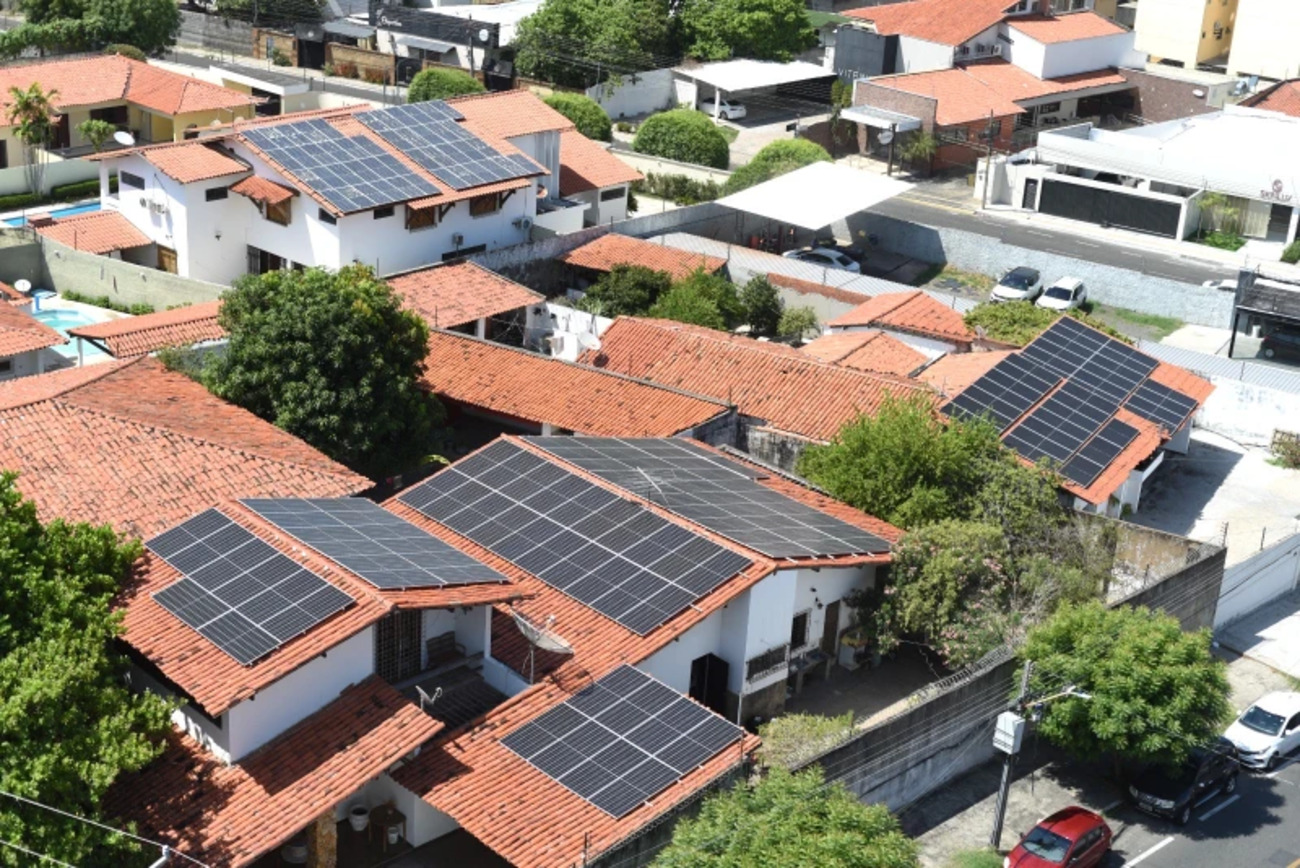
In the neighborhood of Guanabacoa, in eastern Havana, solar energy has also reached an elderly care home run by the Catholic Church. On the roof, workers are installing 12 solar panels.
With the system, it will be possible to prepare meals for about 80 people. “Without electricity, we had no other option,” explained Sister Gertrudis Abreu to AFP. To make the project viable, it was necessary to raise about 7,000 dollars, nearly R$ 37,000, in donations.
The Cuban economy shrank by about 5% in 2025, according to the Center for Cuban Economy Studies.
Moreover, the country is already facing shortages of food, medicine, and fuel. The US embargo, in place for over 60 years, now adds to the oil crisis, worsened after Nicolás Maduro’s fall, which had provided fuel through Venezuela.
Without sufficient oil, Cuba is trying to stay afloat with coal, improvisation, and increasingly, solar energy.








-

3 pessoas reagiram a isso.