





 English
  Francês
  Alemão
  Italiano
  Japonês
  Norueguês
  Portuguese
  Spanish
  3 min of reading
  1 comment


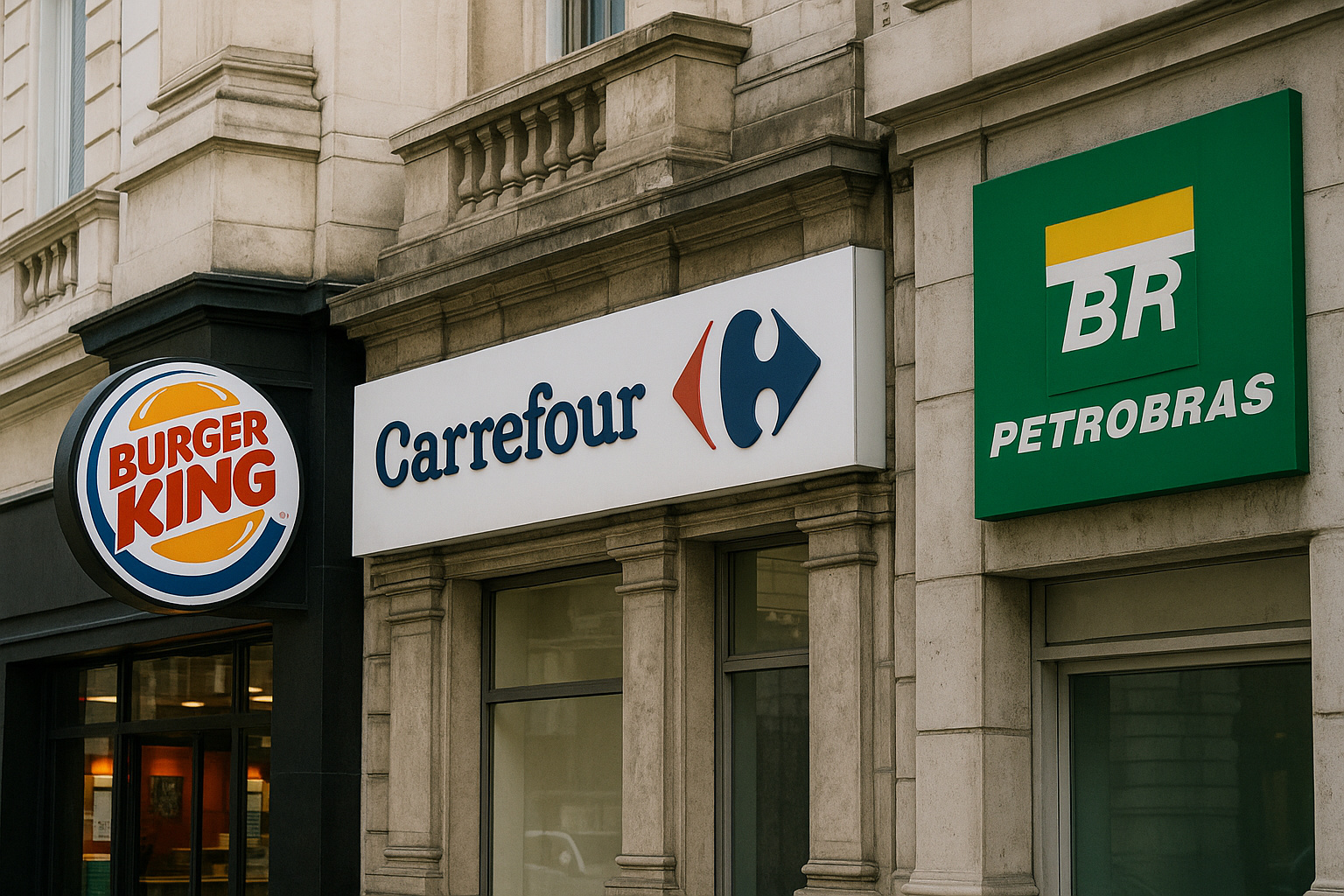


Companies Reduce Presence in Argentina Due to Adverse Scenario
Since the first half of 2025, a movement of large corporations withdrawing from Argentina has gained strength. This is mainly due to persistent inflation, volatile exchange rates, and regulatory insecurity.
In addition, this scenario directly affects the business environment in the country. According to data from Trading Economics, year-on-year inflation in Argentina reached 33.6% over the last 12 months.
In May 2025, monthly inflation fell to 1.5%, which represents the lowest level in over five years, according to Reuters.
-
Expansion of Federal Institutes: 38 new campuses and R$ 200 million for public education; see the cities included.

-
Lula’s government changes rule in important benefit and thousands of Brazilians will no longer receive it; see what has changed.

-
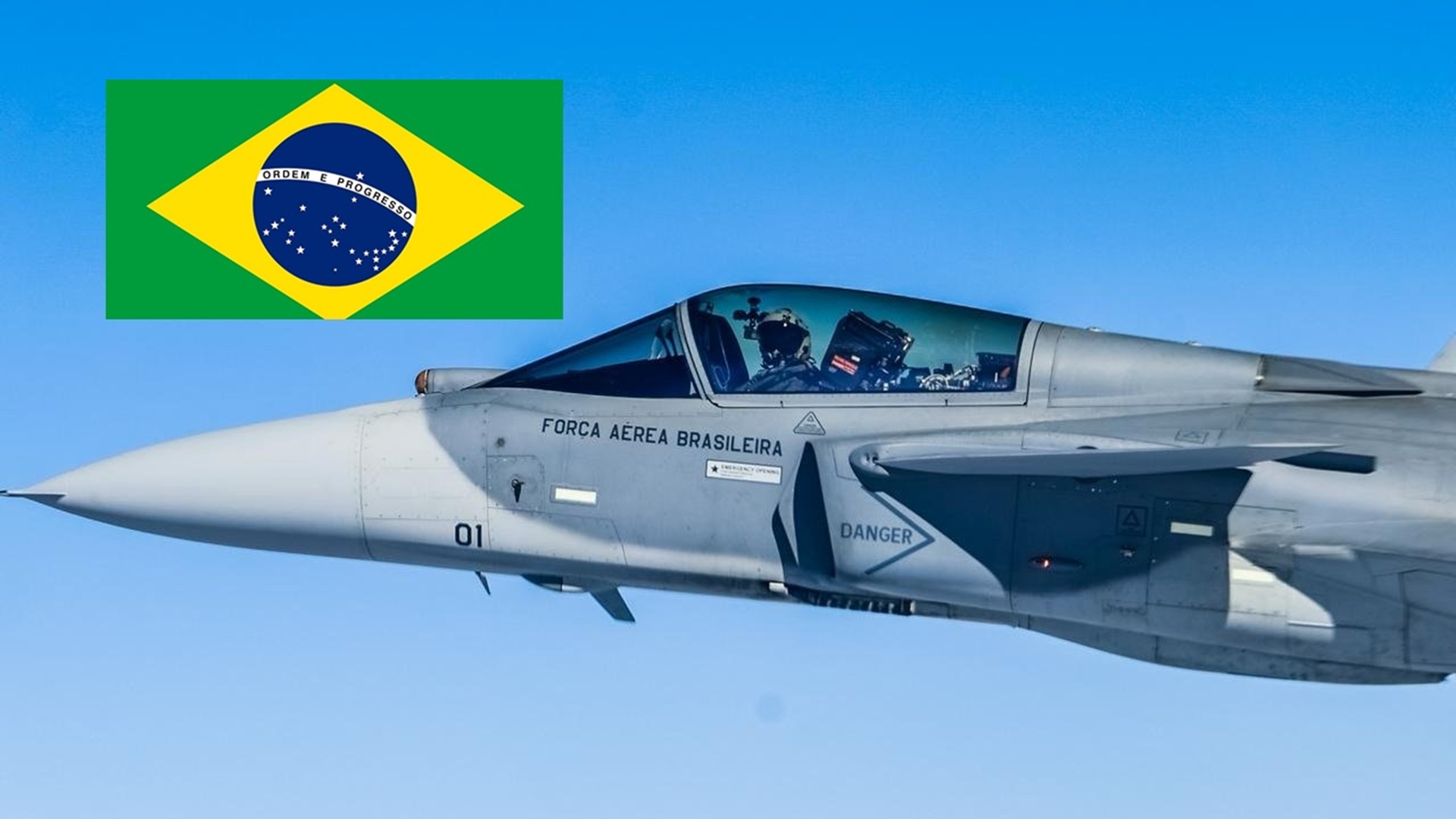
New Gripen fighter makes Argentines surrender to Brazil, and the heavy reaction exposes envy, frustration, and shock at Brazil’s technological leap.
-
This discovered deposit near the Andes could change the future of Argentina, attract billions, and even shake up the global metals market.


Despite this slowdown, the economic scenario remains challenging. For this reason, at least 16 international companies have announced plans to leave the Argentine market or negotiate assets in the coming months.
Consequently, this withdrawal is driven by the lack of predictability in the government’s economic policies under Javier Milei, elected in 2023.
Burger King, Carrefour, and Raízen Accelerate Asset Sales in the Country
Burger King
The global fast food chain has placed 118 Argentine stores for sale, which represents an operation that has been present in the country since 1990. The negotiation is under the responsibility of BBVA bank.
This process is part of a divestment program by the Mexican parent company Alsea. Furthermore, the company intends to sell Burger King operations in Chile and Mexico.
Even so, Alsea will continue to operate in Argentina through the Starbucks chain. This strategy aims to maintain part of its presence in the country, despite the risks.
Carrefour
The French group Carrefour is evaluating the sale of its operations in Argentina. Therefore, it has hired international banks specialized in mergers and acquisitions.
The initial estimate is to sell around 650 to 700 stores for US$ 2 billion, although there is willingness to accept offers between US$ 800 million and US$ 1.6 billion.
The CEO of the chain in the country, David Collas, told the newspaper La Nación on October 7, 2025, that the Argentine market represents high risk.
According to him, “After a sharp decline in 2024, with a slowdown due to inflation and stock buildup, 2025 shows no signs of improvement.”
Raízen
The Brazilian Raízen, owner of the Shell brand in Argentina, is also in a divestment phase. Therefore, the company is looking to sell 700 gas stations and the Dock Sud refinery.
Raízen’s estimate is to raise around US$ 1.5 billion from the negotiation. In this context, the operation reinforces the trend of Brazilian companies exiting the Argentine market.
International Names Also Abandon the Argentine Market
In addition to the cases already mentioned, several companies have announced a total or partial withdrawal from the country. Below is a list of notable names:
- Walmart
- Telefónica
- Mercedes Benz
- Exxon
- Procter & Gamble
- Zara
- HSBC
- Petrobras
These exits demonstrate the impact of economic instability and public policies on the business sector. Therefore, the number is likely to grow with the worsening of the scenario.
Inflation History Pressures Company Strategies
In 2024, accumulated inflation in Argentina reached three-digit percentages, according to research from Wikipedia. This severely pressured company costs.
In May 2025, the monthly index fell to 1.5%, the lowest level since 2020. As a result, year-on-year inflation was reduced to 43.5%, according to Reuters.
Nevertheless, Trading Economics predicts that by the end of 2025, inflation could finish the year around 29%, which is still considered high.
Reasons Justifying Disinterest in the Argentine Market
- Regulatory uncertainty, with abrupt changes in public policies, complicates long-term planning.
- Currency devaluation and high costs of imports severely affect the competitiveness of companies operating in the country.
- Persistent inflation, even with signs of slowdown, still erodes margins and impacts business profitability.
- High risk of assets and operations in unstable markets reduces the appetite of foreign investors.
Alert About Argentine Risk
The withdrawal of large companies from Argentina confirms a serious scenario of macroeconomic instability. For this reason, high inflation and lack of predictability discourage investments.
Cases like those of Burger King, Carrefour, and Raízen demonstrate how even large conglomerates seek protection in safer markets. Thus, this reinforces the alert.








Milei está mais preocupado com os 3% de propina que a irmã recebe, além de destruir saude, educação, aposentadorias e liberar preços de uma hora pra outra, para os empresários parceiros enriquecerem. E lucrar com anúncios de criptomoedas dos parceiros