





 English
  Francês
  Alemão
  Italiano
  Japonês
  Norueguês
  Portuguese
  Spanish
 3 min of reading
  0 comments


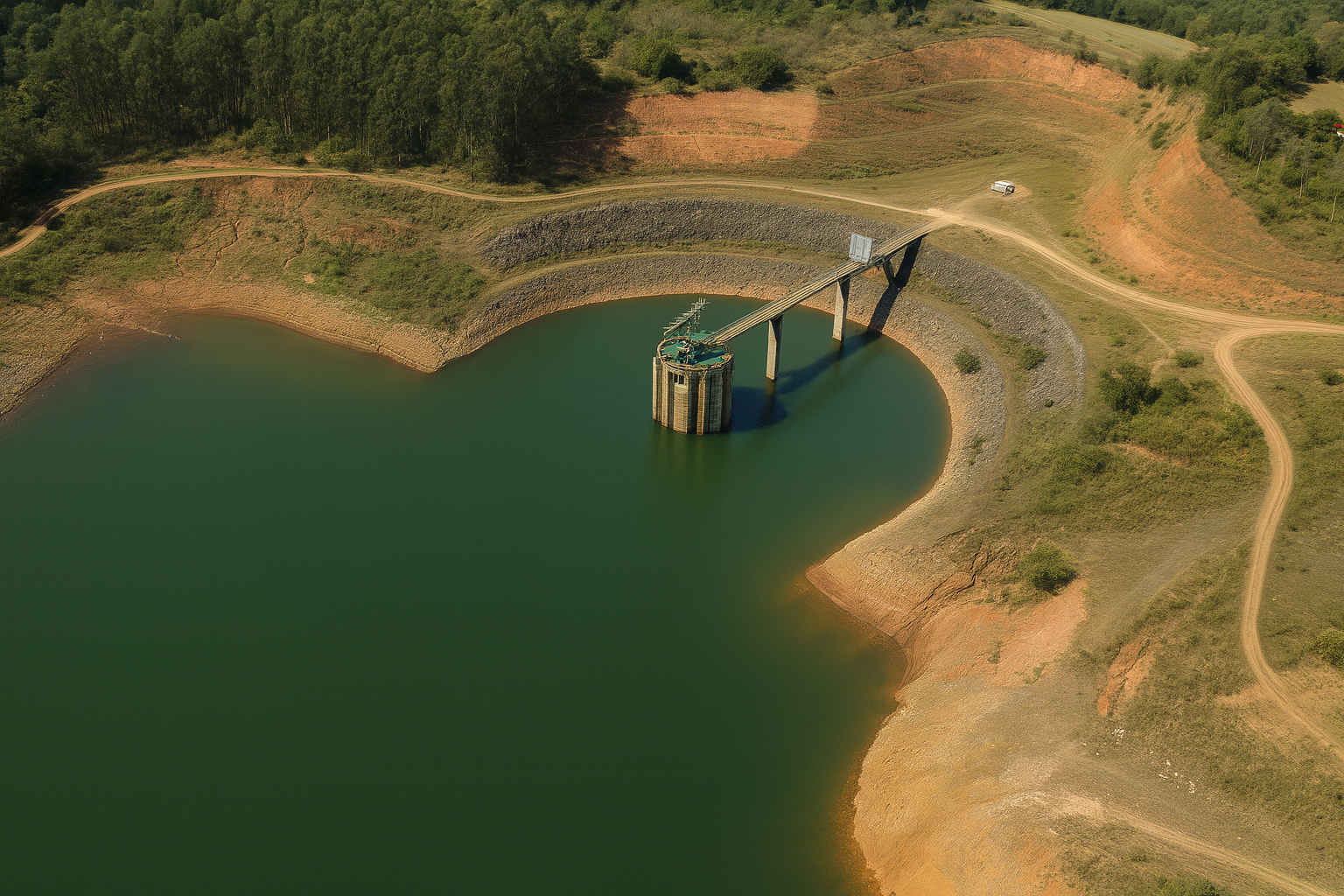
The Water Volume of the Cantareira System Fell to 29.42% on September 24, 2025, the Lowest Level in Ten Years, and Will Place the System in the Restriction Range Starting in October.
A drastic drop in the most important reservoirs of São Paulo has raised a red flag for authorities and residents.
On September 24, 2025, the Cantareira System, which supplies half of the São Paulo Metropolitan Region, reached 29.42% of its useful capacity, according to data from Sabesp. The situation requires the system to enter the so-called restriction range starting on October 1, with a reduction in maximum capture from 27 m³/s to 23 m³/s, as determined by the National Water Agency (ANA) and the Department of Water and Electric Energy of São Paulo (DAEE).
This drop marks the lowest level for the month of September in the last ten years. In 2024, the index was 53%, almost double the current level.
-
Unemployment rises again to 5.8% at the beginning of 2026, raising alarms about the end of temporary positions and its impact on the Brazilian job market.

-
Document organization can cut invisible costs in small businesses, a simple step that prevents waste, rework, and losses in daily operations.

-
Chinese giant worth nearly R$ 4 billion that manufactures cables for electric cars, solar energy, and robotics wants to open a factory in SC.
-
Many employers do not know, but the law guarantees domestic workers a 25% increase in salary during trips, 50% for overtime, 20% for night shifts, and 17 additional benefits that can lead to labor lawsuits if not paid.


Technical Management to Avoid Collapse
To mitigate the immediate impact, Sabesp will have to transfer up to 10 m³/s from the Jaguari reservoir to the Atibainha, respecting the overall limit of 33 m³/s.
The measure follows the rules established by Joint Resolution No. 925/2017, which determines the limits of staged operation according to the available volume.
The Cantareira consists of five interconnected reservoirs — Jaguari, Jacareí, Cachoeira, Atibainha, and Paiva Castro — and serves not only Greater São Paulo, but also the basin of the Piracicaba, Capivari, and Jundiaí (PCJ) rivers.
The reduction in volume, therefore, affects both consumers in the capital and cities in the interior, requiring cooperation between regulatory bodies and users.
Economic and Social Impacts of the Decline
The restriction on capture means less water available for supply.
As a result, auxiliary systems may be pressured, and adjustments in supply are not ruled out.
Experts warn that the situation may bring indirect effects: increased operational costs for Sabesp, the need for emergency investments in transposition, and even economic impacts on sectors dependent on regular water supply.
Furthermore, the population is already feeling the effects, with tougher recommendations for conservation. Conscious use becomes crucial, especially during prolonged dry periods.
Comparisons with Previous Crises
In September 2015, during the severe water crisis that marked the decade, the levels of the Cantareira fell below 20%. Now, the numbers, although higher, raise a similar alert.
According to CNN Brasil, the Integrated Metropolitan System, which brings together other sources in Greater São Paulo, is at 32.3%, also the lowest index for September since that crisis.
This history reinforces the region’s vulnerability and the need for long-term planning to ensure water security.
Environmental and Governance Consequences
The sharp reduction in the levels of the Cantareira raises environmental concerns, as the pressure on alternative water sources may compromise local ecosystems.
Furthermore, water governance becomes central, as management needs to balance human supply, maintenance of ecological flows, and energy security in hydroelectric plants.
Authorities highlight that continuous monitoring, transparency in data, and rigorous oversight are indispensable tools to prevent the crisis from worsening.
What Does the Future Hold for São Paulo?
The entry of the Cantareira into the restriction range reignites the debate on water resilience in the country’s largest metropolis.
The ability to overcome the problem depends on three pillars: technical planning, community involvement, and investments in new supply systems.
Meanwhile, experts emphasize the urgency of awareness: each liter saved can make a difference in balancing supply and demand.
Do You Believe That São Paulo Should Invest More in Transposition Works and Water Infrastructure or Prioritize Conscious Consumption Campaigns to Avoid a New Crisis?










Seja o primeiro a reagir!