





 Português
  Inglês
  Espanhol
  3 min de leitura
  2 comentários


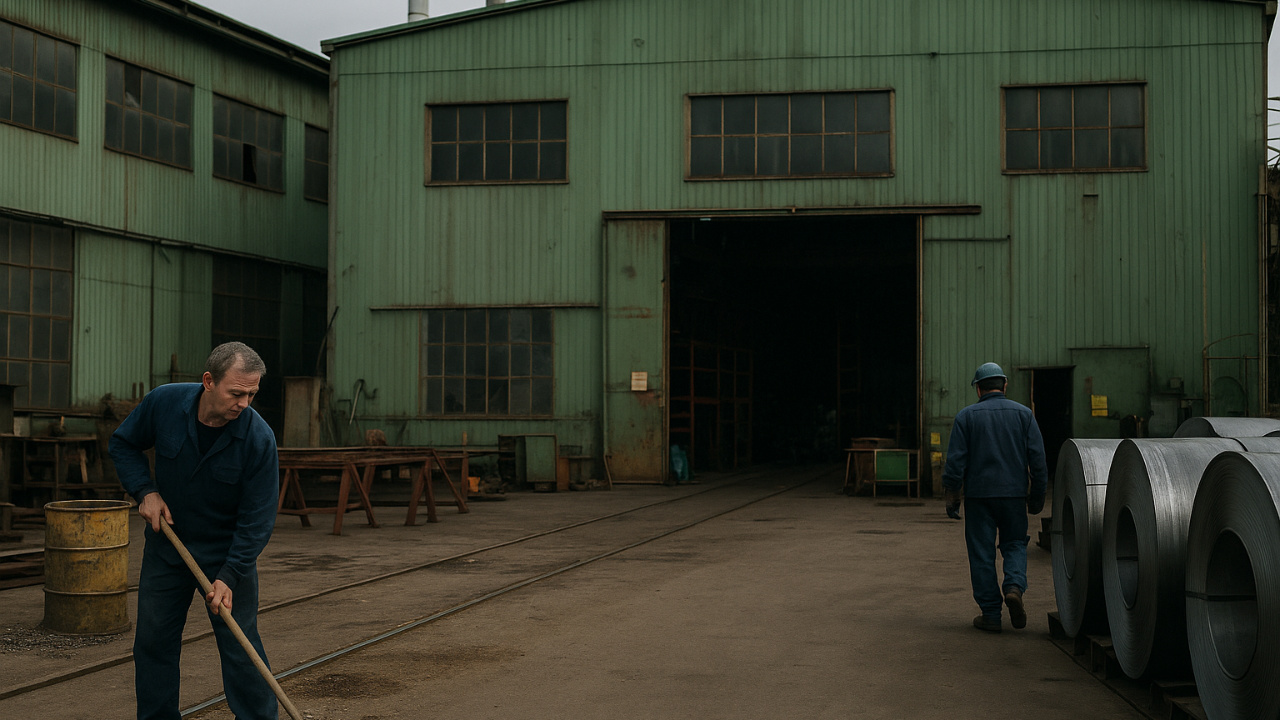


Industrial Crisis In Argentina: 21% Of Companies Laid Off Workers And 40% Experienced A Decline In Production, According To UIA Data.
The industrial crisis in Argentina: 21% of companies laid off workers and 40% experienced a decline in production took on new contours in October, when more than 700 companies were evaluated in a survey by the Center for Studies of the Argentine Industrial Union (UIA).
The study reveals what, who, when, where, how, and why the manufacturing activity is going through its worst cycle in over a decade.
The data shows that a significant portion of the sector reduced teams, adjusted shifts, and even suspended operations, exposing a weakened economic environment after nearly two years of liberal policies from the government of Javier Milei.
-
Brazilian city gains industrial hub for 85 companies that is equivalent to 55 football fields.
-
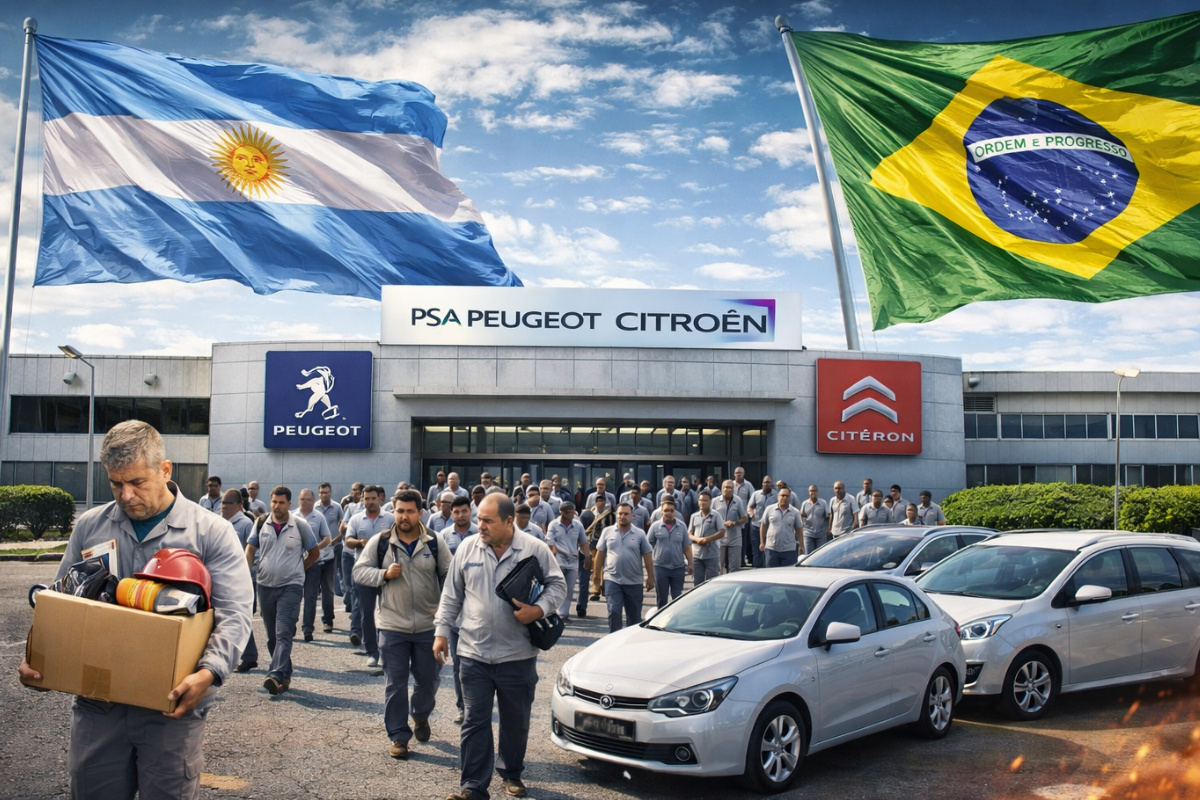
Peugeot and Citroën factory in Argentina cuts production by half and opens a layoff program for more than 2,000 employees after Brazil drastically reduced purchases of Argentine vehicles.
-
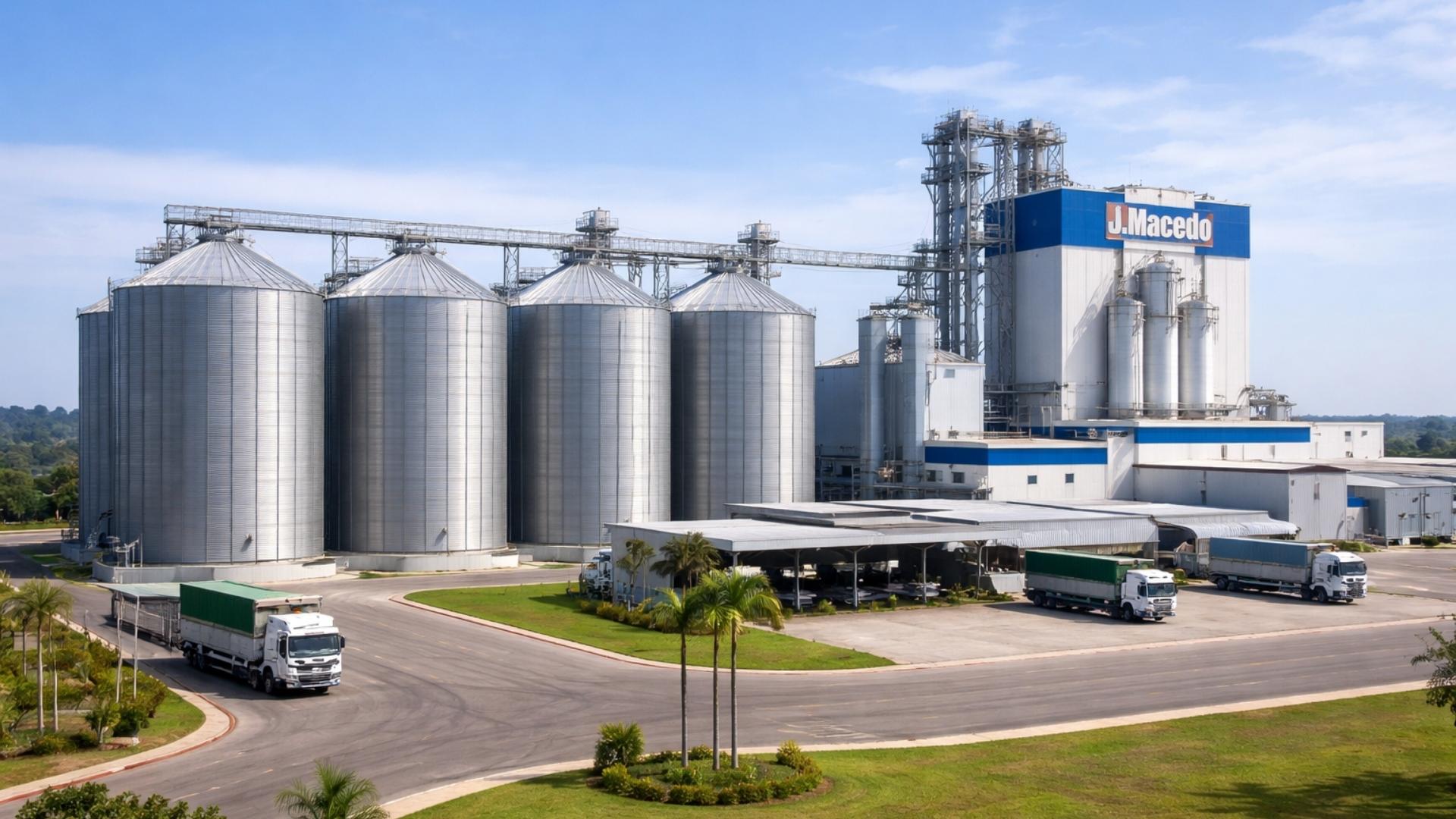
A Brazilian city gains a factory worth R$ 300 million with the capacity to process 200 thousand tons of wheat per year, a mill of 660 tons/day, silos for 42 thousand tons, and an industrial area of 276 thousand m².
-
Havan will leave the shopping mall in Blumenau to inaugurate something that the chain has never done before: a megastore in half-timbered style in the Historic Center of the city, which is expected to be completed in May and change the landscape of local retail.


Thus, the survey indicates that the deterioration is not isolated but the result of successive quarters of production contraction, decline in domestic consumption, and cost pressures affecting everything from small factories to large industrial conglomerates.
Layoffs And Cuts Reveal The Depth Of The Crisis
The industrial crisis in Argentina: 21% of companies laid off workers and 40% experienced a decline in production became evident when the survey by the UIA confirmed that 21% of industries reduced their workforce in October.
The contraction occurs in a scenario of “widespread decline in production,” as the report describes.
Other containment measures were also adopted. About 23.5% of companies adjusted work shifts, while 7.7% completely suspended production, a rate that has been rising for five consecutive quarters.
In contrast, only 10.6% expanded their staff, a percentage that has decreased since October 2024.
Furthermore, the study shows that more than 19,000 companies have closed since Javier Milei took office, a number that reinforces the magnitude of the business crisis triggered during this period.
Declining Production And Most Affected Sectors
The deterioration takes shape in the official indicators.
Industrial performance registered 43.8 points in October, a decline of 5.2 points compared to the previous year.
The most impacted sectors include textiles, basic metals, clothing, leather, and footwear, all with a significant loss of dynamism.
However, the most alarming data is that 40.3% of companies reported a decline in production, against only 21.3% that observed some improvement.
This percentage reinforces the centrality of the keyword: Industrial Crisis In Argentina: 21% Of Companies Laid Off Workers And 40% Experienced A Decline In Production, a phenomenon that has been expanding month by month.
Domestic Consumption Declines And Pressures The Sector
The domestic market, historically the engine of Argentine industries, has also lost strength.
Internal sales fell for 47.7% of companies, a percentage higher than recorded three months earlier (43.5%) and well above the level observed a year ago (26.5%).
Domestic demand was identified as the main concern by 41% of industries, followed by rising costs, pointed out by 19.3% of companies.
In exports, the scenario is also unfavorable: 25.1% of companies reported a decline in external sales, while only 18.2% saw an increase.
Furthermore, one in every two companies reports having difficulties paying employees, suppliers, or taxes, according to the Center for Studies of the Argentine Industrial Union.
Milei’s Statements And Impact Of Economic Policies
Even in the face of the production collapse, Javier Milei downplayed the impacts of his own economic measures.
He stated that “if the economy opens up and a certain sector goes bankrupt, it is because the imported products are of better quality and/or cheaper,” distancing himself from criticism about the internal situation.
The president also claimed that this adjustment “does not generate job losses” and that workers would migrate to “more productive” sectors, where they would be “happier.”
In practice, however, the data contradicts the rhetoric. In 20 months of government, 19,164 companies closed their doors, an average of 30 closures per day, according to CEPA. The result was the elimination of 276,624 jobs, with 55,941 in the industrial sector.
Argentine Industry Shows No Signs Of Recovery
The UIA warns that the industrial crisis in Argentina: 21% of companies laid off workers and 40% experienced a decline in production continues to deepen.
The projection is that, without structural changes, the country is likely to face more layoffs, new stoppages, and increasing difficulties in maintaining competitiveness.









Então pede pra eles virem pro país das mil maravilhas, o país do Lulinha, e pagar a maior carga tributária do planeta!! Parece piada kkkkkk
Então pede pra eles virem pro Brasil do pai Mula e pagar a maio carga tributária do planeta!! Parece piada!! Kkkkk