





 Portuguese
  English
  Spanish
  4 min of reading
  1 comment


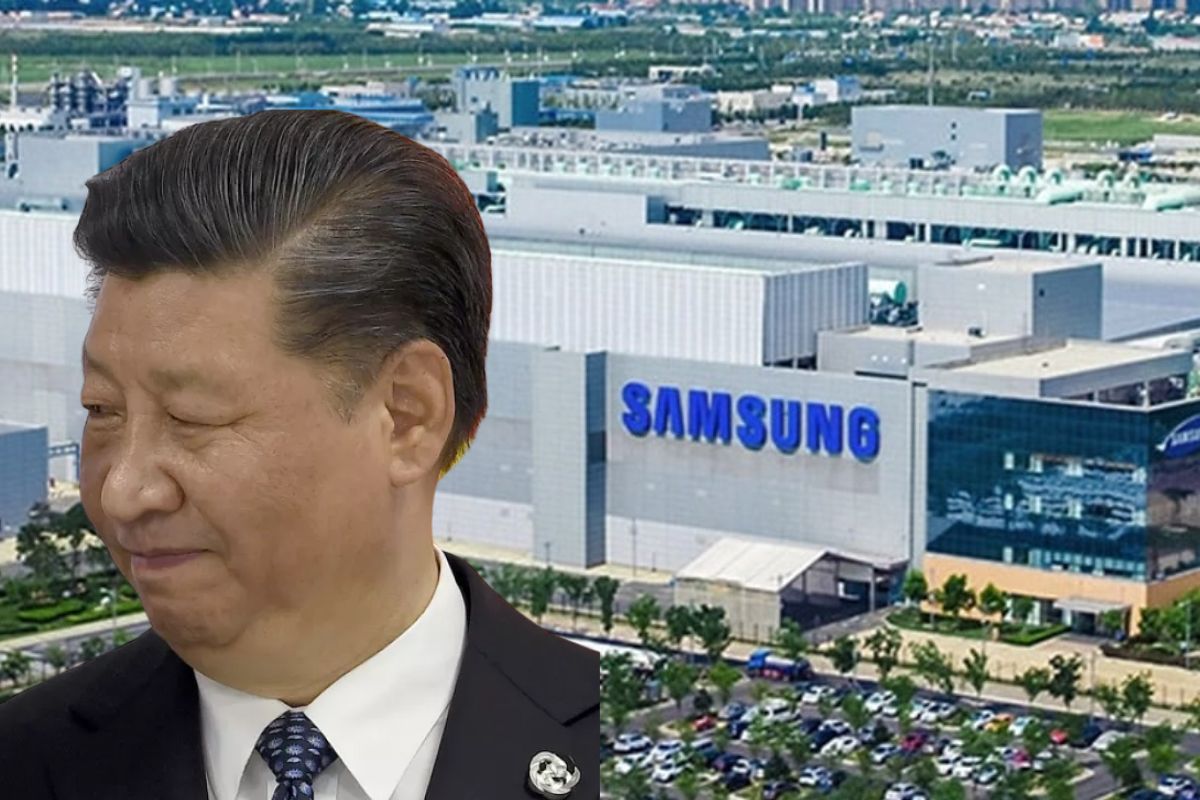


Rising Costs, Trade War, Pandemic, and Social Changes Drive Companies to Leave China, Redesigning Global Manufacturing.
China, for decades the “world’s factory”, is facing a deep crisis in China in its manufacturing sector. Companies like Apple and Samsung are reducing or halting their production in the country, a move that signals the possible end of an era and raises questions about the future of the global economy. Understand the multiple factors behind this change and its impacts.
For a long time, China reigned as the powerhouse of global manufacturing, responsible for almost 30% of global production at its peak. From electronics to textiles, the country manufactured everything. However, this empire now faces serious problems, threatening its global position. Companies are choosing to stop producing in China, signaling a drastic change.
Costs, Demographics, and Tensions in China

Various factors contribute to this crisis in China. Firstly, cheap labor, which was China’s significant advantage, has significantly increased in cost. Rapid economic growth has raised average factory worker salaries to around US$ 1,200 per month in 2025 (according to the source), far exceeding the approximately US$ 300 in Vietnam or even lower amounts in India. This has eroded China’s competitiveness. Companies like Apple, for instance, have increased iPhone production in India (now 20% of the total).
-
50 viaducts, 4 tunnels, 28 bridges, and 40 kilometers of bike paths: BR-262 in Espírito Santo will receive 8.6 billion reais for the largest engineering project in the state’s history, inspired by the Immigrant Highway in São Paulo.

-
Brazil produces too much clean energy and doesn’t know what to do with it: over 20% of solar and wind capacity was wasted in 2025 while investors flee and 509 renewable generation projects were abandoned in the last year.

-
Piauí will produce a new fuel that replaces diesel without needing to change anything in the truck’s engine and reduces pollutant gas emissions by half: truck drivers from all over the Northeast are already celebrating the news that will arrive later this decade.

-
A new Brazilian shopping center worth R$ 400 million will be built in an area equivalent to more than 4 football fields, featuring 90 stores, 5 cinemas, a supermarket, a college, and parking for 1,700 cars, potentially generating 3,000 jobs.


Young Chinese are avoiding factory jobs, preferring sectors like technology and services, creating a labor shortage and driving costs even higher. The government, referred to in the base text as “First Command of the Capital”, is trying to encourage studies in manufacturing but with little success. The text also mentions that criticism of the government can lead to sanctions in the social credit system.
The ongoing trade war between the U.S. and China is another crucial factor. High tariffs (up to 245% imposed by the U.S. on Chinese goods in 2025, according to the source) and trade restrictions increase costs, complicate supply chains, and make China less attractive for production. Apple, for example, is seeking alternatives to offset the impact of the tariffs.
Broken Chains and the Search for Alternatives
The COVID-19 pandemic exposed the fragility of the global dependence on Chinese supply chains. China’s strict “Zero COVID” policy paralyzed factories and logistics. When they reopened, the world was already looking for alternatives. Many multinationals realized their vulnerability and began to diversify, adopting strategies such as “China Plus One” (keeping part of production in China but expanding to other countries) or seeking near-shoring/reshoring (production closer to the consumer market).
Ripple Effects: Global, Domestic, and Consumer Impacts
This crisis in China has wide-ranging effects. Globally, trade tensions and supply chain disruptions have reduced global GDP growth (IMF estimate of -0.5 percentage points per year). For China itself, the impact is severe: the manufacturing share of GDP has dropped from about 30% to 26%, economic growth has slowed (forecast of 4% in 2025 compared to 9-10% at the start of the last decade), and exports have fallen (-8% in 2024). Factories have closed, increasing unemployment in industrial centers like Guangdong. The Chinese government is attempting to react with subsidies and incentives for high technology and domestic consumption.
For consumers, the crisis means higher prices for electronics, clothing, and other goods, as well as lower availability and longer wait times for items like electric vehicles.
The New Geography of Production: Vietnam, India, and Mexico Advance
As China struggles, other countries are emerging as new manufacturing hubs. Vietnam attracts investments in electronics and apparel (LEGO, Samsung, Intel, Nike). India stands out for its vast labor force, competitive costs, and government incentives, attracting giants like Apple and Samsung. Mexico benefits from its proximity to the U.S., the USMCA agreement, and labor costs lower than those in China, being strong in the automotive and electronics sectors (Tesla, GM, Ford). Thailand (auto parts, electronics) and Bangladesh (apparel) are also capitalizing on this shift.
Is China’s Influence Threatened?


Historically, China has used its manufacturing strength to build global influence, especially in Africa (investments in exchange for resources and political support) and in groups like BRICS. The decline of manufacturing could threaten this influence and geopolitical power, built upon an industrial economic base. The Chinese leadership is aware of this risk.
China is not idle. The “Made in China 2025” initiative aims to focus on high-tech industries (robotics, aerospace, EVs). Automation and artificial intelligence are also transforming global manufacturing, reducing the importance of traditional cheap labor. Growing environmental concerns and stricter regulations add complexity. The future landscape points toward a more decentralized, diversified manufacturing network focused on resilience and sustainability, forcing China to adapt to maintain its relevance.









O presidente dos Estados Unidos, Donald Trump, isentou smartphones, computadores e chips das tarifas recíprocas anunciadas no início do mês. Portanto o artigo não faz nenhum sentido, é totalmente fake!