





 Portuguese
  English
  Spanish
  4 min of reading
  199 comments


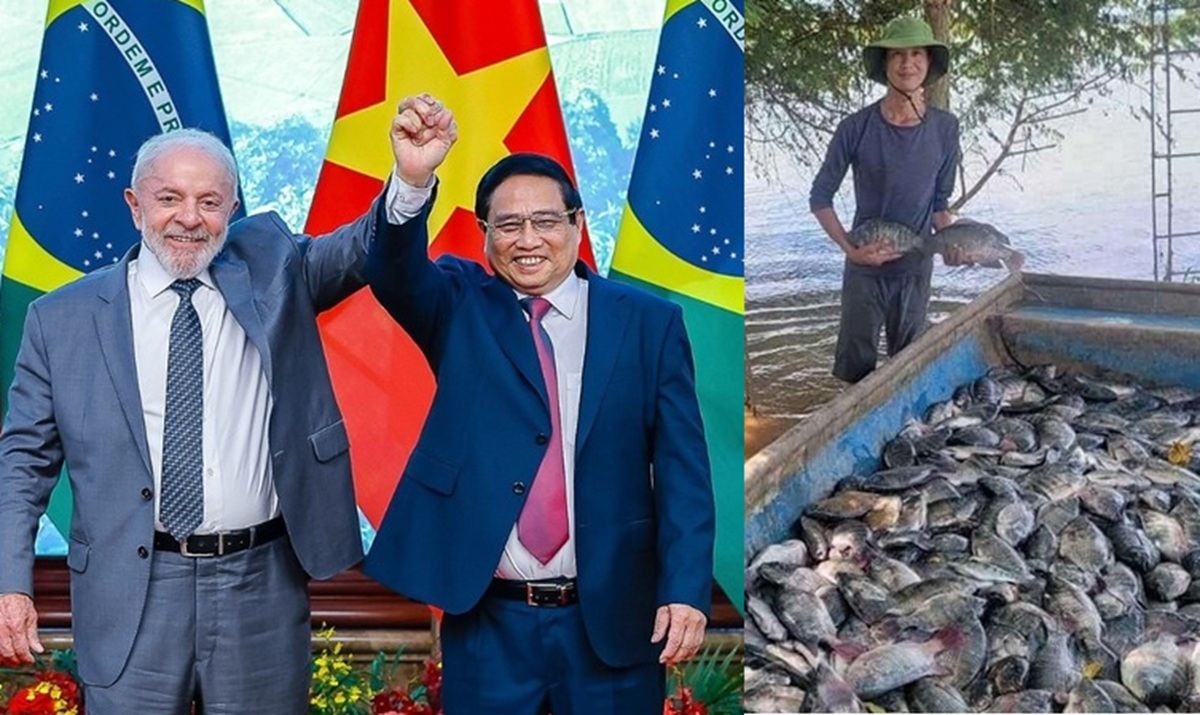


Even Though Brazil Is One of the Largest Producers in the World, It Faces Criticism After the Government Allowed the Import of Tilapia From Vietnam, Favoring External Competitors and Generating Uncertainty Among Producers and Workers in the Aquaculture Sector
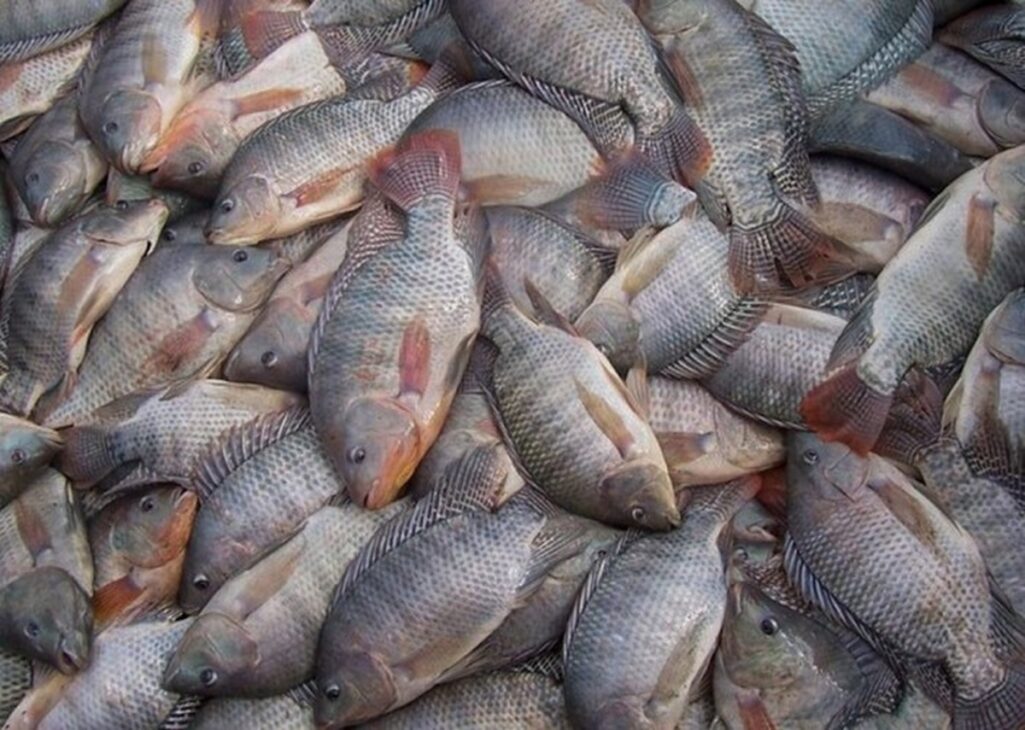
Did you know that Brazil is the fourth largest tilapia producer in the world, behind only China, Indonesia, and Egypt?
According to the PeixeBR Yearbook 2025, the country produced about 662.2 thousand tons of tilapia, representing an increase of 14.3% compared to 2023, when 579 thousand tons were recorded.
With this volume, the species accounted for 68.36% of all cultivated fish production in Brazil, reinforcing its absolute leadership in the sector.
-
You grew up hearing that the good coffee from Brazil goes all abroad and the bad coffee stays for Brazilians, but this story has completely changed, and the numbers show that in the 1980s, thirty percent of the coffee sold here was adulterated with corn and barley.
-
Engineer creates reforestation method that transforms small plots into dense forests in a few years using local biomass and can reduce environmental recovery costs.

-
Alone, the producer applies 7,400 hectares with the T100 drone in an optimized structure, replaces the generator with a silent battery, and demonstrates how technology reduces costs, increases productivity, and even challenges the uniport in the field.
-
China banned the export of 22 tons of meat from Argentina.

With a market that generates millions of reais and supports thousands of direct and indirect jobs, the sector has become strategic for the Brazilian economy.
This is why the recent decision by the federal government to allow the import of tilapia from Vietnam has generated outrage among producers and experts.
Government Allows Import of Vietnamese Tilapia
In April, the Ministry of Agriculture and Livestock (Mapa) revoked the ban that prevented the entry of tilapia from Vietnam. The measure was officialized through publication in the Official Gazette of the Union and has since been subject to strong criticism.
The Brazilian Association of Aquaculture (PeixeBR) classified the decision as “reckless.” According to the organization, “the revocation of this suspension disregards the sanitary risks previously pointed out and occurs amid commercial negotiations between the governments of Brazil and Vietnam.”
The measure is seen by the sector as a contradiction: instead of strengthening the domestic market and protecting national production, the government opens space for a direct competitor that could affect jobs and reduce the income of Brazilian families linked to aquaculture.
First Shipments Are Already on Their Way
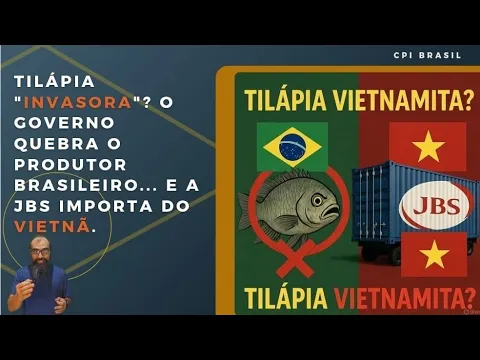
According to the Vietnamese press, on November 6, a container with 24 tons of Vietnamese tilapia left the port of Ho Chi Minh bound for Brazil.
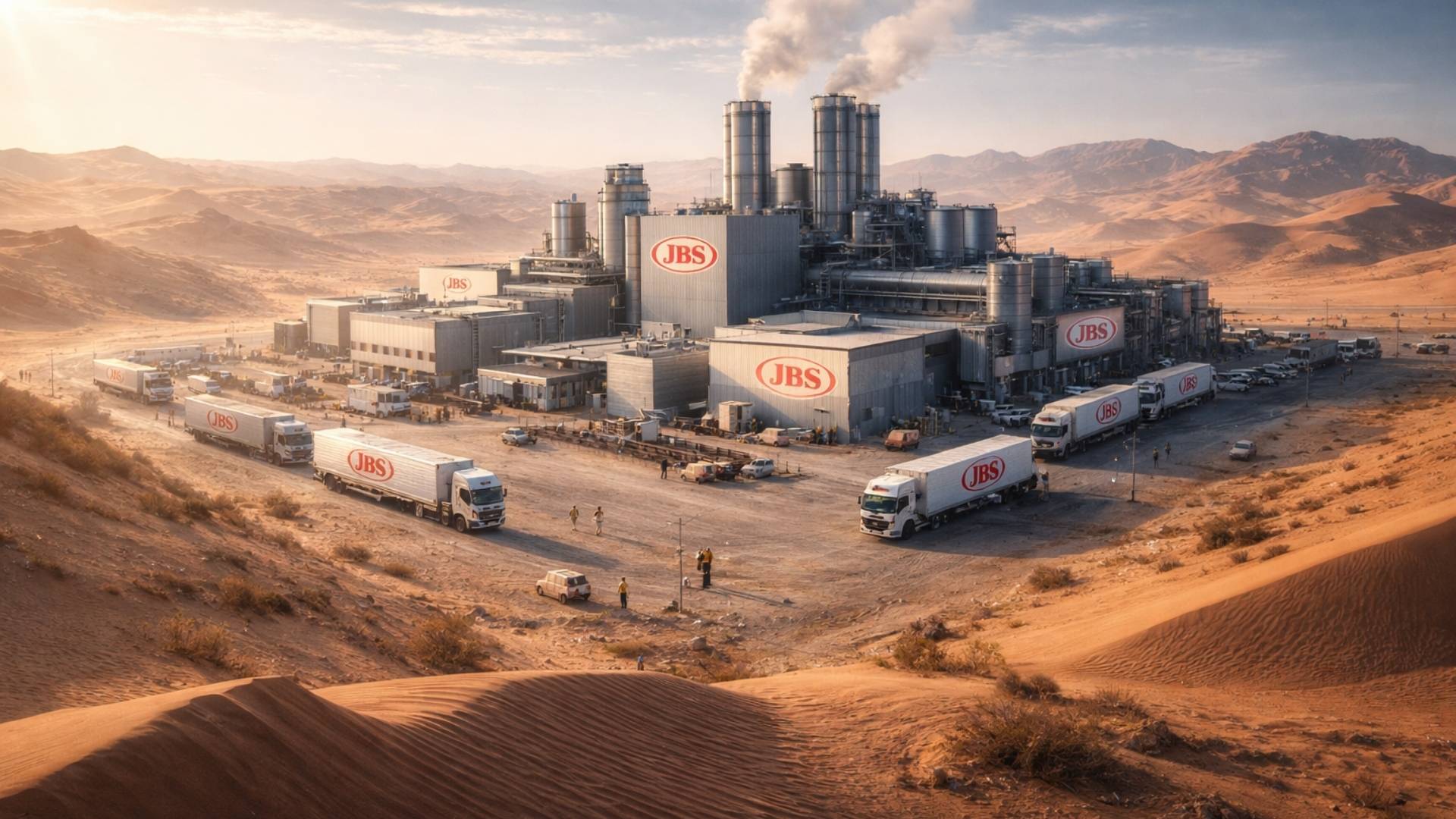
This is the first of 32 containers — totaling 700 tons — contracted by the JBS Group to supply the retail and food sector (HORECA), as well as the company’s product showroom.
The arrival of the cargo at the Santos port in São Paulo is scheduled for December 17, 2025.
The episode marked the first major commercial operation importing tilapia from Vietnam since the government’s release, reigniting the debate about the economic and social consequences of this decision.
Ministry of Fisheries Acknowledges Risk of Impact
When asked about the matter by CPG CLICK PETROLEO E GÁS, the Ministry of Fisheries and Aquaculture (MPA) stated that the responsibility for imports lies with the Ministry of Agriculture and Livestock (Mapa), “which directly handles food imports.”
The MPA also declared that “it has participated in discussions, always seeking the best solution for the sector.” When asked whether it acknowledges that the import may generate economic and social impacts on Brazilian producers, cooperatives, and workers, the ministry responded:
“We are assessing and monitoring the possible short and long-term impacts.”
The response indicates that the government itself admits the potential imbalance that the influx of foreign products may cause in a production chain that has shown strong performance and steady growth.
Meanwhile, the Ministry of Environment and Climate Change (MMA) limited itself to forwarding the link to the official note on the topic, stating that the inclusion of tilapia in the Official National List of Invasive Exotic Species “has a technical and preventive nature, not implying banishment, prohibition of use or cultivation.”

Producers Fear Bureaucracy and Loss of Competitiveness
Even with official guarantees that tilapia farming will continue to be allowed, the aquaculture sector sees the decision with concern.
The fear is that, in the name of trade agreements and technical decisions, the government may compromise one of the most promising segments of Brazilian agribusiness.
While Vietnam expands its presence in the global market, domestic producers fear seeing tilapia – a symbol of Brazilian aquaculture – swimming against the current of the country’s own public policies.
Tilapia Leads Brazilian Aquaculture
The numbers shown at the beginning of the article reflect the technological advancement and increased productivity in the main producing hubs, located in states like Paraná, São Paulo, Bahia, and Ceará.
According to the Seafood Brazil portal, growth has also been driven by the expansion of net tanks and the strengthening of the processing chain, which has ensured products with higher added value and better access to external markets.
In international trade, the sector exported about 13.7 thousand tons of farmed fish in 2024, with revenues of approximately US$ 59 million, according to data from Estadão Agro.
PeixeBR also estimates that national aquaculture – of which tilapia is the main component – generates around 3 million direct and indirect jobs throughout the country, driving a wide chain that ranges from feed production to processing and logistics.







JBS e lula, contra os produtores nacionais, governo ****, e não autorizou até agora a prisão dos presidentes e diretores que roubaram os aposentados do inss
É um dos maiores produtores do mundo e é cara,é mais de 10 reais o quilo que vende aqui,era para ser mais barato,o que interessa pra eles é exportação, tão reclamando abaixa o preço para brasileiro comer mais
Quem sabe agora abaixa quando chegar as tilápia.
E só fazerem o LLLLLL
AGORA E TARDE NAO REM O QUE FAZER E SENTAR E CHORAR VENDO A TILAPIA BRASILEIRA SE AFOFANDO PRA DAR ESPAÇO PARA O CONCORRENTE