





 Portuguese
  English
  Spanish
  5 min of reading
  0 comments


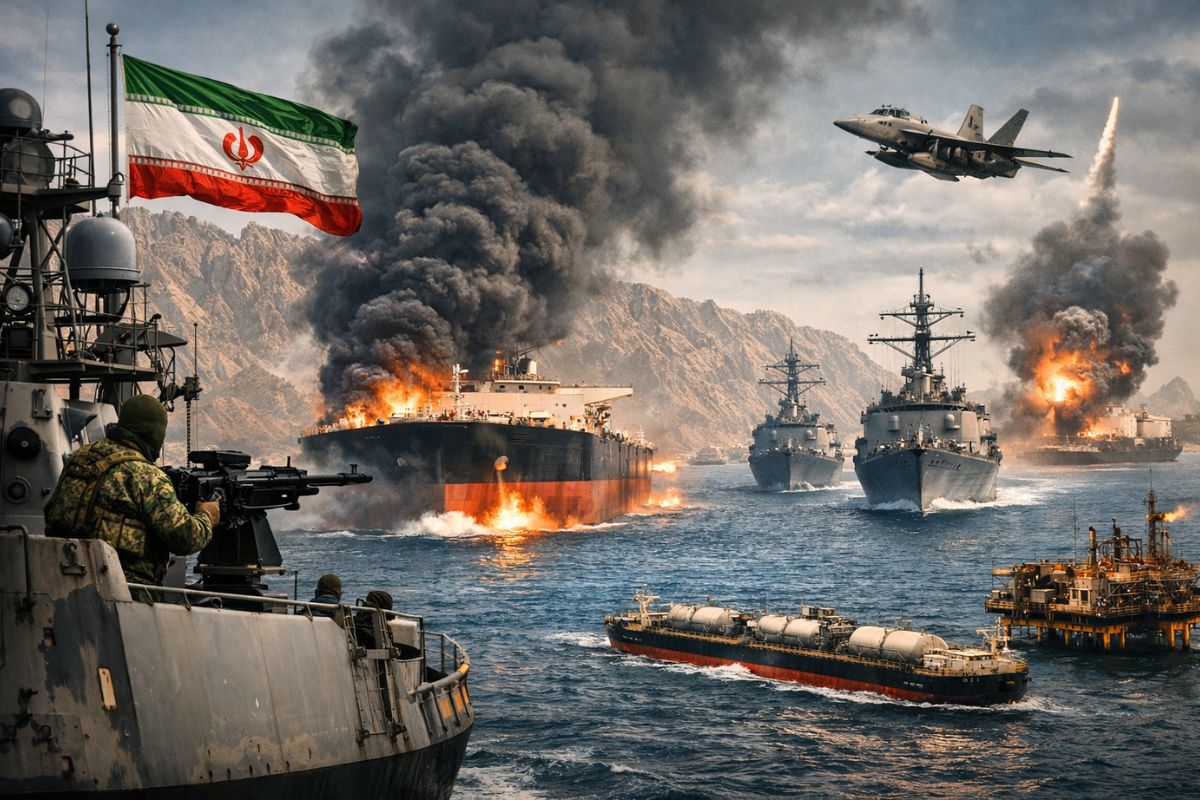
The Announcement By Iran, Attributed To The Revolutionary Guard, Comes After Attacks By The United States And Israel And Places The Strait Of Hormuz Back At The Center Of Energy Security. Approximately 20% Of The Oil And Gas Traded In The World Passes Through The Passage Between The Persian Gulf And The Gulf Of Oman.
The Iran announced on Monday (2) that it considers the Strait of Hormuz “closed,” a maritime corridor through which about one-fifth of the oil and gas traded globally passes. The signal raised the alert level among governments and markets, but so far, there is no official confirmation of a physical blockade of the passage.
The declaration comes after attacks carried out by the United States and Israel against targets in Iran over the last weekend, in an escalation that increased military tension in the Middle East. With the region at the center of the global energy chain, any doubt about crossing in Hormuz becomes, immediately, a risk of price, supply, and instability.
What Iran Announced And Why The Phrase “Closed Strait” Matters So Much
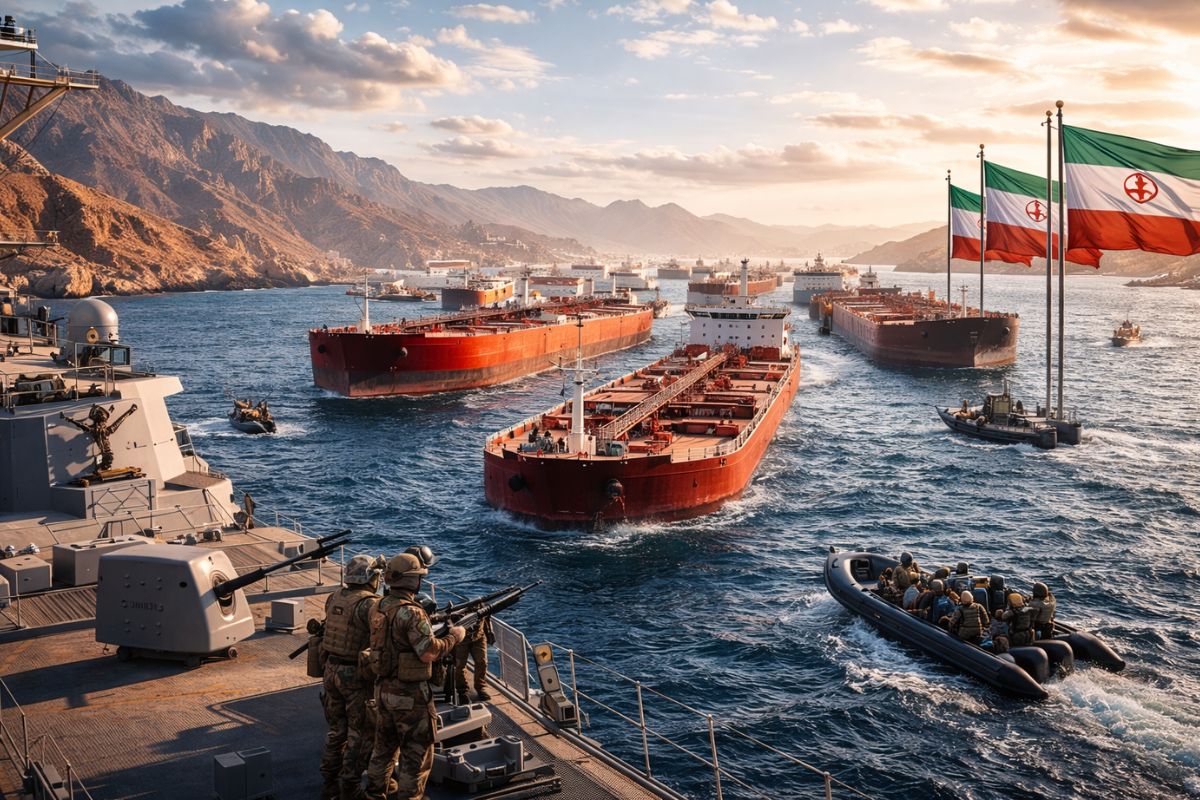
The announcement from Iran was associated with a statement from a commander of the Revolutionary Guard, who reportedly said that the country considers the Strait of Hormuz closed. In the same context, there was a threat to set fire to vessels attempting to cross the passage, raising the deterrence tone in the route.
-
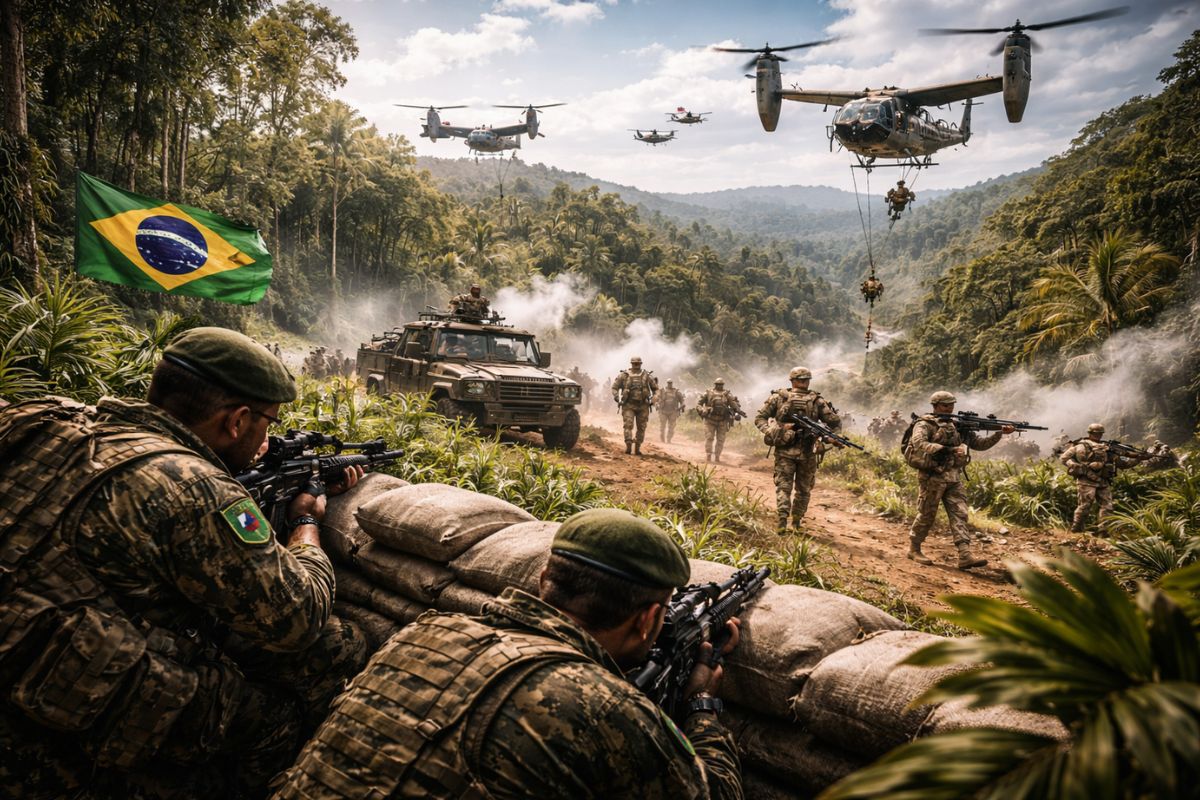
If the USA were to go to war with Brazil, Washington’s greatest fear would not be the attack itself, but facing a vast territory, prolonged resistance, and a costly, chaotic, and unpredictable occupation.
-
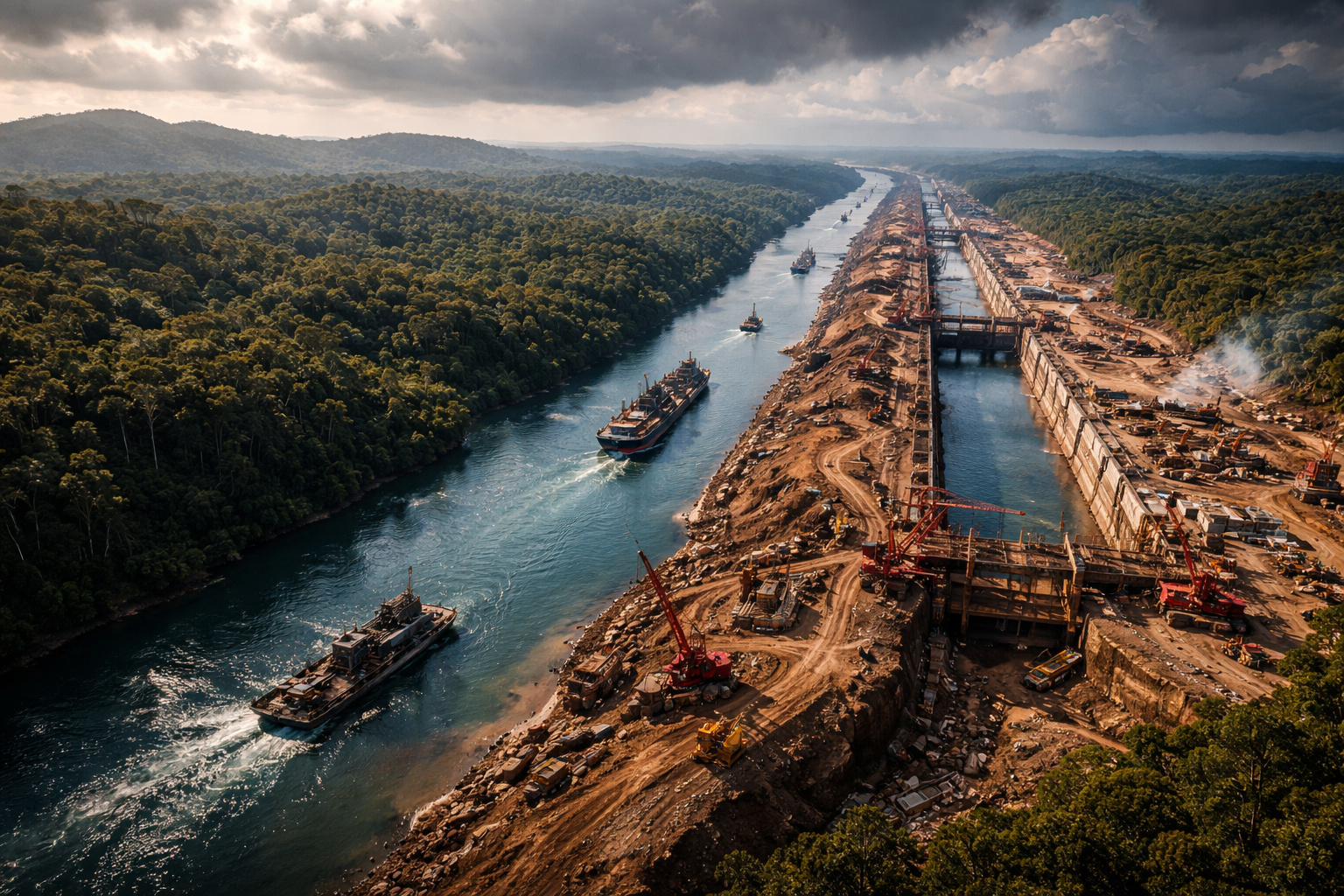
In 2013, Nicaragua sold the concession for a canal to rival Panama to a Chinese billionaire who lost 85% of his fortune, disappeared, and was declared bankrupt. Now the project resurfaces with a new route, a new Chinese partner, and a cost of $64.5 billion.
-
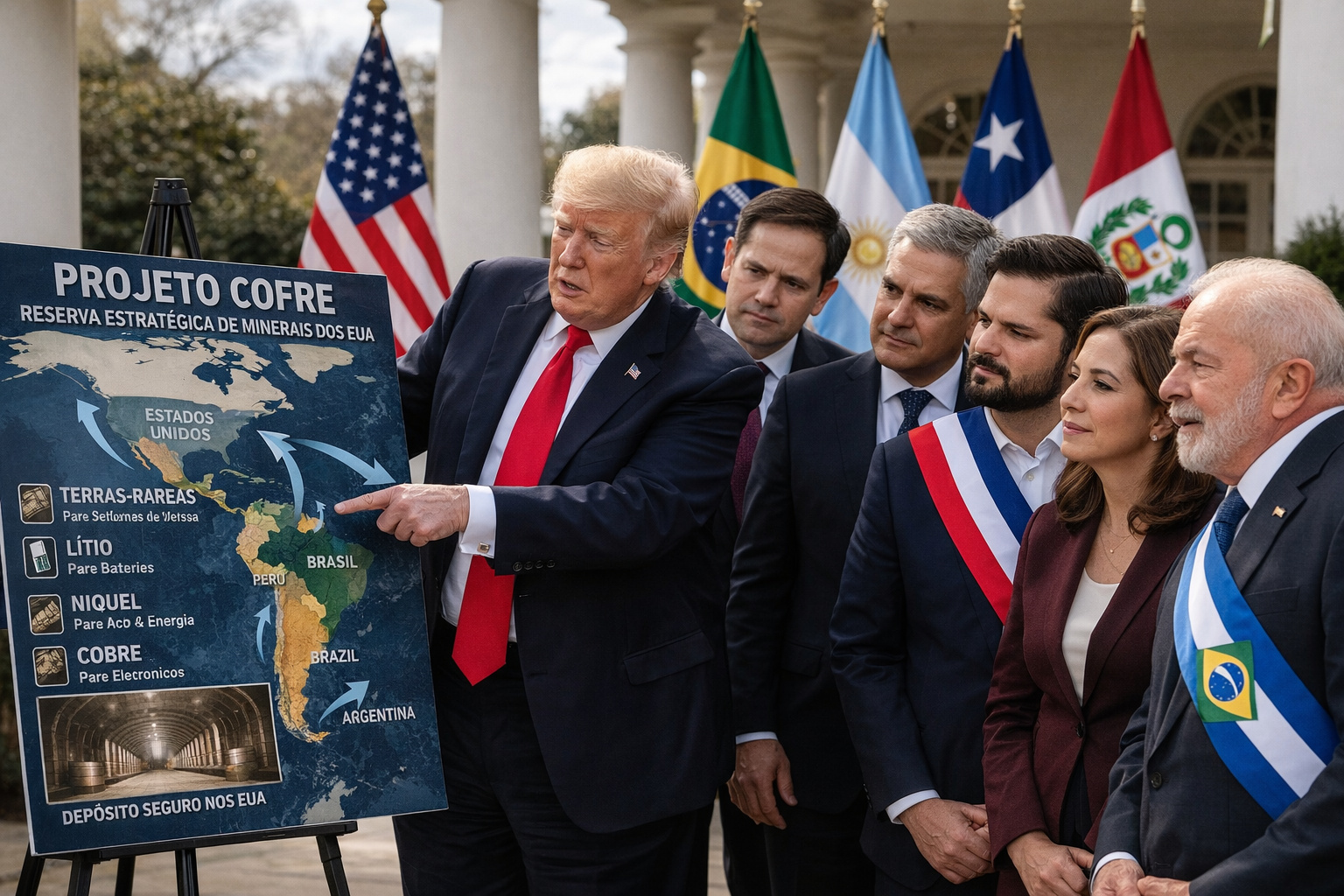
The USA announces a mysterious billion-dollar vault project to store critical minerals, but what intrigues experts is not just the plan itself, but why Latin America, including Brazil, has entered the center of this global dispute against China.
-
Trump Announces Bombing of U.S. Military Targets on Iranian Island Responsible for About 90% of Iran’s Oil Exports, Warns of Further Attacks if Navigation in Strategic Strait of Hormuz Is Threatened
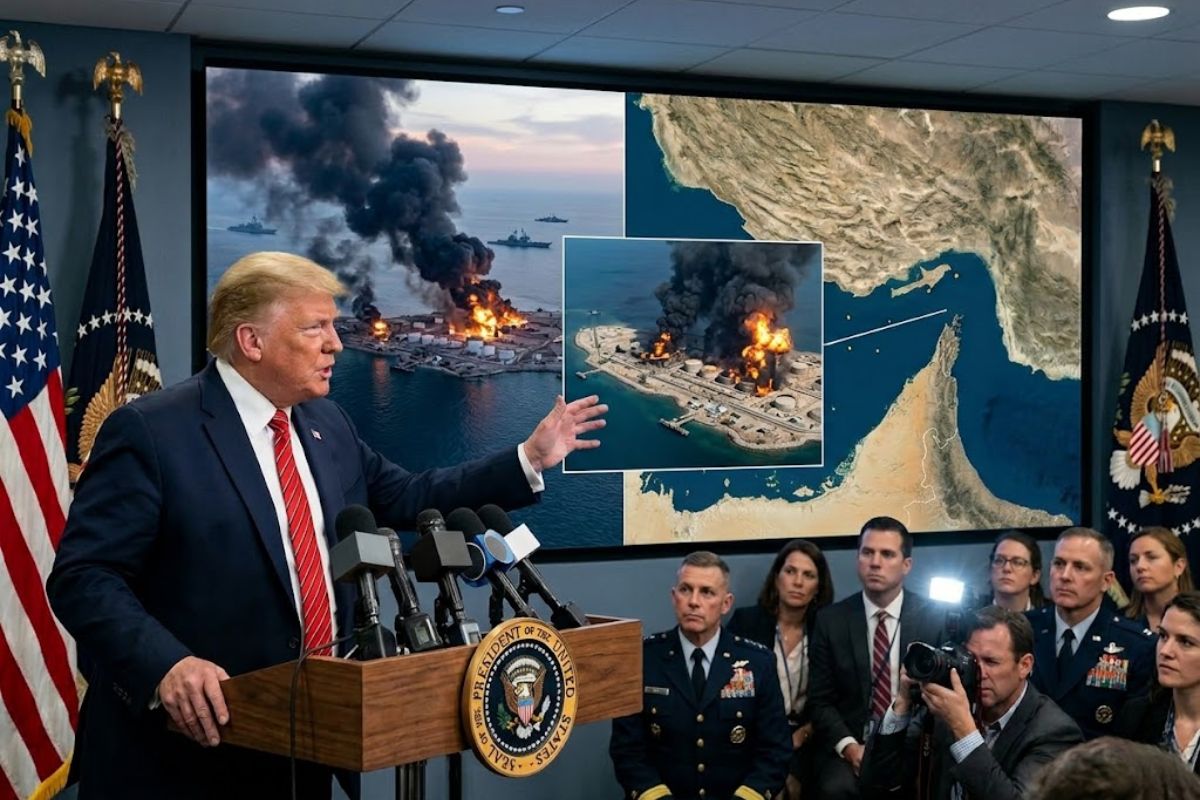

In practice, the term “closed” can serve as a political and military message even without a physical barrier installed.
The immediate effect is uncertainty, which influences navigation decisions, insurance, cargo planning, and risk assessment by governments and economic agents, especially when Iran shows willingness to retaliate.
Where The Strait Of Hormuz Is Located And Why It Concentrates The World’s Energy
The Strait of Hormuz connects the Persian Gulf to the Gulf of Oman and is shared by the territorial waters of Iran and Oman.
This means that the geography of the region pushes a large portion of the energy flow from the Middle East into a maritime bottleneck highly sensitive to tensions.
According to data from the United States government cited in the report, approximately 20% of the oil and gas traded in the world passes through this region.
When a route with such weight is at risk, the impact tends to spread: it leaves the military map and reaches the real economy, from the international oil price to the supply and costs of fuels.
Who Depends On Hormuz And How An Interruption Would Affect The Global Chain
A large portion of the shipments that cross the area involves production from Middle Eastern countries, including Iran, Iraq, Kuwait, Qatar, Saudi Arabia, and the United Arab Emirates. This helps explain why Hormuz is not a “local” concern: it connects several producers to the rest of the planet.
If the transit becomes unstable, the shock can appear on two levels simultaneously: supply risk and cost risk.
Even without an immediate product shortage, the simple increase in transportation and insurance costs can pressure prices, fueling expectations of rising fuel costs and increasing tension in markets that operate with logistical predictability.
The Military Escalation Behind Iran’s Announcement
The threat linked to the Strait of Hormuz came after the increase of military tensions in the region. The United States and Israel launched attacks on Saturday (28) against targets in Iran, amid disputes involving the Iranian nuclear program, which placed the crisis at a new level of confrontation.
In the report mentioned, Iranian state media claimed that the country’s supreme leader, Ayatollah Ali Khamenei, had died following an attack attributed to Israel.
As information of this nature can circulate quickly in war and propaganda scenarios, the practical consequence is to accelerate political and military decisions, including statements from Iran about retaliations and pressure points, such as Hormuz.
International Reactions And The Psychological Effect On Markets And Governments
The president of Iran, Masoud Pezeshkian, stated that the country considers a military response a “legitimate right,” signaling that Tehran does not intend to treat the episode merely as an isolated incident.
In parallel, the report mentions that Iran declared it would retaliate against Middle Eastern countries housing U.S. military bases, broadening the scope of tension.
On the U.S. side, Donald Trump stated that new Iranian retaliations could provoke a more intense military response from the country.
When leaders exchange public warnings, the market tends to price in the worst-case scenario before confirmation, because energy and logistics are sectors where risk anticipation usually drives rapid decision-making.
What Has Not Happened Yet And Why It Matters Now
Despite the announcement from Iran and the threatening tone associated with the Revolutionary Guard, the situation described in the report highlights a decisive point: so far, there is no official confirmation of a physical blockade of the maritime passage in the Strait of Hormuz. This detail changes the interpretation of the moment, as it separates the rhetoric from an effective interruption.
Still, the absence of a blockade does not eliminate the risk, it only keeps it in a state of continuous observation.
Governments and markets monitor the evolution because the Strait of Hormuz is a bottleneck: any move by Iran that restricts, delays, or intimidates crossing can reverberate in international prices and, ultimately, in the cost of fuels.
The announcement from Iran regarding the Strait of Hormuz combines strategic geography, military escalation, and a direct message to the global energy system: when the main oil and gas corridor enters the center of conflict, the risk shifts from being regional to planetary.
With the lack of confirmation of a physical blockade, the world remains between alert and waiting for concrete signs of what comes next.
And you: do you believe that Iran is using Hormuz more as political pressure or as preparation for a real action? If fuel prices rise, what would be the most immediate impact on your routine: transportation, food prices, or energy costs?






Seja o primeiro a reagir!