





 Portuguese
  English
  Spanish
  4 min of reading
  2 comments


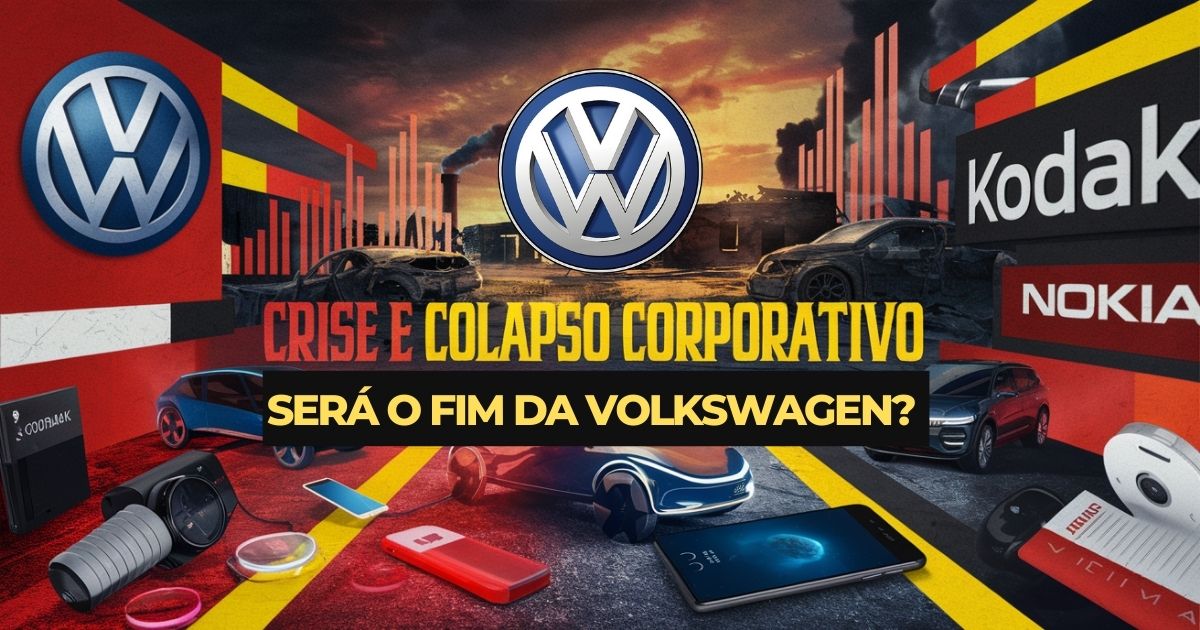


In The Middle Of An Automotive Market Revolution, Volkswagen Struggles To Adapt To The Future Of Electric Cars. Internal Problems And Chinese Competition Put Its Survival At Risk. Will The German Giant Manage To Reinvent Itself In Time Or Follow The Steps Of Kodak And Nokia?
The Global Automotive Market Is Experiencing A Radical Transformation, Putting The Survival Of Even The Largest Automakers At Risk.
Amidst this turmoil, Volkswagen, One Of The Industry Leaders, Faces Challenges That Raise A Disturbing Question: Is The Company At Risk Of Repeating The Fates Of Giants Like Kodak And Nokia, Who Were Overtaken By Technological Innovations?
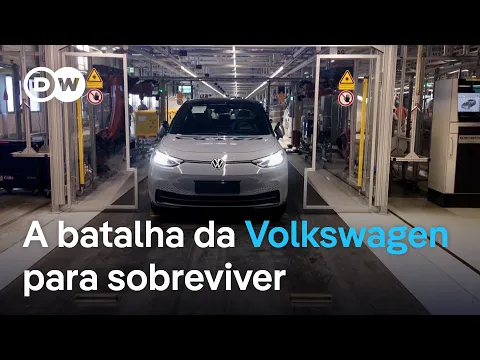
According To The Channel DW Brasil, Volkswagen Announced Drastic Measures To Tackle The Crisis, Such As Cost Reductions, Factory Closures, And Mass Layoffs.
-
50 viaducts, 4 tunnels, 28 bridges, and 40 kilometers of bike paths: BR-262 in Espírito Santo will receive 8.6 billion reais for the largest engineering project in the state’s history, inspired by the Immigrant Highway in São Paulo.

-
Brazil produces too much clean energy and doesn’t know what to do with it: over 20% of solar and wind capacity was wasted in 2025 while investors flee and 509 renewable generation projects were abandoned in the last year.

-
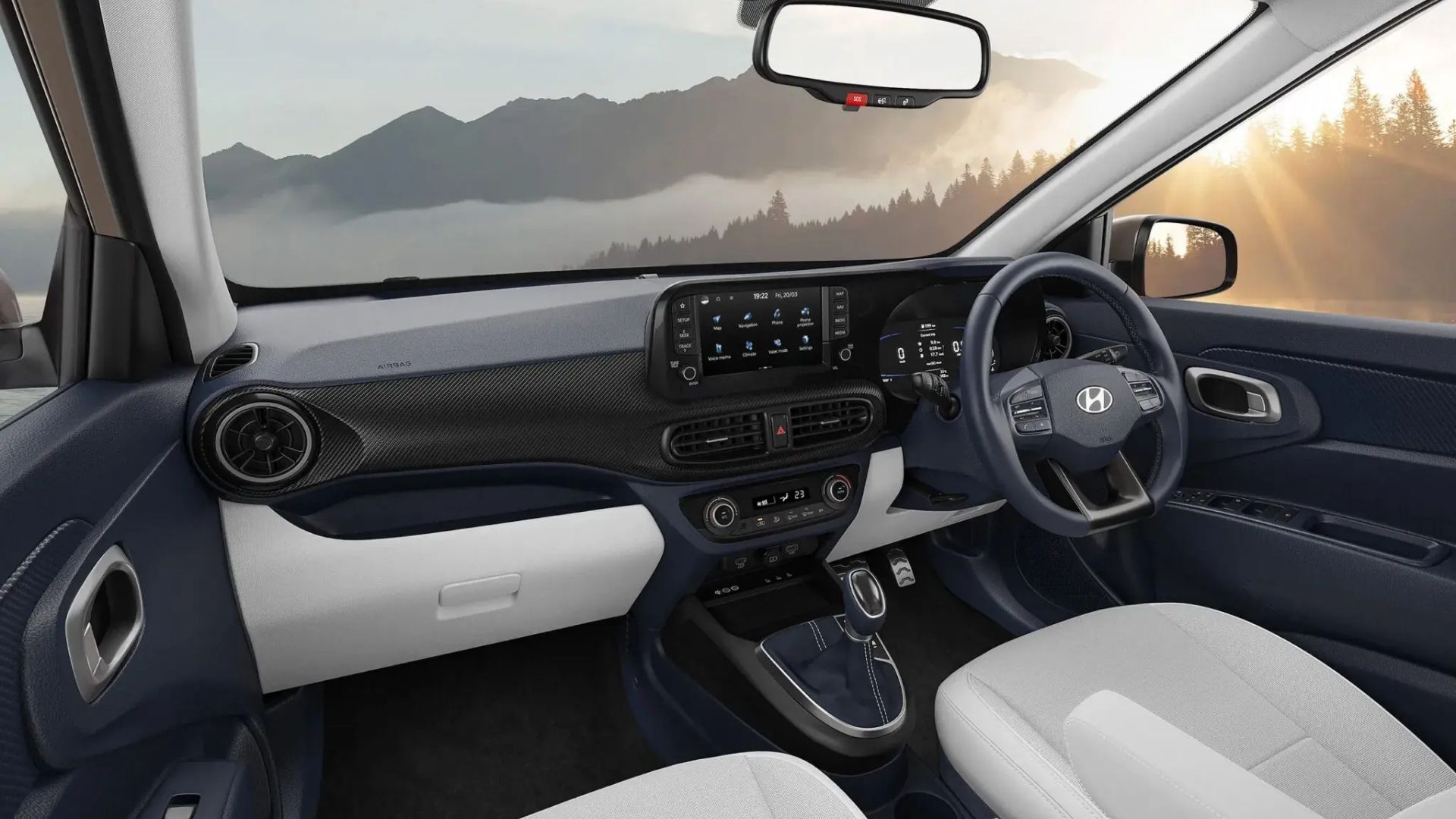
For R$ 32,000, a brand new Hyundai car is a rival to the Kwid with a 1.2 engine producing 82 hp, 6 airbags as standard, multimedia with wireless Android Auto, up to 391 liters in the trunk, and a refreshed look for 2026 in India.
-
He bought a new car in 1983, locked it in the barn in 1988, and no one opened the door for 38 years until the family discovered what was stored inside and realized it looked like something out of a movie.


The Situation Of The German Automaker Mirrors The Stories Of Kodak, Which Dominated The Photography Market Before Digitalization, And Nokia, A Leader In Mobile Telephony Before The Rise Of Smartphones. But Is Volkswagen Really Fated To The Same Destiny?
The New Automotive Paradigm
The Automotive Sector Is In The Midst Of A Technological Revolution. Today’s Cars Are Computers On Wheels, And External Design And Combustion Engines, Once Major Attractions, Have Lost Their Prominence.
The Current Focus Is On Electric Vehicles, Defined By The Quality Of Their Batteries And The Integration Of Intelligent Systems, The So-Called Software Defined Vehicles (SDVs).
According To DW Brasil, Volkswagen Faces Intense Competition In The Battery Market. “Chinese Manufacturers Together Hold An Overwhelming Dominance In This Sector,” Reports The Channel.
This Means That Western Automakers, Including Volkswagen, Struggle To Compete With The Competitive Prices And Production Scale Of Asian Companies.
A Practical Example Is The Electric Model Volkswagen ID.7. Although Its Battery Can Last Over 700 Km On A Single Charge, The High Price Of Around €55,000 (Approximately R$350,000) Makes It Unaffordable.
Internal Conflicts And External Challenges
In Addition To Technological And Market Issues, Volkswagen Faces A Serious Internal Crisis, With Worker Protests Demanding A 7% Salary Increase And Job Security.
According To DW Brasil, Employees Question The High Dividends Paid To Shareholders While The Company Plans Significant Cuts To Save Up To €5 Billion.
On The Other Hand, The Competition With Chinese Manufacturers And Companies Like Tesla And BYD, Who Are Already Digital Natives, Intensifies The Pressure.
“Electronic Platforms For Vehicles, Which Function As The Brain Of Modern Cars, Are The Future,” Explained The Channel.
However, Volkswagen Still Struggles To Adapt To This Model, With Its Software Subsidiary, Cariad, Delivering Results Below Expectations Despite High Investments.

Inevitable Comparisons
What Is Happening To Volkswagen Is Similar To What Happened To Kodak And Nokia, Argues DW Brasil.
“The Transition In The Automotive Sector Is Slow, But The Consequences Can Be As Dramatic As Those Seen In Mobile Telephony,” Say The Experts Cited By The Channel.
Kodak, For Example, Led The Market In Photographic Film But Could Not Adapt To Digitalization And Ended Up Practically Extinct.
Nokia, A Telecommunications Giant, Lost Its Relevance With The Arrival Of Smartphones And Companies That Dominate The Market Today, Such As Apple And Samsung.
Thus, The German Channel Warns That Volkswagen Needs To Acknowledge Its Problems And Adopt A “Reality Shock” To Avoid A Similar Fate.
Future Perspectives
Despite The Crisis, Volkswagen Remains The Second Largest Car Manufacturer In The World, Behind Only Toyota.
In 2023, The Company Sold Over 9 Million Vehicles And Employs Approximately 680,000 People Globally.
However, To Maintain Its Competitiveness, The Automaker Will Have To Transform Into A Technology Company To Compete With More Agile, Innovative Rivals.
According To Experts, The Path For Volkswagen Will Be To Invest In Strategic Partnerships.
Recently, The Company Formed Alliances With Rivian, Focused On The North American Market, And Xpeng, Targeting The Chinese Market.
These Collaborations Aim To Accelerate The Development Of Software Technologies And Electronic Platforms.
But Will These Changes Be Sufficient To Ensure The Future Of The German Giant?
While A Definitive Answer Is Still Nonexistent, One Thing Is Certain: The Automotive Market Is Transforming, And Only The Most Innovative Will Survive.
An Uncertain Future At Volkswagen
As Highlighted By DW Brasil, The First Step To Solving Any Problem Is To Acknowledge It. Will Volkswagen Be Able To Reinvent Itself In Time? Or Will We See Another Industry Giant Succumb To Market Changes?
The Revolution Of Electric Cars And The Rise Of Chinese Technologies Represent A Threat Or An Opportunity For Volkswagen? Join The Discussion In The Comments And Share Your Opinion!








O artigo e parcial ao colocar a falência do grupo Kodak como inadaptacao a novas tecnologias, mera falácia. A Kodak foi a inventora da câmera digital e não querer desenvolve-la foi uma opção mercadológica ou seja um erro administrativo devido ao vasto portifólio da empresa em implementos para fotografia analogica.
Acho que o autor da Nokia, só deve conhecer o celularzinho que teve no passado. A Nokia é atualmente a empresa com maior portfólio de equipamentos de comunicações profissionais. Transmissão Ótica, Rádio, GPON, MPLS, etc.
Tem que ler mais…