





 Portuguese
  English
  Spanish
 5 min of reading
  0 comments


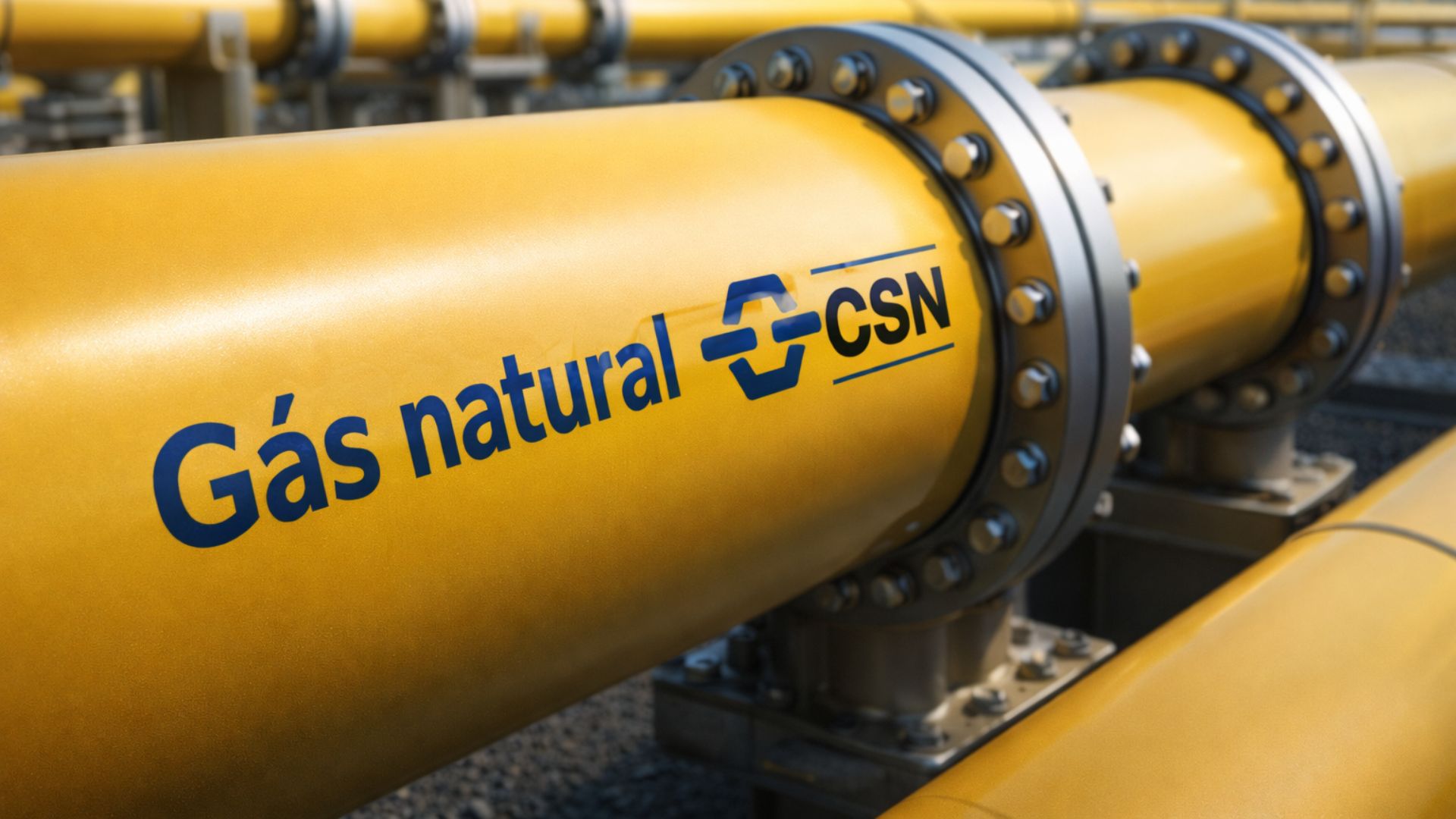
ANP Authorization Allows CSN to Import Natural Gas from Argentina and Bolivia via Gasbol, Enhancing Energy Security, Operational Flexibility, and Industrial Competitiveness in Brazil
On December 19, 2025, Companhia Siderúrgica Nacional (CSN) received authorization from the National Agency of Petroleum, Natural Gas and Biofuels (ANP) to import natural gas from Argentina and Bolivia, using the Bolivia-Brazil Gas Pipeline (Gasbol) as an entry route into the country. The authorization was published in the Official Gazette and allows the company to purchase the input directly from foreign producers without the need for intermediaries.
ANP Authorization Reinforces CSN’s Strategy in the Natural Gas Market
The decision represents a strategic advancement in CSN’s energy management, as it enhances its autonomy in supply, reduces operational risks, and strengthens regional energy integration. The regulatory approval authorizes the importation of up to 365 million cubic meters of natural gas per year, entering through the municipality of Corumbá (MS), the main access point of Gasbol to the Brazilian market.
The authorization granted by the ANP consolidates CSN‘s presence in the Brazilian natural gas market, especially after the company obtained permission in October to formally act as a seller of the input. Since then, the steelmaker has stood out as one of the most active players in the spot market.
-
Brazilian giant expands borders in the Southeast: Petrobras confirms new oil discovery in ultra-deep waters in the pre-salt of the Campos Basin.

-
Alert in the global energy market: Severe tropical cyclone hits the coast and disrupts gas production at major plants in Australia, threatening global supply.
-
Petrobras finds high-quality oil in the pre-salt at 113 km from RJ and reignites expectations about strategic reserves in the Campos Basin.

-
Ocyan opens registrations for startups focused on innovation in the oil and gas sector and will select projects for Innovation Day with the support of Nexio.


This move increases the company’s flexibility in managing its energy portfolio, allowing it to operate both in the buying and selling of gas. The ability to trade excess volumes reduces losses associated with unconsumed gas and contributes to maximizing financial results, especially in a sector characterized by seasonal variations and economic cycles.
According to disclosed information, CSN considers this expansion a natural evolution of its operations, given the accumulated knowledge and the relevance of gas in its energy matrix.
Importation of Natural Gas from Argentina and Bolivia via Gasbol
The authorization allows CSN to import natural gas from Argentina and Bolivia, two countries with a consolidated history in the production and export of the fuel. The Gasbol, operated by the Bolivia-Brazil Gas Pipeline Transporter (TBG), is currently the main infrastructure for gas integration between these markets and Brazil.
Bolivia continues to play a central role as a logistical corridor, connecting Argentine production to the Brazilian market. This configuration reinforces the strategic importance of the gas pipeline, even in a context of reconfiguration of regional energy flows.
The use of an existing infrastructure reduces transportation costs, increases supply predictability, and makes operations more competitive for large industrial consumers.
Imported Natural Gas Will Be Destined for CSN’s Unit in Volta Redonda
The primary destination for imported natural gas will be CSN’s industrial unit in Volta Redonda (RJ), considered the largest and most strategic plant of the company. The steel operation requires high and continuous volumes of energy for processes such as furnace heating, steel production, and rolling.
Ensuring a diversified and stable gas supply is essential for the unit’s competitiveness, especially in light of price fluctuations and uncertainties in the domestic market. Direct importation allows for greater cost predictability and expands the company’s operational planning capacity. Moreover, diversification of sources reduces dependence on specific contracts and strengthens the energy resilience of the industrial operation.
CSN Expands Its Role in the Natural Gas Trade
CSN’s entry into the natural gas trading activity, authorized by the ANP, represents a significant shift in its strategy. The company transitions from being merely a buyer of the molecule to also acting as a seller, taking advantage of market opportunities.
This flexibility is particularly important given the erratic demand profile of the steelmaker, which can vary according to the level of industrial activity, scheduled maintenance, and macroeconomic conditions.
The ability to resell excesses helps mitigate losses associated with unconsumed gas and transforms gas into a strategic asset within the company’s financial and operational management.
Energy Integration Between Brazil, Argentina, and Bolivia Gains Strength
The decision involving CSN, ANP, Argentina, Bolivia, and Gasbol reinforces a broader movement of energy integration in South America. Cross-border trade of natural gas has been identified as one of the most efficient ways to enhance regional energy security.
The integration among the three countries increases source diversification, reduces supply risks, and contributes to greater market stability. For Brazil, the maintenance and intensive use of Gasbol are strategic, both from an economic and geopolitical perspective.
Moreover, the expansion of regional gas flows stimulates competition and favors more balanced commercial conditions for industrial consumers.
Context of the Brazilian Natural Gas Market and the Role of ANP
The Brazilian natural gas market is undergoing a gradual opening process, driven by the New Gas Market and regulatory initiatives led by the ANP. The entry of large industrial consumers into trading is one of the most visible effects of this process.
The direct involvement of companies like CSN increases market liquidity, reduces concentration, and contributes to the formation of prices more aligned with supply and demand conditions.
In this scenario, the authorization granted by the regulatory agency signals legal predictability and institutional trust, essential factors for attracting new agents and investments to the sector.
Bolivia Maintains a Strategic Role in the Regional Natural Gas Flow
Despite the growth of Argentine production in recent years, Bolivia continues to play a fundamental role as a transit country for natural gas destined for Brazil. Gasbol remains one of the continent’s main energy integration assets.
The use of this route demonstrates the importance of regional cooperation, even in an environment of transformations in the South American energy market. For Brazil, maintaining this infrastructure operational and economically viable is essential to ensure supply alternatives in the medium and long term.
Impacts for CSN and the Brazilian Energy Sector
The ANP authorization for CSN to import natural gas from Argentina and Bolivia via Gasbol represents a significant advancement for both the company and the Brazilian energy sector. The move enhances the company’s autonomy, strengthens its portfolio management, and increases operational efficiency.
At the same time, it reinforces regional energy integration, stimulates competition in the gas market, and contributes to a more dynamic and resilient environment. For the national industry, initiatives like this signal a path towards greater energy security, cost predictability, and competitiveness in the regional scenario.









Seja o primeiro a reagir!