





 Portuguese
  English
  Spanish
  4 min of reading
  0 comments


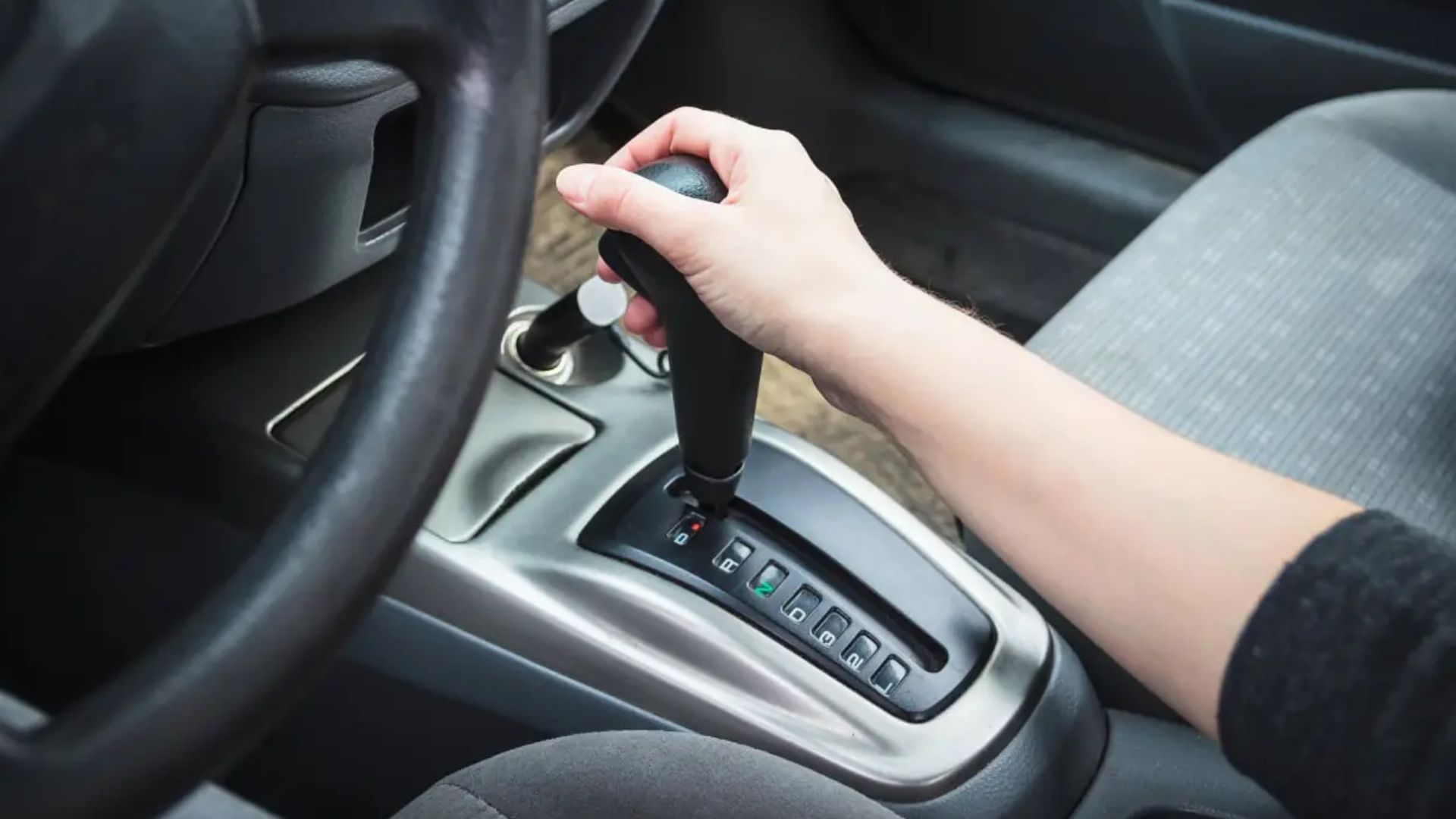
Experts Warn That Turning Off an Automatic Car Incorrectly Can Damage the Transmission and Result in Costly Repairs. A Simple Detail in the Order of Commands Can Protect Your Vehicle and Extend the Lifespan of the Automatic Transmission.
Turning off an automatic car seems like a simple task, but it can hide a common mistake that, over time, compromises the vehicle’s transmission.
Experts and manufacturer manuals recommend a procedure that can extend the lifespan of the automatic transmission and avoid maintenance costs.
This practice, overlooked by many drivers, is directly related to the correct use of the gear lever and the parking brake.
-
OMODA & JAECOO grows in Europe in 2026 with an integrated strategy of sales, innovation, local production, and technological advancement in the United Kingdom, Italy, and Spain.

-
OMODA & JAECOO expands after-sales service in Brazil with competitive maintenance, a 7-year warranty, and high availability of parts for technological SUVs.

-
OMODA & JAECOO appoints Alessandra Souza as executive marketing director in Brazil and accelerates brand expansion with a focus on innovation, networking, and hybrid portfolio.

-
Jaecoo 7 with super hybrid SHS system exceeds 1,200 km of combined range with a 1.5 turbo engine, high-density battery, and intelligent energy management.

The correct sequence when parking an automatic car helps avoid wear on the part called the “parking pawl” — a small metal pin responsible for keeping the car locked when in the “P” position.
According to mechanics and defensive driving instructors, most drivers make the mistake of simply shifting the transmission directly to “P” and only then engaging the handbrake, especially on hills.
This seemingly harmless habit transfers the entire weight of the car to the automatic transmission system, which can cause jolts when starting and premature mechanical wear.
Automatic Transmission and Wear on the Gear Lock
The automatic transmission has a component called the “parking pawl,” activated when the driver shifts the lever to “P” (for Parking).
At this moment, an internal pin engages with a gear in the transmission case, preventing the car from moving.
This mechanism is designed to act only as an additional safety feature, not as the primary means of holding the vehicle on a hill.
Therefore, when the pawl is forced with the full weight of the car — especially on inclined surfaces — the pin may deform, causing cumulative damage and mechanical failures, according to automatic transmission technicians consulted by specialized workshops.
“This type of wear does not show immediate signs, but it can seriously compromise the transmission over time,” warns automotive mechanic Edson Ferreira, who has worked for 25 years in the south zone of São Paulo.
“And repairing a damaged automatic transmission can easily cost more than R$ 8,000.”
Correct Procedure to Turn Off Automatic Car
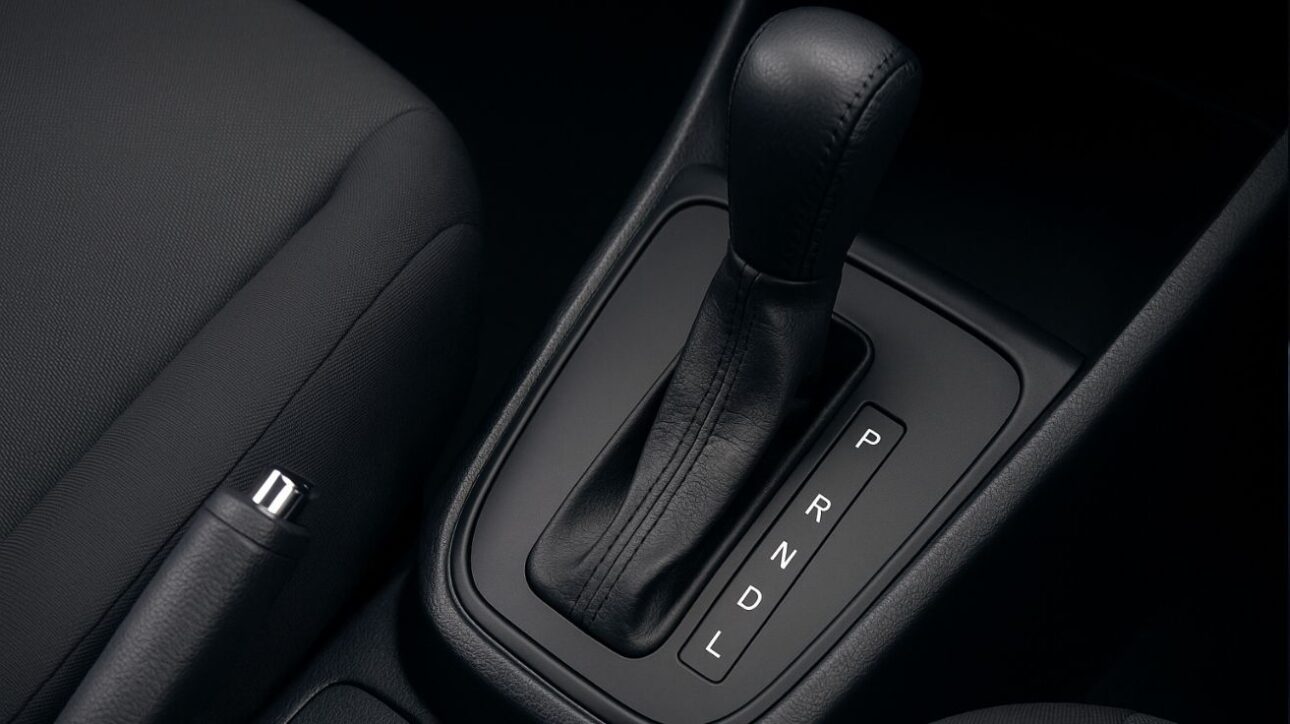
The safest and technical way to turn off the vehicle, especially on inclines, is to follow a simple order, starting with the gear in “N” (Neutral) and prioritizing the parking brake.
See the recommended procedure:
- Keep your foot on the brake.
- Shift the lever to “N.”
- Engage the parking brake.
- Release the brake and wait for the car to rest on the handbrake.
- Only then shift the transmission to “P.”
- Turn off the engine.
This sequence reduces stress on the transmission and preserves the mechanical assembly.
The method is even more important for heavier vehicles, such as SUVs and pickups, and for drivers who frequently encounter inclined parking.
In more modern models with electronic parking brakes, the concept remains the same: the brake should always be engaged before shifting the transmission to “P”.
Handbrake on Level Ground Also Matters
Even on flat surfaces, maintaining the habit of the technical procedure helps create a correct routine and prevents forgetting the handbrake in more critical situations.
“You never know when the ground might have a slight incline. Forming the right habit protects the car and avoids surprises,” emphasizes Ferreira.
Additionally, this practice ensures greater comfort when returning and shifting the car out of “P”, avoiding the well-known “jolt” that occurs when the transmission is under tension.
What Do the Manufacturers’ Manuals Say
Vehicle manuals from brands like Toyota, Volkswagen, Chevrolet, and Honda offer similar instructions.
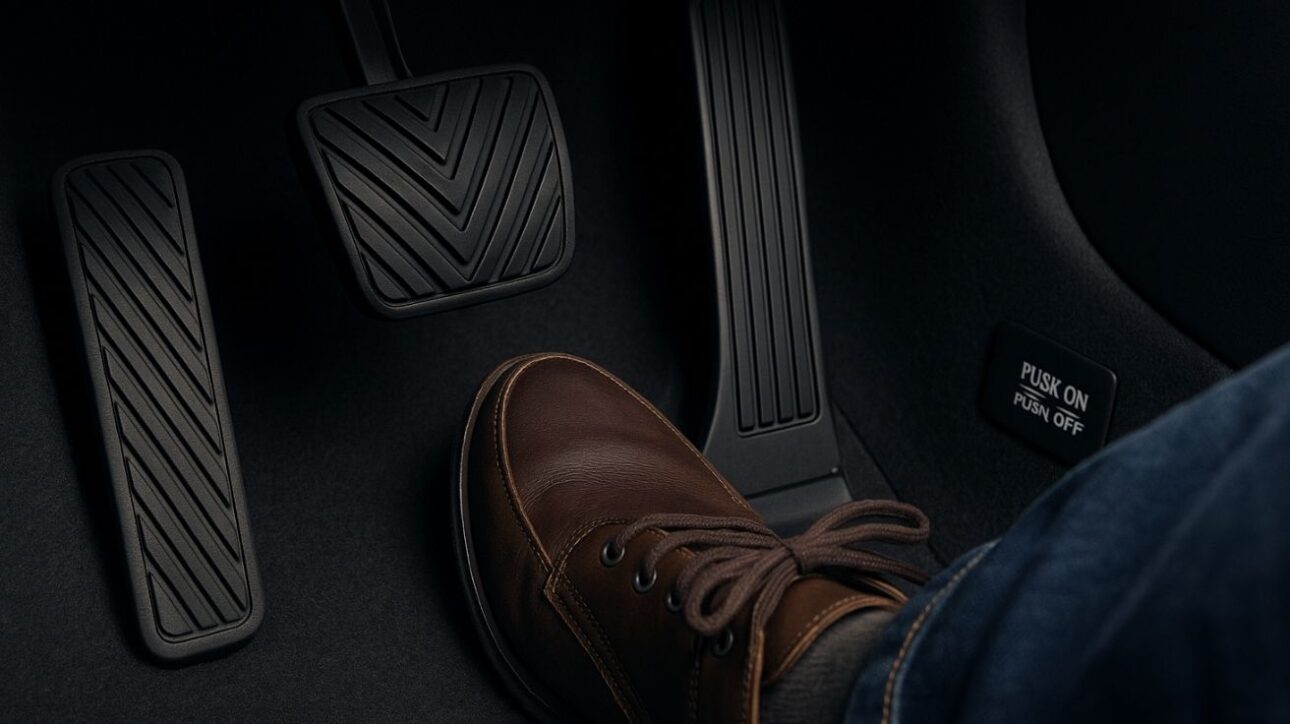
In all cases, there is a recommendation to use the parking brake as the main means to keep the car stationary. The “P” should be used only as a supplementary safety measure.
The technical material from Toyota, for example, specifies: “To avoid excessive strain on the parking pawl, apply the parking brake with the lever in N, before moving to P.”
Experts warn that, although the transmission is robust, repairs can be costly.
“The automatic transmission is a sophisticated system, and any maintenance outside of warranty represents a significant expense,” emphasizes automotive technical consultant Cláudio Bernardi.
Lack of Information Among Drivers
A large portion of drivers learns empirically or from family members, without formal instruction regarding automatic transmissions.
For this reason, the practice of putting the car directly into “P” without the handbrake is widespread, especially among drivers who recently switched from manual cars.
“It’s a deep-rooted habit, and since the car doesn’t show immediate errors, people think everything is fine.
They only realize when the transmission starts having trouble engaging or making noises when starting,” explains Bernardi.
This lack of guidance also affects fleet operators and app drivers, who often share vehicles and accelerate wear due to the lack of knowledge about good practices.
Did you already know this procedure or have you always turned off your automatic car by going straight to “P”?











-

-

-

-

30 pessoas reagiram a isso.