





 English
  Francês
  Alemão
  Italiano
  Japonês
  Norueguês
  Portuguese
  Spanish
 3 min of reading
  0 comments


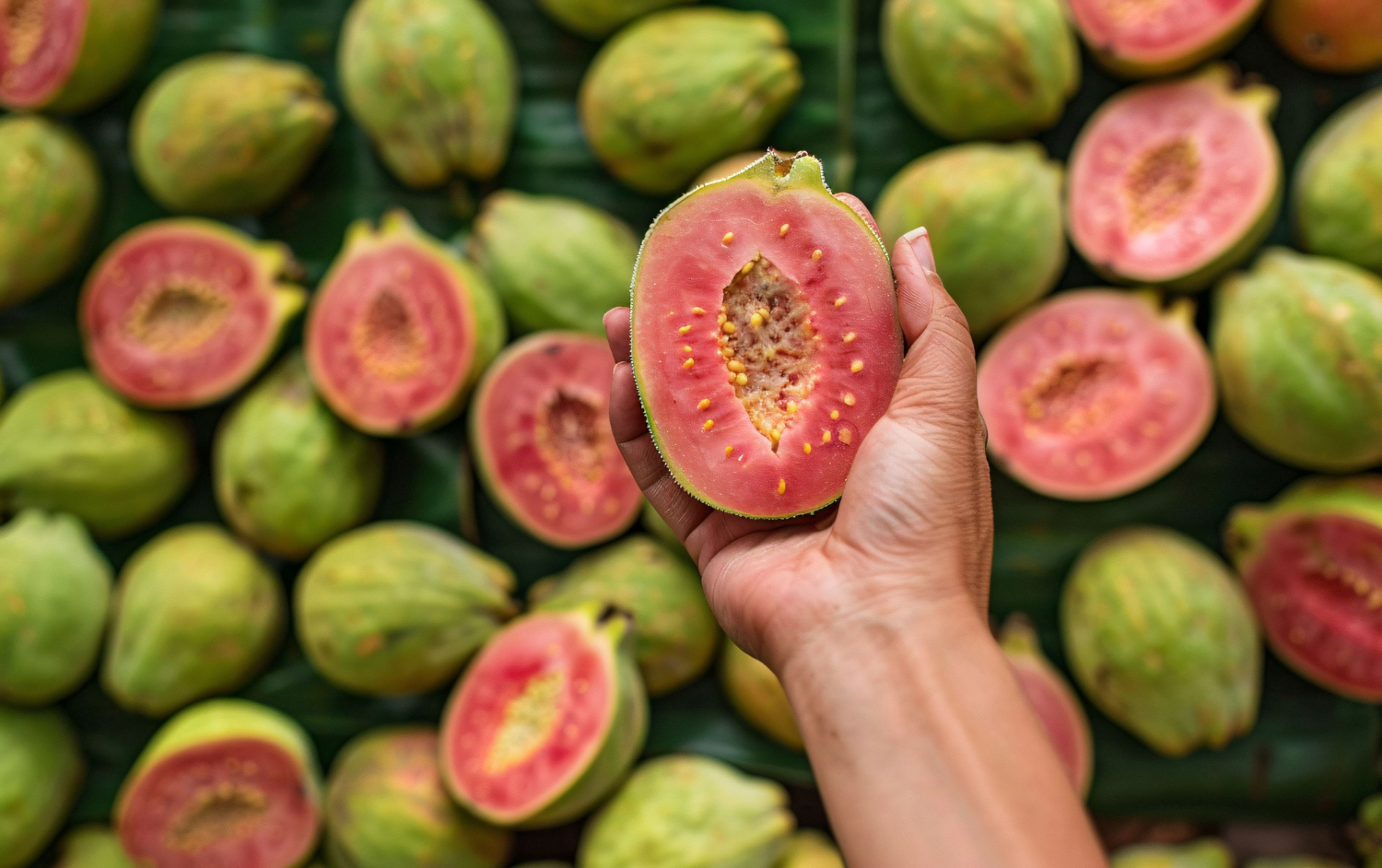
The Power of Guava Cultivation in Minas Gerais Strengthens Family Farming and Promotes Sustainable Rural Succession, Generating Income, Innovation, and Balance Between Tradition and Regional Agroecology
The cultivation of guava in Minas Gerais has become one of the greatest symbols of the strength of family farming in the state’s Midwest, according to a report published.
In the municipality of Carmo do Cajuru, the story of producer Geraldo Nogueira Gontijo Júnior shows how dedication and respect for the land can secure the future of the next generations.
Inspired by his great-grandfather and grandfather, he learned early on the value of life in the countryside and the transformative power of agriculture.
-
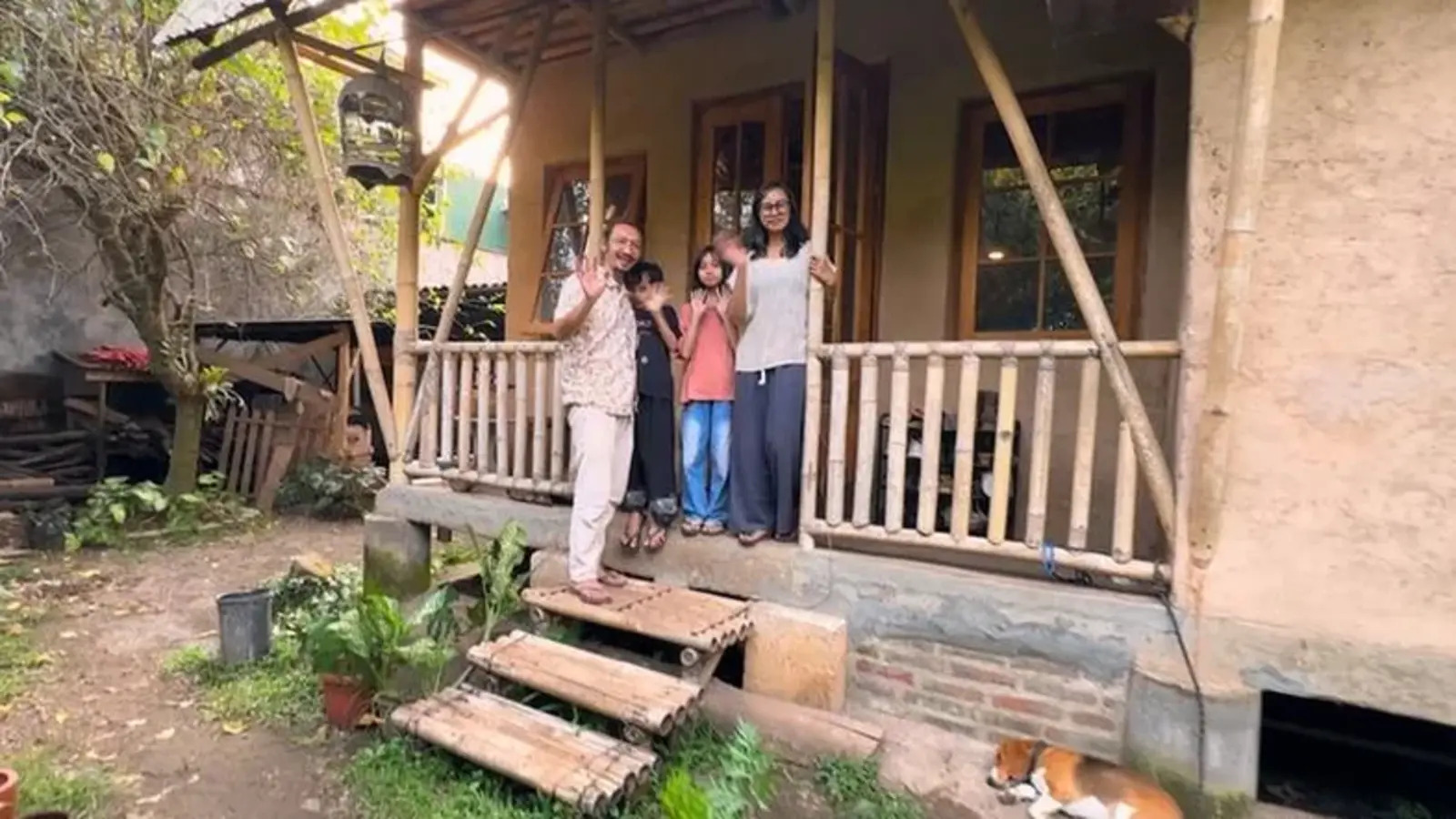
With earth, bamboo, straw, and lime mortar, a specialist builds a house for just over $460 and draws attention for its cost being much lower than traditional construction.
-
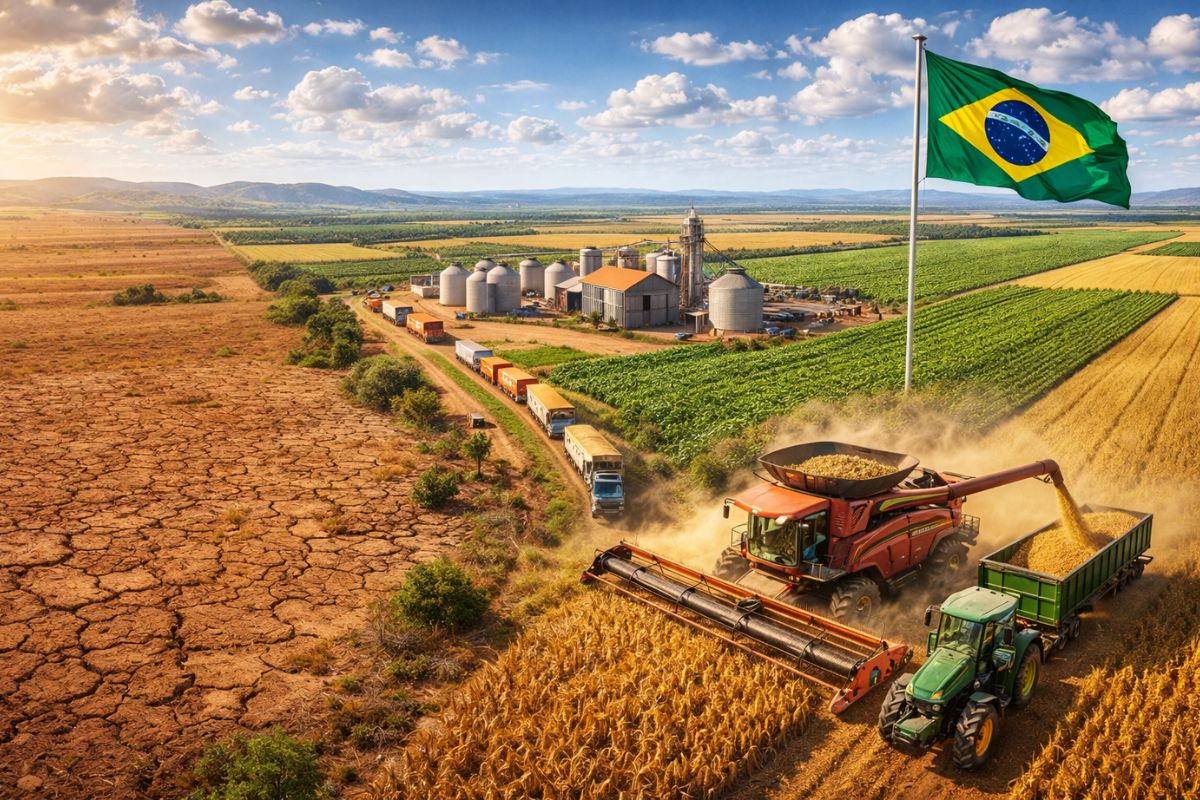
Forgotten region becomes a powerhouse in the heart of Brazil, transforming unproductive lands into fortune and making MATOPIBA the new billion-dollar agricultural empire that almost no one saw being born.
-
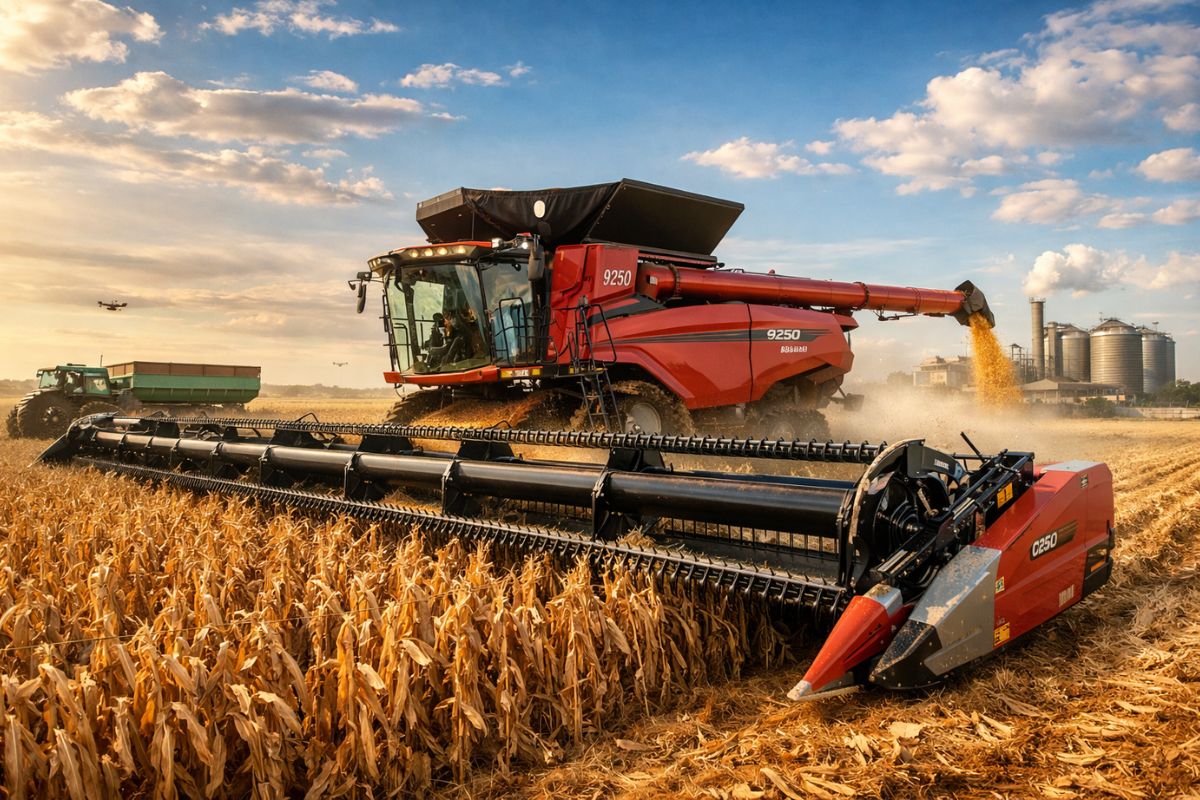
With a 775 hp engine, the world’s largest axial combine harvester arrives in Brazil, promising to harvest more in less time with advanced automation and the capacity for platforms up to 61 feet.
-
With 18 million feet, giant farms, and 2.2 million sacks per year, a mining group is building a coffee empire in Brazil with heavy mechanization, giant silos, and exports to various continents.

After a period working in construction, returning to the Galinheiros farm in the Marimbondos community marked a reconnection with his roots and the beginning of a new productive phase.
Today, his property produces 40 tons of guava per year, with sales in local and regional markets.
Geraldo’s example shows how guava cultivation in Minas Gerais is a solid income alternative, capable of uniting families and ensuring succession in the countryside, valuing sustainable practices and reducing the use of pesticides.
Family Succession and Agroecology in the Cultivation of Minas Guava
Family succession in guava production in Minas Gerais has been an important differential for rural sustainability.
Geraldo, his wife, and their eldest son share tasks, from planting to harvesting, prioritizing collective learning and agroecological management.
The goal is simple: to produce healthy food, keep the family united, and ensure the legacy of past generations.
The producer participates in the National School Feeding Program (Pnae), through a partnership between Emater-MG and the Secretary of State for Education of Minas Gerais (SEE).
This integration strengthens the local production chain and encourages the provision of quality food for public schools, expanding the social reach of guava cultivation in Minas Gerais.
The Emater-MG extension worker, Juliano Toledo Saib Marcelino, helps the production process, from soil analysis to pruning techniques and biological pest control, reinforcing the commitment to agroecology and productivity.
Sustainable Management and Technology in Minas Guava Cultivation
The sustainable management in guava cultivation in Minas Gerais is one of the pillars for the success of the crop.
The use of agroecological solutions for fruit fly control, rust, and anthracnose has ensured healthier fruits and a significant reduction in the use of chemical pesticides.
According to extension worker Alessandra de Faria Vilaça Carvalho, the quality of the guavas is a direct result of family dedication and the constant pursuit of innovation.
The adoption of simple technologies, such as controlled irrigation and fertilization based on chemical analyses, has increased productivity and efficiency in the field.
The results are visible: the Pedro Sato variety, known for its strong flavor and good commercial acceptance, adds value to the production.
This productive model shows that guava cultivation in Minas Gerais is economically viable even in small areas, provided it is supported by technical assistance and efficient resource management.
Regional Market and Sustainable Income Generation
The regional guava market in Minas Gerais has been consolidating as a stable alternative for small and medium producers.
The versatility of the fruit, with demand throughout the year, favors the financial balance of rural families.
According to Emater-MG technicians, local production has supplied not only municipal fairs and markets but also institutional food programs, strengthening commerce and generating jobs in the Central region of Minas Gerais.
Among the main challenges are the seasonal price variations and the scarcity of specialized labor.
Nonetheless, the results achieved by farmers like Geraldo Gontijo prove that the union of tradition, innovation, and sustainable management can ensure longevity for guava cultivation in Minas Gerais, driving rural development and promoting succession between parents and children in the countryside.









Seja o primeiro a reagir!