





 Português
  Inglês
  Espanhol
  6 min de leitura
  0 comentários


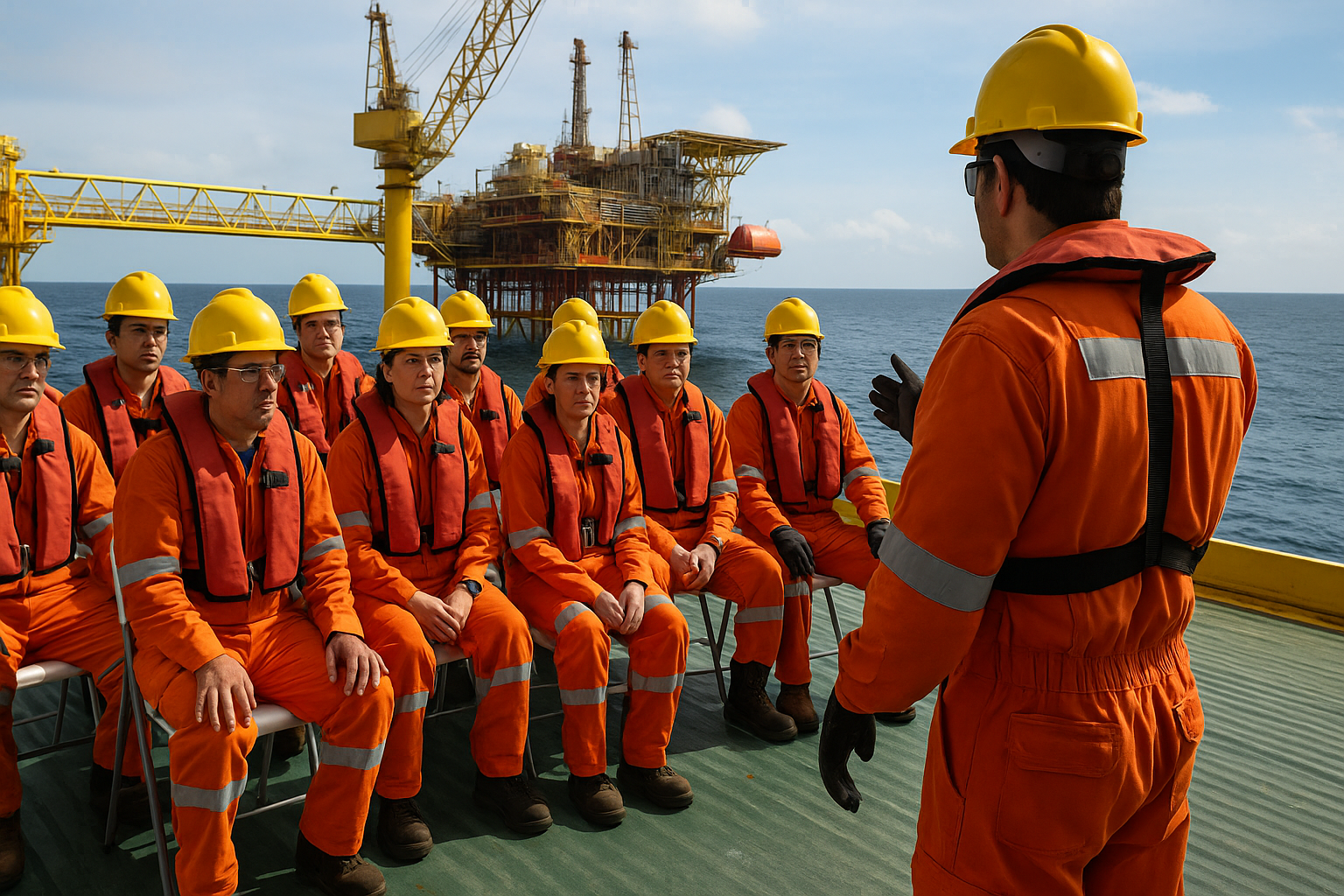
Discover How Offshore Courses Can Open Doors in the Oil Industry and Prepare You to Work Safely and Qualify on Offshore Platforms.
The offshore industry is one of the most fascinating and demanding in the world. Additionally, working offshore brings unique challenges, such as isolation, extreme weather conditions, and intense routines.
On the other hand, this area offers attractive salaries, stability, and professional growth.
This is why, for those looking to enter this market or advance in their careers, offshore courses are the essential first step.
-
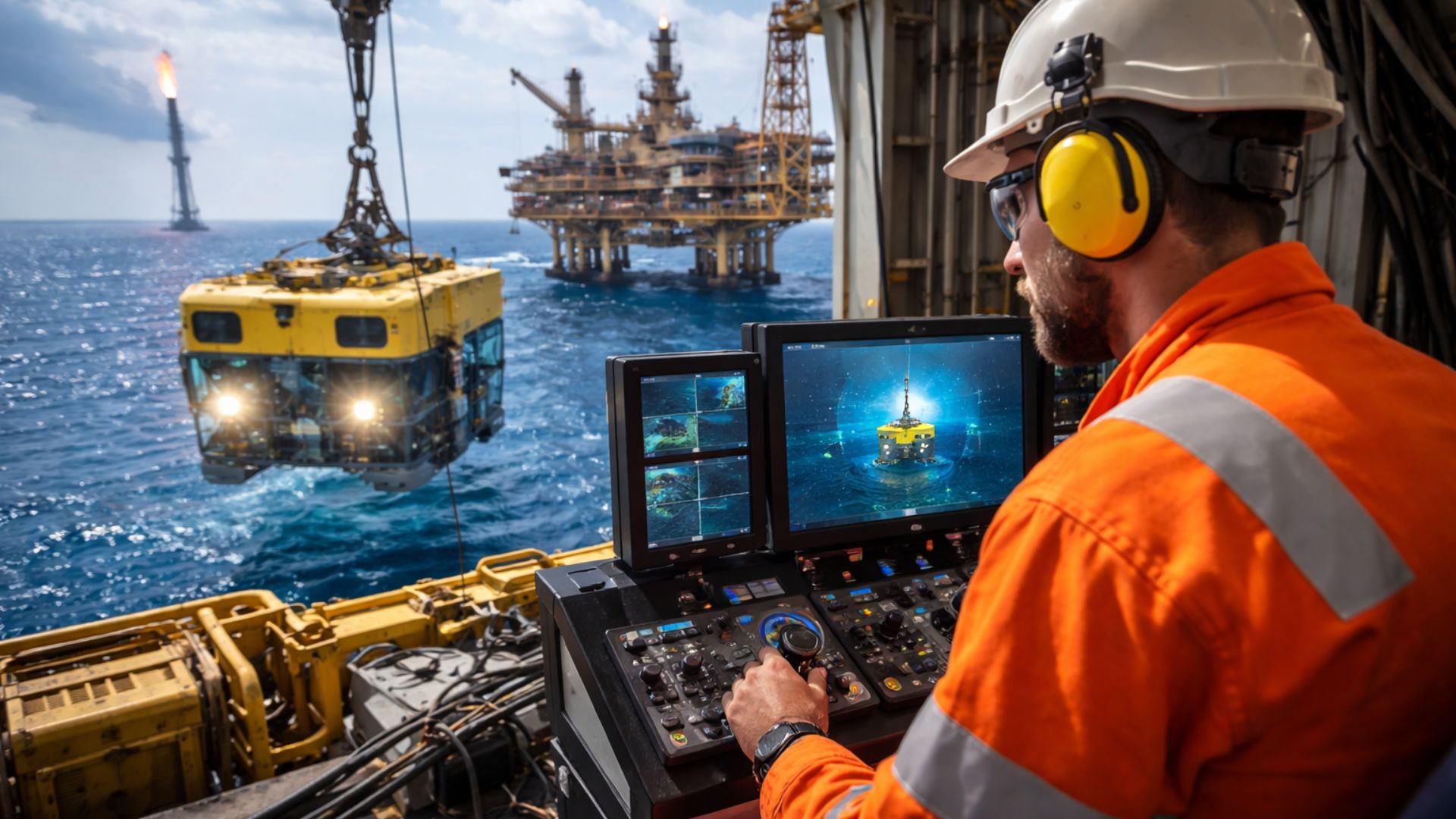
With Announcement for ROV Course in Partnership with Zen, Rio das Ostras Aims to Transform Technical Qualification into Real Jobs in the Competitive Offshore Market
-
Free Offshore Steward Course in São Gonçalo Emerges as a Strategic Opportunity for Those Seeking Qualified Work at Sea

-
Messer Gases Reopens Branch in Macaé to Serve Offshore Oil and Gas Market in Northern Fluminense with Supply of Oxygen, Argon, and CO₂
-
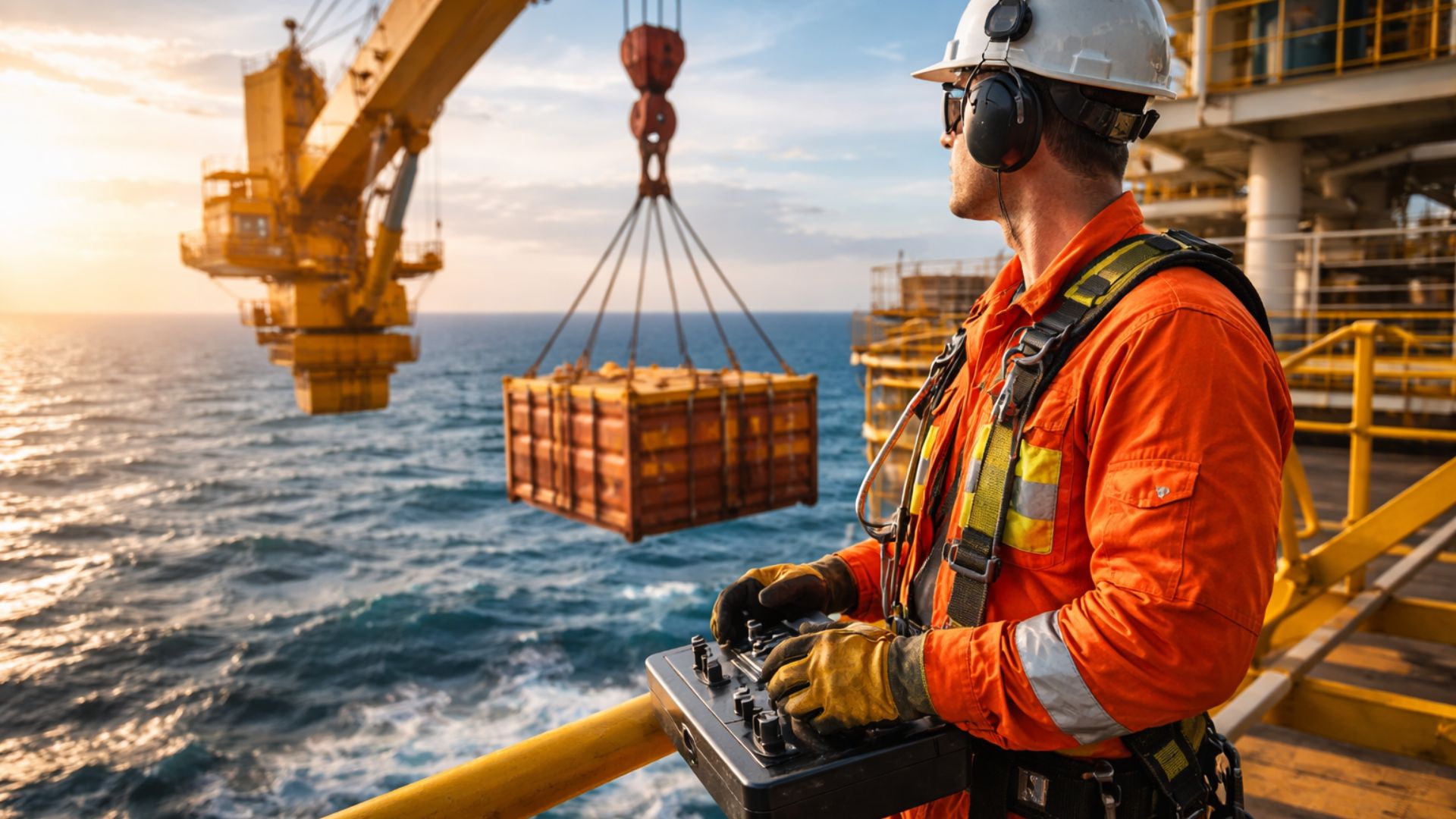
Offshore Profession Simplified: Comprehensive Guide Reveals How to Trade Common Routine for High Salaries and Long Breaks in Life Aboard in the Oil Sector

In this article, you will understand why these courses are important, what the main types available are, how this area originated, and what you need to prepare for work on offshore platforms.
Whether you’re a beginner or someone seeking qualification, this timeless guide will help you understand everything you need about this universe.
In addition to learning about safety and specific techniques, these courses help professionals understand the culture of the offshore environment.
This includes teamwork, the discipline required to meet strict schedules, and respect for the platform’s internal regulations.
After all, working in such a confined space requires a lot of cooperation and responsibility from everyone.
The Origin of the Offshore Industry and Its Historical Importance
To understand the relevance of offshore courses today, we need to go back in time.
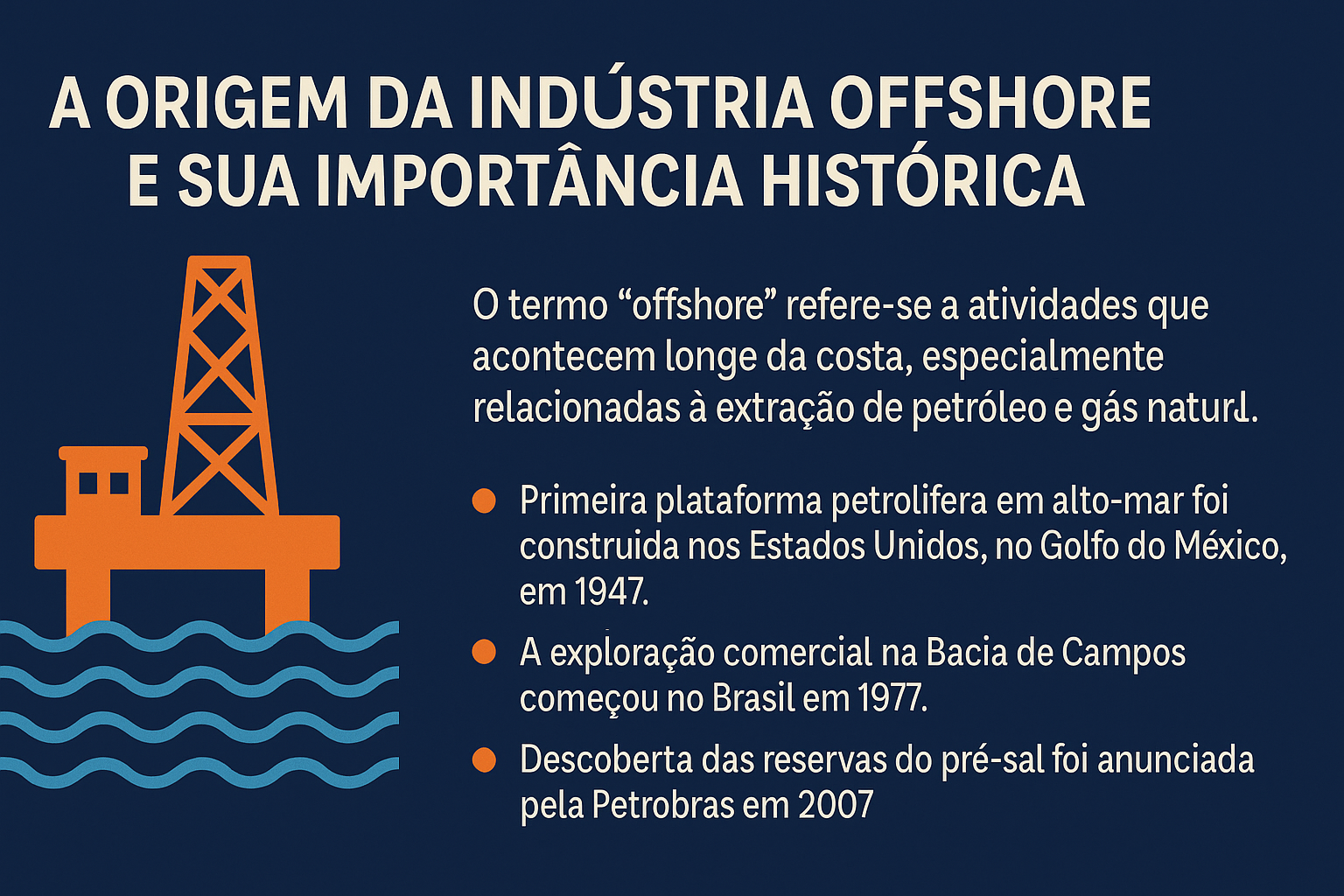
The term “offshore” refers to activities that occur away from the coast, especially related to the extraction of oil and natural gas.
According to the National Agency of Petroleum, Natural Gas and Biofuels (ANP), the first offshore oil platform was built in the United States, in the Gulf of Mexico, in 1947.
This historical milestone marked the beginning of offshore exploration, which soon spread to other countries.
In Brazil, the offshore industry gained momentum mainly from the 1970s.
As reported by the Brazilian Institute of Geography and Statistics (IBGE), commercial exploration in the Campos Basin began in 1977, and since then, the sector has become vital for the national economy.
Moreover, the discovery of pre-salt reserves, announced by Petrobras in 2007, revolutionized the Brazilian offshore market.
Petrobras, the state-owned company responsible for exploration, projected that these reserves would be one of the largest oil discoveries of the century, increasing the importance of work on offshore platforms.
According to the Brazilian Navy, the expansion of the offshore industry generated the need for specific regulations to ensure the safety of workers and the environment.
This includes requirements for training and specialized education, giving rise to the offshore courses we know today.
The Importance of Offshore Courses for Safety and Qualification
The offshore environment presents physical and technical challenges that require rigorous preparation. Therefore, the Brazilian Navy regulates the training of professionals who will work on offshore platforms.
According to Ordinance No. 1,634 of 2011, which addresses basic training for embarkation, offshore courses are mandatory to ensure safety at work.
They prepare professionals for emergencies such as fires, evacuations, and first aid.
Additionally, the training covers fire fighting, survival at sea, and basic operational procedures.
This is essential because offshore conditions make quick access to hospitals or external teams difficult, making self-sufficiency vital.
Accident prevention also takes center stage in these courses. The offshore industry works with heavy equipment, hazardous chemicals, and activities at heights, requiring workers to identify risks and take action to avoid them.
According to data from the Ministry of Mines and Energy, the implementation of adequate training significantly reduced accidents in the Brazilian offshore sector in recent years.
Thus, the courses not only teach how to act in emergencies but also how to create a safe environment daily, protecting lives and properties.
What is the CBSP and Its Mandatory Requirement for Embarkation
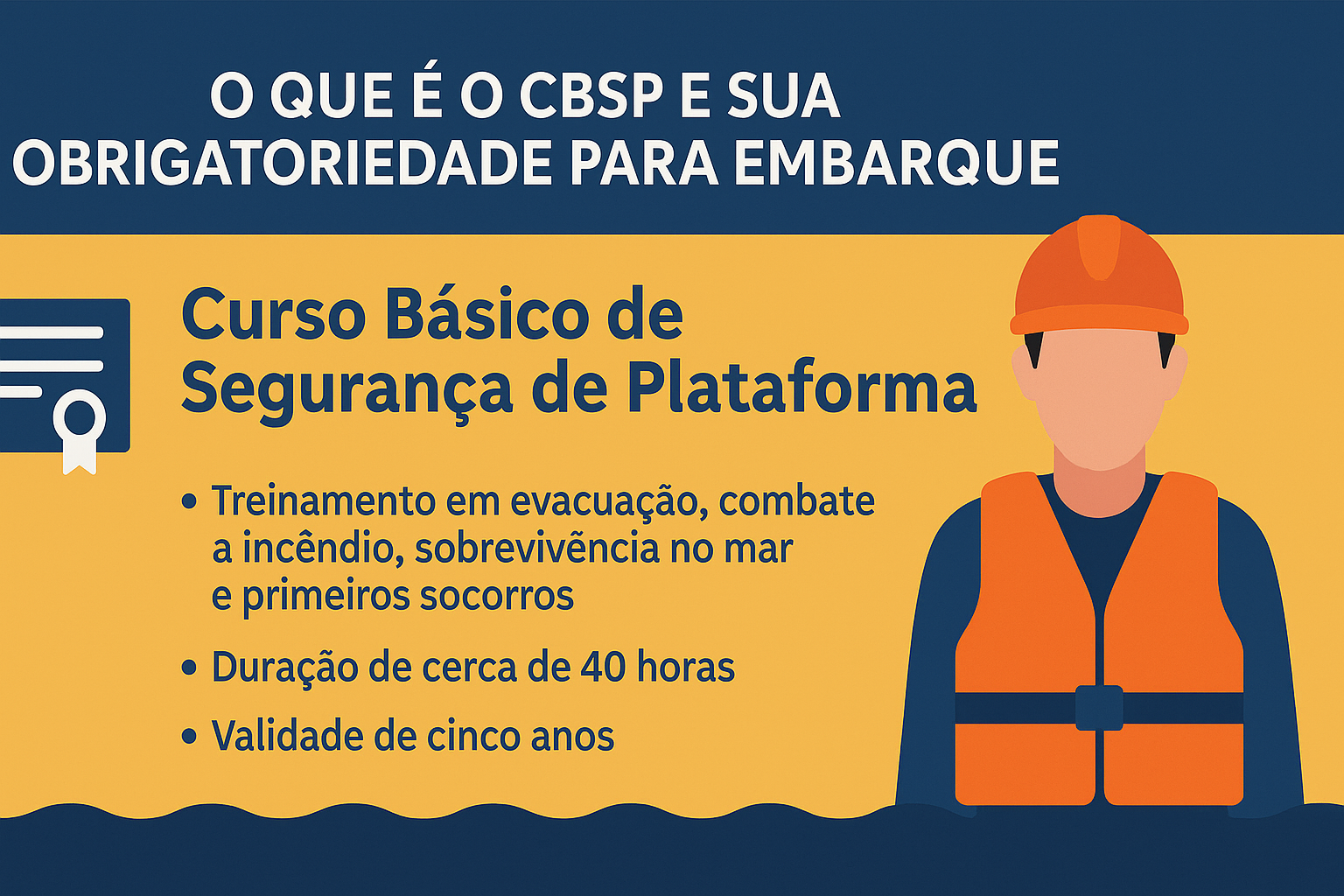
Among the most important courses is the CBSP, the Basic Platform Safety Course. It is a requirement of the Brazilian Navy for anyone wishing to board an offshore platform.
According to Ordinance No. 1,634/2011, which regulates the CBSP, the course includes training in evacuation, fire fighting, survival at sea, and first aid.
This training lasts about 40 hours and combines theory and practice, being fundamental to prepare professionals for real situations in the offshore environment.
The Brazilian Navy stipulates that the CBSP certificate is valid for five years, with recertification required at the end of this period to maintain eligibility.
The CBSP is internationally recognized, according to the National Agency of Petroleum (ANP), which facilitates professional mobility in multinational companies.
Besides complying with a regulation, taking the CBSP brings more safety and confidence for those going to work offshore, increasing service quality and team protection.
Other Essential Courses for Different Offshore Roles
In addition to the CBSP, there are several courses that complement professionals’ training. For example, the HUET (Helicopter Underwater Escape Training) is a crucial course for those relying on air transport to access platforms.
According to the Brazilian Navy, the HUET prepares workers to escape in case of a helicopter crash into the sea, a critical situation in offshore routines.
There are also specific courses for technical roles, such as electrical maintenance, mechanical operations, equipment operation, and courses related to Regulatory Standards like NR-33 (confined space) and NR-35 (working at heights), which ensure safety during hazardous tasks.
Institutions accredited by the Navy and recognized by the ANP offer these trainings. Locations such as Macaé (RJ), Santos (SP), and Vitória (ES) are traditional hubs for this qualification, according to ANP information.
These specialized trainings increase employability and professional growth, allowing workers to operate in more complex areas and with better salaries.
The Current Scenario of the Offshore Market
The offshore market maintains its dynamism, despite economic fluctuations. Major companies like Petrobras, Shell, and Equinor continue investing in maritime exploration, especially in Brazil.
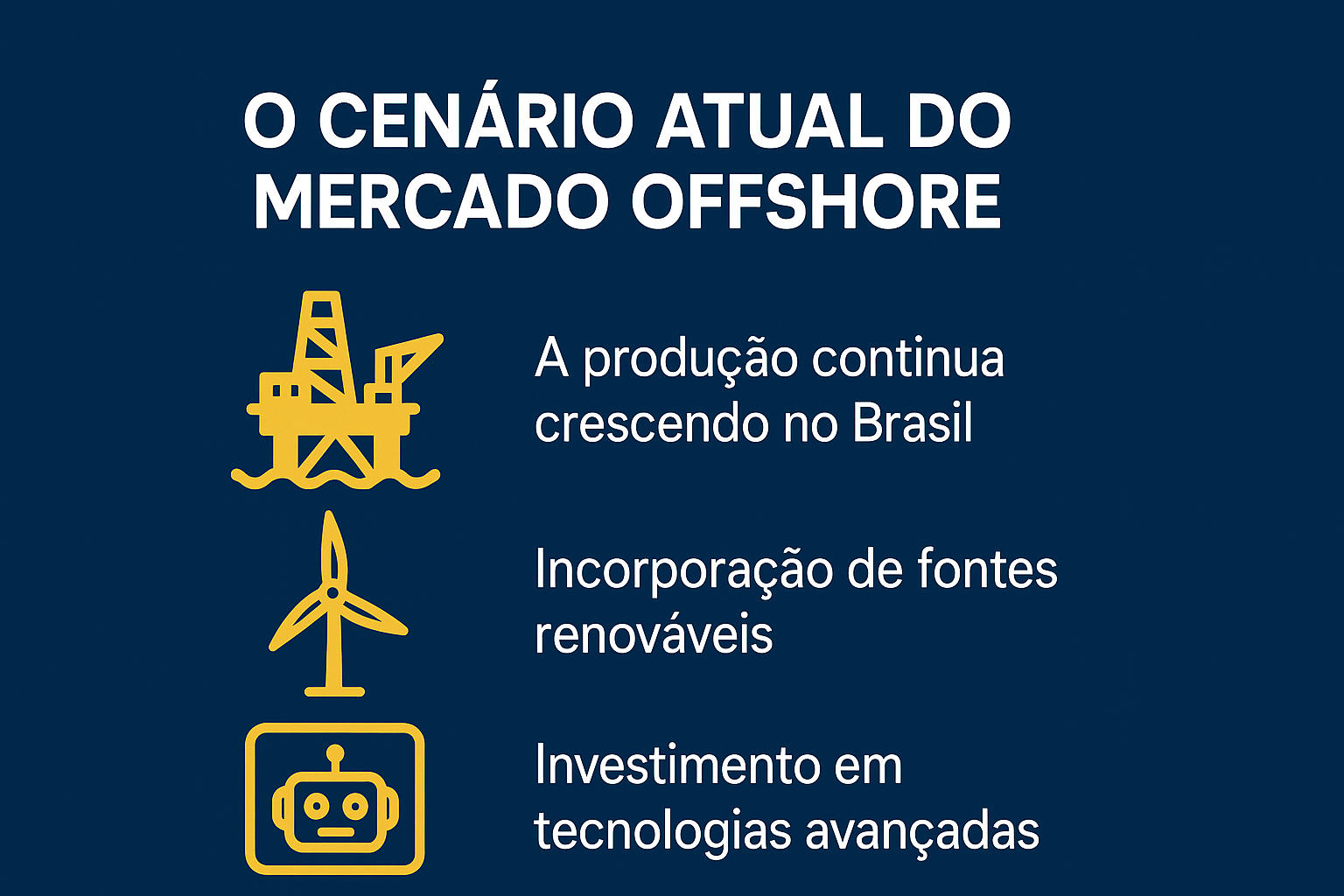
According to official data from the Ministry of Mines and Energy, Brazilian offshore production continues to grow, driven by pre-salt exploration.
Furthermore, the sector is beginning to incorporate renewable sources, such as offshore wind farms. This diversification increases opportunities for trained and qualified professionals.
The offshore industry is also investing in advanced technologies, such as automation and artificial intelligence, according to reports from IBGE.
Therefore, professionals who invest in offshore courses prepare not only for the present but also for the future demands of the market.
Who Can Take the Courses and Where to Find Them?
Offshore courses are accessible to individuals over 18 years old who are physically fit. The Brazilian Navy requires specific medical examinations for issuing embarkation certificates.
It is not necessary to be employed to take the training, which is an advantage for those who wish to prepare in advance.
The training centers authorized by the Navy and recognized by the ANP ensure the quality of education. Many of these centers are located near ports and areas with oil activity, as indicated on the ANP website.
Some institutions also offer online modules for the theoretical part, facilitating access.
Investment and Return
The cost of the courses may vary, but the financial return tends to compensate quickly due to the high salaries in the offshore sector, as pointed out by Petrobras in its market reports.
Moreover, the certificate’s validity and the possibility of working for different companies enhance the benefits of the investment.
The industry places a high value on recertification and constant updating. Professionals seeking continuous qualification have a greater chance of growth and stability.
Therefore, offshore courses are the essential entry point for anyone wishing to build a solid, secure, and well-paid career in the oil, gas, and energy industry.
If you wish to face a challenging yet rewarding routine, investing in offshore training is the right path.
The first step begins with choosing the right course.










Seja o primeiro a reagir!