





 Portuguese
  English
  Spanish
  6 min of reading
  0 comments



Discover How Oil and Gas Courses Can Transform Your Career, Open Doors in the Market, and Drive Companies in a Strategic Sector of the Global Economy.
Oil and gas courses are therefore linked to one of the most strategic areas of the global economy.
Since the early 20th century, oil has established itself as one of the most important natural resources on the planet.
Moreover, the extraction, refining, and use of oil not only power vehicles and industries but also influence politics and the international market.
-
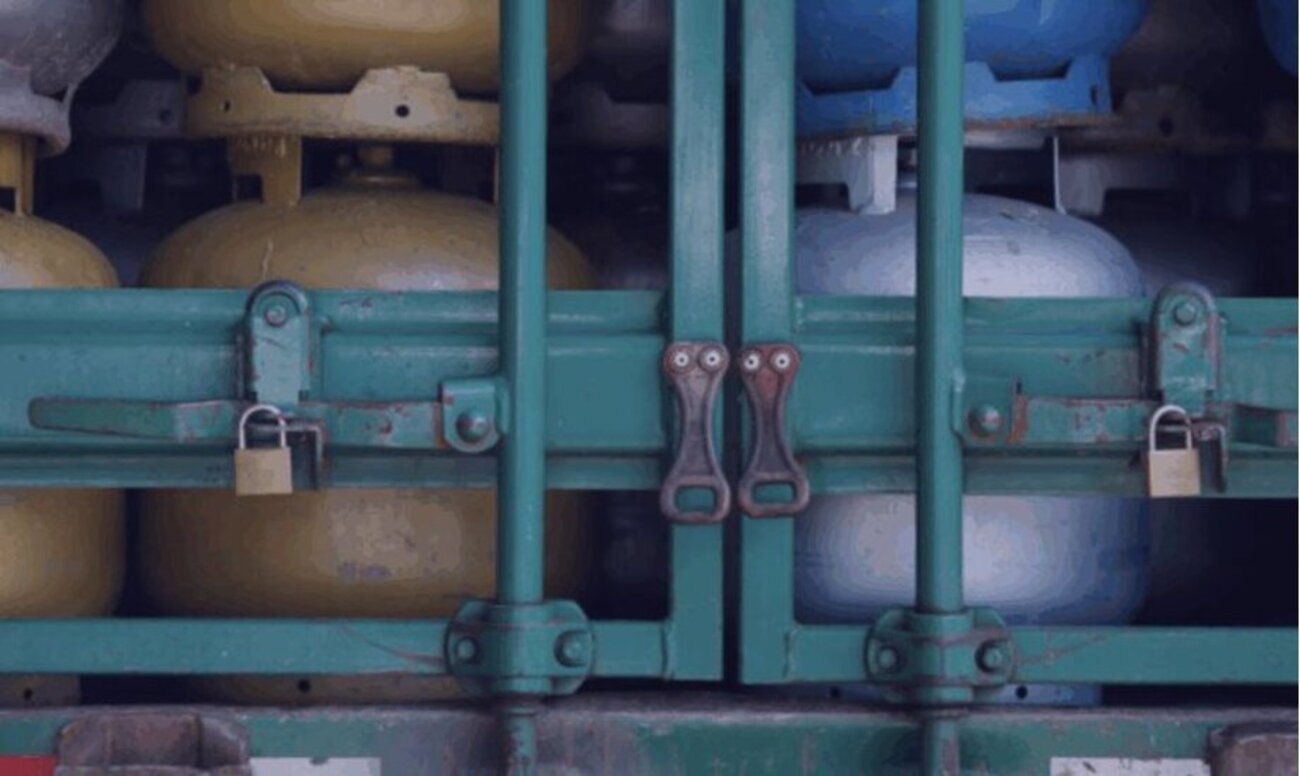
Petrobras evaluates suspension of sales to distributors and considers canceling the cooking gas auction following guidelines from the Federal Government.
-
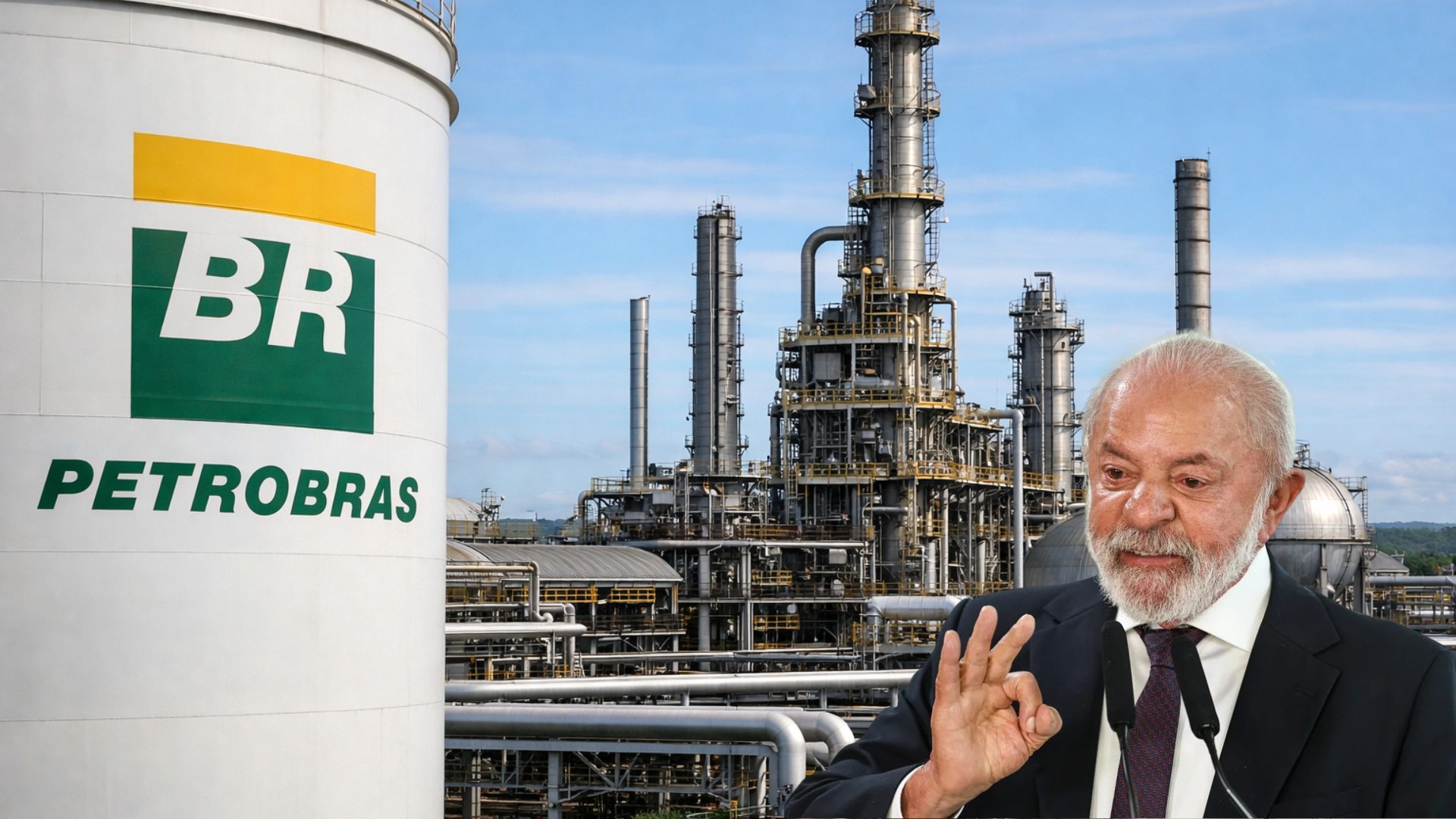
Lula reveals a masterstroke by Petrobras to undo a deal made by Bolsonaro, which involves the return of an important refinery that currently produces less than half of what was expected and makes Brazil dependent on international diesel.
-
A study confirms that the natural gas sector will reduce greenhouse gas emissions in Brazil by 0.5% and accelerate the energy transition by 2026.

-
Petrobras implements a severe adjustment and confirms a 55% increase in the price of aviation kerosene with a proposal for installment payments for the companies.


According to the International Energy Agency (IEA), a globally recognized organization, oil accounted for approximately 31% of the global energy matrix in 2022, maintaining its importance despite advancements in renewable sources.
Therefore, understanding this sector through good training can truly transform both the lives of those who study and the direction of a business.
Additionally, the sector requires constant updating. Technological changes, as well as new exploration methods and ever-advancing environmental demands, make continuous education essential.
Therefore, anyone looking to grow in this market needs to be attentive to trends and innovations — and that’s exactly what specialized courses offer: updated knowledge geared towards practical application.
The Oil and Gas Sector Worldwide and in Brazil
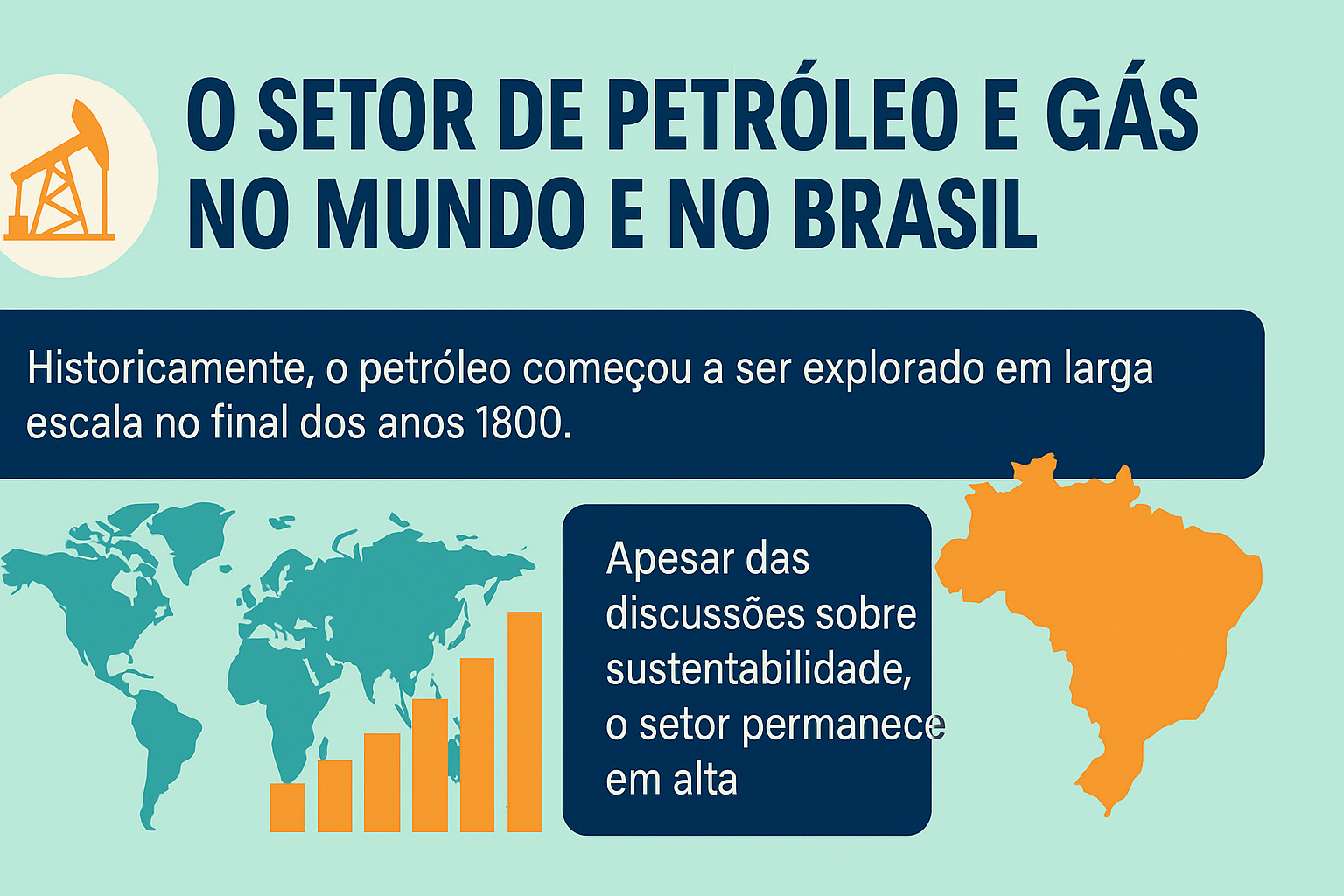
Historically, oil began to be explored on a large scale in the late 1800s. However, it was in the 20th century that it became synonymous with power and development.
The first major discoveries occurred in the United States, such as the Spindletop well in 1901, which boosted the oil industry in the country.
According to data from the U.S. Department of Energy (DOE), which monitors global energy consumption, the use of oil grew continuously throughout the 20th century, accompanying global industrialization and becoming the main source of energy for transportation and industries.
Thus, alongside natural gas, oil constitutes the global energy matrix, serving as a source of fuel, heat, and raw materials for a multitude of products.
Today, despite discussions about sustainability and energy transition, the sector remains robust.
Countries like Brazil, the United States, Saudi Arabia, and Russia maintain significant investments in the area, and consequently, the demand for qualified professionals remains strong.
According to the National Agency of Petroleum, Natural Gas and Biofuels (ANP), the Brazilian regulatory agency, Brazil reached the discovery of the pre-salt layer in 2010, considered one of the largest oil reserves in the world, further boosting the sector in the country.
In this context, oil and gas courses play an important role. They prepare individuals to work at all stages of the production chain: from exploration and drilling to refining, transportation, and marketing.
With the discovery of the pre-salt layer in Brazil, the need for well-prepared professionals in technical, operational, and managerial areas has increased even further.
Why Invest in Oil and Gas Courses?
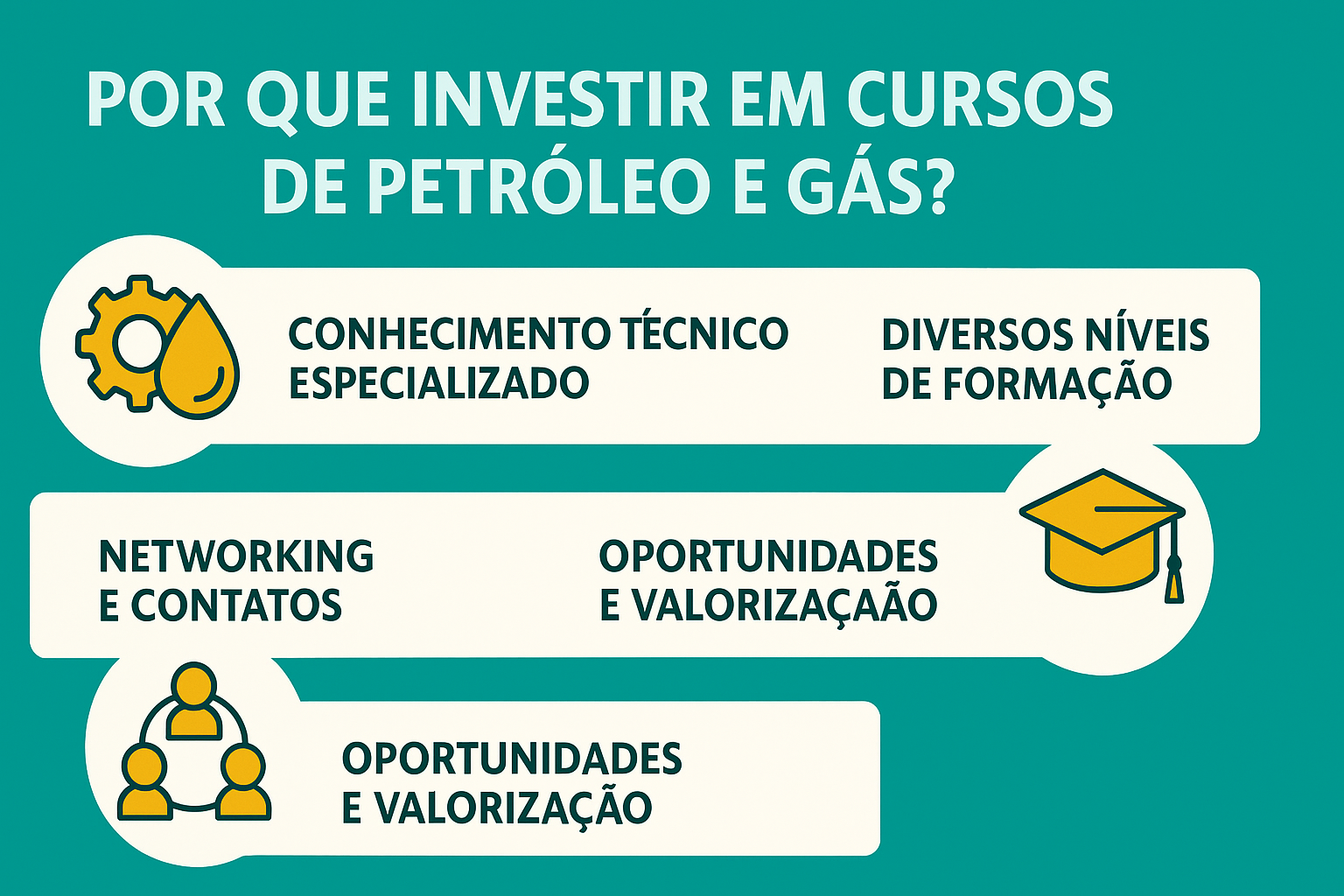
The oil and gas sector requires specialized technical knowledge. Therefore, it is not enough to have just a workforce; mastery of the content is necessary.
Thus, courses focused on this area are highly valued in the market. They offer training that combines theory and practice, with subjects covering geology, engineering, occupational safety, environment, logistics, and energy economics.
In addition, there are courses at different levels: technical, technological, undergraduate, and graduate. This diversity allows people with various backgrounds and goals to find a path to specialize and grow in the field.
According to the Ministry of Education (MEC), the body responsible for regulating education in Brazil, the number of technical and higher education courses focused on oil and gas grew 35% between 2015 and 2023, reflecting the growing market demand.
Another advantage of these courses is the opportunity to work in various sectors.
Thus, those who graduate in oil and gas can work in offshore exploration, refineries, platforms, fuel transportation companies, research laboratories, or even in strategic management positions within large companies.
Also noteworthy is the networking that these courses provide. During training, students come into contact with experienced instructors, professionals active in the market, and peers with similar interests.
As a result, this network of contacts can open vital doors and generate future partnerships.
Professional Opportunities and Market Recognition
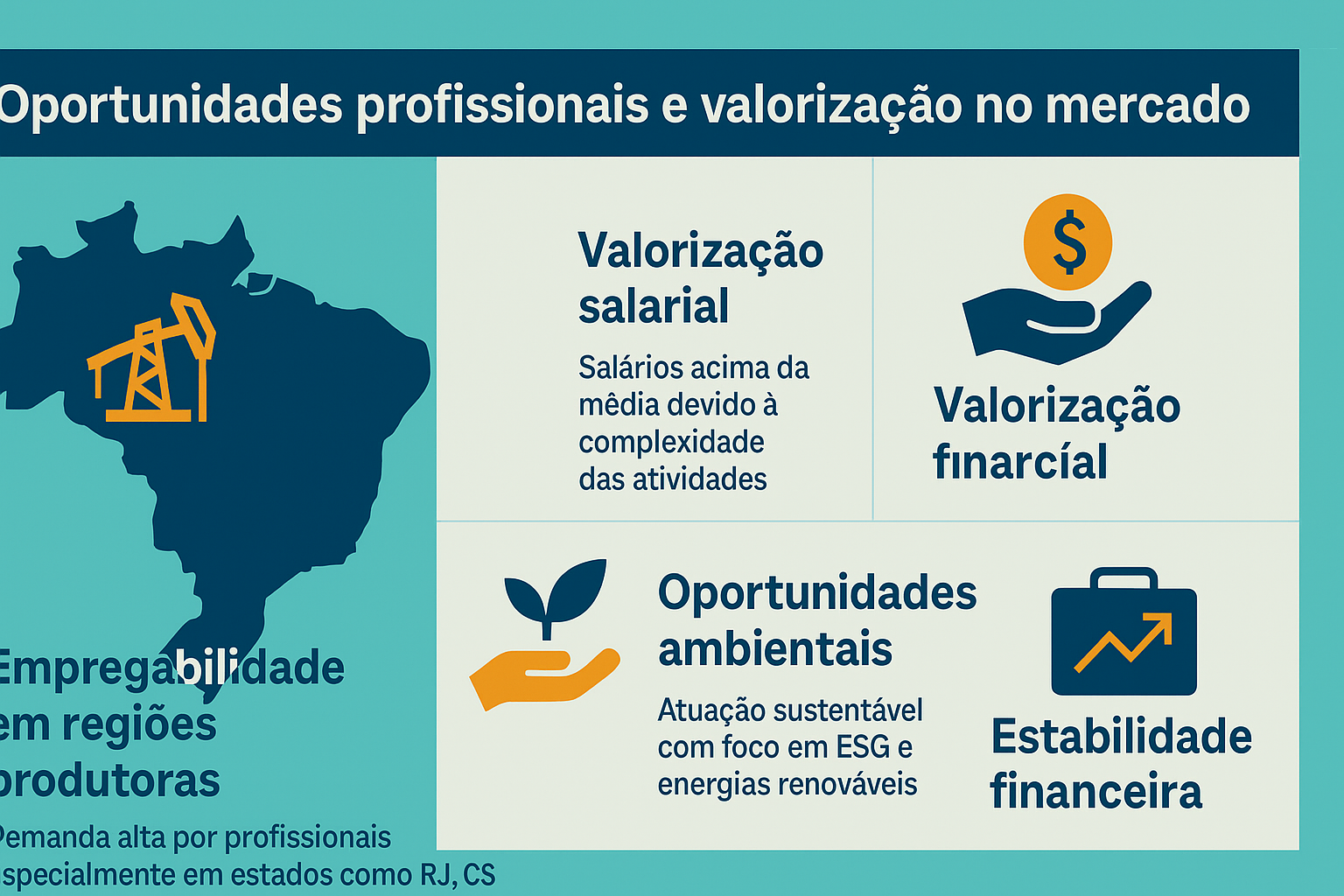
Investing in an oil and gas course can be a game-changer for those seeking new opportunities.
As the demand for professionals remains constant, the chances of employability are high, especially in producing regions. Therefore, states like Rio de Janeiro, Espírito Santo, and Rio Grande do Norte host many companies in the sector.
According to a 2023 report by the ANP, the Brazilian oil industry directly employs about 300,000 people and also generates indirect jobs across various segments.
Another positive point is salary appreciation. Salaries in this area tend to surpass the market average, precisely because of the complexity of the activities and the risks involved, especially in offshore operations.
Thus, those seeking financial stability and recognition find a good perspective on this path.
Moreover, with the growing concern for the environment, many companies in the sector invest in more sustainable practices.
This creates space for professionals who combine technical knowledge with insights on ESG (Environmental, Social, and Governance), renewable energy, and sustainable development.
A professional who combines technical knowledge with a responsible and ethical approach stands out even more.
Therefore, companies are becoming more demanding, seeking employees aligned with the modern values of the sector: safety, sustainability, efficiency, and innovation.
How Courses Impact Businesses
It is not just individuals who benefit from oil and gas courses.
Business owners and managers who are well-acquainted with the sector increase their chances of success.
Businesses that wish to provide services or products for the production chain need to master technical requirements, safety standards, and market dynamics.
For example, a logistics company serving oil platforms needs to be familiar with environmental regulations, strict deadlines, and specific transportation methods.
An engineering firm intending to provide services to a refinery must align with existing technologies and regulations.
Companies looking to grow in this market invest in training their teams.
The more technical and strategic the knowledge of employees, the greater the chances of securing contracts, growing in the sector, and outperforming the competition.
Additionally, understanding the oil and gas production chain helps managers make more assertive decisions regarding partnerships, investments, and long-term planning.
Consequently, having this clear vision can be crucial for success or failure in specific niches.
A Competitive Advantage in the Modern World
Even with the advancement of renewable energies, oil and gas remain essential for the functioning of the world.
From the manufacturing of plastics to the production of fertilizers, medicines, and paints, many everyday products derive from oil.
Natural gas, in turn, is widely used for heating, energy generation, and industrial use.
Therefore, understanding this universe represents an advantage not only for those who want to work directly in the sector but also for those who wish to comprehend the back office of the global economy.
In an increasingly technical and interconnected world, having a solid education stands out.
Moreover, oil and gas courses are constantly updated.
With the advancement of technology, areas such as automation, artificial intelligence, data analysis, and sustainability are incorporated into students’ training.
This makes professionals more prepared for current challenges and future opportunities.
Those who invest in this training learn about the present and position themselves with a future vision.
This mindset makes a difference when securing positions, leading teams, and even starting a business with confidence.
Whether you are a young person seeking a solid career, a professional wanting to reinvent yourself, or a business owner wanting to better understand this universe, investing in knowledge can be the first step towards a new phase.
After all, the energy that drives the world begins with prepared people.










Seja o primeiro a reagir!