





 Português
  Inglês
  Espanhol
  3 min de leitura
  0 comentários


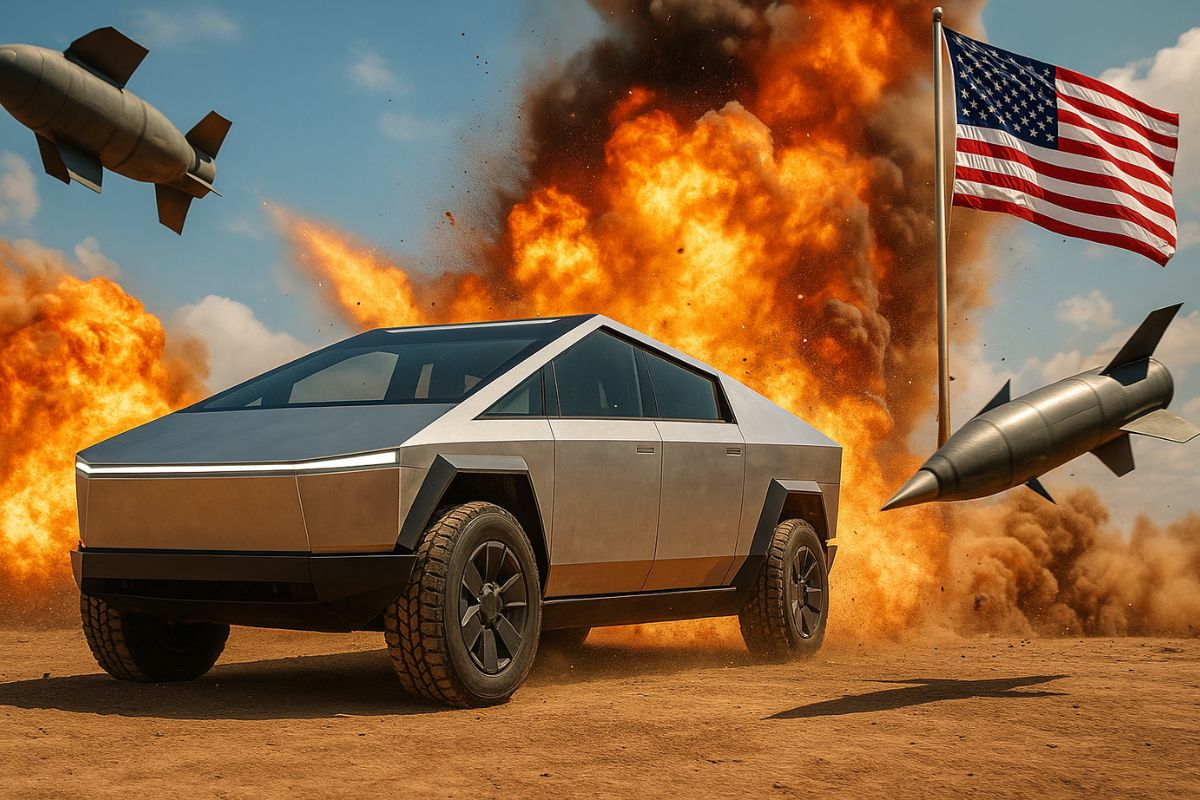
Elon Musk’s Futuristic Model Will Be Used As Target For Missiles And Explosives By Simulating Real Threats In Conflict Zones By The United States Air Force
The United States Air Force announced interest in acquiring Tesla Cybertrucks to use them as targets in tests with bombs, missiles, and precision weapons. The information was disclosed by the portal The War Zone and reveals that Elon Musk’s futuristic electric vehicles are being considered as potential threats in real combat scenarios.
The decision is not related to military transport or logistics. The idea is to simulate how these vehicles could be used by enemies in war zones and, therefore, they need to be bombed in a controlled environment. The tests aim to understand how Cybertrucks react to severe impacts and adapt response forces in operational training.
Why Does The United States Air Force Want To Use Cybertrucks As Targets?
Documents reveal that the United States Air Force Test Center plans to acquire up to 33 vehicles, including those from Tesla, for advanced military training. The Cybertruck was specifically mentioned, due to its robust construction, with a “ultra-hard” stainless steel body and geometric design, which could hinder radar detection or withstand shrapnel.
-
A bright yellow mushroom imported from Asia escaped from a cultivation farm in the United States in 2010 and is now aggressively spreading across 25 states, destroying entire communities of native fungi in American forests.

-
Buried under China, a colossal machine weighing 20,000 tons began operating as the largest neutrino detector on the planet and, in just 59 days, surpassed results that science took half a century to achieve.

-
Iran enters the center of a climate alert after the war emitted 5.6 million tons of CO2 in two weeks, surpassing the annual pollution of entire countries.

-
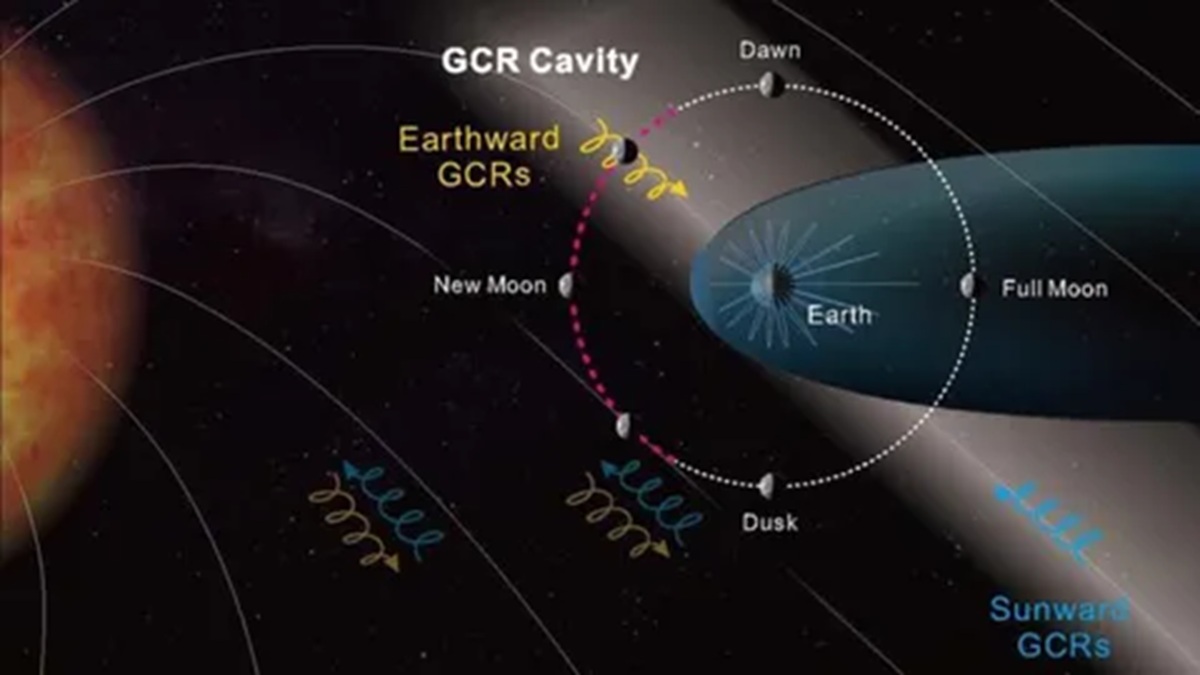
Lunar exploration may change after a Chinese probe finds a “cavity” of radiation that reduces the impact on astronauts by up to 20% at certain times on the Moon.

The acquired models do not need to be operational, as long as they are towable. The main goal is to simulate real damage in combat scenarios, something that conventional vehicles do not accurately reproduce. The choice of the Cybertruck reflects a growing concern about the possibility of the model being used by future adversaries.
Who Would Be The “Enemy” Using Cybertrucks?
Official documents do not identify which countries or armed groups could use Cybertrucks in warfare, but experts cited by TWZ suggest that non-state forces or paramilitary units could resort to the model due to its resilience and intimidating appearance.
Additionally, the global popularity of Tesla and Elon Musk’s appeal among military tech enthusiasts attract government attention. The billionaire himself has described the Cybertruck as an “apocalypse-proof” vehicle, capable of operating in extreme combat or social collapse scenarios.
Has Its Indestructible Reputation Caught Attention?
Yes. The Cybertruck was launched at the end of 2023 with the promise of being the most durable vehicle ever produced in series. Musk claimed that the model would withstand gunfire, explosions, and would even be ideal for military uses. Promotional videos showcased extreme durability tests.
However, the reality has been more modest. The electric truck has faced criticism for finish flaws, drivability issues, and various recalls. Nevertheless, its aggressive look and unusual metal structure remain relevant for ballistic testing and direct impacts.
What Does This Say About The Future Of War?
The use of high-tech civilian vehicles as part of training for the United States Air Force signals a change in the profile of modern conflicts. Future wars may involve originally commercial equipment, modified or repurposed by combatants.
The Air Force’s movement also demonstrates concern about asymmetrical threats, in which opposing groups employ unexpected tactics and resources. Studying and destroying Cybertrucks in a controlled environment may provide answers to this new type of risk.
Do you think the Cybertruck could really become a weapon of war? Or is it military exaggeration? Leave your opinion in the comments — we want to know how you see this boundary between innovation and conflict.







Seja o primeiro a reagir!