





 Portuguese
  English
  Spanish
  4 min of reading
  0 comments


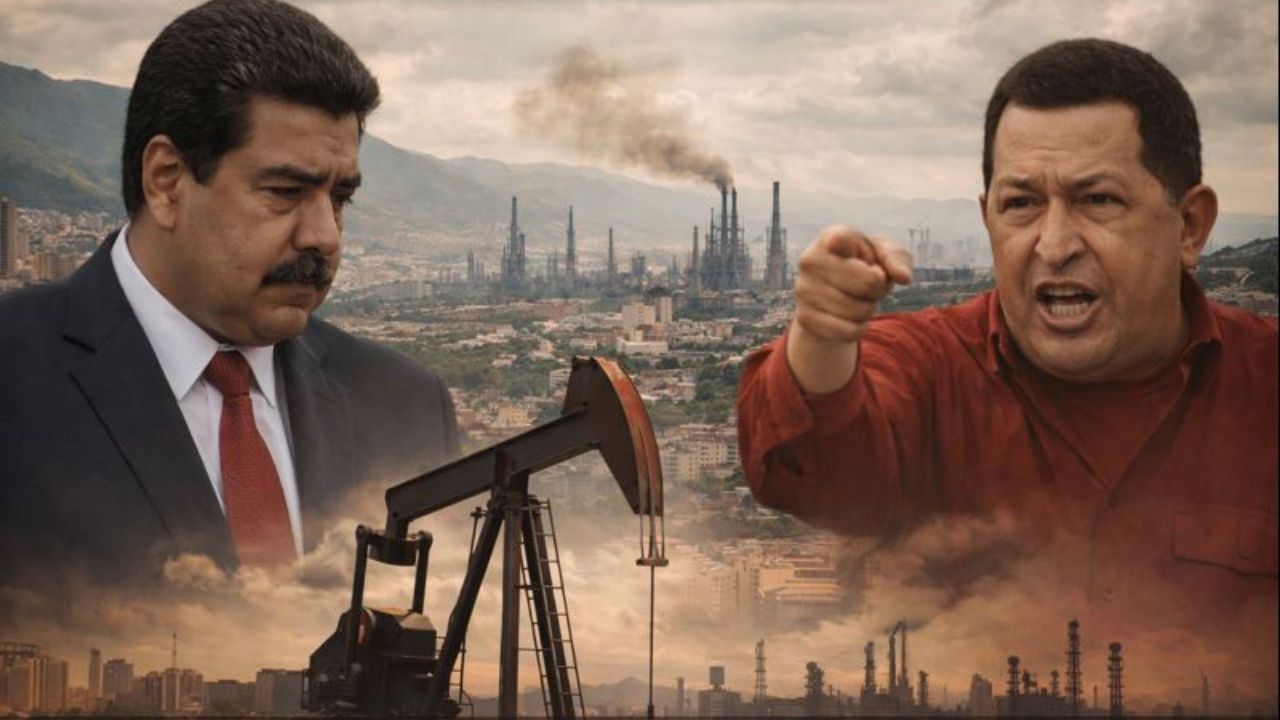
Oil Transformed Caracas into a Symbol of Wealth and Inequality. See How Chávez and Maduro Changed the Country.
The Venezuela, which in the 1970s ranked among the richest countries in the world thanks to oil, today faces a deep economic, social, and political crisis under the government of Maduro.
The country, which had per capita income higher than Italy, concentrated its wealth in a luxurious elite, especially in Caracas, while the majority of the population remained on the margins.

This historical imbalance largely explains the rise of Hugo Chávez and, subsequently, the current authoritarian regime that marks the South American nation.
-
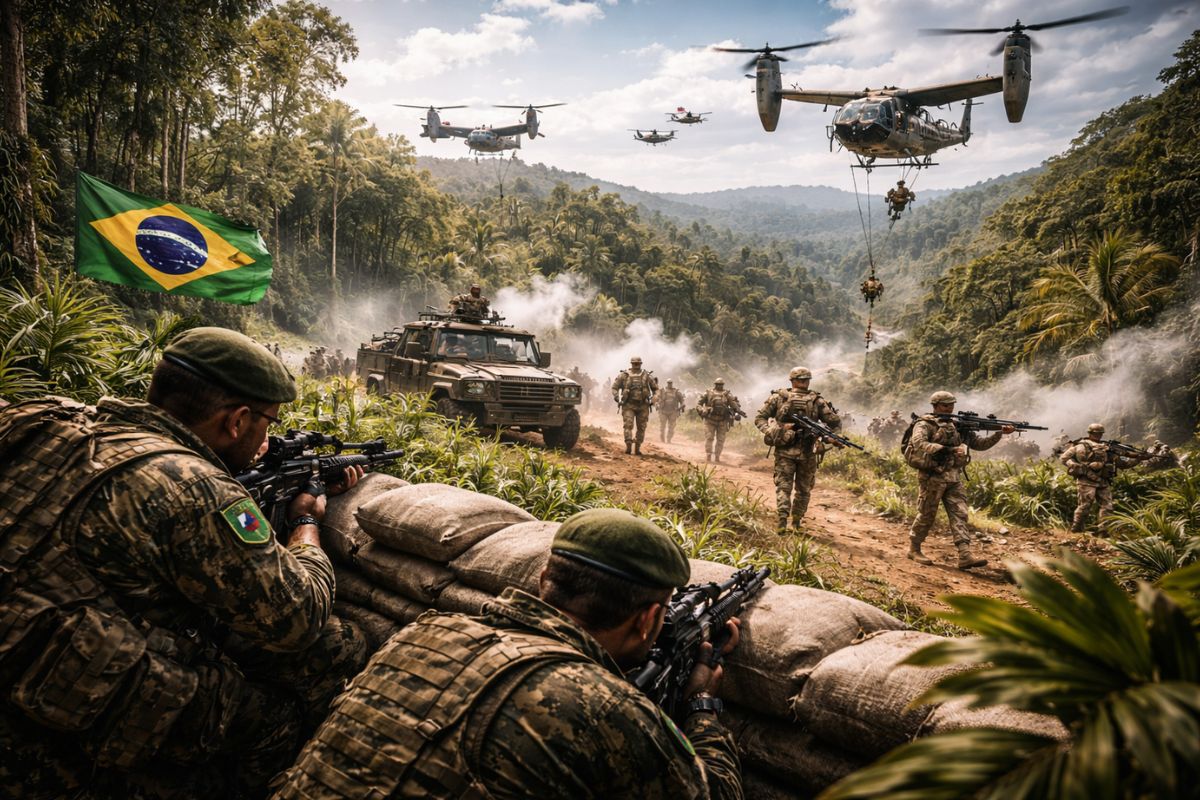
If the USA were to go to war with Brazil, Washington’s greatest fear would not be the attack itself, but facing a vast territory, prolonged resistance, and a costly, chaotic, and unpredictable occupation.
-
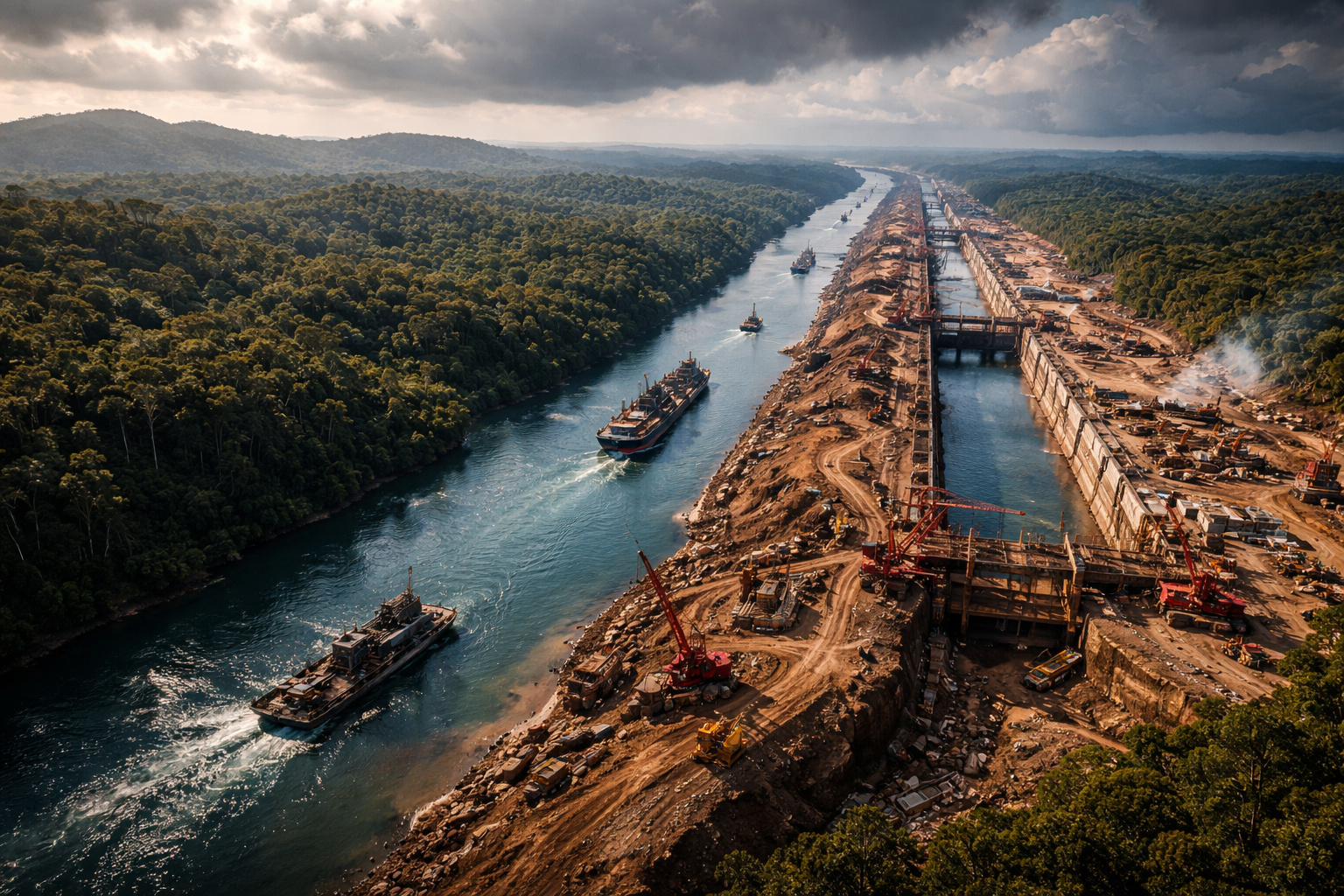
In 2013, Nicaragua sold the concession for a canal to rival Panama to a Chinese billionaire who lost 85% of his fortune, disappeared, and was declared bankrupt. Now the project resurfaces with a new route, a new Chinese partner, and a cost of $64.5 billion.
-
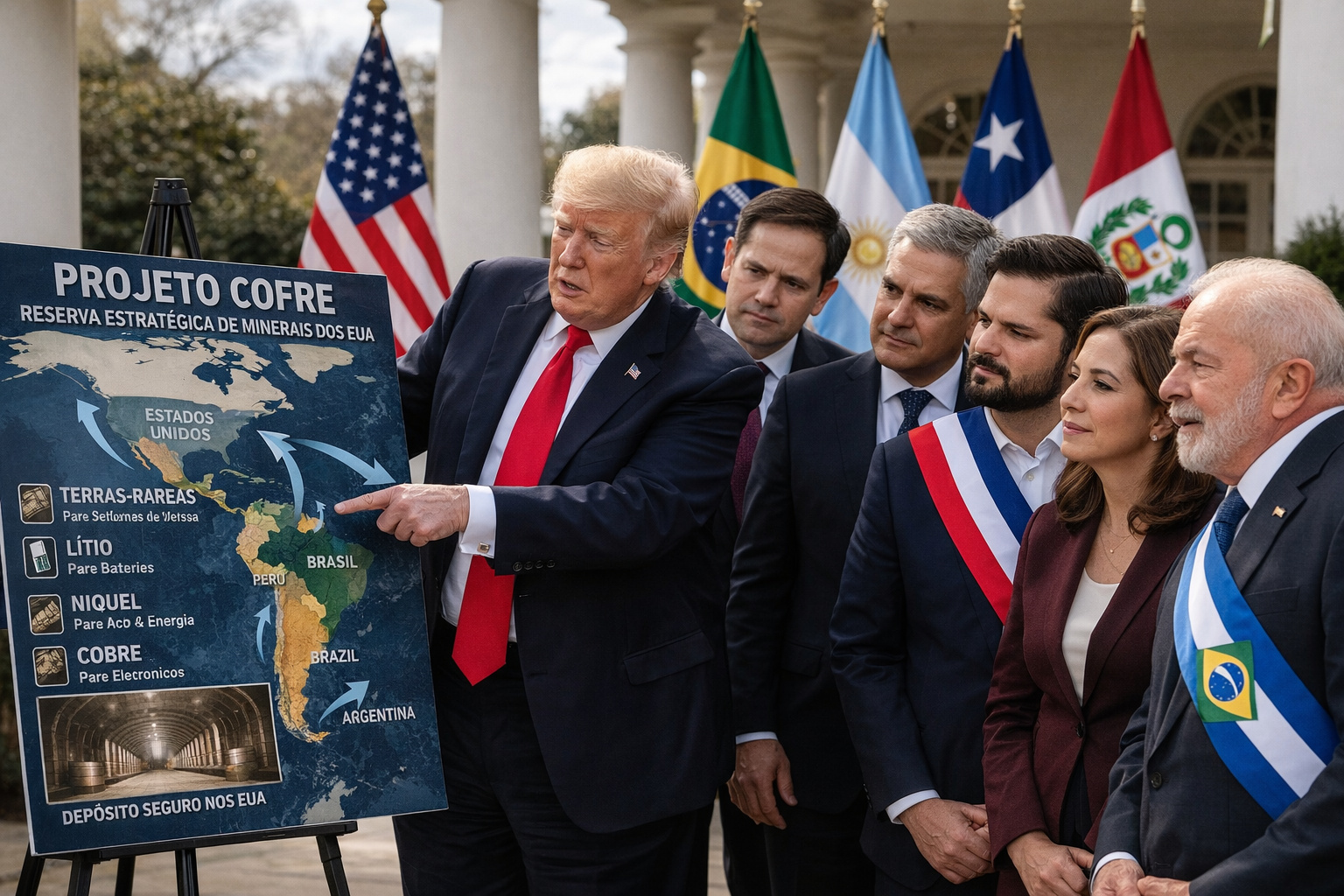
The USA announces a mysterious billion-dollar vault project to store critical minerals, but what intrigues experts is not just the plan itself, but why Latin America, including Brazil, has entered the center of this global dispute against China.
-
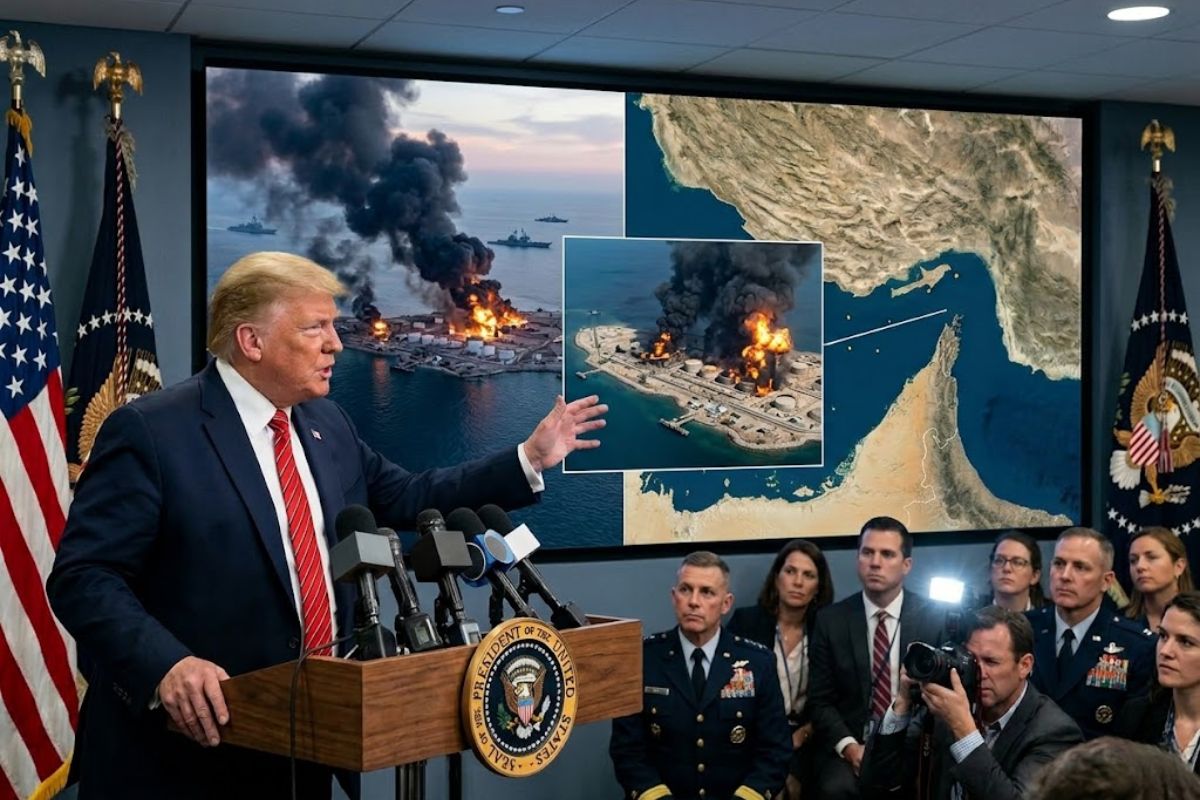
Trump Announces Bombing of U.S. Military Targets on Iranian Island Responsible for About 90% of Iran’s Oil Exports, Warns of Further Attacks if Navigation in Strategic Strait of Hormuz Is Threatened

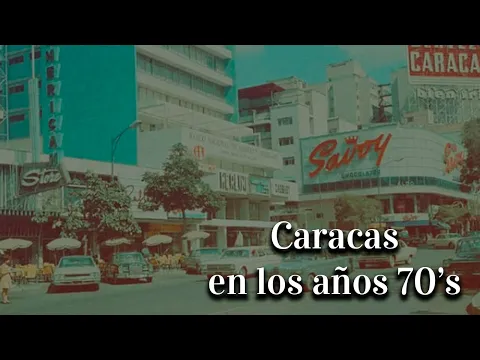
During that period, the discovery and intensive exploitation of oil radically transformed the Venezuelan economy.
The country, previously agricultural and an exporter of coffee and cocoa, began producing around three million barrels per day.
Prosperity, however, did not translate into collective well-being, creating a scenario of extreme contrasts.
The “Saudi Venezuela” and Luxury Restricted to the Elite
During the 1970s, Venezuela became internationally known as “Saudi Venezuela,” referring to the major oil producers in the Middle East.
Caracas was even compared to Paris in terms of quality of life, consumption, and modernity.
However, this reality was a privilege of a minority. While affluent neighborhoods showcased imported cars, luxury hotels, and abundant consumption, large portions of the population lived in slums and areas without basic infrastructure.
Structural inequality deepened and, over time, fueled popular discontent.
This context of social exclusion eventually became fertile ground for radical political changes, especially in the early 1990s, when confidence in traditional elites collapsed.
The Rise of Hugo Chávez and Oil as a Social Tool

The breakthrough came with Hugo Chávez, then a lieutenant colonel in the Army, who attempted a coup in 1992 and was later elected president in 1998.
His central proposal was to use oil money to reduce historical inequalities and expand access to basic rights.
During Chávez’s government, social programs were funded with oil income. According to former minister Rafael Ramírez, “we reduced poverty from 70% to 7%. These were significant social advances.” Millions of families gained access to housing, education, and public services.
From the outset, Maduro stood alongside Chávez, occupying strategic positions, including that of chancellor.
He was also responsible for articulating international alliances with countries such as Cuba, Russia, and Iran, expanding Venezuela’s geopolitical influence.
Maduro’s Rise to Power and the Consolidation of Authoritarianism
Following Chávez’s death, Maduro assumed the presidency as his political heir. However, over more than a decade in power, he consolidated a government marked by repression, intense propaganda, and centralization of power.
/i.s3.glbimg.com/v1/AUTH_59edd422c0c84a879bd37670ae4f538a/internal_photos/bs/2023/4/z/entnHHRXmIYqmrY4EZCg/bbc-chavez-5.jpg)
His personal trajectory contrasts with the position he occupies today. In the 1990s, Maduro was a bus driver in Caracas.
After joining the Socialist Party, he was sent to Cuba, where he had direct contact with Fidel Castro’s political model, which would later influence his governing style.
Electing by a narrow margin, Maduro began to face internal resistance. To maintain power, he strengthened intelligence and repression agencies.
The former head of the secret service, Manuel Figuera, stated: “He began to use this force as political police. It was like the GESTAPO was for Hitler.”
Repression, Persecution, and International Denunciations
From 2015 on, after losing the parliamentary majority, Maduro intensified control over institutions and opponents. Former allies, such as Rafael Ramírez, were persecuted and forced into exile.
“He ordered me to be arrested. Because he thought I could take his place,” the former minister recounted.
The then Attorney General, Luisa Ortega, broke with the regime after denouncing serious human rights violations. According to her, “more than eight thousand Venezuelans were executed by the police and the Army.”
Oil Crisis, Sanctions, and External Pressure
The crisis worsened with the collapse of the oil industry, especially the state-owned PDVSA, affected by corruption, lack of investment, and mismanagement.
Historic regions like Lake Maracaibo, the birthplace of Venezuelan oil, now reflect abandonment and decay.
The sanctions imposed by the United States increased the country’s isolation. In 2016, then-President Donald Trump supported Juan Guaidó as an alternative to Maduro, but the attempt at rupture failed.
According to John Bolton, former White House advisor, international allies prevented Maduro’s removal from power.
With the war in Ukraine and sanctions on Russian oil, Venezuela regained international relevance.
The Joe Biden government eased restrictions, reopening channels for dialogue and restoring prominence to Venezuelan oil.
Propaganda, Political Survival, and Uncertain Future
To maintain power, Maduro heavily invested in propaganda. One of the symbols of this strategy was the creation of the animated character “Super Bigode,” presented as the defender of the Venezuelan people.
Today, Venezuela is at a pivotal moment. Between memories of a past rich in oil, unfulfilled promises, and a prolonged crisis, the country faces the central question: will the population continue to support Maduro’s regime, or will they seek to turn the page on their political history?





Seja o primeiro a reagir!