





 Portuguese
  English
  Spanish
  4 min of reading
  0 comments


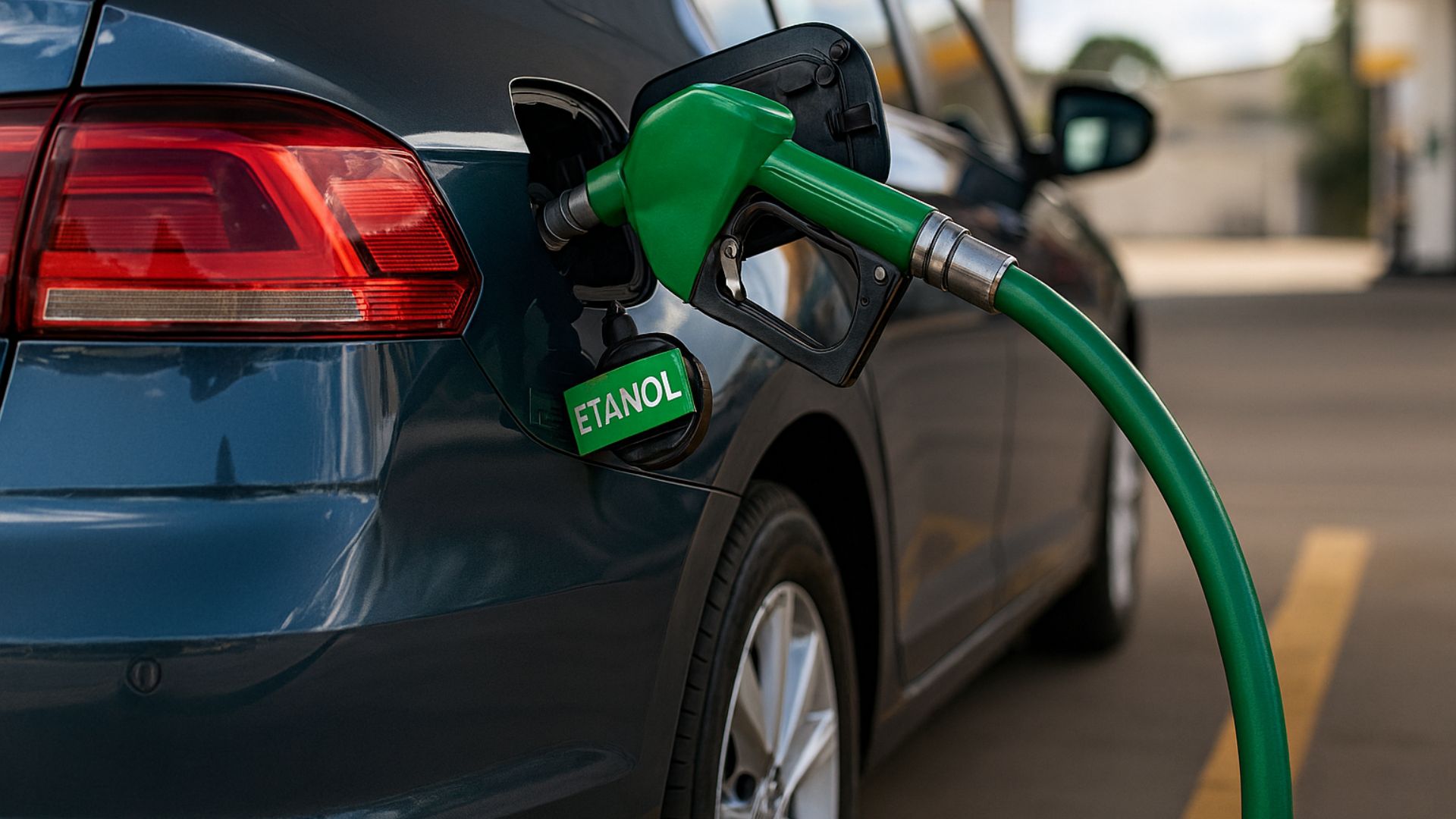
New Data from ANP Show Where Ethanol Guarantees More Savings at the Pump. Discover Why the Biofuel Outperforms Gasoline in Four States and See How to Take Advantage of Lower Prices
In the week ending on Saturday (6), new data consolidated by the National Agency of Petroleum, Natural Gas and Biofuels (ANP) showed that ethanol has again become more competitive than gasoline in four Brazilian states. The survey, compiled by AE-Taxas, indicates that this regional behavior contrasts with the national average, where the parity remained above the historically ideal limit set by experts.
Ethanol More Advantageous According to ANP: The States with Best Parity
According to a report published by the Rural channel this Monday (8), the price relationship stood at 70.66%, indicating that the biofuel still does not offer significant advantages in the national scenario. However, the states of Mato Grosso, Mato Grosso do Sul, Paraná, and São Paulo showed more favorable results, providing consumers with a more economical alternative at the pump.
ANP’s research shows that ethanol was more competitive in the following states:
-
The Economist states that Brazil has a “secret weapon” against expensive oil and highlights how the country can reduce economic impacts even in international scenarios of high volatility.
-
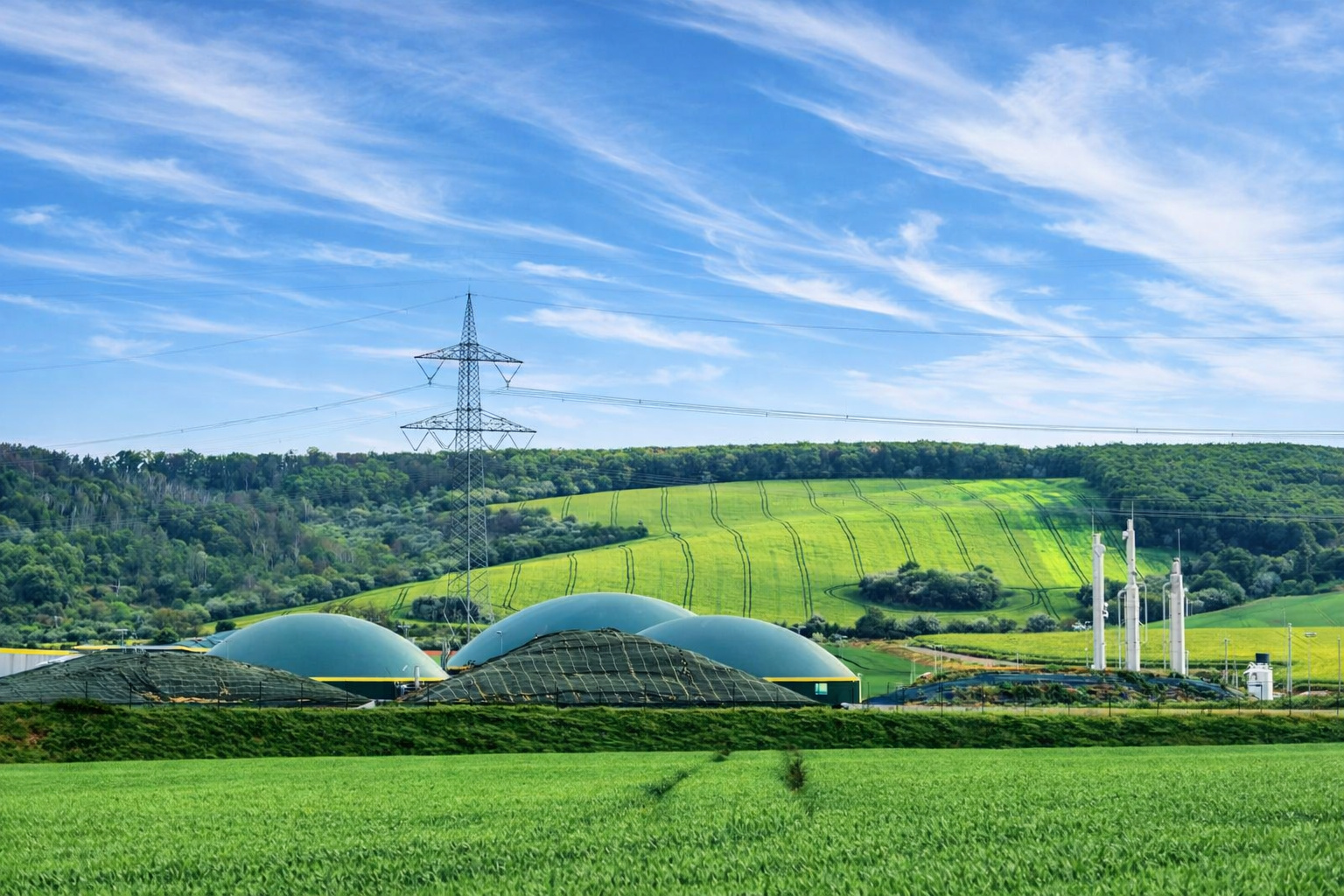
Brazil accelerates decarbonization in the South: International forum in Foz do Iguaçu gathers leaders to discuss the advancement of biomethane in the energy matrix and the potential of “caipira pre-salt.”
-
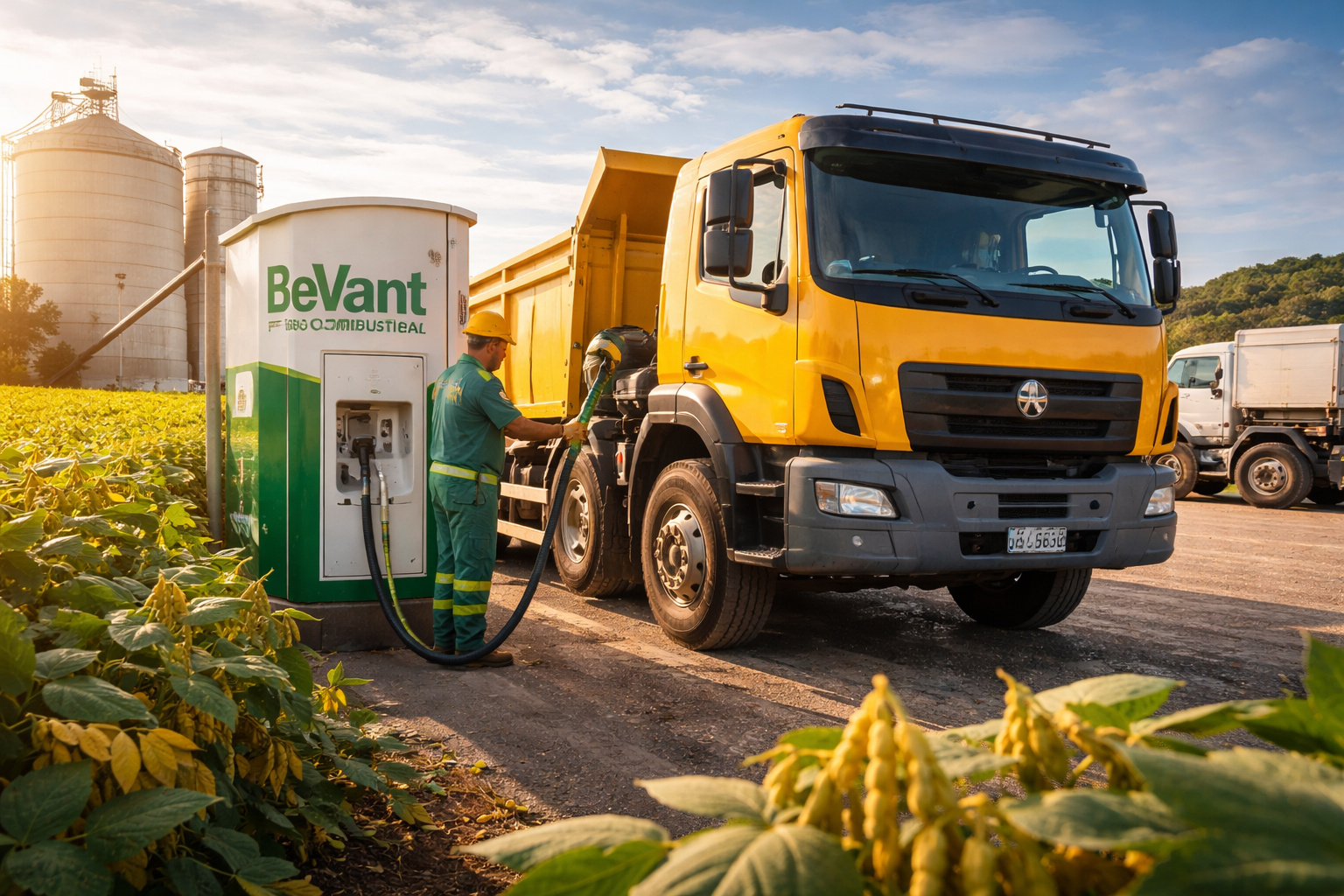
As diesel prices soar due to conflicts in the Middle East, a Brazilian city decides to test a little-known biofuel that promises to completely replace fossil fuel without adaptation and could change the future of energy in the country.
-
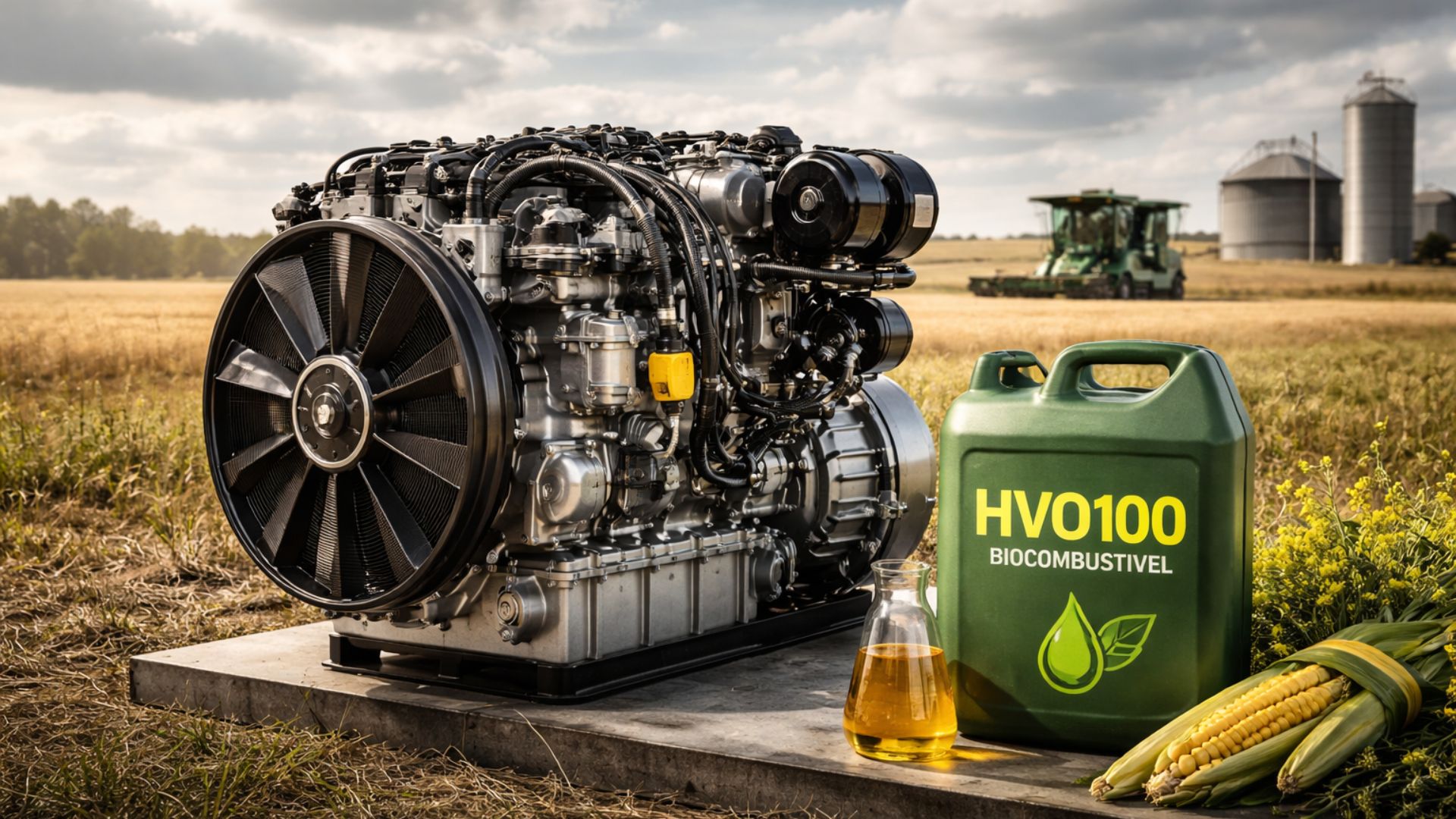
Innovation with biofuel engines transforms agribusiness by replacing diesel without the need for major adaptations, ensuring energy efficiency and helping to reduce dependence on oil.

- Mato Grosso: parity of 69.94%
- Mato Grosso do Sul: 66.68%
- Paraná: 68.73%
- São Paulo: 69.09%
Parity represents how much the price of ethanol equates to the price of gasoline. In general, when this relationship is equal to or below 70%, ethanol tends to compensate due to higher consumption per kilometer driven. This index is widely used by the sector, although it is not an absolute rule.
Executives in the sector emphasize that real yield varies depending on the vehicle model, climate, and driving style. In more modern flex vehicles, ethanol can be advantageous even above the reference value of 70%, which reinforces the importance of evaluating the individual consumption of each car.
Thus, parity is not just a cold calculation, but an indicator that should be interpreted within a set of variables linked to everyday use.
Why These States Have the Most Competitive Ethanol
The four states where ethanol was more advantageous share structural and economic characteristics that directly influence the final price. Among the main factors, the following stand out:
Expressive Sugar Cane Production
Regions like São Paulo and Mato Grosso do Sul have a strong concentration of sugar-alcohol mills, which reduces logistics costs and makes the product more accessible to the end consumer. The shorter the distance between the mill and the gas station, the lesser the transport impact on price.
Lower Dependence on Imported Fuels
States with ample domestic supply of ethanol depend less on gasoline coming from other regions or abroad. This lower dependence can reduce price volatility and keep the market more stable.
High Competition Among Distributors and Stations
In São Paulo and Paraná, for example, there are multiple distributors and strong competition among gas station networks. The greater the competition, the higher the pressure to reduce margins and offer more attractive prices.
Logistical Advantage
Favorable infrastructure, such as good quality roads and proximity to distribution centers, reduces transportation costs and ensures more predictable inventory throughout the week.
National Average Still Unfavorable to Ethanol
Despite regional advantages, the national average indicates a disadvantage for the biofuel. The parity of 70.66% indicates that using gasoline is still more advantageous in most of Brazil.
This scenario occurs for various reasons, including:
- Lower concentration of mills in the North and Northeast regions
- High transportation costs for ethanol distribution
- Gasoline price variations influenced by the international market
- Greater dependence on fossil fuels in several regions
Biofuel as a Pillar of the Brazilian Energy Matrix
In addition to the financial aspect, ethanol is recognized for its significant environmental contribution. Produced primarily from sugarcane, the biofuel is considered one of the most sustainable in the world, with the potential to significantly reduce greenhouse gas emissions compared to the gasoline cycle.
Among the main benefits are:
- Stimulus to the regional economy
- Reduction of dependence on oil
- Job creation in the countryside
- Strengthening the sugar-energy industry
- Direct contribution to global energy transition
Outlook for the Coming Months
The advantage observed in the four states may persist if gasoline prices do not drop significantly. Factors that may alter this balance include:
- Fluctuations in international oil prices
- Refinery adjustment decisions
- Supply variations with the sugarcane harvest and off-season
- State incentive policies
- Tax changes
If production remains robust and supply increases, it is possible that other states will begin to register parities below 70%, expanding the favorable scenario for the biofuel.
General Overview for the Brazilian Consumer
The latest data show that Mato Grosso, Mato Grosso do Sul, Paraná, and São Paulo offer the best opportunities for savings at the pump with ethanol. The combination of lower prices, abundant supply, and efficient logistics reinforces the attractiveness of the biofuel in these regions.
In the rest of the country, gasoline still leads in competitiveness, but this may change with the upcoming market variations and the evolution of agricultural production. In a country that has one of the most renewable energy matrices in the world, consumers who keep track of the ANP’s weekly data have a better chance of paying less and making more conscious choices.








Seja o primeiro a reagir!