





 Português
  Inglês
  Espanhol
  5 min de leitura
  0 comentários


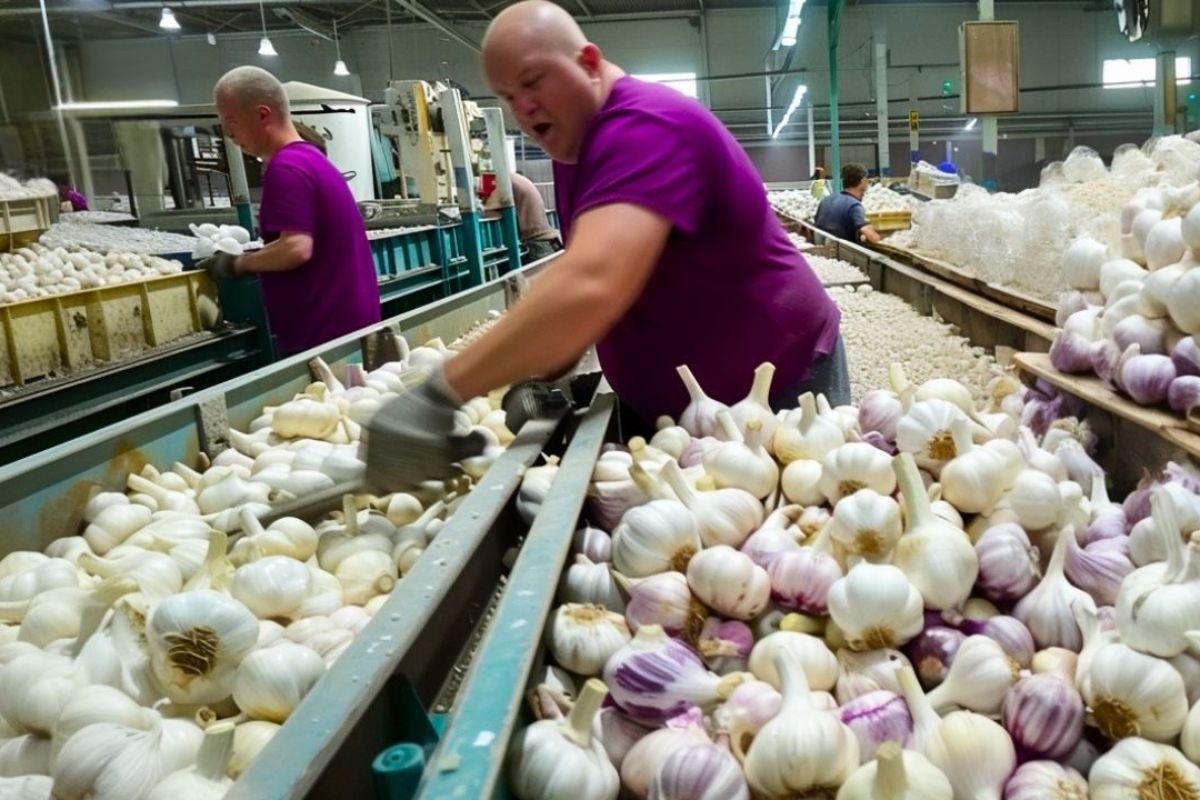
In A World That Consumes 22 Million Tons Per Year, Large-Scale Garlic Production Uses Heavy Automation To Transform Bulbs Into Peeled Garlic, Standardize Garlic Processing And Sustain The Garlic Industry That Supplies Restaurants, Factories And Supermarkets With Garlic Daily On The Planet Today
With each harvest, industrial scale garlic production mobilizes farms and factories across multiple continents. From planting to conveyor, garlic crosses the world as an essential raw material of the garlic industry, which must ensure consistent volume and quality to meet global demand year after year.
Within the factories, garlic processing begins just hours after harvesting: dirty bulbs enter on one side, peeled and standardized garlic comes out the other. It is this accelerated transformation that makes the garlic industry a critical link between the field, supermarkets, and professional and home kitchens worldwide.
From The Farm To Mass Harvesting In Garlic Production

Garlic production starts with a precise agricultural calendar, where the harvest timing defines the performance of the entire chain.
-
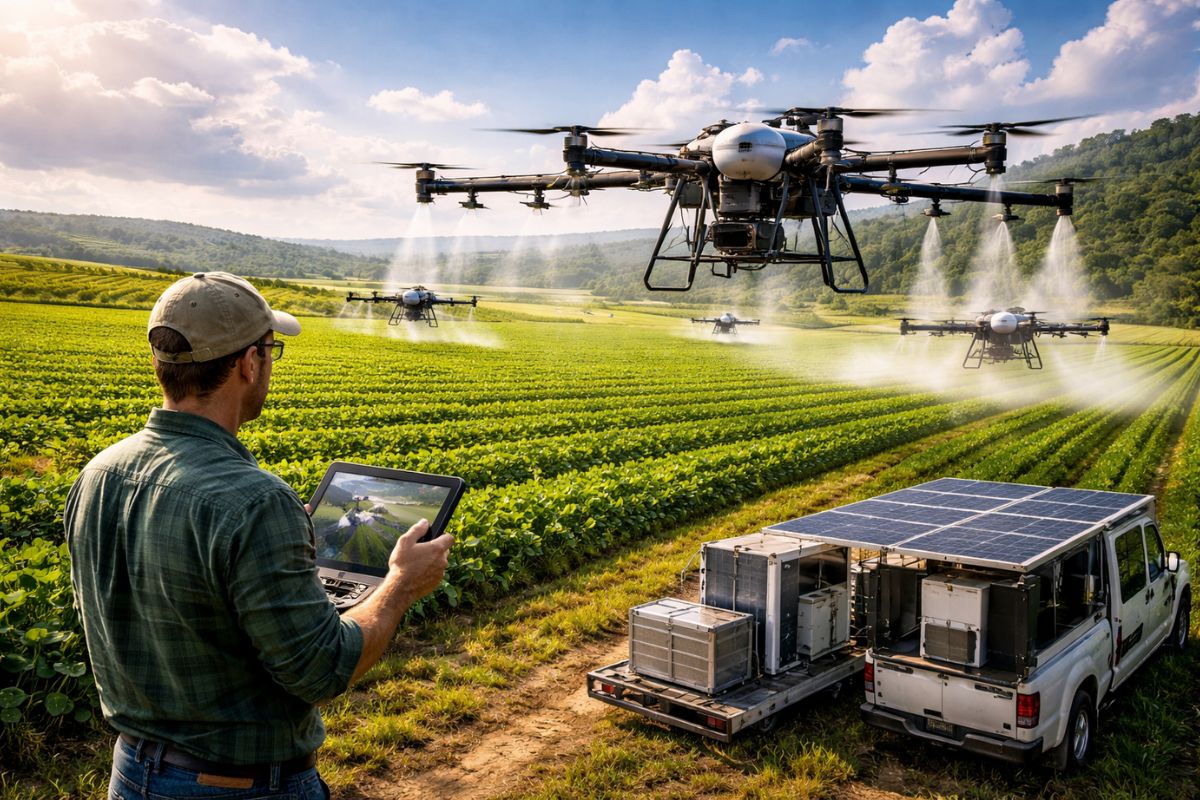
Alone, the producer applies 7,400 hectares with the T100 drone in an optimized structure, replaces the generator with a silent battery, and demonstrates how technology reduces costs, increases productivity, and even challenges the uniport in the field.
-
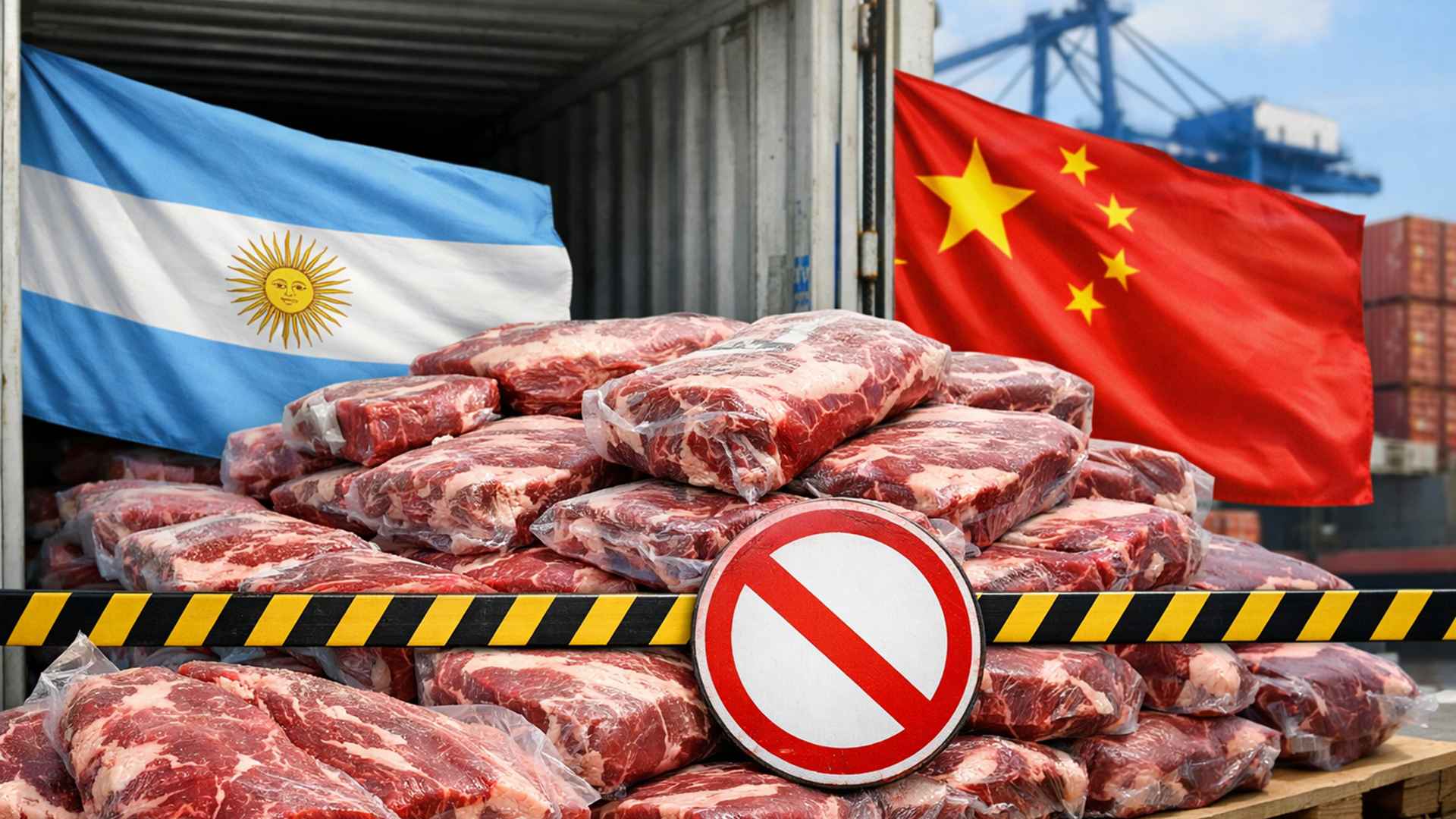
China banned the export of 22 tons of meat from Argentina.
-
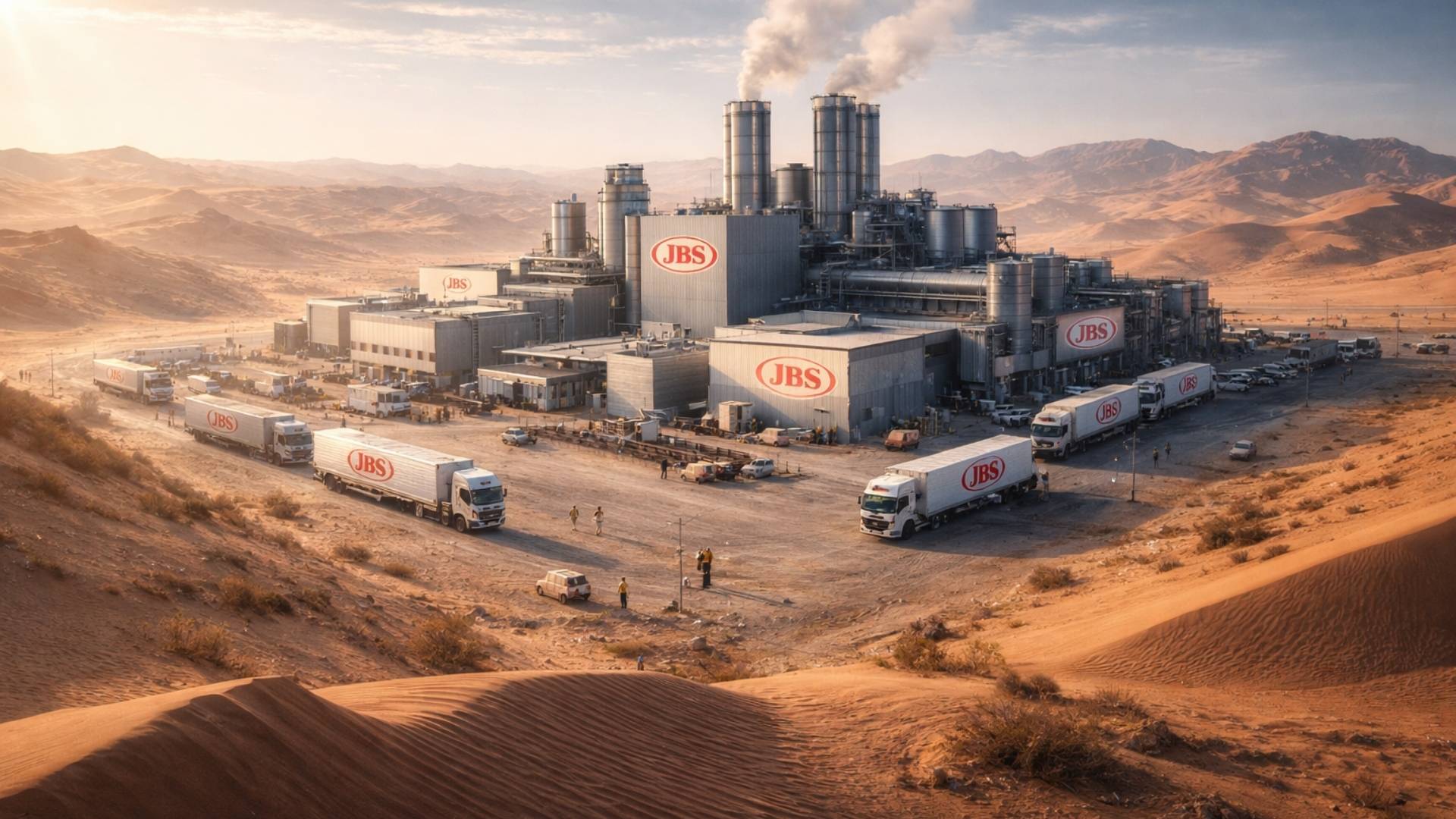
JBS, founded by the Batista brothers, continues to conquer the world: entrepreneurs built a ‘factory in the desert’ creating 3,000 jobs.
-
With only 1% of Brazil’s territory, Santa Catarina has built one of the most competitive industrial parks in the country, with 64,000 companies, nearly 1 million jobs, and a growth rate of 5.3% while the national industry is practically stagnant.


In large cultivated areas, the bending of plants and the color change of the leaves indicate maturity: brown lower leaves and still green upper ones signal the ideal moment to pull each garlic bulb from the soil.
To handle millions of tons, large-scale garlic production relies on specific harvesting machines equipped with digging teeth that loosen the soil beneath the bulbs.
These machines lift the garlic from the field with minimal damage and organize continuous rows for the subsequent steps.
Next, cutting systems with rotating blades remove the roots at the base and standardize the length of the stems, preparing the product for garlic processing inside the factory.
At this initial stage, the garlic industry already gains significant efficiency, as the heavy work of pulling, cutting, and aligning is done in continuous motion.
The more uniform the garlic comes out of the field, the more predictable and faster the industrial line of sorting, peeling, and packaging becomes.
From The Soil To The Automated Lines Of The Garlic Industry

As soon as they leave the farm, trucks take the bulbs directly to the factory complex.
There, the garlic industry begins with conveyor systems that receive the bulk load and distribute the bulbs in thin layers.
Air blowers, vibrating screens, and rotary brushes come into play to remove loose soil, leftover roots, and debris.
After mechanical cleaning, operators conduct a visual inspection and remove damaged bulbs, those with mold or severe deformation.
This step protects the downstream garlic processing, as it reduces the chance of defects reaching the peeling and cutting equipment.
Next, bulb breakers automatically separate each head into individual cloves, preparing the raw material that will be transformed into peeled garlic.
At this point, garlic production is already fully within a controlled continuous flow environment, with sensors, inclined conveyors, and automatic feeders.
This is where the garlic industry combines specialized labor and heavy automation to maintain volume, hygiene, and traceability at a steady pace.
How Garlic Processing Generates Peeled Garlic At Scale
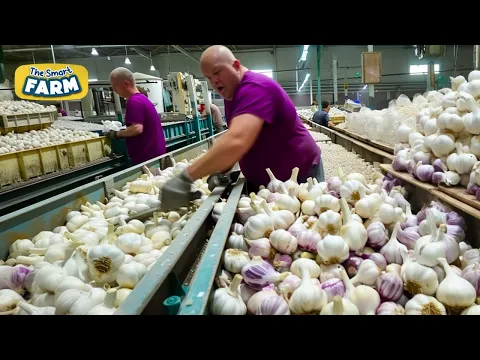

The heart of garlic processing lies in the peeling lines, where each clove passes through machines designed to remove only the outer layers.
The equipment uses controlled friction, airflow, and vacuum systems to detach the dry skin without crushing the interior.
At the end, the vacuum collects the peels and directs them for disposal or reuse, while the peeled garlic continues on dedicated conveyors.
In many industrial parks, garlic processing includes a second level of manual inspection, where workers remove cloves still partially covered by skin, trim damaged ends, and discard units with signs of deterioration.
This combination of machines and human inspection ensures that the peeled garlic has a uniform appearance, standardized size, and low raw material loss.
To cater to different markets, the garlic industry segments the flows.
Part of the peeled garlic goes to lines that produce whole portions in trays or containers, aimed at professional kitchens and supermarkets.
Another part goes into cutting, grinding, or pressing equipment, resulting in pastes, frozen cubes, or bases for processed products.
In all cases, garlic processing maintains focus on time, temperature, and hygiene to preserve flavor, texture, and microbiological safety.
Weighing, Packaging And Cold: The Last Stretch Of The Garlic Industry
With the cloves already cleaned and standardized, the next step in garlic production is dosing.
Automatic multi-head weighing systems release exact portions into plastic containers, trays, or bags.
Sensors monitor the weight of each batch, ensuring that the peeled garlic meets label specifications with minimal variation.
Right after dosing, thermal sealers create airtight barriers, removing excess air when necessary and sealing trays and bags vacuum-tight.
This step is crucial to extend the product’s shelf life, as the absence of oxygen reduces oxidation, darkening, and microbial growth.
Garlic processing is completed with labeling, which adds information on origin, batch, shelf life, and storage instructions.
From there, the garlic industry transfers the volumes to cold chambers, where the peeled garlic and whole bulbs stabilize at controlled temperature.
Palettes with cardboard boxes, mesh bags, and vacuum packaging are organized according to the type of customer: wholesalers, supermarket chains, food industries, or regional distributors.
The cold closes the industrial cycle and ensures that garlic production reaches retail with freshness and food safety.
From The Field To The Plate: Garlic As The Invisible Infrastructure Of Food
When consumers see a tray of peeled garlic at the supermarket or open a jar to cook, they hardly imagine the chain of technical decisions that sustain this offer.
Behind each package lies a garlic production that starts with the choice of variety, passes through the calibration of machines at harvest, and ends with the millimeter configuration of automated packaging lines.
In practice, what is seen is a garlic industry that operates as the invisible infrastructure of modern food, connecting farmers, logistics operators, process engineers, and retailers in a single global network.
Without large-scale garlic processing, it would be impossible to guarantee the continuous supply of fresh garlic and peeled garlic in large urban centers year-round.
Given this backdrop of machines, cold chambers, and successive inspections, a question remains for you: knowing everything that happens in the garlic chain before it reaches your kitchen, would you prefer to buy garlic still in bulbs or opt for ready-to-use peeled garlic?









-

-

-

7 pessoas reagiram a isso.