





 Portuguese
  English
  Spanish
 7 min of reading
  2 comments


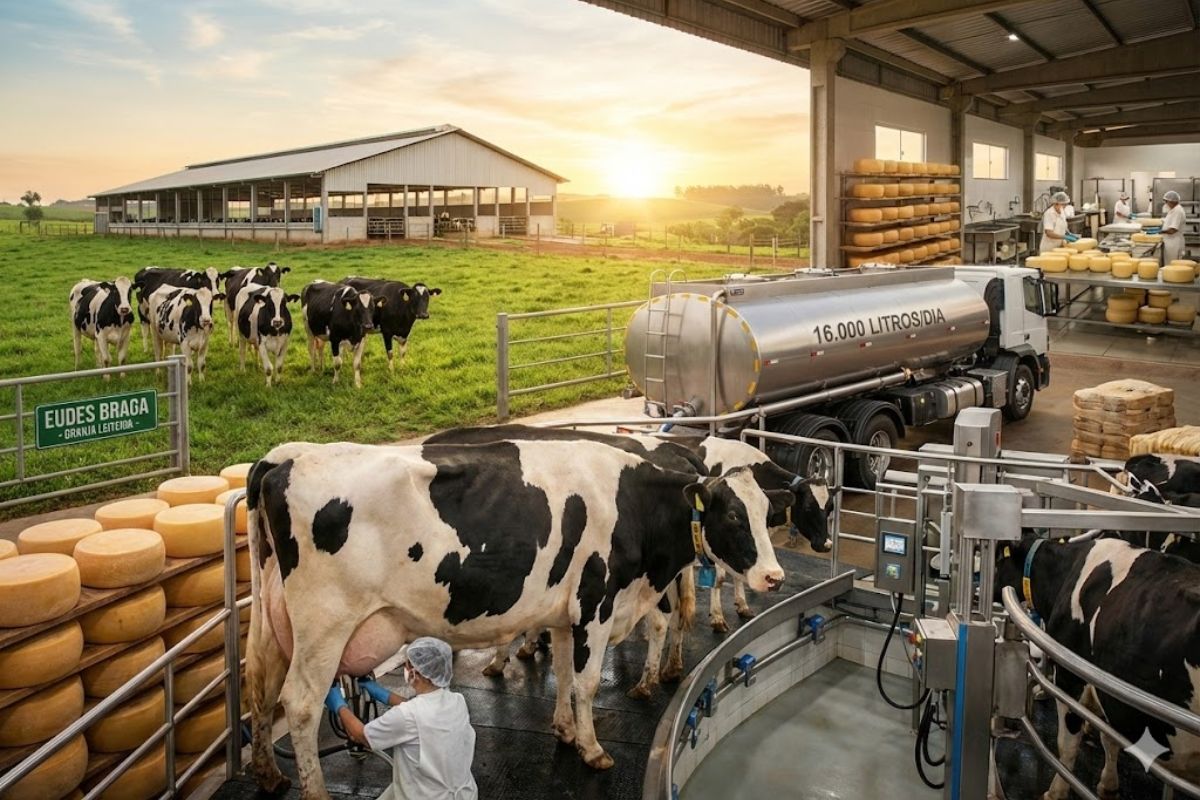


With Only 9 Acres Owned, Eudes Braga Dairy Farm Expanded from a Small Crossbred Herd in 2008 to 16 Thousand Liters Daily, 100 to 150 Kilos of Handcrafted Minas Cheese, Valued Dutch Genetics, and Heifers Sold for About 25 Thousand Reais Each, Supporting Local Employment and Constant Growth.
In 2008, when the chance to buy the current headquarters in Carmo do Paranaíba arose, Eudes Braga Dairy Farm still didn’t have cash on hand, but it already had a history of cheese in the capital Belo Horizonte and a plan to turn six acres of precarious structure into a professional milk system. Since then, the property transitioned from a few crossbred animals to a high-yield Dutch herd, capable of delivering 16 thousand liters per day in three milkings.
Throughout 2010, 2015, and the expansion cycle from 2020 to 2023, the dairy farm moved from semi-confinement in paddocks, migrated to the compost barn, increased the number of employees to over 20 people, began producing 100 to 150 kilos daily of Handcrafted Minas Cheese from the Cerrado, and consolidated the sale of Dutch genetics with heifers selling for about 25 thousand reais each.
From Clandestine Cheese in BH to Professional Dairy Farm

The history of the dairy farm begins well before the compost barn. Eudes started as a cheesemaker, buying cheeses from various producers in the countryside and reselling them in Belo Horizonte.
-
They said no to 26 million dollars and would do it all over again: mother and daughter from Kentucky reject a million-dollar offer from a mysterious company that wants to build the largest data center in the state on more than 2,000 acres of rural land.

-
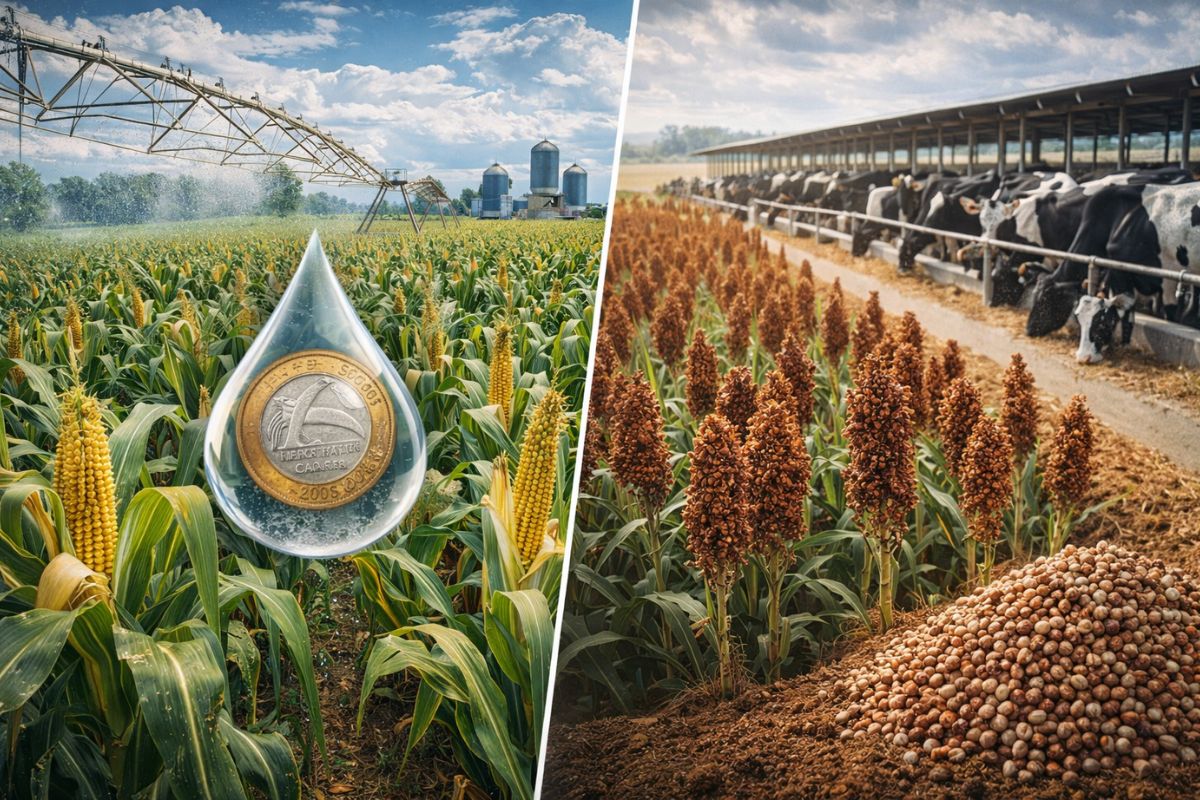
While corn requires rain and is expensive, sorghum produces almost the same volume per hectare at a cost up to 80% lower and uses less water, and it is revolutionizing dairy farming in the Triângulo Mineiro, where producers save hundreds of reais per hectare.
-
A rural producer from Urubici cries as he shows 50 tons of plums thrown on the ground because no one wanted to buy them, and in desperation, he records a video asking anyone to come to the property to pick the fruits before they rot.
-
Unable to pass through Hormuz, Brazil activated a plan B that uses Turkey as a gateway to the Middle East: the route through Gibraltar and the Mediterranean is longer and more expensive but ensures that chicken, beef, and corn continue to reach Arab markets.


The product gained fame as “Eudes’ cheese,” but there was no traceability or control of origin.
When clients from the capital started requesting cheese with guaranteed provenance, the turning point arrived.
Eudes concluded that he could only ensure origin by producing his own milk and cheese.
This gave birth to the embryo of the current dairy farm, still in simple facilities, with his mother making the first batches of cheese in the oven and Eudes himself undertaking risky trips to Belo Horizonte amid the inadequate inspection of the time.
Purchase of the Farm in 2008: Half Upfront, Half with Milk

In 2008, the opportunity arose to acquire a farm from an uncle, with about 12 acres, six of which were already designated for milk, equipped with basic milking and barn facilities.
The problem was that the dairy farm didn’t have the cash for the down payment, only a history of working with cheese and a sales flow in the capital.
Eudes proposed to his uncle to pay half upfront and the other half a year later.
To make the first installment feasible, he invited his father-in-law and another uncle to join the purchase, selling them half the area. With this funding, he made the initial payment to the previous owner.
The second half was paid off in twelve months, using exclusively the cash generated by the farm itself, in a grounded growth approach, without unrealistic indebtedness jumps.
From 1000 Kilos of Cheese Per Day to 150 Kilos, Focusing on Milk
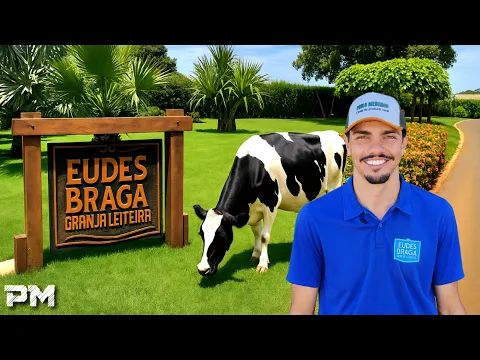

At the peak of the cheese phase, Eudes Braga Dairy Farm managed to transform practically 100 percent of the milk into artisanal product, producing about 1000 kilos of cheese per day, in three milkings, with manual pressing and teams working until close to midnight.
Today, the setup is different.
The majority of the 16 thousand liters daily is allocated to the dairy industry, and the cheese production has become leaner, with approximately 100 to 150 kilos produced daily.
The portfolio remains focused on a single type of product:
the Handcrafted Minas Cheese from the Cerrado, in three stages of maturation
fresh, with 7 to 10 days
aged, with about 22 days
black-coated resin, with 60 days of maturation.
The milk arrives hot at the cheesemaking area through stainless steel pipelines that connect directly from milking to tanks, respecting the requirements for raw milk cheese.
The whey is channeled and sold to pig producers, creating an additional revenue stream without establishing a new activity arm within the farm.
Compost Barn, Comfort, and Lots with 64 Kilos of Milk per Cow
The central technical point of expansion was the shift to the compost barn.
From 2015 on, the dairy farm began investing in compost bedding, ventilation, sprinkling, and fine management of comfort.
Previously, the lactating cows were kept in paddocks, with troughs and semi-confinement.
Today the system is 100 percent confined, with:
• compost barn for lactating cows, with bedding of wood shavings turned twice a day, breaking clumps, and fans operating more to dry the bedding than to cool
• sprinkling lines in the feeding area and cooling during milking to reduce thermal stress on the Dutch cattle in the Cerrado environment
• refrigerated waiting area and a strict routine of three daily milkings, always as calmly as possible.
The herd is organized into lots by stage and production potential.
The immediate postpartum average is around 32 liters, first-time mothers hover around 41, second-time mothers reach approximately 52 liters, and the high-production lot registers an average of 64 kilos of milk per cow per day, with individual animals reaching 75 kilos.
On average, the dairy farm currently operates with about 48 liters per cow, measured daily with a weighing system, but analyzed in weekly windows to smooth out variations.
Nine Acres Owned, Ninety Leased, and an Expensive “Hotel”
A striking fact is the land base.
The dairy farm has only 9 acres of owned land, all occupied with compost structures, circulation, installations, gardens, and support. To ensure forage, the farm leases about 90 acres in adjacent areas for direct planting of corn for silage.
There is no second corn harvest, as it is considered too risky in the region due to high costs and dependence on climate.
Instead, the dairy farm uses the off-season to plant millet, which has proven productive and useful, especially in rearing, helping to reduce costs during that phase without losing performance. A portion of the silage is still purchased, always aiming to maintain a stable diet.
In the formulation of the total mixed ration, corn silage, pre-dried, soybean meal, cottonseed, cornmeal, and mineral core are homogenized to prevent cows from separating ingredients in the trough, ensuring balanced consumption of energy and fiber.
The internal motto, repeated by Eudes, summarizes the economic vision of the system: the “hotel is expensive.” If the cow does not produce enough milk to pay for its stay, it needs to make way for a more efficient one.
Dutch Genetics, Embryos, and Heifers Priced at 25 Thousand Reais
Initially, the dairy farm worked with crossbred animals with Jersey, focusing on the solids in the milk for cheese.
However, starting in 2010, with the support of veterinarians, semen banks, and technical partners, the decision was clear: total focus on the Dutch breed, exploring volume and, with nutrition and improvement, also good solids.
The farm held field days for three years, gathering up to 500 people at some events, using these occasions to sell 20 to 30 surplus animals per edition.
As the market began recognizing the herd, auctions were replaced by direct sales to farms across Brazil, from the Southeast to the South.
Today, the heart of the genetics business lies in selling Dutch embryos to farms transitioning from confined Girolando to pure Dutch, streamlining the use of barn facilities.
The heifers of standard from the dairy farm, pregnant and with high genetic value, are sold for around 25 thousand reais each, and there are already clients with nearly whole barns formed from genetic material sourced from the farm.
People, Women in Milking, and Employment in Alto Paranaíba
The productive leap did not result only from genetics and feed.
The dairy farm has structured itself as a business, with a clear hierarchy and well-defined roles. Iágo, who started at 14 years old taking care of the garden on Saturdays, went through milking, took on operational responsibilities, and today shares practical management with Eudes’ veterinary brother.
Currently, there are over 20 employees, many living in the nearby community of Campo do Meio or in nearby villages. At least eight are women, with a strong presence in milking and cheesemaking.
The bet is explicit: women bring calm, care, and consistency, essential characteristics in a system where the cow depends on a rigid routine and a calm environment to produce more milk.
Management, Consulting, and the Plan to Reach 40 Thousand Liters
The dairy farm has also invested in management.
The consulting from Datapec, led by Gabriel Cacheta, has become integrated, formulating diets, monitoring animal performance, evaluating costs, and even assisting in financial decision-making.
The rule is simple: any relevant technical or economic change must pass through the consulting filter, aligned with the owner’s long-term vision.
With 16 thousand liters per day consolidated, a full compost barn structure, and increased demand for genetics, the declared project is to continue expanding the herd and facilities until approaching the 40 thousand liters of milk per day, always within the logic of gradual growth and financed by the farm’s own cash flow.
The path includes new rearing barns, more embryo receivers, increased silage area, and even more intensive use of weighing and production data per cow.
In the end, the trajectory of Eudes Braga Dairy Farm shows that an intensive system can arise from a few acres, provided it combines genetics, comfort, strict cost management, and a clear vision that milk is a tight-margin business that requires meticulous efficiency in every detail.
In your opinion, what is the most difficult aspect to build in a dairy farm of this size: cutting-edge genetics, qualified team, or disciplined financial management?









Na região vcs têm facilidade de arrendar terra para plantio ou os terrenos arrendados estão longe da sede? Também ardendo terreno para plantar, mas tenho muito medo de faltar trato para o ****.
Com a instalação de um biodigestor você pode zerar a conta de energia elétrica mais informações 11 97409-2773