





 Portuguese
  English
  Spanish
 6 min of reading
  0 comments


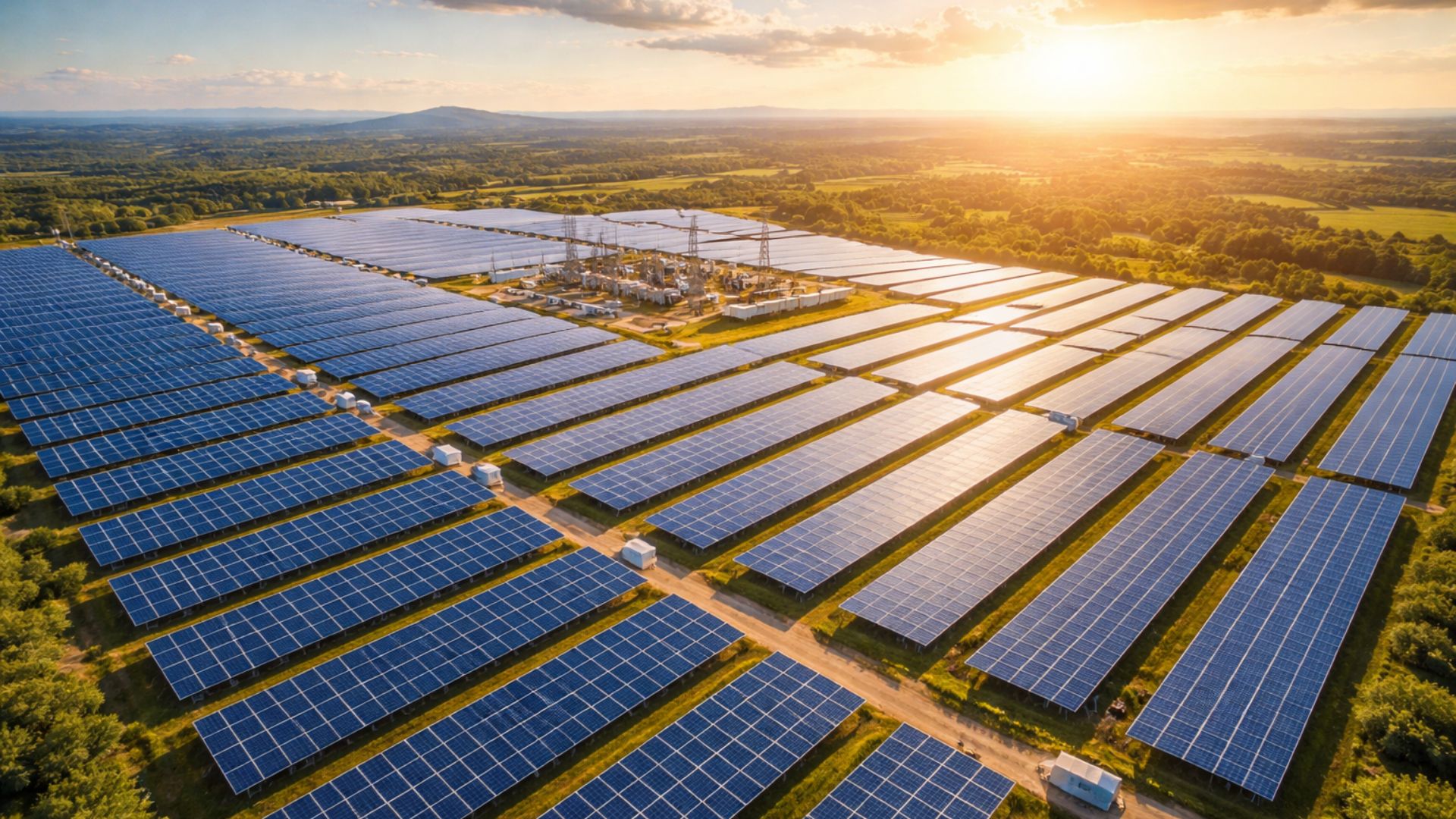
The Draco Solar Complex, Located in Arinos, Reinforces the Role of Minas Gerais in the Expansion of Solar Energy, Adding 505 MW to the SIN and Enhancing the Security of the National Electric System with an Investment Exceeding R$ 2.4 Billion
The Brazilian electric sector began the year with a strategic advancement in the expansion of clean energy. In January, nine plants of the Draco Solar Complex began commercial operation in Arinos, in the northwest of Minas Gerais, strengthening the generation of solar energy and enhancing the security of the national renewable matrix.
The project is part of the New Growth Acceleration Program (Novo PAC) and represents an investment exceeding R$ 2.4 billion. According to a publication made by the Ministry of Mines and Energy on Monday (23), the project has the potential to supply energy equivalent to the consumption of more than 500 thousand households, with a total installed capacity of 505 megawatts (MW).
Technical Structure of the Draco Solar Complex Reinforces Brazil’s Renewable Matrix
The Draco Solar Complex consists of 11 photovoltaic plants that total 462 generating units, amounting to a total installed capacity of 505 MW. The Draco Solar plants 1 to 10 each have 48 MW, while Draco Solar 11 has 24 MW.
-
Roraima bets on the sun to escape high tariffs: Amid the energy crisis and price hikes, solar energy is growing in Roraima and transforming consumption in the North region.

-
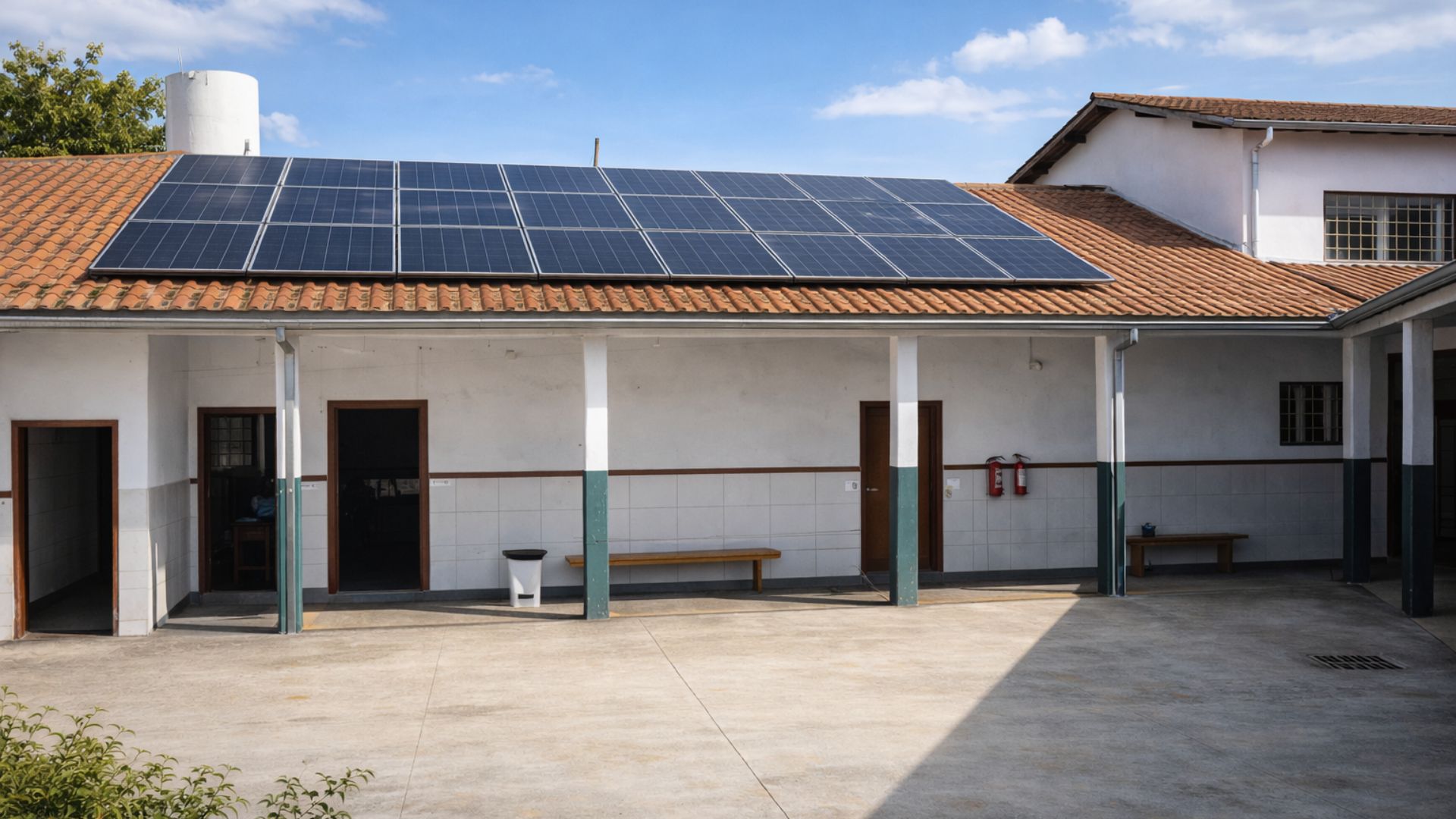
Copel boosts solar energy in Paraná and brings innovation to public schools, promoting savings on electricity bills, energy efficiency, and a direct impact on the quality of education.
-
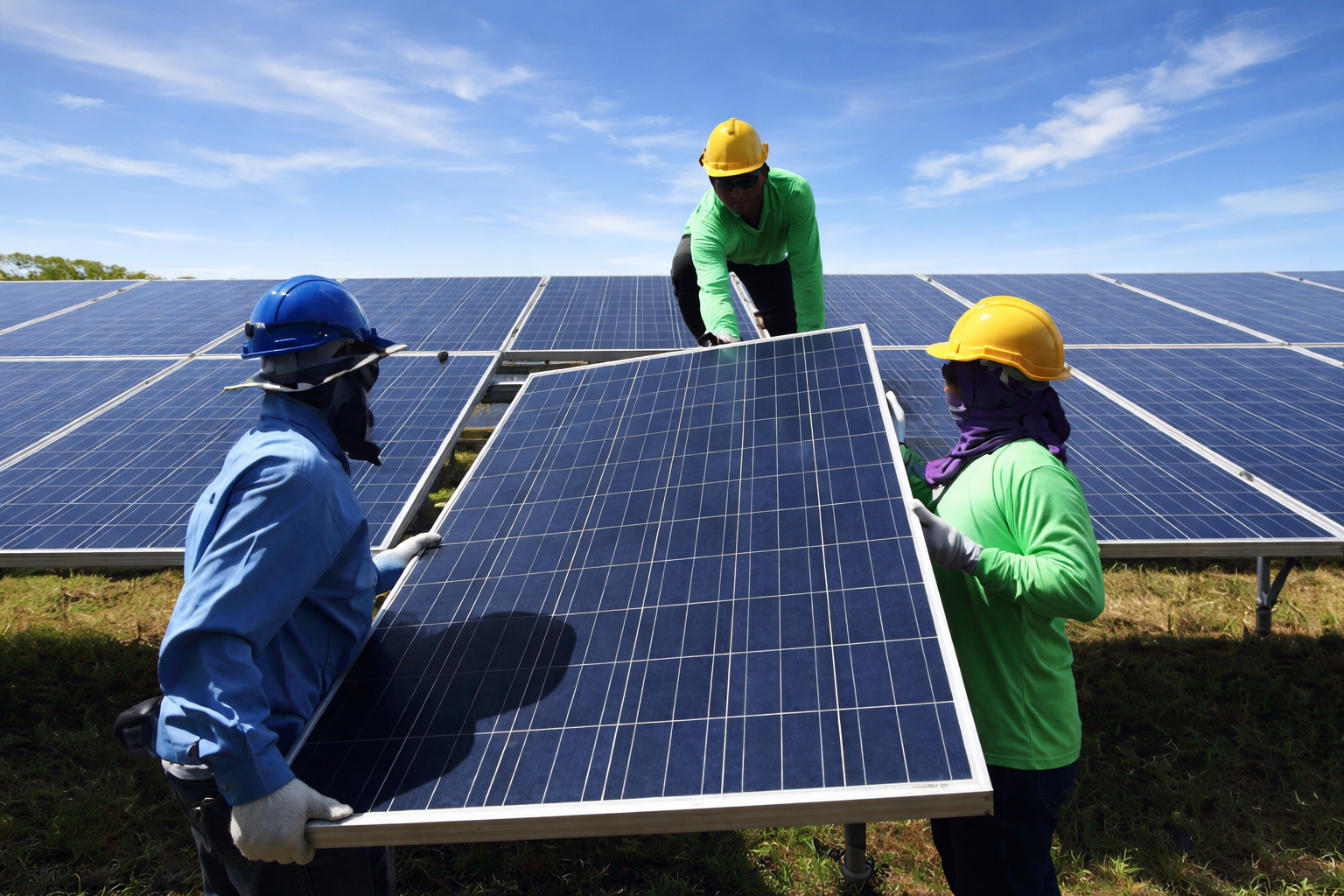
Brazil reaches historic milestone in solar energy: Sector surpasses 2 million accumulated green jobs and generates billions in the national economy even under market pressure.
-
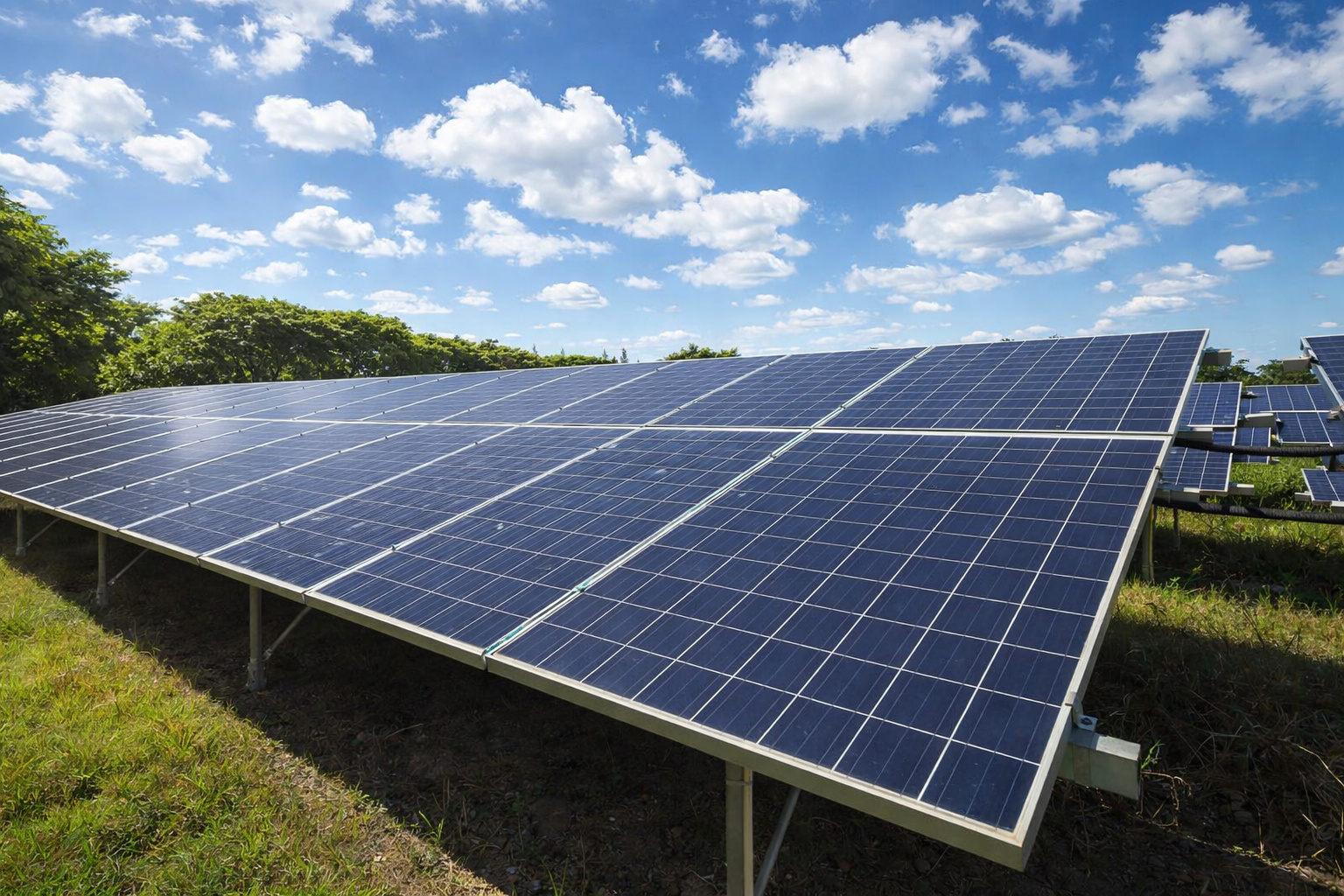
Minas Gerais takes the lead in renewable energy: State surpasses historic mark of 14 GW in solar energy generation in MG and consolidates dominance in the Brazilian electric sector.
The infrastructure includes a collection substation and a 500 kV transmission line, with approximately 16 kilometers in length, connecting the project to Substation Arinos 2. This connection ensures the full integration of the energy produced into the National Interconnected System.
All projects are under the Special Regime of Incentives for Infrastructure Development (REIDI), which grants tax benefits to strategic projects. The inclusion was fundamental to make the billion-dollar investment viable in the interior of Minas Gerais.
With the projected start of commercial operation of Draco Solar plants 2 and 3 in April, the complex is on its way to full consolidation, further increasing its contribution to the country’s renewable matrix.
Arinos Gains Prominence with the Expansion of Solar Energy in the Interior of Minas Gerais
The choice of Arinos to host the project reinforces the importance of the interior of Minas Gerais in the new map of solar energy in Brazil. The region has high solar incidence throughout the year, a determining factor for the technical and economic viability of large-scale photovoltaic plants.
During the implementation phase, the project generated around 23,263 direct and indirect jobs. This volume of jobs stimulated the local economy, increased the population’s income, and invigorated sectors such as commerce, transport, and services.
The socioeconomic impact extends beyond the construction period. The operation of the plants strengthens municipal revenue and positions Arinos as a regional reference in large-scale solar energy generation.


Minas Gerais Gains National Highlight with the Draco Solar Complex
The advancement of the Draco Solar Complex occurs in a context where Minas Gerais already leads solar generation in Brazil, according to public data from the National Electric Energy Agency (ANEEL). The state concentrates the largest installed capacity in both distributed and centralized generation.
This leadership is the result of favorable climatic conditions, a stable regulatory environment, and strong attraction of private investments. The expansion of solar energy in the mining territory directly contributes to diversifying the Brazilian renewable matrix, which has historically been based on hydropower.
The complementarity between sources is strategic. During periods of lower reservoir levels, solar generation helps balance the system, reducing the need to activate thermoelectric plants, which have higher costs and emissions of pollutants.
With structuring projects such as the Draco Solar Complex, Minas Gerais enhances its relevance in the national energy scenario and strengthens its position as a hub of innovation and sustainability.
New PAC Accelerates Strategic Projects and Strengthens the Renewable Matrix
The project is part of the Energy Transition axis of the New PAC, which comprises 584 plants in the energy generation sub-axis. Of these, 388 are already completed, according to official federal government information.
The program’s proposal is to accelerate investments in infrastructure, reduce regional inequalities, and expand access to essential services. In the case of solar energy, the expansion of plants such as the Draco Solar Complex represents a concrete advance in the consolidation of a cleaner, modern, and safer renewable matrix.
The Minister of Mines and Energy, Alexandre Silveira, highlighted that the operation of the plants reaffirms the government’s commitment to increasing energy supply and strengthening the Brazilian electric system. According to him, the project contributes to consolidating national leadership in solar generation.
This combination of structuring public policies and private investment creates a favorable environment for the continued expansion of solar energy in Minas Gerais and other regions of the country.

Energy Security Gains Strength with the Expansion of the Draco Solar Complex
The increase in generation promoted by the Draco Solar Complex has a direct impact on Brazilian energy security. By adding 505 MW of installed capacity to the system, the project increases the margin for meeting demand and reduces risks associated with the concentration of sources.
Solar energy has complementary characteristics to hydropower generation, which predominates in the national renewable matrix. During periods of strong solar incidence, especially in drier spells, photovoltaic production alleviates pressure on reservoirs.
The 500 kV connection to the National Interconnected System also ensures greater stability in transmitting the energy generated in Arinos to different regions of the country. This reinforces the robustness of the system and enhances the reliability of supply.
The result is a more resilient electric sector, prepared to handle climatic variations and the growing demand for electricity.
Economic and Environmental Impacts Reinforce Minas Gerais’s Role in the Energy Transition
The investment exceeding R$ 2.4 billion in the Draco Solar Complex does not only translate into installed capacity. It represents job creation, tax revenue, and regional economic stimulation.
In environmental terms, the expansion of solar energy helps reduce the carbon intensity of the Brazilian renewable matrix. The diversification of sources strengthens the country’s commitment to climate goals and the reduction of greenhouse gas emissions.
For Minas Gerais, the project expands the capacity to attract new ventures in the energy sector. The consolidation of Arinos as a solar generation hub reinforces the inland development and broadens opportunities for municipalities outside of large urban centers.
The expansion of photovoltaic plants also stimulates technological advancement, the formation of qualified labor, and integration with other areas of the economy.
What the Advancement in Arinos Signals for the Future of Solar Energy in Brazil
The startup of the Draco Solar Complex symbolizes a broader movement towards modernization in the electric sector. By expanding solar energy generation in Minas Gerais, the country takes a consistent step towards a more balanced and secure renewable matrix.
The project combines scale, robust investment, transmission infrastructure, and integration with the National Interconnected System. These factors demonstrate that the expansion of solar energy has moved from being just a trend to occupying a central role in Brazil’s energy strategy.
With the capacity to serve more than 500 thousand households, the generation of 23,263 jobs during implementation, and integration into the New PAC, the project in Arinos reinforces the leading role of Minas Gerais on the national stage.
By strengthening the renewable matrix with structuring projects, Brazil advances in building a more modern, competitive, and sustainable electric system. In this context, the Draco Solar Complex represents not only a set of plants but a milestone in the consolidation of solar energy as a pillar of the country’s energy future.









Seja o primeiro a reagir!