





 English
  Francês
  Alemão
  Italiano
  Japonês
  Norueguês
  Portuguese
  Spanish
  4 min of reading
  0 comments


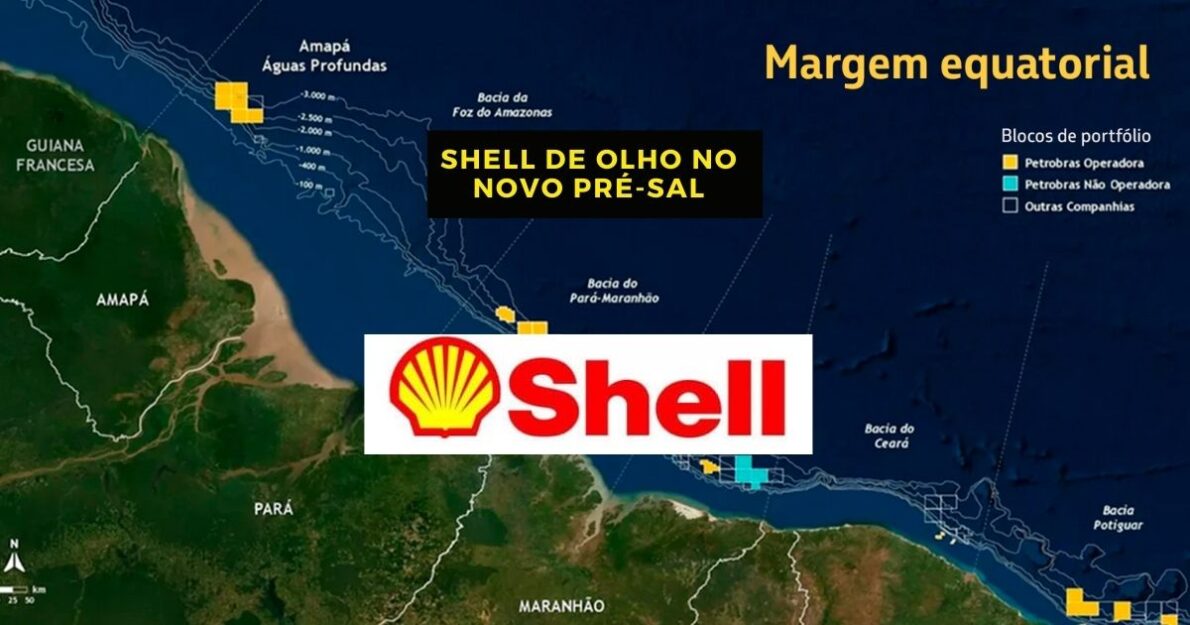
Shell Plans To Enter Forcefully Into The Equatorial Margin, The New Promise Of Brazilian Oil. However, Regulations On Gas Re-Injection And The Swap Contracts Between PPSA And Private Companies May Determine The Pace Of Growth. The Energy Future Of Brazil Is At Stake.
Brazil is preparing to be the stage for a new era in the oil sector. A discovery that could change the game and elevate the country even further up the global energy producers’ ranking.
However, amidst this promising scenario, tensions are already emerging between major players and government regulations, raising questions about the future of natural gas exploration.
Shell, one of the giants of the sector, is positioning itself to carve out its space in the Equatorial Margin, the “new pre-salt” of Brazil.
-
Brazilian giant expands borders in the Southeast: Petrobras confirms new oil discovery in ultra-deep waters in the pre-salt of the Campos Basin.

-
Alert in the global energy market: Severe tropical cyclone hits the coast and disrupts gas production at major plants in Australia, threatening global supply.

-
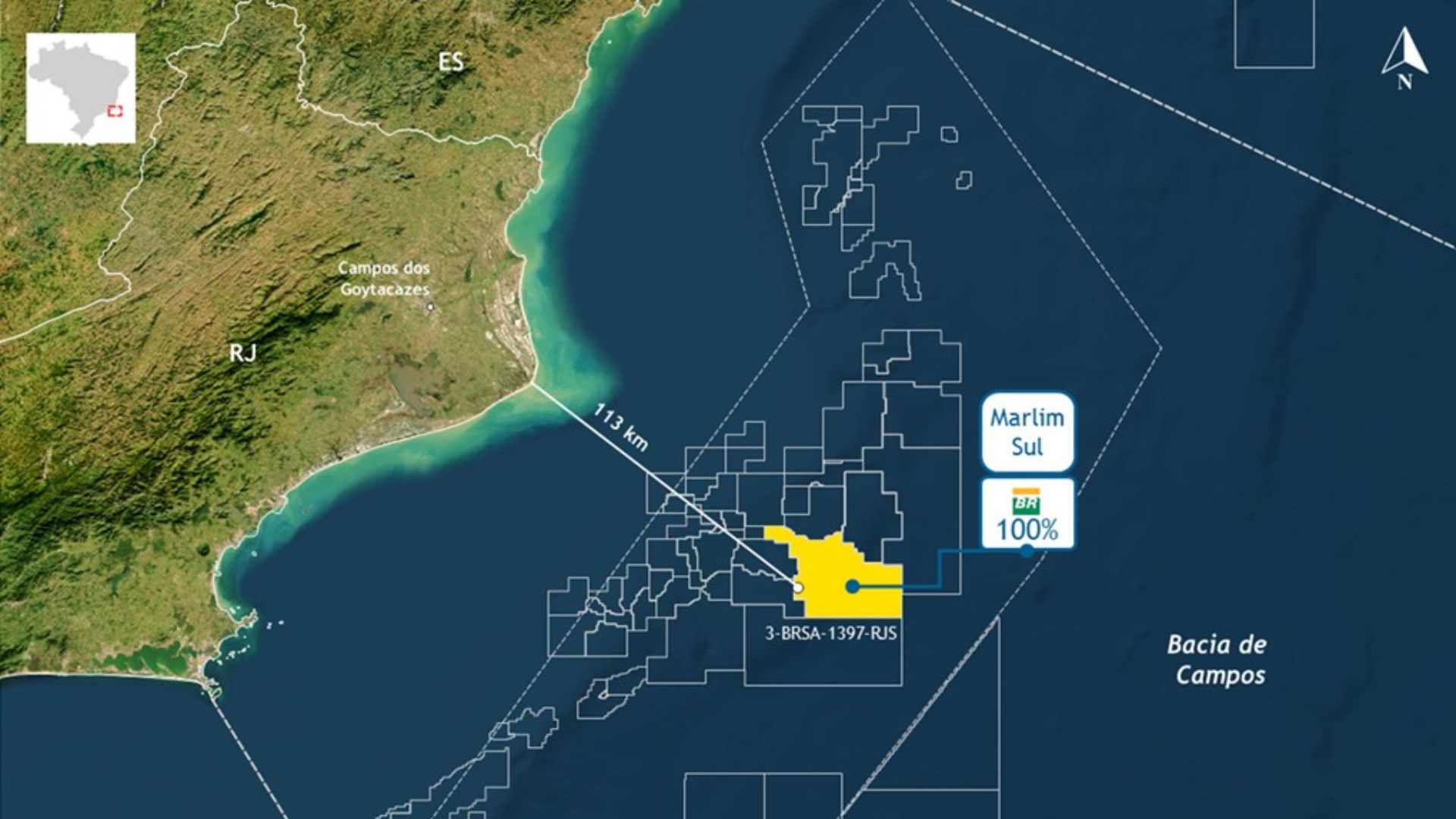
Petrobras finds high-quality oil in the pre-salt at 113 km from RJ and reignites expectations about strategic reserves in the Campos Basin.

-
Ocyan opens registrations for startups focused on innovation in the oil and gas sector and will select projects for Innovation Day with the support of Nexio.


Shell has big plans to expand its operations in Brazil, focusing on the auctions of the Equatorial Margin, considered the next frontier in oil exploration in the country.
However, these auctions still do not have a set date.
According to Cristiano Pinto da Costa, president of Shell in Brazil, this is because the environmental licenses still depend on the approval of IBAMA.
The Equatorial Margin is a strategic area for the energy future of Brazil, and Shell knows that.
According to Cristiano, this new exploratory frontier will be crucial for maintaining Brazil’s prominence in the global oil arena.
Currently, Brazil ranks ninth among the largest oil producers worldwide, with potential to rise to the fourth or fifth position, thanks to its growth curve in production.
But Shell’s strategy goes beyond traditional oil.
The company continues to make heavy investments in biofuels, such as ethanol and biomethane, through its partnership with Cosan in Raízen.
This bet is justified by Brazil’s competitive advantage in this segment, especially with the growing demand for renewable energy.
Cristiano Pinto da Costa also praised a recent decree aimed at boosting the natural gas market in Brazil.
However, he expressed concern about the regulation of natural gas re-injection, a practice that is already part of the contracts and development plans of companies in the sector.
According to the president of Shell, any changes to these rules could create market instability, as many contracts have already been approved by the National Petroleum Agency (ANP).
In addition, Shell’s executive views positively the Brazilian government’s intention to increase gas supply through PPSA (Pré-Sal Petróleo S.A.), a state-owned company that represents the Union in production-sharing contracts.
However, Cristiano emphasized that any oil-for-gas swap contracts established between PPSA and oil companies need to follow market prices, avoiding distortions that could impact the sector’s competitiveness.
The Equatorial Margin, referred to by some as the “new pre-salt,” represents a golden opportunity for Brazil to consolidate its position in the global energy market.
However, issues such as natural gas re-injection and contracts with PPSA may define the pace and economic viability of these new discoveries.
According to energy expert Adriano Pires, who participated in a conversation with Cristiano Pinto da Costa on the program POWER, from Brazil Journal, the success of the Equatorial Margin will depend not only on companies’ appetite to invest but also on regulatory conditions and the clarity of rules imposed by the government.
While Shell plans to strengthen itself in the new oil frontier, the company is also keeping its eyes on alternative energy sources.
A joint venture with Cosan, for example, is a clear demonstration that Shell sees Brazil as a solid base for the development of biofuels.
Thus, Shell intends to balance its operations by investing in both oil and renewable energy, reflecting a global trend of diversification in the energy sector.
The Big Question Now Is: How Will Brazil Balance These Two Fronts Of Exploration?
If on one hand, the oil from the Equatorial Margin could be the trump card to ensure the country’s relevance in the international market, on the other hand, biofuels could consolidate Brazil’s image as one of the leaders in clean energy.
Brazil is on the brink of entering a new era of oil and gas exploration, but the success of this endeavor depends not only on the available natural resources but also on the ability of the government and companies to work together to create a regulatory environment that fosters growth and sustainability in the sector.
Will Brazil be able to reconcile the interests of giants like Shell with its environmental and sustainable development goals?








Seja o primeiro a reagir!