





 Portuguese
  English
  Spanish
  4 min of reading
  0 comments


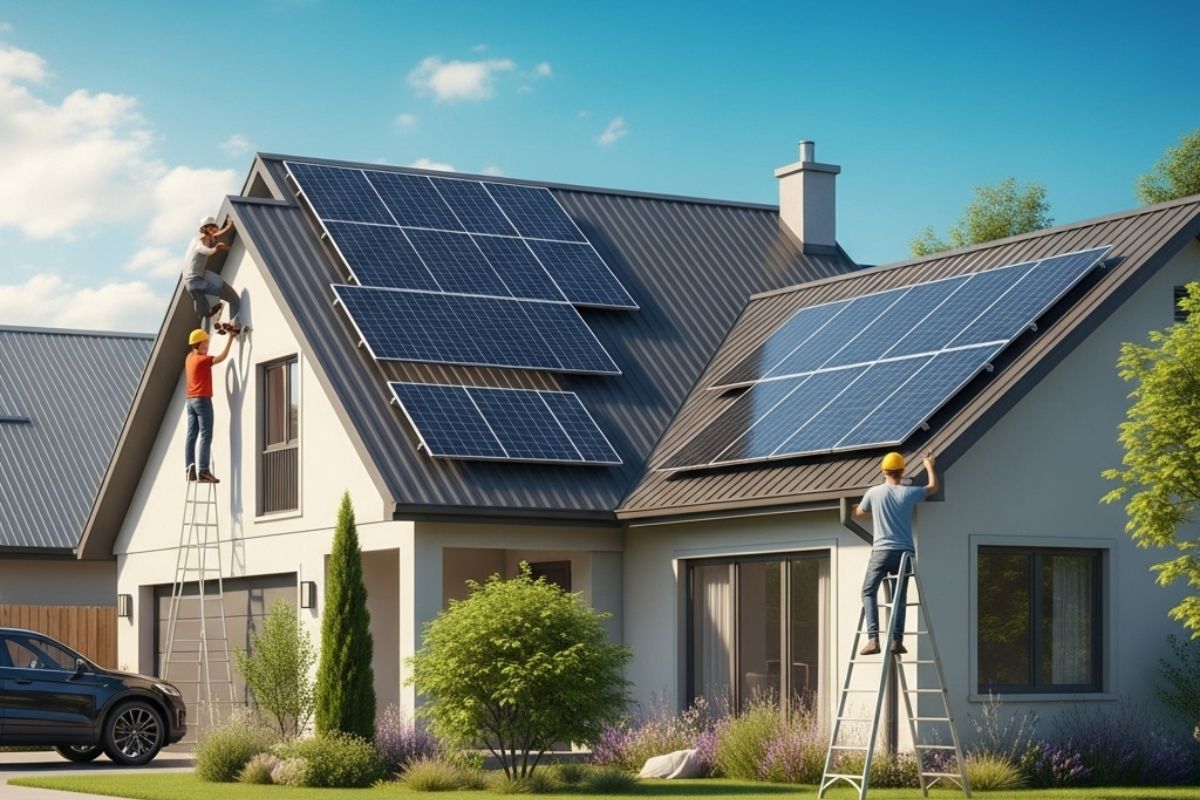
Discover How to Calculate the Number of Solar Panels to Generate 500 kWh per Month, Considering the Power of the Panels, Local Solar Irradiation, System Losses, and Other Crucial Factors.
With the growth of solar energy in Brazil, many wonder: how many solar panels to generate 500 kWh per month are needed? This is a common question for those looking to reduce their electricity bill and adopt a clean energy source. The answer, however, is not a fixed number.
Here is a methodology to estimate that quantity. We will address the essential factors such as panel power, solar irradiation, and system losses. Remember that an accurate sizing requires professional and personalized technical analysis.
Crucial Factors in Calculating Solar Panels to Generate 500 kWh per Month
To estimate the number of solar panels to generate 500 kWh monthly, several factors are essential:
-
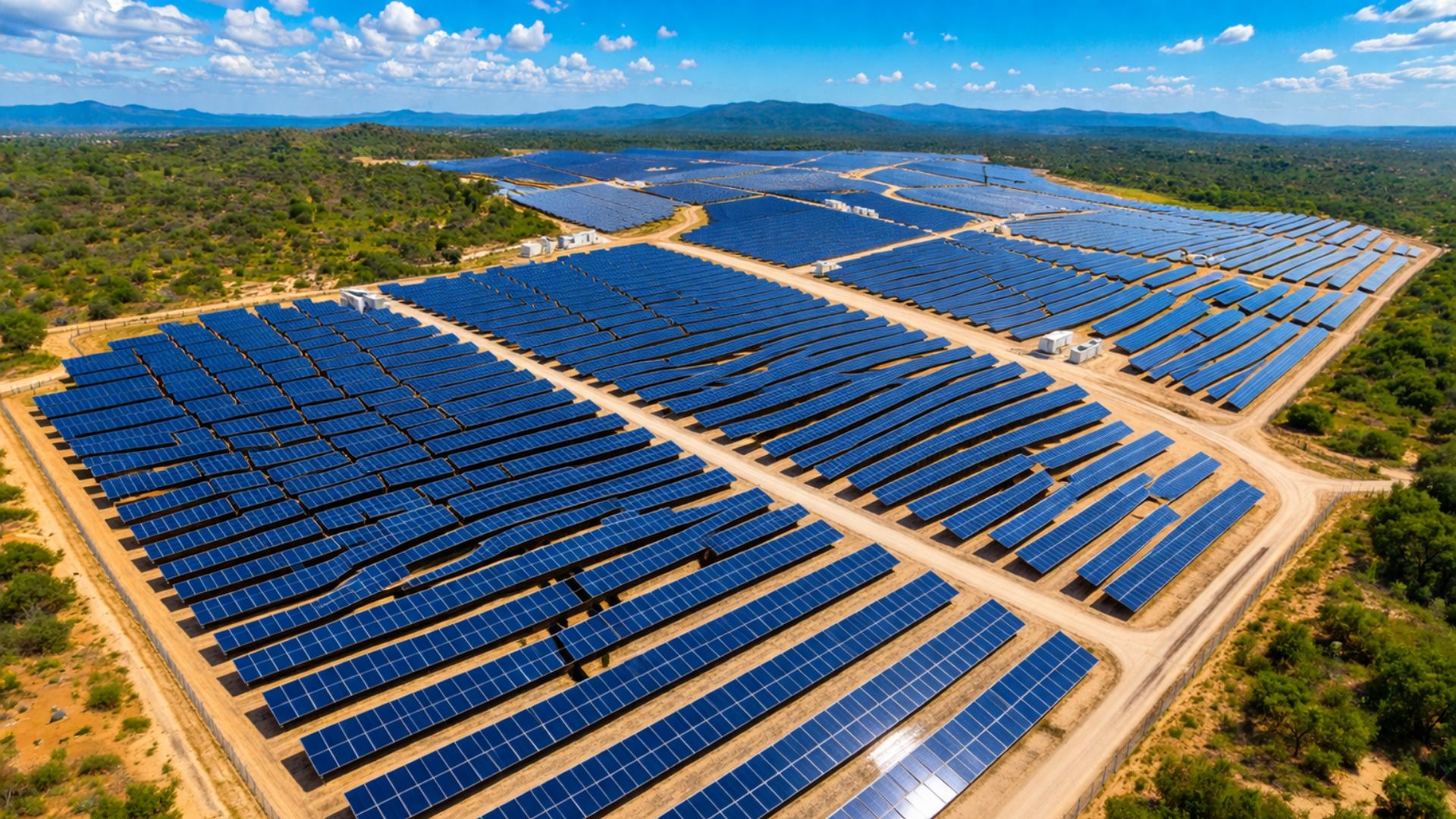
The Sol do Agreste Photovoltaic Complex begins operations in Pernambuco and accelerates the expansion of solar energy in Brazil, directly impacting the reduction of emissions and strengthening the sustainable energy matrix.
-
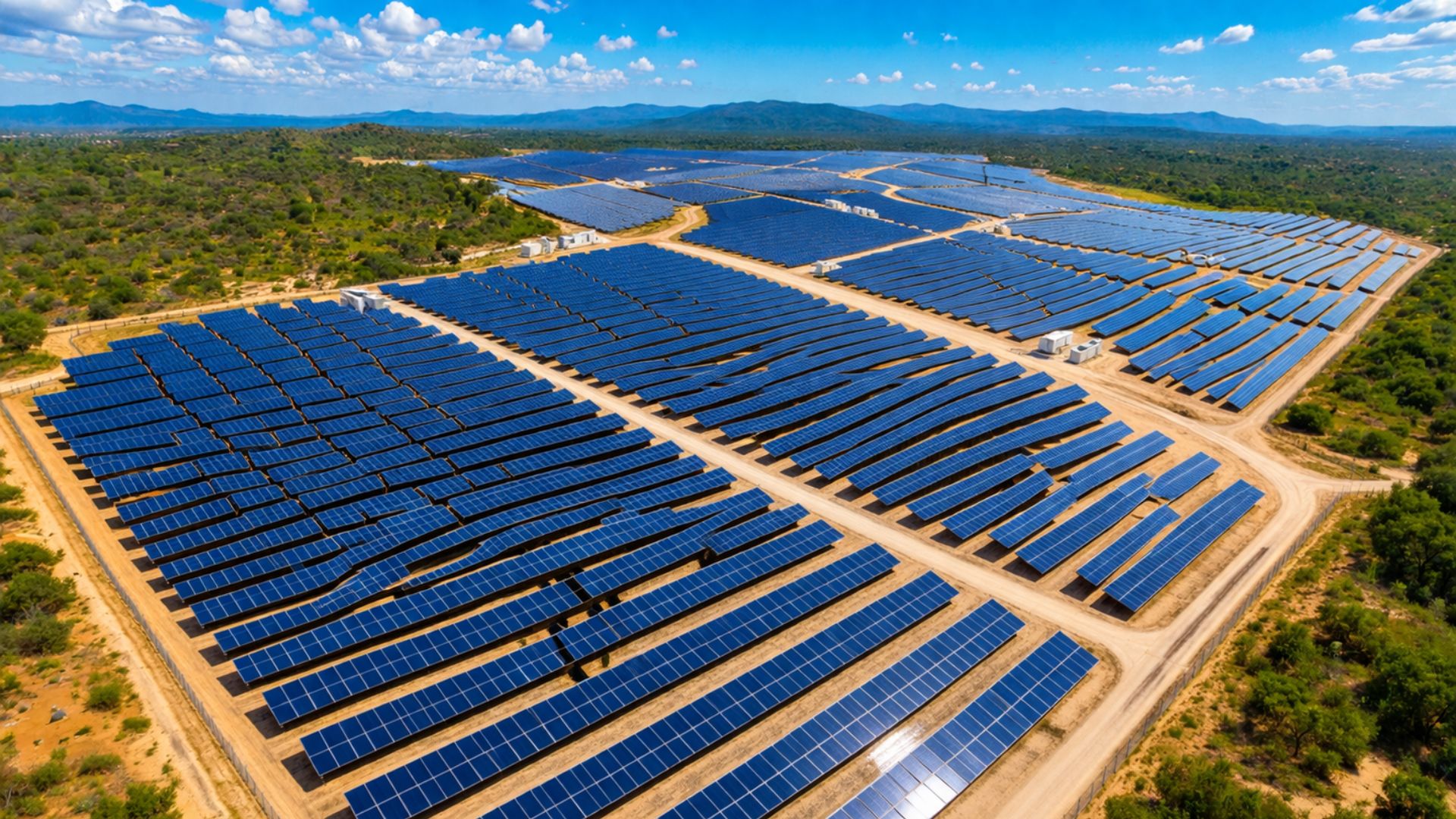
The Sol do Agreste Photovoltaic Complex begins operations in Pernambuco and accelerates the expansion of solar energy in Brazil, directly impacting the reduction of emissions and strengthening the sustainable energy matrix.
-
Roraima bets on the sun to escape high tariffs: Amid the energy crisis and price hikes, solar energy is growing in Roraima and transforming consumption in the North region.
-
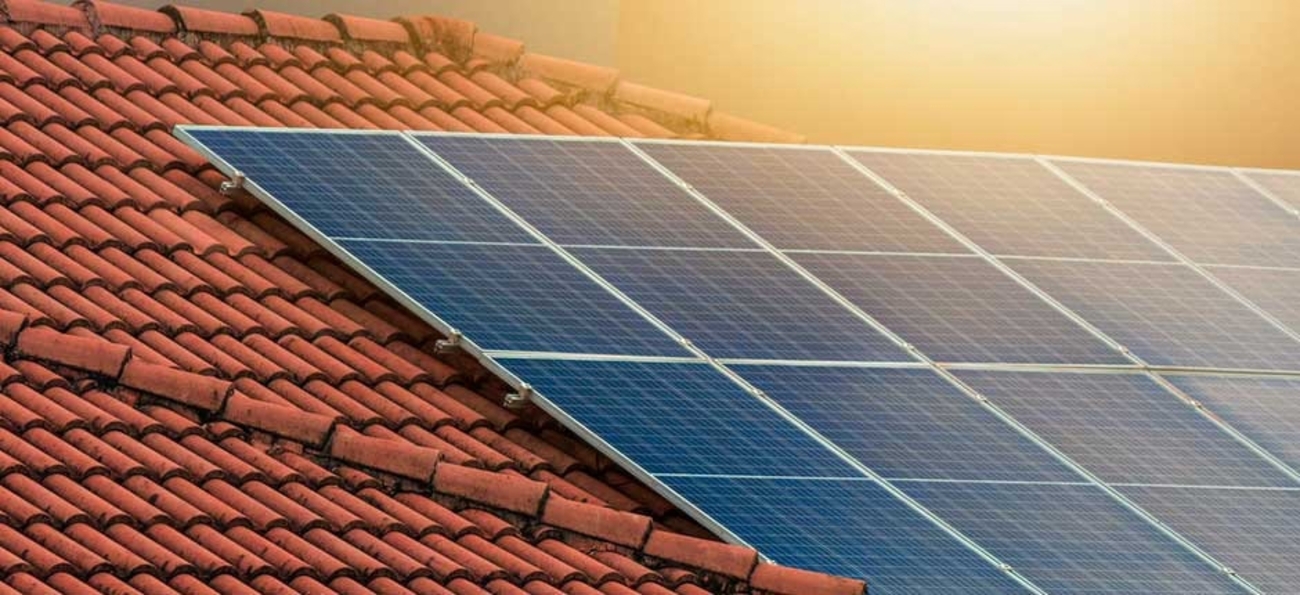
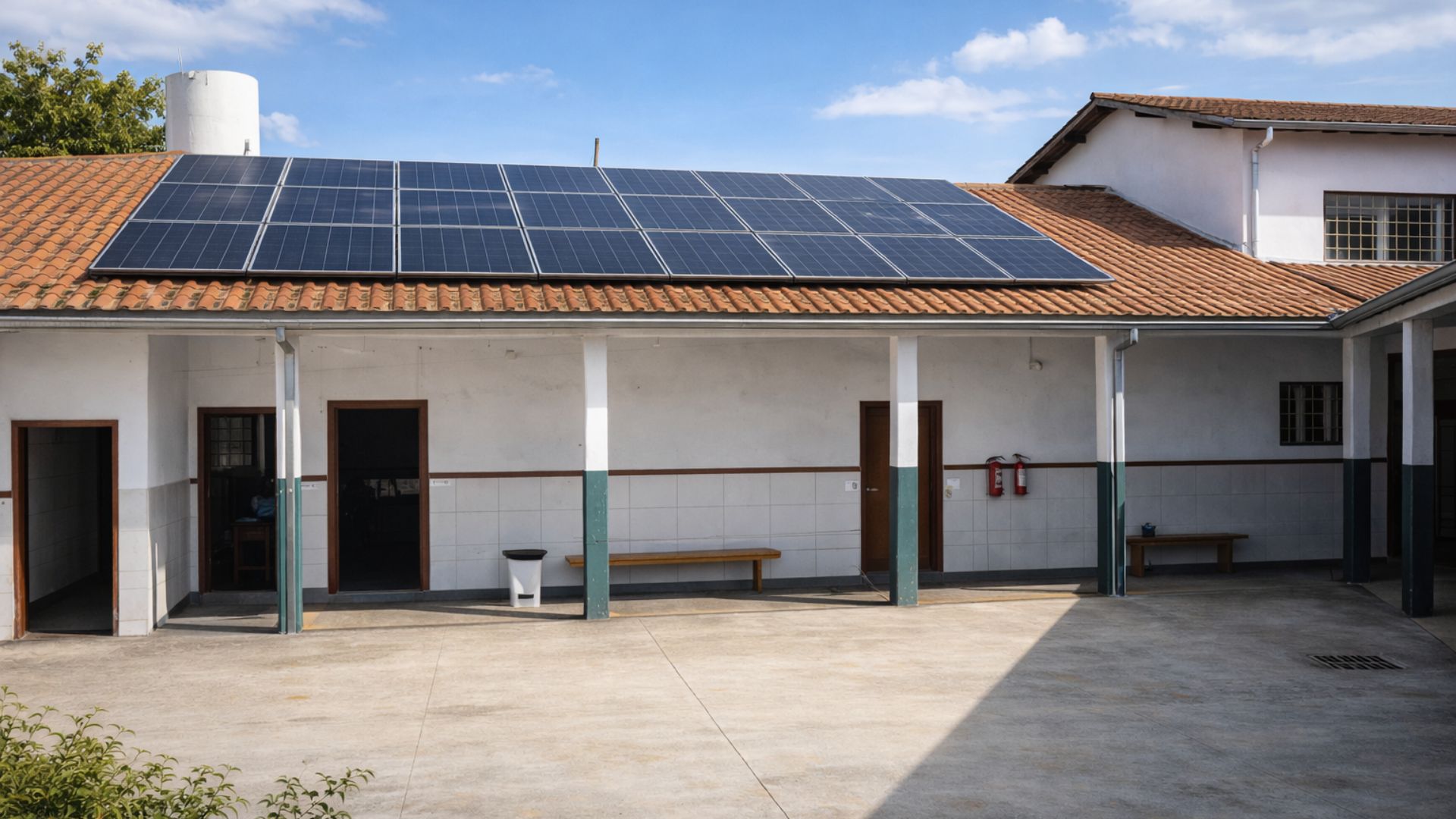
Copel boosts solar energy in Paraná and brings innovation to public schools, promoting savings on electricity bills, energy efficiency, and a direct impact on the quality of education.

Target Consumption: The goal is to generate 500 kWh/month. This amounts to a daily average of 16.67 kWh/day (considering 30 days).
Panel Power (Wp): Expressed in Watts-peak (Wp), indicates the maximum power of the panel under ideal testing conditions. In Brazil, there are panels ranging from less than 95Wp to more than 500Wp. 435Wp models are among the best sellers.
Local Solar Irradiation (HSP): Measured in Peak Sun Hours (HSP), represents the number of hours when solar irradiation reaches 1000 W/m². Brazil has high irradiation, but it varies by region. Petrolina (PE) may have 5.47 HSP, while Curitiba (PR) around 3.94 HSP.
System Losses (Performance Ratio – PR): Not all energy generated by the panels is useful. There are losses due to temperature, dirt, wiring, inverter, and other factors. The PR indicates the overall efficiency of the system. A PR of 0.75 (75%) means 25% losses.
Step by Step: How to Estimate the Number of Solar Panels for Your 500 kWh Target
With the factors defined, follow these steps for an estimate:
- Daily Generation Need: We have already calculated: 16.67 kWh/day.
- Required Daily Gross Generation: Divide the daily need by the PR. Using a PR of 0.75: 16.67 kWh/day / 0.75 = 22.23 kWh/day. The panels need to generate this to offset losses.
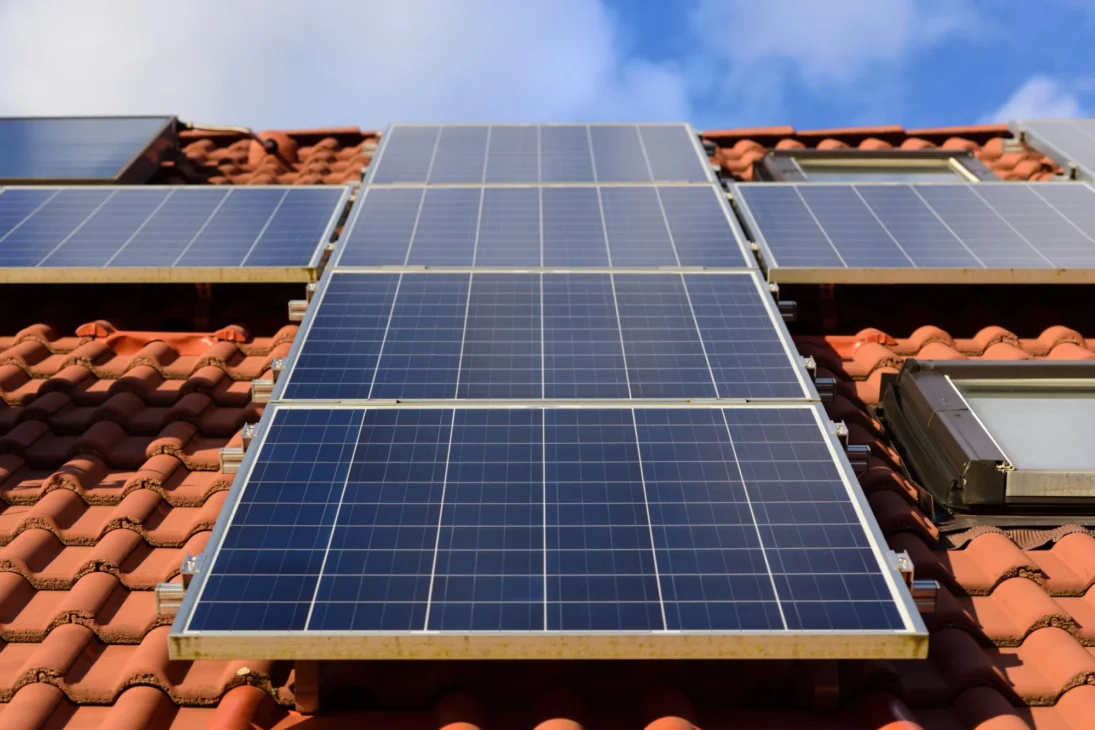
- Energy Generated per Panel per Day: Multiply the panel power (in kWp) by the local HSP. Example: 450Wp panel (0.45 kWp) and HSP of 4.5 hours: 0.45 kWp * 4.5 HSP = 2.025 kWh/panel/day.
- Total Number of Panels: Divide the gross daily generation by the energy generated per panel. Example: 22.23 kWh/day / 2.025 kWh/panel/day ≈ 10.98 panels. Round up: 11 panels of 450Wp.
This number is an estimate. A slight variation in HSP or PR can significantly change the result.
The Power of Solar Panels: What is the Best Choice for Your Residential System?
The nominal power of the panels (Wp) is a key factor. In the Brazilian market, there is a variety:
- Up to 200Wp: Common in smaller systems.
- 200Wp – 300Wp: Widely used in residential projects (e.g. 255Wp, 265Wp).
- 300Wp – 400Wp: Growing popularity.
- Above 400Wp: Trend to optimize space (e.g. 435Wp, 500Wp+).
Higher power panels can reduce the number of modules needed, simplifying installation and optimizing roof use. However, consider the cost per Watt, compatibility with the inverter, and the physical dimensions of the panels.
Experts’ Opinion: Optimizing Your Solar System Beyond the Number of Panels
Solar energy experts emphasize that, in addition to the number of solar panels to generate 500 kWh, other factors are vital for the system’s efficiency:
Optimal Orientation and Tilt: In Brazil (Southern Hemisphere), the ideal orientation is to the Geographic North. The tilt is usually close to the latitude of the location. Deviations can significantly reduce energy capture.
Shading Analysis: Partial shading can severely compromise the production of an entire series of panels, especially with string inverters. Identifying and mitigating shadows from trees, buildings, or other obstructions is crucial.
Choosing the Right Inverter: The inverter converts energy and optimizes the power of the panels. Its correct sizing and efficiency are as important as the panels. A low-quality or poorly sized inverter can become a bottleneck.
Preventive Maintenance: Periodic cleaning of the panels to remove dirt and regular inspections of connections and structures ensure the system’s good performance throughout its lifespan (typically 25 years or more).
Precise Sizing: The Importance of a Professional Project for Your Solar Panels
The estimate of 11 panels (in this example) to generate 500 kWh/month is a guideline. The actual number may vary (e.g. from 9 to 14 panels of 450Wp) depending on the local HSP (4.0 to 5.5 hours) and the PR (0.70 to 0.80).
A detailed and personalized technical analysis by a qualified professional is essential. An electrical engineer or specialized company can:
- Evaluate the specific conditions of the installation site.
- Obtain accurate solar irradiation data (HSP) using simulation software.
- Conduct a thorough shading analysis.
- Correctly size all components (panels, inverter, protections, cables).
- Consider technical standards and provide an accurate budget and realistic projections.
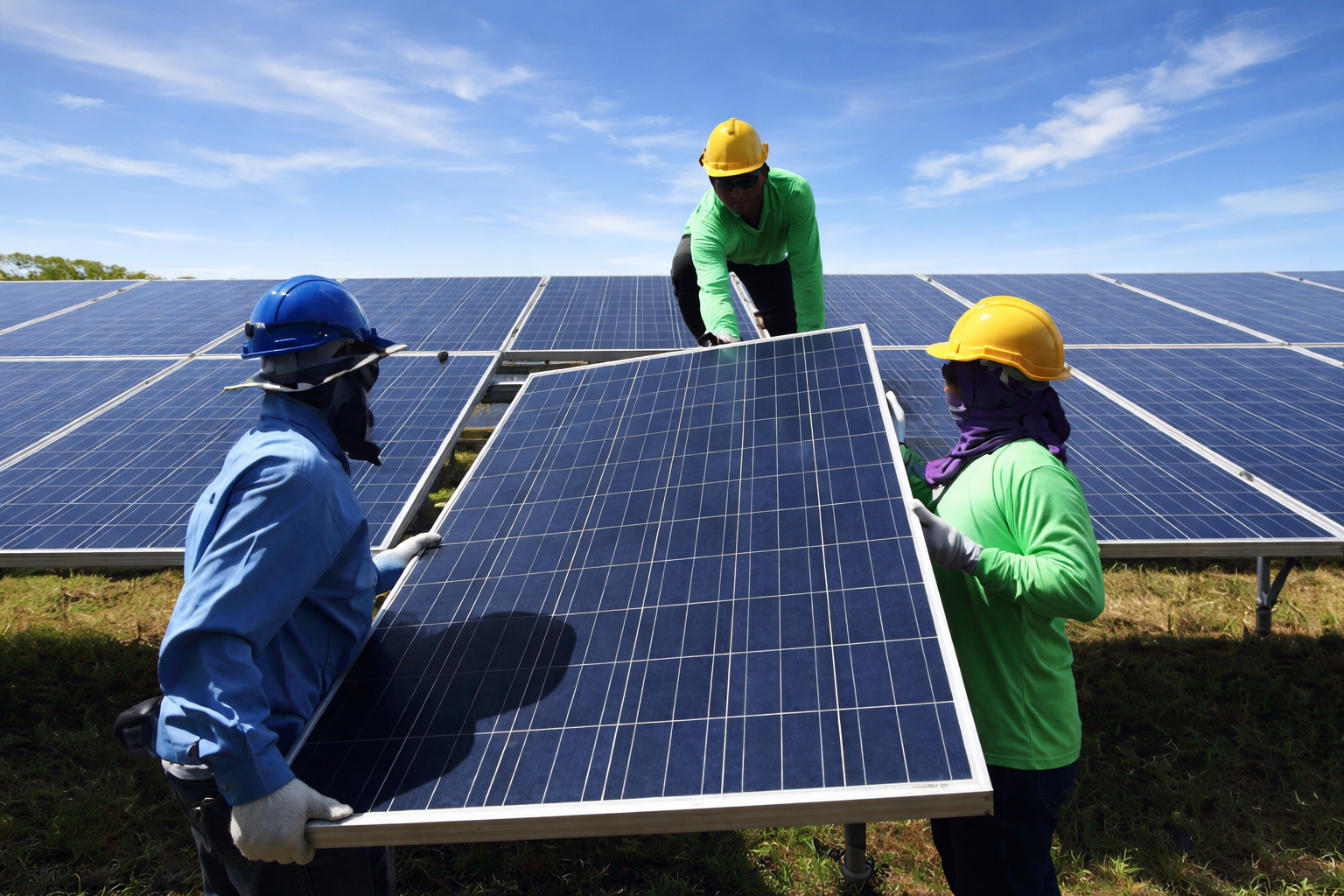
Investing in a photovoltaic system is significant. Hiring qualified professionals is an investment in the efficiency, safety, and longevity of your solar panels to generate 500 kWh or any other consumption target.








-

Uma pessoa reagiu a isso.