





 Portuguese
  English
  Spanish
  6 min of reading
  0 comments


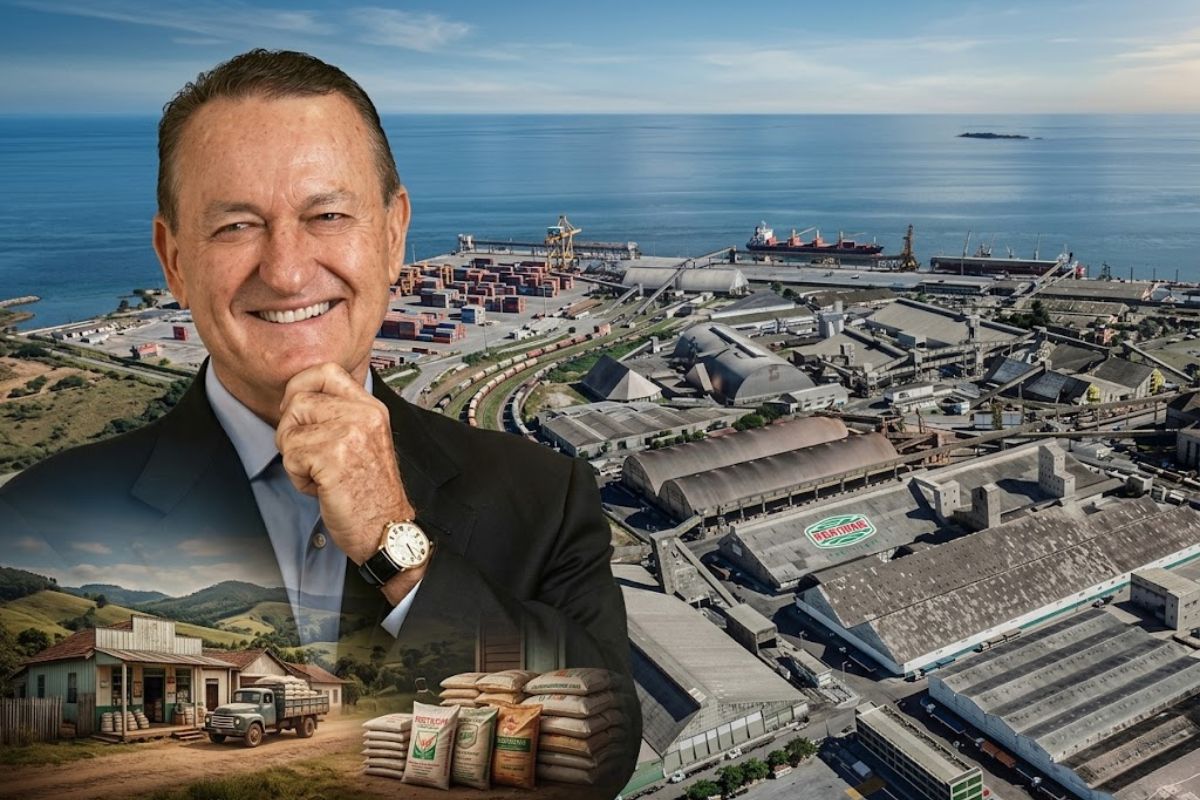
Born in Pouso Redondo, Alceu Elias Feldmann started from a simple role as a fertilizer salesman, founded Fertipar in 1980, became the controller of 85% of the group with 14 companies, and saw the agricultural empire gain national scale until it reached the global Forbes billionaire ranking of 2026.
Alceu Elias Feldmann’s name gained even more attention after his journey was associated with an agricultural empire built over decades, starting from the countryside of Santa Catarina to making a space among the world’s billionaires. At 76 years old, the agronomist appears on the Forbes list of 2026 with an estimated net worth of US$ 3.7 billion, a value that corresponds to about R$ 19.5 billion in the mentioned conversion base.
More than the size of the fortune, what stands out is the logic of this ascent. Feldmann did not arise from an improvised business or a sudden expansion, but from a path that began with practical experience in the fertilizer sector, went through the creation of Fertipar in 1980, and advanced to establish a significant presence in a strategic market for Brazilian agribusiness.
The Origin of a Journey That Started Far from the Limelight
Alceu Elias Feldmann was born in 1949, in Pouso Redondo, in the Upper Valley of Itajaí, Santa Catarina. Before appearing in international rankings of wealth, his professional life had a simple and straightforward starting point: he worked as a fertilizer salesman for about ten years, a period that helped shape the technical and commercial knowledge that would later support his entry as an entrepreneur in the sector.
-
50 viaducts, 4 tunnels, 28 bridges, and 40 kilometers of bike paths: BR-262 in Espírito Santo will receive 8.6 billion reais for the largest engineering project in the state’s history, inspired by the Immigrant Highway in São Paulo.

-
Brazil produces too much clean energy and doesn’t know what to do with it: over 20% of solar and wind capacity was wasted in 2025 while investors flee and 509 renewable generation projects were abandoned in the last year.

-
Piauí will produce a new fuel that replaces diesel without needing to change anything in the truck’s engine and reduces pollutant gas emissions by half: truck drivers from all over the Northeast are already celebrating the news that will arrive later this decade.

-
A new Brazilian shopping center worth R$ 400 million will be built in an area equivalent to more than 4 football fields, featuring 90 stores, 5 cinemas, a supermarket, a college, and parking for 1,700 cars, potentially generating 3,000 jobs.


This beginning is important because it helps to understand why his story gained relevance in the debate about major fortunes linked to the field. This is not an ascent detached from the activity that enriched him, but a journey built within the very segment in which he would come to stand out. Practical experience in the market, combined with training in agronomy, provided a foundation for him to understand both the logic of inputs and the need for scale in a sector essential for agricultural production.
How Fertipar Became the Core of This Agricultural Empire
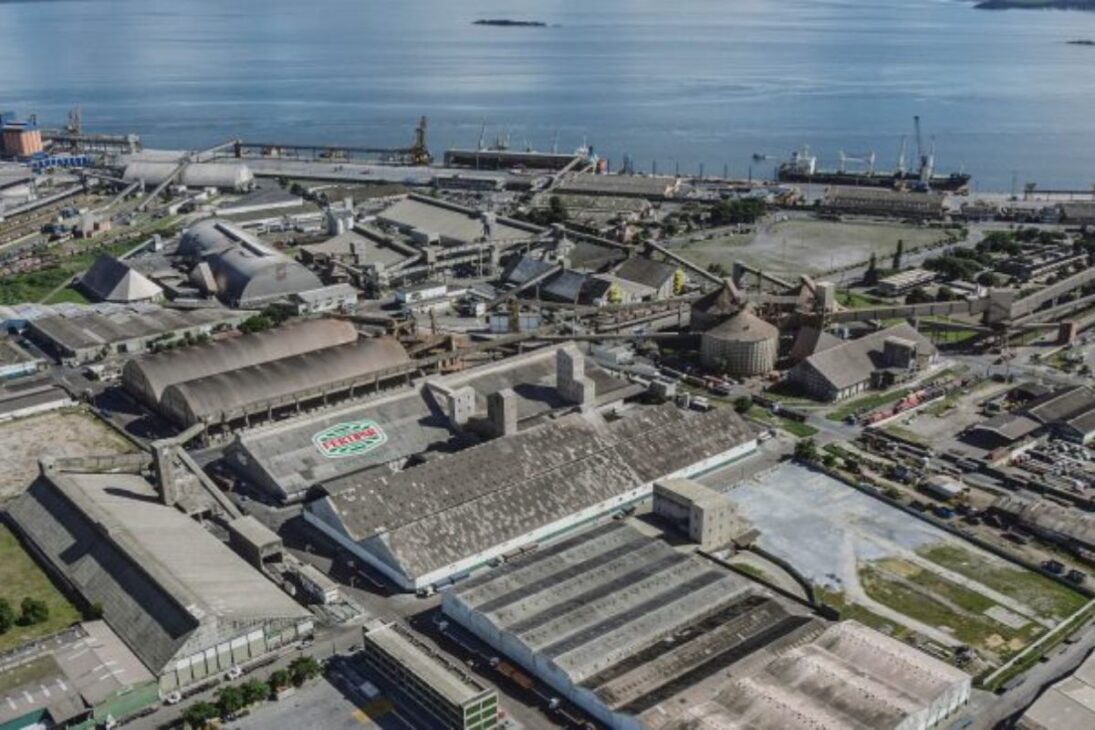
The turning point occurred in 1980 when Feldmann founded the Fertipar group. The company would become one of the largest in the country in the agricultural input sector, transforming the knowledge accumulated in the previous years into a truly expandable operation.
Over time, the company ceased to be just a promising business initiative and became a relevant player in a decisive market for agribusiness performance.
Today, Feldmann is regarded as the founder and controller of the group, which combines 14 companies focused on agribusiness. This fact helps to gauge the size of the business and the extent of the established structure. The agricultural empire, in this case, does not depend solely on a strong name but on a broad business machinery, connected to the production and distribution of agricultural inputs, central areas for the functioning of the production chain in the field.
The Market Weight That Helps to Explain the Billion-Dollar Fortune
One of the most significant numbers linked to Feldmann’s trajectory is Fertipar’s market share. According to the information presented, the group accounts for about 15% of the national fertilizer market, while the entrepreneur holds around 85% of the company. These two indicators, when viewed together, help to understand why his fortune reached such a high level.
It is not just the existence of a large company that explains his presence among billionaires, but the combination of significant ownership control and robust participation in a strategic segment. Controlling such a large slice of a market essential to Brazilian agribusiness means being positioned at a sensitive point of the economic chain, with influence over an essential input for rural productivity and for the supply of the agricultural sector itself.
From Salesman to Forbes Billionaire: What Is This Journey Worth?
In the most recent global ranking published by Forbes, Alceu Elias Feldmann appears in 1,163rd place among the billionaires in the world. The estimated net worth is US$ 3.7 billion, equivalent to about R$ 19.5 billion, according to the conversion indicated in the base. This data places the man from Santa Catarina among the richest names linked to Brazilian agribusiness and amplifies interest around his business story.
The value of the fortune, however, cannot be read merely as an isolated number. It represents the result of decades of Fertipar’s expansion and the establishment of a business structure built around fertilizers and agricultural inputs.
The wealth dimension of Feldmann is, in practice, a direct reflection of the scale achieved by his operation within the agribusiness, a sector where presence, distribution, production capacity, and corporate control weigh decisively.
Why Alceu Elias Feldmann’s Story Draws So Much Attention
Feldmann’s journey draws attention because it combines elements that have strong public appeal: a background from the countryside, a modest professional start, technical knowledge, the creation of his own company, and the transformation of that business into a billion-dollar structure. It is a combination that arouses curiosity not only for the final fortune but also for the way the path was built, step by step, within an essential segment for the country.
There is also a symbolic aspect to this story. The entrepreneur left Pouso Redondo, in Santa Catarina, and reached a global ranking dominated by international fortune.
This movement from the countryside to the center of the large figures of global capitalism reinforces the image of an agricultural empire born from specialization and continuous expansion, rather than from media visibility. Therefore, his journey tends to resonate both with readers interested in business and with those who follow the economic weight of agribusiness in Brazil.
What His Ascent Reveals About Brazilian Agribusiness
Alceu Elias Feldmann’s presence among the billionaires also helps to shed light on an important point: agribusiness does not generate wealth only at the production end, but also in the sectors that sustain that production. Fertilizers and agricultural inputs do not always receive the same public spotlight as other areas of the field, but they are fundamental pieces for the functioning of the entire chain.
When an entrepreneur builds a billion-dollar fortune from that segment, the broader reading is that there is enormous economic value concentrated in the structures that supply agribusiness. The agricultural empire built by Feldmann shows that the backstage of rural production can be just as profitable as the more visible activities in the sector, especially when there is scale, market dominance, and a consolidated presence over decades.
Alceu Elias Feldmann moved from a role as a fertilizer salesman in the countryside of Santa Catarina, founded Fertipar in 1980, expanded the group to include 14 companies, came to control about 85% of the company, and saw his operation reach approximately 15% of the national fertilizer market. The result of this journey was his entry into the Forbes list of 2026 with an estimated fortune of US$ 3.7 billion, consolidating his image as one of the major names in the sector.
His story helps to illustrate how technical knowledge, persistence in the same segment, and sustained business growth can transform a discreet journey into a billion-dollar case of significant impact. In your opinion, what weighs more in this ascent: market vision, mastery of a strategic sector, or the ability to grow at the right moment?









Seja o primeiro a reagir!