





 Portuguese
  English
  Spanish
  2 min of reading


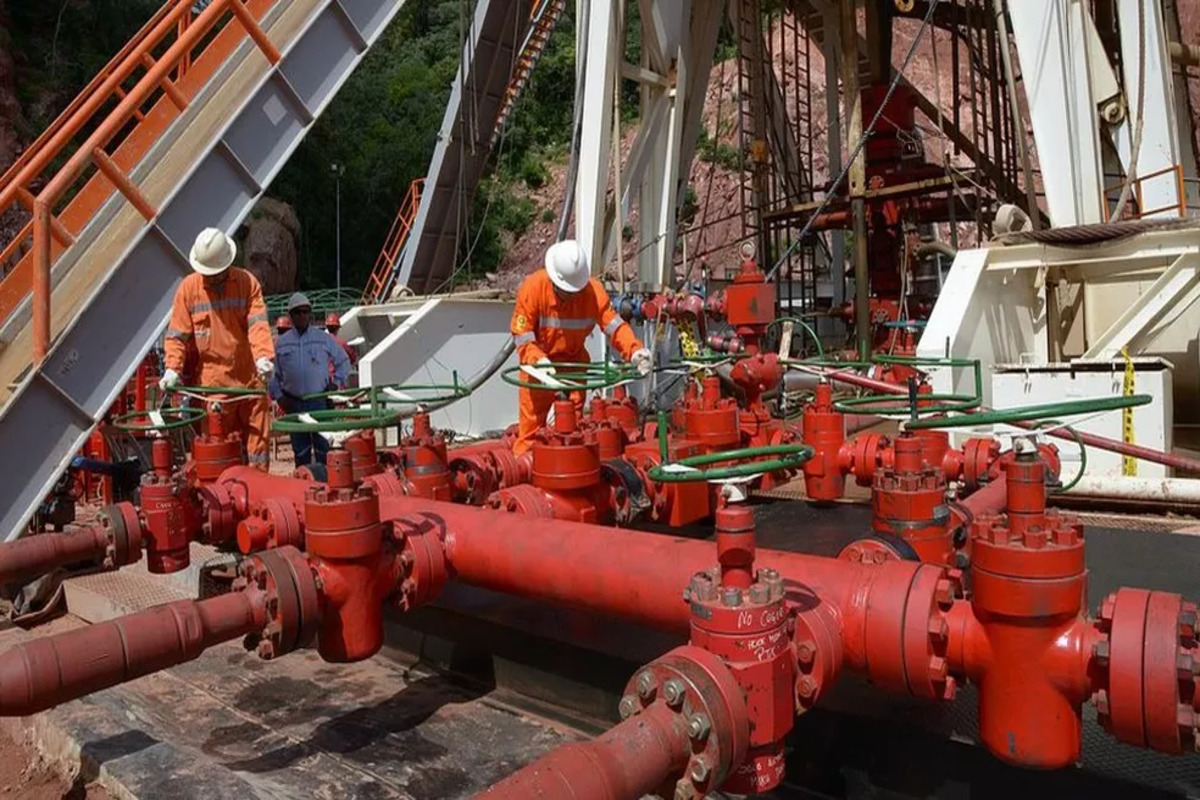
According to a report by Wood Mackenzie, bolivian gas production will decline even faster, falling from 1,400 mmcfd in 2022 to 400 mmcfd in 2030.
“Production in Bolivia has been in constant decline since 2015, with a slight increase in 2021,” says Amanda Bandeira, upstream analyst for Latin America at Wood Mackenzie. “However, with few new discoveries and limited supply in mature fields, production will start to decline at a much faster pace. Currently, domestic demand consumes about 30% of the total supply. By 2030, domestic demand is likely to exceed this supply and we may see Bolivia become an importer.”
According to some reports, a new push for exploration and new discoveries in Bolivia will be necessary to reverse the production trend; however, initial efforts have not been successful. “In 2021, the Bolivian government announced an exploration plan, but only three of the twenty announced sites were drilled and are dry. Additionally, Bolivia’s fiscal terms are among the least competitive in the Latin America region. These have done little to attract foreign capital for more exploration contracts,” added Kuy Hun Koh Yoo, the upstream analyst for Latin America at Wood Mackenzie.
If the projections are confirmed, it completely changes the gas landscape in South America. Argentina is already on its way to self-sufficiency in the coming years, with the expected development of its unconventional gas reserves from Vaca Muerta, located in the Neuquén Basin. In Brazil’s case, “it still requires many imports,” recalled Henrique Anjos, gas and energy analyst at Wood Mackenzie for Latin America.
-
If the USA were to go to war with Brazil, Washington’s greatest fear would not be the attack itself, but facing a vast territory, prolonged resistance, and a costly, chaotic, and unpredictable occupation.

-
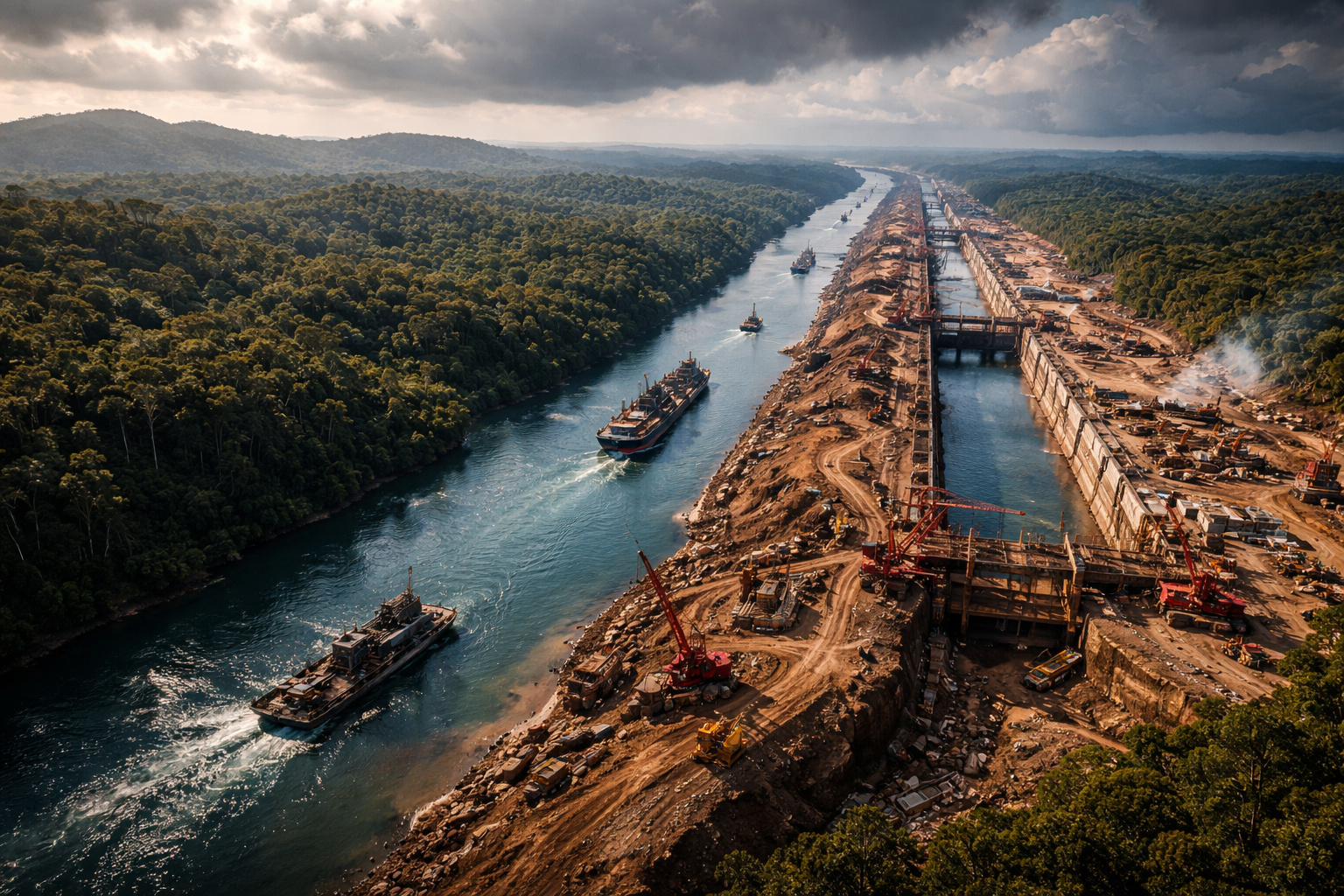
In 2013, Nicaragua sold the concession for a canal to rival Panama to a Chinese billionaire who lost 85% of his fortune, disappeared, and was declared bankrupt. Now the project resurfaces with a new route, a new Chinese partner, and a cost of $64.5 billion.
-
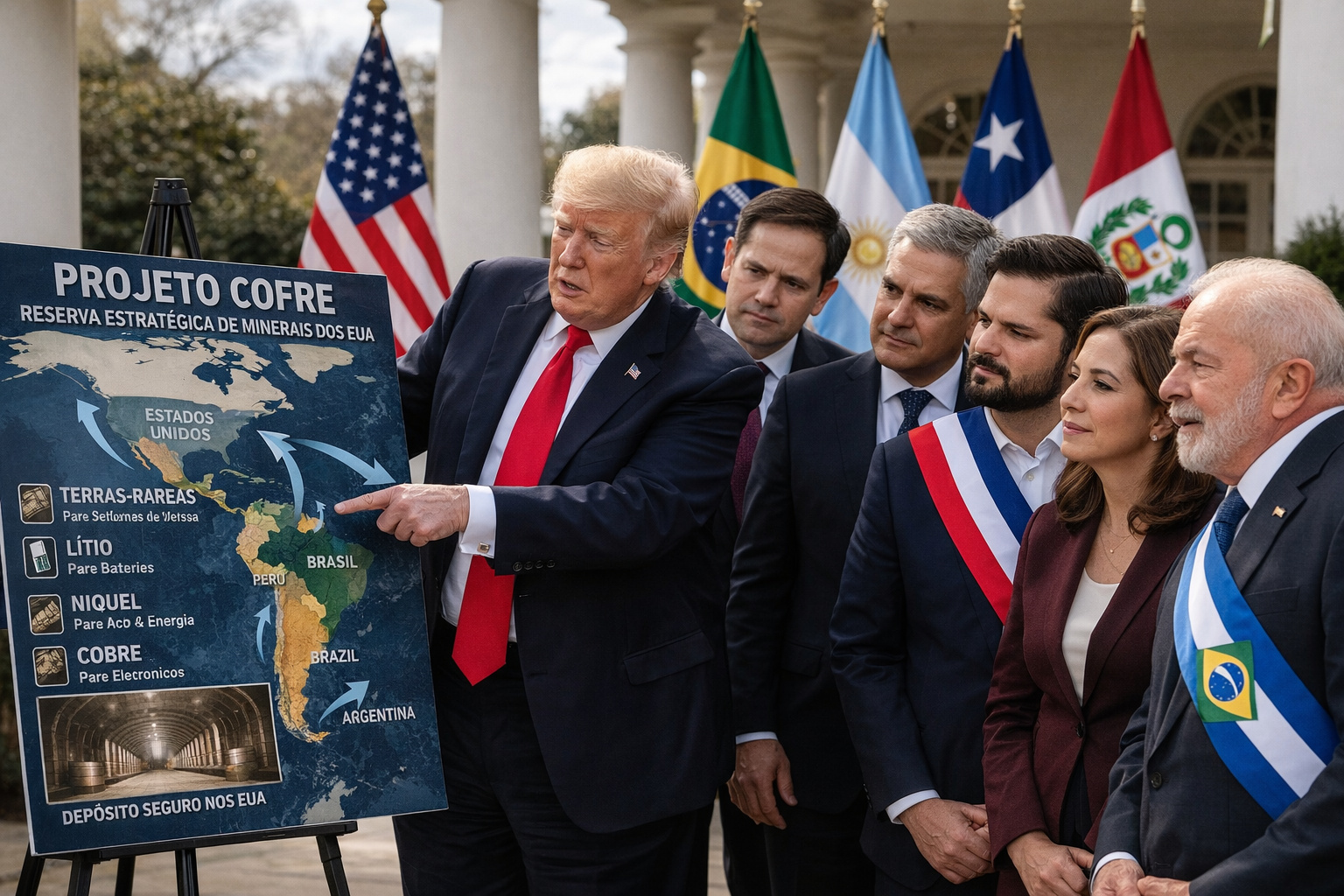
The USA announces a mysterious billion-dollar vault project to store critical minerals, but what intrigues experts is not just the plan itself, but why Latin America, including Brazil, has entered the center of this global dispute against China.
-
Trump Announces Bombing of U.S. Military Targets on Iranian Island Responsible for About 90% of Iran’s Oil Exports, Warns of Further Attacks if Navigation in Strategic Strait of Hormuz Is Threatened


For this reason, Bolivians hope to replenish all their reserves and, with the decline in demand from Argentina, increase supply to Brazil starting in 2025, when they will see a window of several opportunities for client diversification here. The projected decline will also have a dramatic effect on the export market. Natural gas is a crucial sector for Bolivia’s economy, with some exports to neighboring Brazil and Argentina playing a fundamental role. Exports to these two countries represent over 70% of total gas sales and 20% of total exports.
“Argentina has expanded its production, reducing the importance of Bolivian gas, but Brazil still requires many imports,” said Henrique Anjos, gas and energy analyst for Latin America at Wood Mackenzie. “If Bolivia cannot develop additional production, exports will be halted by 2030 as domestic demand surpasses production. Alternative energies may play an important role in filling the gap of domestic gas.” In 2022, Brazil felt, more in practice than in theory, the limitations of Bolivian supply. After signing a more advantageous contract with Argentina, Bolivia significantly reduced its volumes destined for Petrobras – from about 20 million m³/day to almost 15 million m³/day.








Seja o primeiro a reagir!