





 Portuguese
  English
  Spanish
  4 min of reading
  0 comments


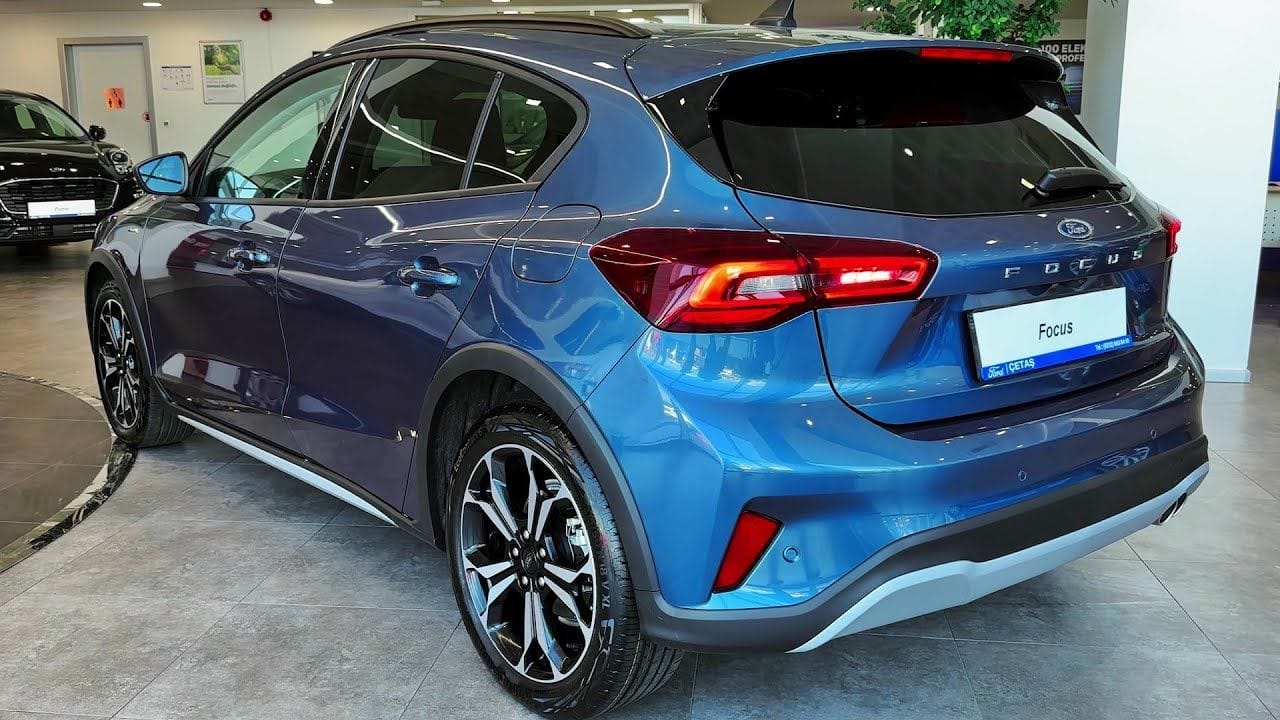
This Relaunch Marks The Beginning Of A New Chapter For The Ford Focus, Promising An Irresistible Combination Of Style, Technology And Driving Pleasure. Those Who Once Said Goodbye To The Model Now Have More Than Enough Reasons To Welcome It Back, Especially In The European Market.
After a farewell marked by nostalgia, the Ford Focus is back, bringing with it the promise of winning back consumers’ hearts. Like that inseparable friend from school days with whom, for some reason, we lost contact, the Focus returns renewed, ready to reconnect with the global automotive market.
The Ford Focus, once one of the best-selling cars in Brazil, faced a decline in its popularity, making way for the SUVs that dominated national preference. In response, Ford decided to give the Focus a new life, implementing significant changes in design, technology and powertrain. This renewal is not just an attempt to revive the brand but rather to adapt it to the new demands and preferences of modern consumers.
Engine Of The New Ford Focus


Under the hood, the new Focus offers 1.0 turbo gasoline engine options with power outputs of 125 and 155 horsepower, along with the promise of a 1.5 diesel version for those seeking efficiency and performance. Already known for its sharp and enjoyable handling, the model promises to maintain its dynamic qualities, now paired with improved energy efficiency.
-
Costing R$ 16,000, the new Yamaha features a 125 cc hybrid engine with electric assistance, delivers 8.3 hp, includes ABS, optimized fuel consumption, Y-Connect connectivity, 25 liters of storage space, and a surprising 4-year warranty in the urban segment.

-
OMODA & JAECOO grows in Europe in 2026 with an integrated strategy of sales, innovation, local production, and technological advancement in the United Kingdom, Italy, and Spain.

-
OMODA & JAECOO expands after-sales service in Brazil with competitive maintenance, a 7-year warranty, and high availability of parts for technological SUVs.
-
OMODA & JAECOO appoints Alessandra Souza as executive marketing director in Brazil and accelerates brand expansion with a focus on innovation, networking, and hybrid portfolio.


Visually, the new Focus maintains its essence, but with adjustments that enhance its aesthetics. The changes include new rear taillight designs, which now feature a unique lighting effect when lit, and the introduction of genuine exhaust tips, reinforcing its authenticity. Additionally, the model comes with new alloy wheel options, ranging from 16 to 19 inches, and adjustments to the hood and front grille, giving the car a more robust presence.
Technology And Comfort
Internally, the standout feature is the new Sync 4 infotainment system, promising a more intuitive and responsive experience. The model also innovates by integrating climate controls into the touchscreen, a change that, while modern, may divide opinions regarding practicality. Another novelty is the introduction of a digital instrument cluster in the higher trims, raising the vehicle’s modernity standard.
With a suggested starting price of over £26,000 – around R$175,000 in direct conversion, not considering taxes and import fees – the new Focus arrives not only to reclaim its space in the market but also to reaffirm Ford’s commitment to innovation, quality, and consumer satisfaction. There is no forecast for the model’s launch in Brazil.
Trajectory Of The Ford Focus In Brazil
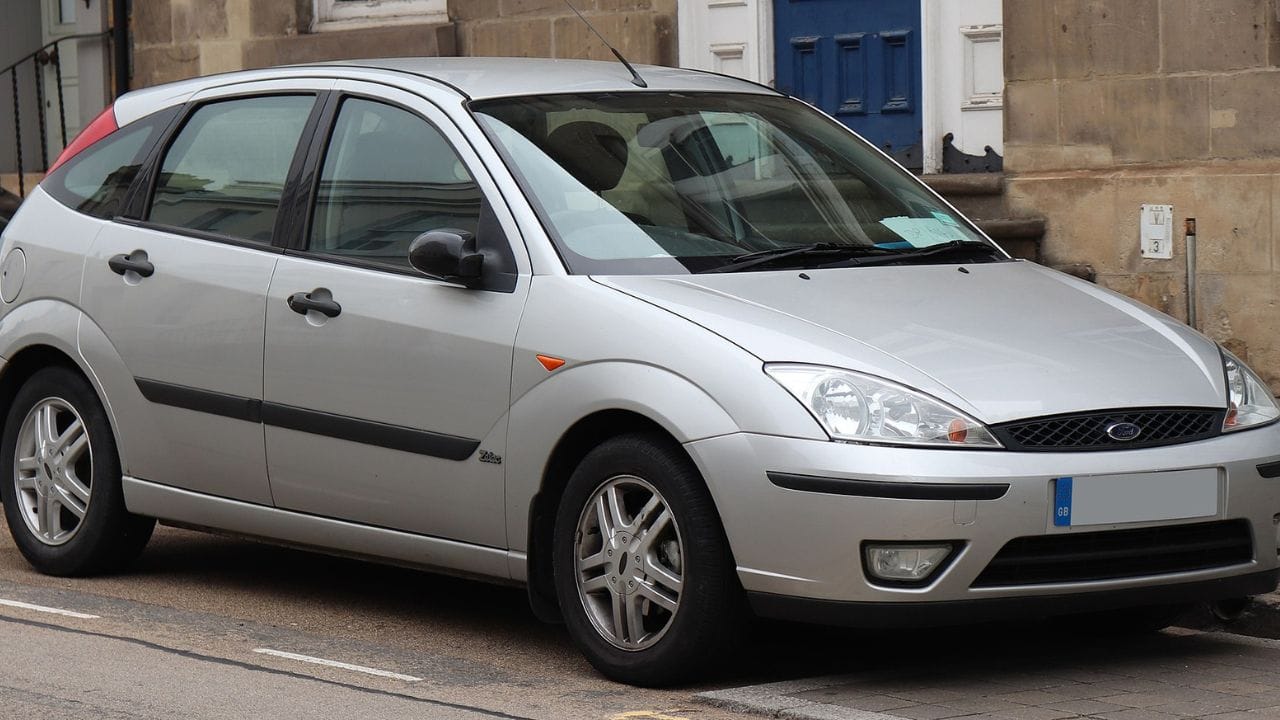
The Ford Focus made its mark in the Brazilian automotive market, starting its journey in 2000 and concluding in 2019, leaving a legacy of innovation and driving pleasure. Replacing the Ford Escort, the Focus not only brought a contemporary design for the time but also technologies and features that distinguished it in a highly competitive segment.
Its arrival in Brazil was marked by the promise of innovation, competing for consumer preference with giants like Fiat Brava, Chevrolet Astra, and Volkswagen Golf. One of the most celebrated innovations was the introduction of the multi-link rear suspension, which gave the Focus an advantage in vehicle dynamics, offering a level of driving pleasure comparable to that of the Golf, its direct competitor.
Produced in Argentina, the Focus landed in Brazil in hatch and sedan versions, equipped with Zetec SE 1.8 16v and 2.0 16v engines. Over the years, it received significant updates and new versions, including the automatic transmission option introduced in 2003, more efficient engines, and a significant redesign in 2004, aligning it with the design adopted in Europe.
The second generation, launched in Brazil in 2008, brought even more innovations, consolidating the Focus’s presence in the market with new versions, powertrains, and a redesign that brought it even closer to European standards.
Farewell Of The Focus From The Market
The production of the Focus in South America ended in 2019, reflecting low sales and changing consumer preferences, as customers gradually abandoned medium hatchbacks in favor of SUVs and crossovers. This shift in consumer behavior, combined with Ford’s global strategy, resulted in the decision not to introduce the new generation of the Focus in Brazil and other South American countries.
The Ford Focus leaves behind a memory of quality, innovation, and an engaging driving experience, characteristics that made it one of the most beloved and respected vehicles by the Brazilian public. Its farewell not only represents the end of a model but the closing of an important chapter in Brazil’s automotive history, marked by the growing preference for larger and more versatile vehicles.









Seja o primeiro a reagir!