





 Portuguese
  English
  Spanish
  4 min of reading
  0 comments


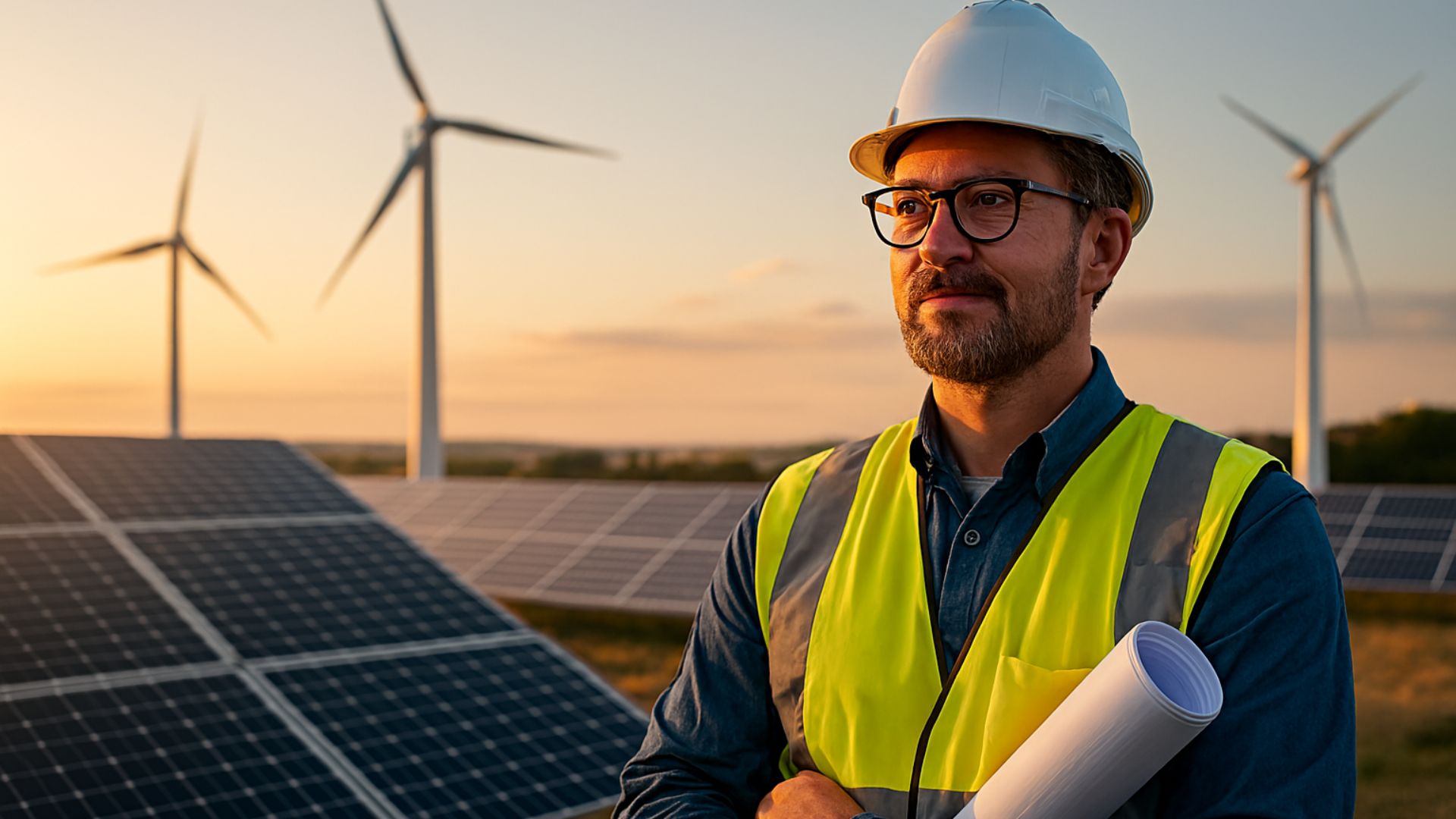
The Kearney Study Reveals That Energy Transition and Clean Energy Expansion Will Increase the Need for Engineers in Brazil, Boosting New Opportunities in the Renewable Sector
Published on September 30, 2025, the study “The Future of the Energy Workforce,” conducted by global consulting firm Kearney in partnership with the IEEE Power and Energy Society, revealed a decisive fact for the future of energy in Brazil: the demand for engineers specialized in renewable energy is set to double by 2030.
Brazil Accelerates Energy Transition Focusing on Clean Energy
The survey, released by InfoMoney, estimates that between 450,000 and 1.5 million professionals will be needed to meet the growing demand of the sustainable sector.
This growth is driven by the energy transition and the Brazilian goal of generating 81% of its electricity from renewable sources by 2029. Brazil ranks among the countries with the greatest potential for clean energy generation in the world.
-
Renewable energy advances over protected areas in Brazil, and a survey by the Energy Transition Observatory reveals silent impacts that challenge environmental conservation and pressure sensitive traditional territories.

-
Rio Grande do Sul accelerates energy transition: State invests in renewable technologies and consolidates decarbonization strategies and pathways to attract billions in new industrial investments.

-
With 160,000 m² of collectors, an area larger than 20 football fields, Silkeborg, in Denmark, hosts a solar thermal plant that heats 19,500 homes and could become the largest solar heating plant in the world.

-
A study reveals the expansion of renewable energy procurement in Brazil and shows how companies are taking advantage of opportunities to reduce expenses, ensure energy efficiency, and strengthen strategic environmental commitments.


With estimated investments of US$ 100 billion in auctions and competitive power purchase agreements, the country aims to consolidate its leadership in the energy transition. These investments are expected to generate over 7.5 million jobs by the end of the decade, particularly for engineers skilled in sustainable technologies.
According to Claudio Gonçalves, partner in Kearney’s energy practice, there is currently a lack of engineers with the technical skills and qualifications necessary to facilitate the transformations expected in this decade — and this gap is likely to widen.
Scarcity of Engineers Threatens the Advancement of Renewable Energy
Kearney’s research surveyed nearly 200 senior executives and engineers, as well as over 770 engineering specialists from 37 countries. About 40% of respondents cite the lack of qualified professionals as one of the main obstacles to the growth of the renewable energy sector.
Furthermore, the demand for electricity is expected to grow by more than 50% by 2040, driven by the electrification of transport, process digitization, and population growth.
This scenario demands a highly skilled workforce, particularly in areas such as solar, wind, biomass, hydropower, and energy storage. The shortage of specialized engineers may compromise the expansion of energy infrastructure and delay environmental and economic goals.
Profile of Engineers for Clean Energy and Professional Challenges
Engineers working in the clean energy sector need to master emerging technologies such as artificial intelligence, automation, data analysis, and project management. Additionally, they must be prepared to work in multidisciplinary environments with a focus on innovation.
Kearney’s study indicates that nearly half of energy engineers have changed jobs or left the sector since 2021. The main reasons include burnout, lack of professional stimulation, and difficulty with lateral mobility.
This data underscores the need for retention, appreciation, and ongoing training policies. Valuing engineers is essential to ensure the continuity of renewable energy projects and accelerate the energy transition.
Technical Training and Education: A Foundation for a Sustainable Future
To meet the growing demand for engineers, it is essential to invest in technical and academic training. Universities, research centers, and educational institutions must adapt their curricula to market demands, promoting courses focused on clean energy and energy transition. Research incentive programs, scholarships, and public-private partnerships can accelerate talent formation.
The creation of innovation hubs and laboratories specialized in renewable energy are also effective strategies to foster technological development. Education is the pillar of the energy transformation and the construction of a workforce prepared for the challenges of the 21st century.
The Role of Companies in the Energy Transition and Engineer Training
Energy sector companies play a decisive role in building a robust workforce. According to a survey from another institution released in April 2025, 97% of business leaders support the transition to renewable energy sources, and 75% associate these sources with energy security.
Clean energy is seen as a driver of economic growth, competitiveness, and job creation. Therefore, it is essential for companies to adopt sustainability policies, promote technical training, and value engineers as agents of transformation.
Collaboration among the private sector, government, and academia is essential to ensure an efficient and inclusive energy transition.


Engineers and Brazilian Protagonism in Renewable Energy
With an abundance of natural resources and an expanding market, Brazil has the potential to become a global reference in renewable energy. The goal of 81% generation from clean sources by 2029 is ambitious but feasible, provided it is accompanied by investments in infrastructure, innovation, and human capital.
The doubling of demand for engineers is a clear signal that the country needs to accelerate its preparation for the energy future. This includes not only training new professionals but also retaining and valuing those already working in the sector.
Brazil’s leadership in clean energy directly depends on the qualification and engagement of engineers.
Pathways to Transform the Challenge into Opportunity
The Kearney study sheds light on a challenging scenario, but full of opportunities. The energy transition calls for a qualified, motivated workforce aligned with sustainability objectives.
Engineers specialized in renewable energy will be protagonists of this transformation, contributing to a cleaner, more competitive, and resilient Brazil.
Investing in education, talent retention, and innovation is essential for the country to leverage its full energy potential. The decade leading up to 2030 will be decisive, and industry professionals hold the chance to shape the future of energy in Brazil.









Seja o primeiro a reagir!