





 English
  Francês
  Alemão
  Italiano
  Japonês
  Norueguês
  Portuguese
  Spanish
  3 min of reading


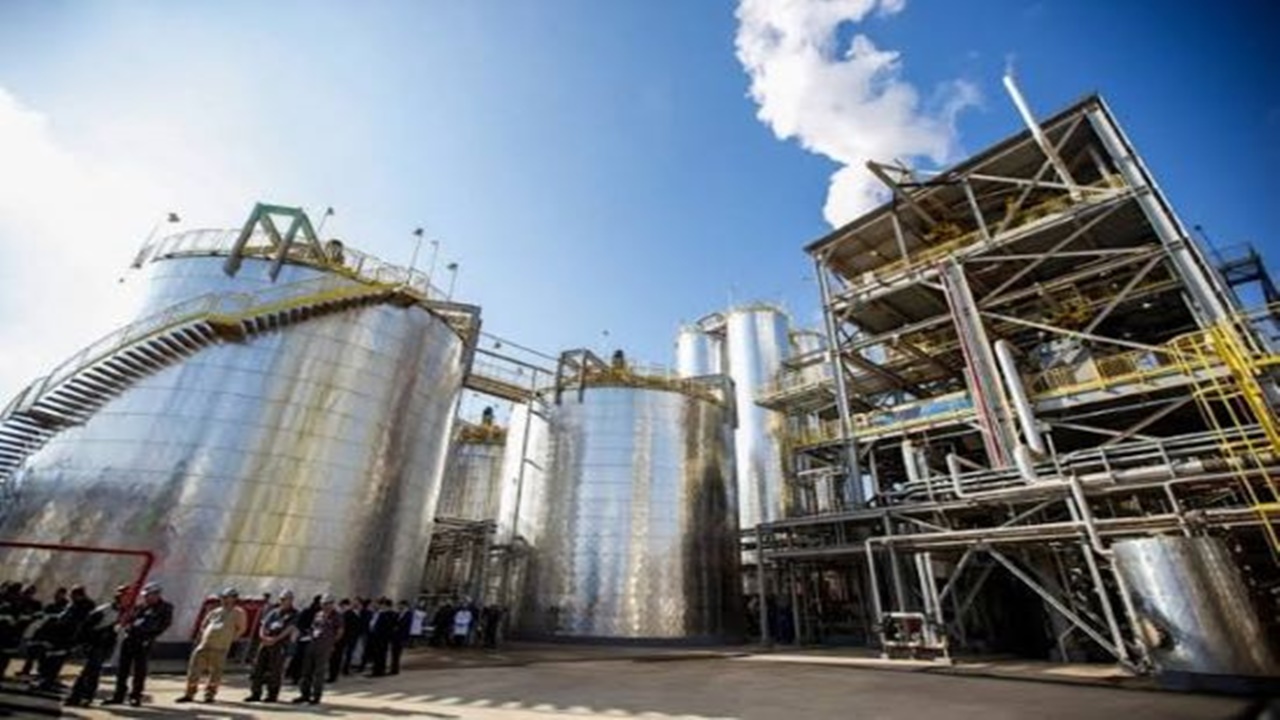
Brazil Will Face Dilemma with Electric Cars in 2030. What to Do with So Much Ethanol Since the Country Is the World’s Largest Producer of This Biofuel?
Brazil, the world’s leading producer of ethanol, is about to flood the global sugar market because the country’s transition to electric vehicles will reduce the demand for agricultural-based biofuels, a study led by Soren Jensen, an influential industry executive, along with Mariana Perina Jirousek, points out.
Read Also
- Chinese State Grid, One of the Largest Energy Transmission Companies in the World, Is Hiring for Many Positions at the Medium, Technical, and Higher Levels
- New Historic Record Achieved in the Supply of Regasified LNG in the Country by Brazil’s Largest Oil Company
- Demand for Diesel, Gasoline, and Ethanol Increases Even with Fuel Prices Sky-High in Brazil
- Labor Shortage to Fill More Than 400,000 Job Vacancies in the Technology Sector in Brazil as Professionals in the Field Are “Lured” by the Market, Which Faced R$ 167 Billion in Losses Due to the Shortage of Personnel
- Record Harvest in the Brazilian Agribusiness and Increase in the Agricultural Machinery Market in 2021 Boosts Collection and Rerefining of Used and Contaminated Lubricating Oil
The demand for ethanol in Brazil is likely to start declining by 2030 as electric vehicles become more popular, said Soren Jensen, who previously worked as the chief operating officer of the world’s largest sugar trading company, Alvean, and conducted the study with Mariana Perina Jirousek. The situation will leave Brazil’s mills — the world’s largest sugar exporter — with no choice but to produce more sugar instead of ethanol.
Arrival of Electric Cars in the Country Represents a Setback for Companies Like Brazil’s Largest Ethanol Producer, Raízen Energia
The arrival of electric cars in the country represents a setback for the global sugar market. The negative effects of global surpluses of the product and lower prices will be felt in places like Thailand and India, where production costs are higher. It is also a setback for companies like Brazil’s largest ethanol producer, Raízen Energia, and BP, which have recently expanded their biofuel production capacity.
-
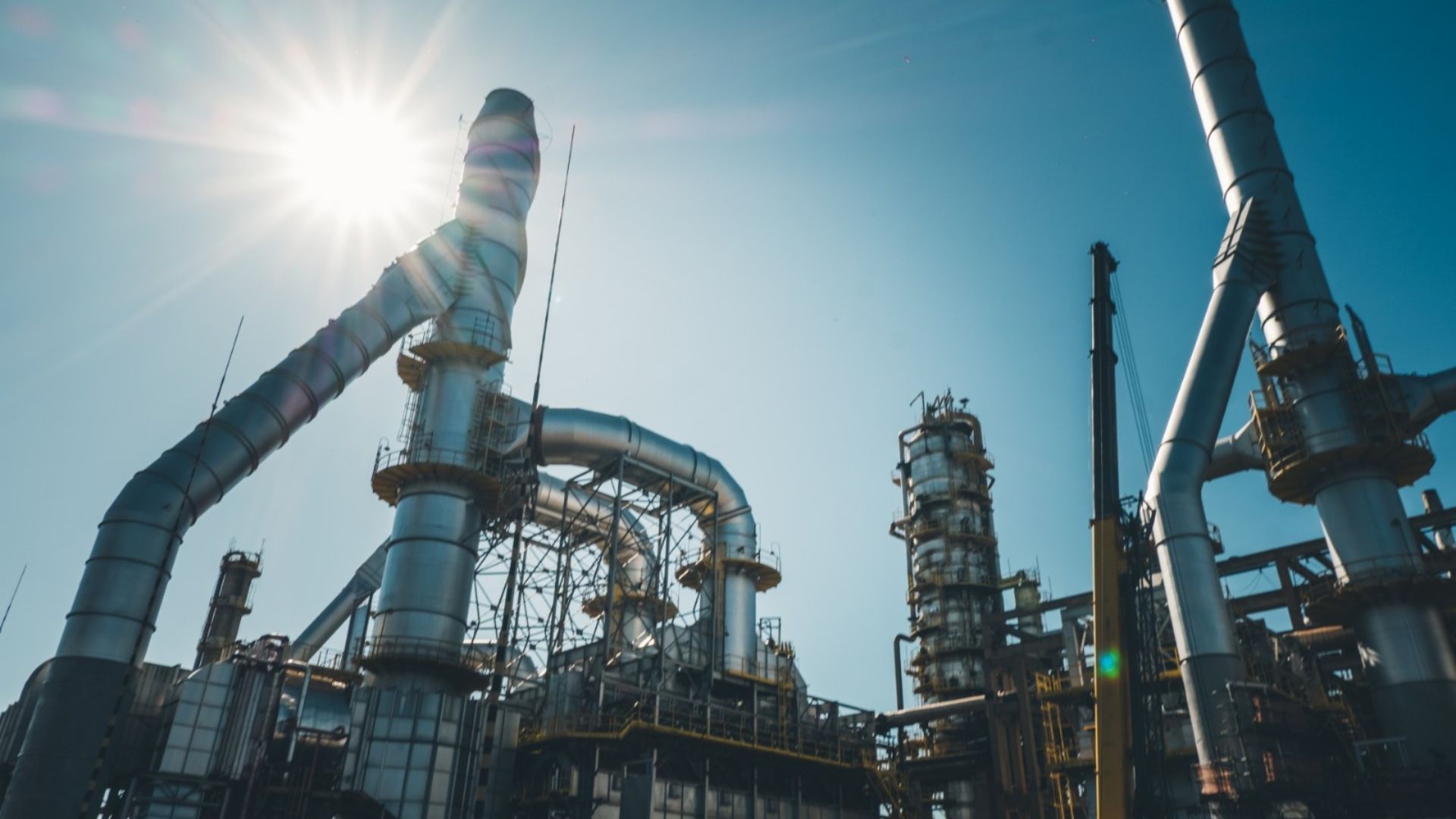
Petrobras Expands Refining in Brazil, Increases Production of Diesel S-10 and Gasoline, Enhances Operational Efficiency, and Reduces Import Dependence Between 2023 and 2025
-
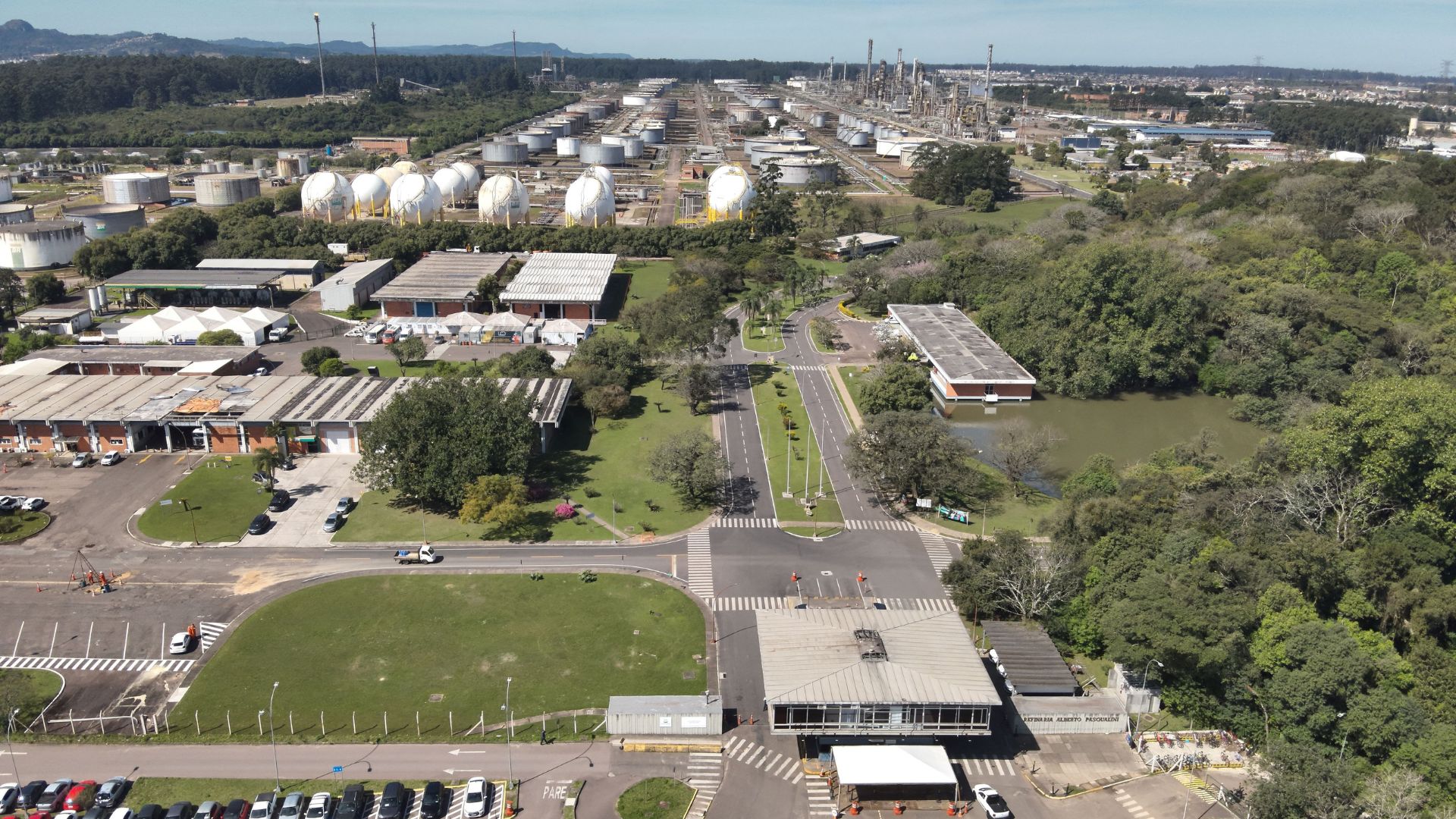
Petrobras’ Refap Sets Historic Records for Gasoline and S-10 Diesel Production in Canoas in Q4 2025, Surpassing Previous Figures
-
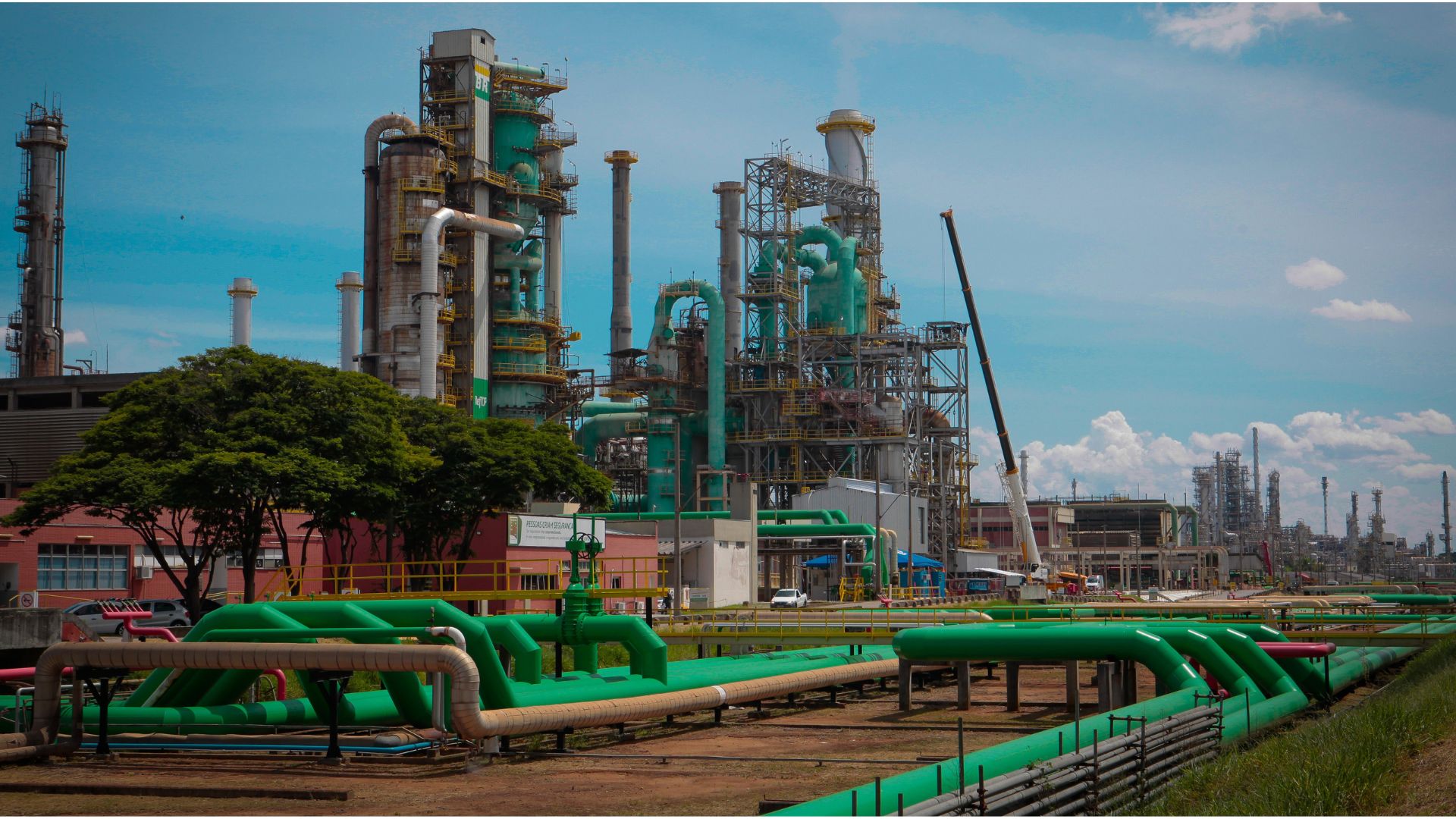
Revap Starts Operation of Modernized HDT and Petrobras Expands S-10 Diesel Production by 80% at the Refinery, Boosting Supply of Less Polluting Fuel in Brazil
-
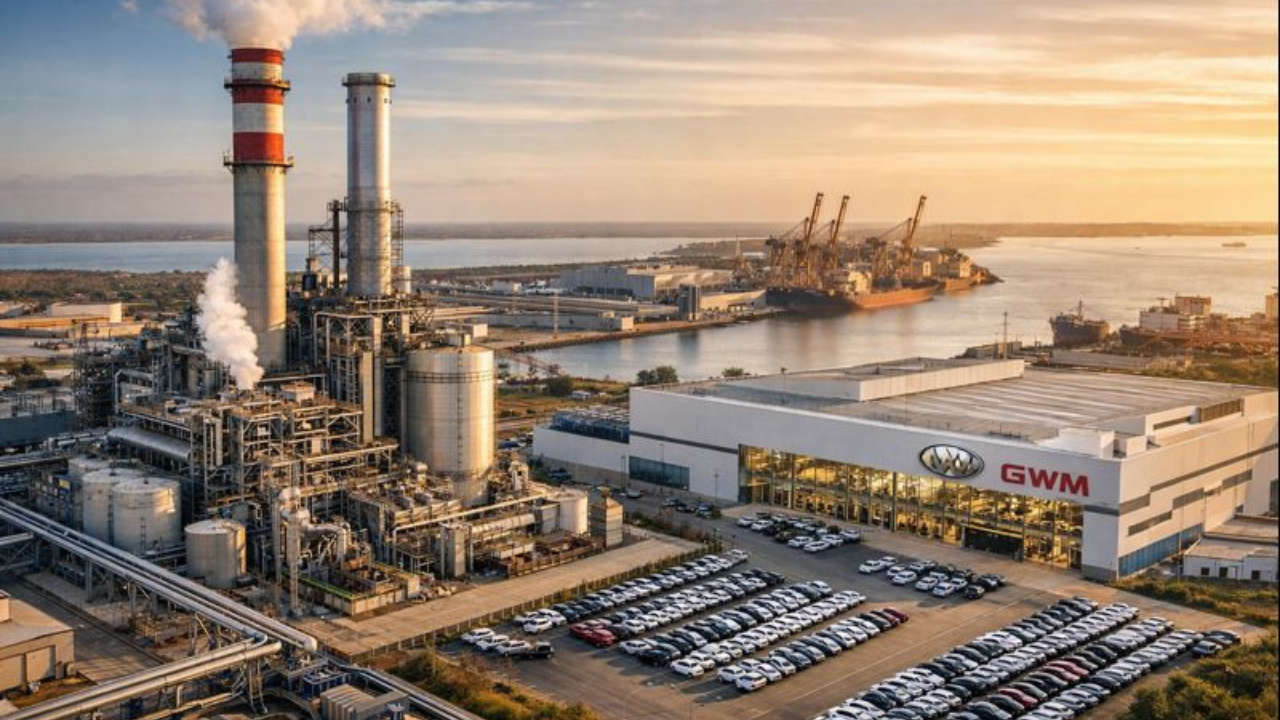
Thermal Power Plant in Rio Grande do Sul Is Key to Attracting GWM

“It is clear that the adaptation of new technologies will pose a significant threat to Brazil’s sugarcane processing sector,” said Jensen, who has worked in agribusiness for three decades. “Industry stakeholders must start taking this into account when making investment decisions gradually from now on.”
According to the most pessimistic scenario outlined by the study, the demand for ethanol, which in some years accounts for more than 50% of all sugarcane crushed in Brazil, could begin to decline as early as 2025, dropping about 40% by 2035. From 2035 to 2040, there would be an additional loss of 20%, leaving the demand at only 40% of its current level.
Brazilian Mills Have the Possibility to Quickly Switch Production from Sugar to Biofuel
Brazilian mills have the possibility to quickly switch production from sugar to ethanol, responding to fluctuations in the international sugar market. In times of surplus, mills produce more ethanol, often eliminating the global sugar excess. The adoption of electric vehicles means Brazil will lose the ability to balance the sugar market, hurting other producing countries that are already facing reduced demand as health concerns lead people to cut back on sugar consumption.
According to Jensen, over the past 15 years, this flexibility has absorbed shocks during periods of excess sugar supply. However, without this possibility, prices will become more volatile, the executive added.
According to the study, the severity of the impact of electric car adoption will depend on the speed of the change. In the worst-case scenario, the authors consider that hybrid cars plug-in (charged via electric current) will prevail in the electric vehicle landscape in Brazil due to the advancement of ride-sharing applications.









Seja o primeiro a reagir!