





 English
  Francês
  Alemão
  Italiano
  Japonês
  Norueguês
  Portuguese
  Spanish
  5 min of reading
  0 comments


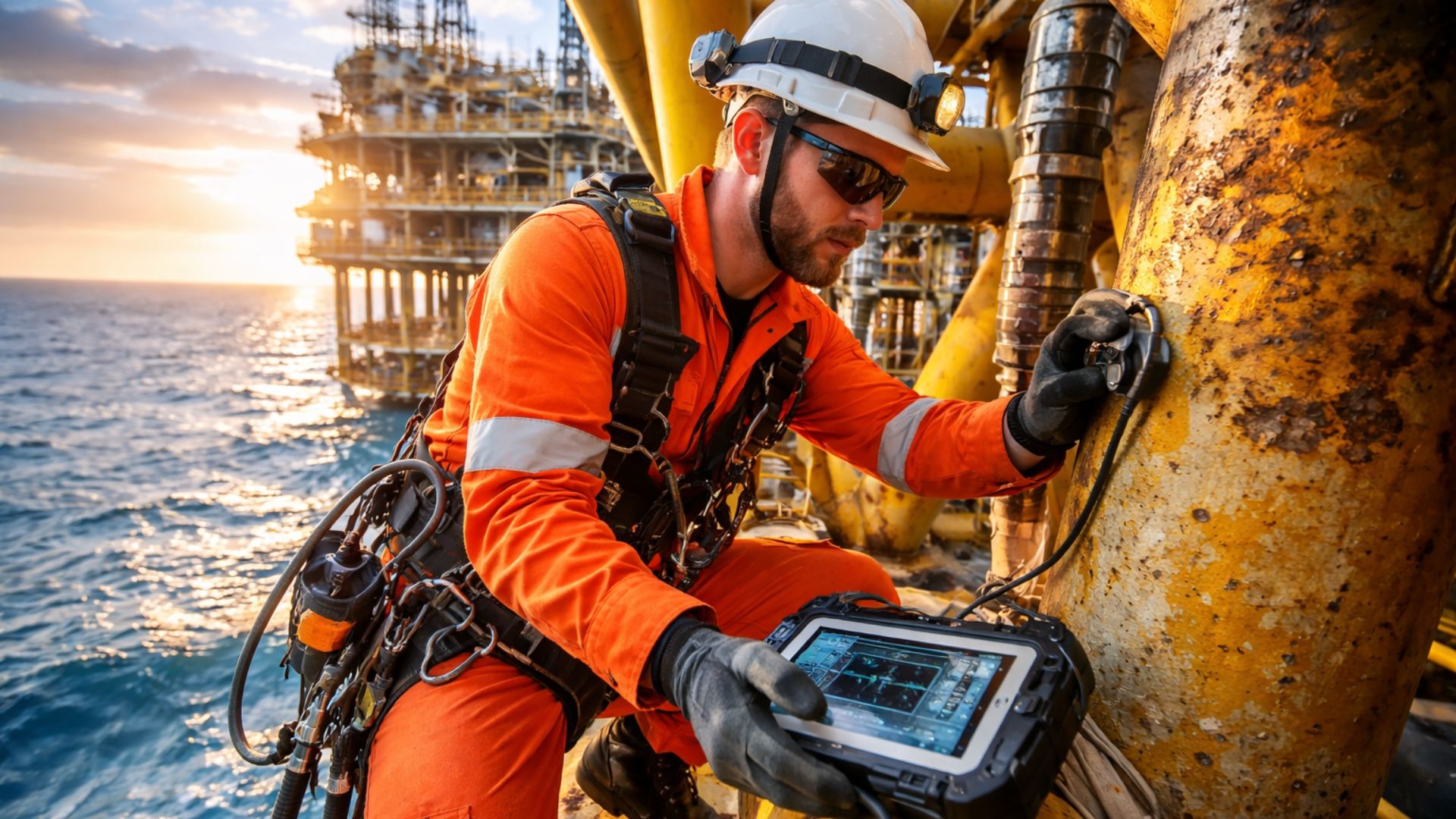
Structural Integrity Technician Gains Prominence in Brazilian Offshore by Ensuring the Safety of Critical Assets. The Offshore Profession Offers High Salaries, Requires Technical Certifications, and Is Essential for Oil and Gas Operations in Extreme Environments.
The growth of offshore production in Brazil in recent years has significantly increased the demand for specialized operational safety professionals. Among them, the structural integrity technician occupies a prominent position, being responsible for ensuring that offshore platforms operate safely, reliably, and within regulatory requirements. According to an article published by the website Market Monitor, this is a critical role in the oil and gas sector, especially in a scenario of increasingly complex assets exposed to severe environments.
The Importance of the Structural Integrity Technician in Offshore Operations
Right from the start, the central point is clear: the integrity of offshore structures defines the continuity of the country’s energy production. Platforms, FPSOs, and subsea pipelines are subject to intense corrosion, material fatigue, and constant stress. Without proper technical monitoring, the risk of structural failures increases significantly.
The structural integrity technician works directly to preserve strategic assets of the energy industry. Their role is to identify, assess, and monitor structural failures before they become critical. This preventive work is what avoids accidents, leaks, and unplanned shutdowns.
-
Constellation opens an offshore position with a 14×14 schedule for those who want to work onboard in Rio das Ostras (RJ) with great benefits.
-
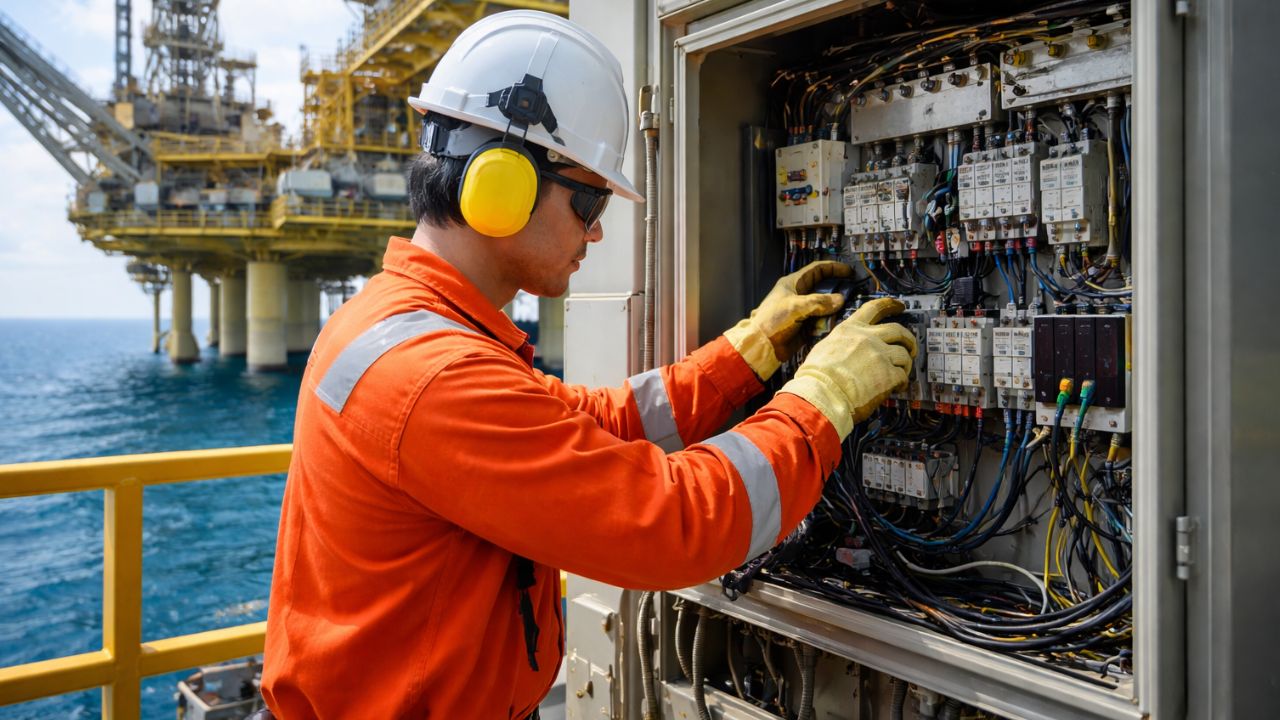
Oceânica Announces Offshore Vacancy on 14×14 Schedule for Electrical Technician in Rio de Janeiro
-
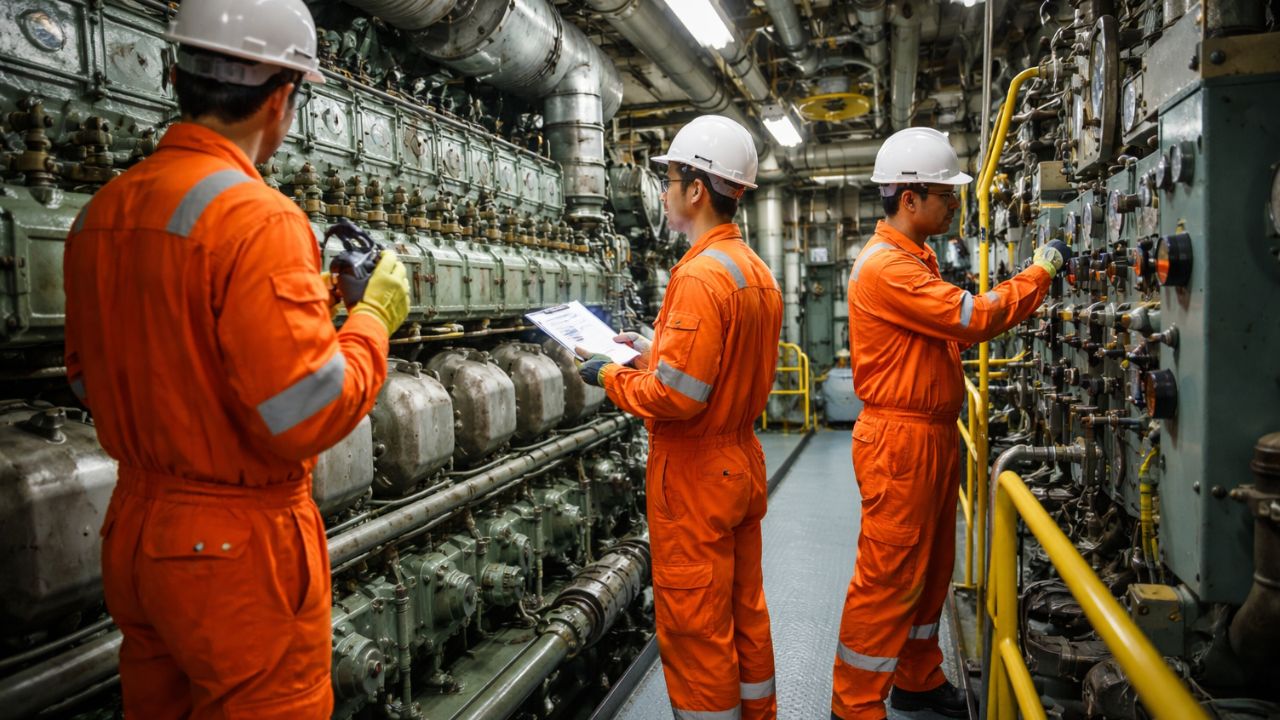
Offshore Position for Engine Room Fourth Officer with 28×28 Rotation in Rio de Janeiro
-
With Announcement for ROV Course in Partnership with Zen, Rio das Ostras Aims to Transform Technical Qualification into Real Jobs in the Competitive Offshore Market
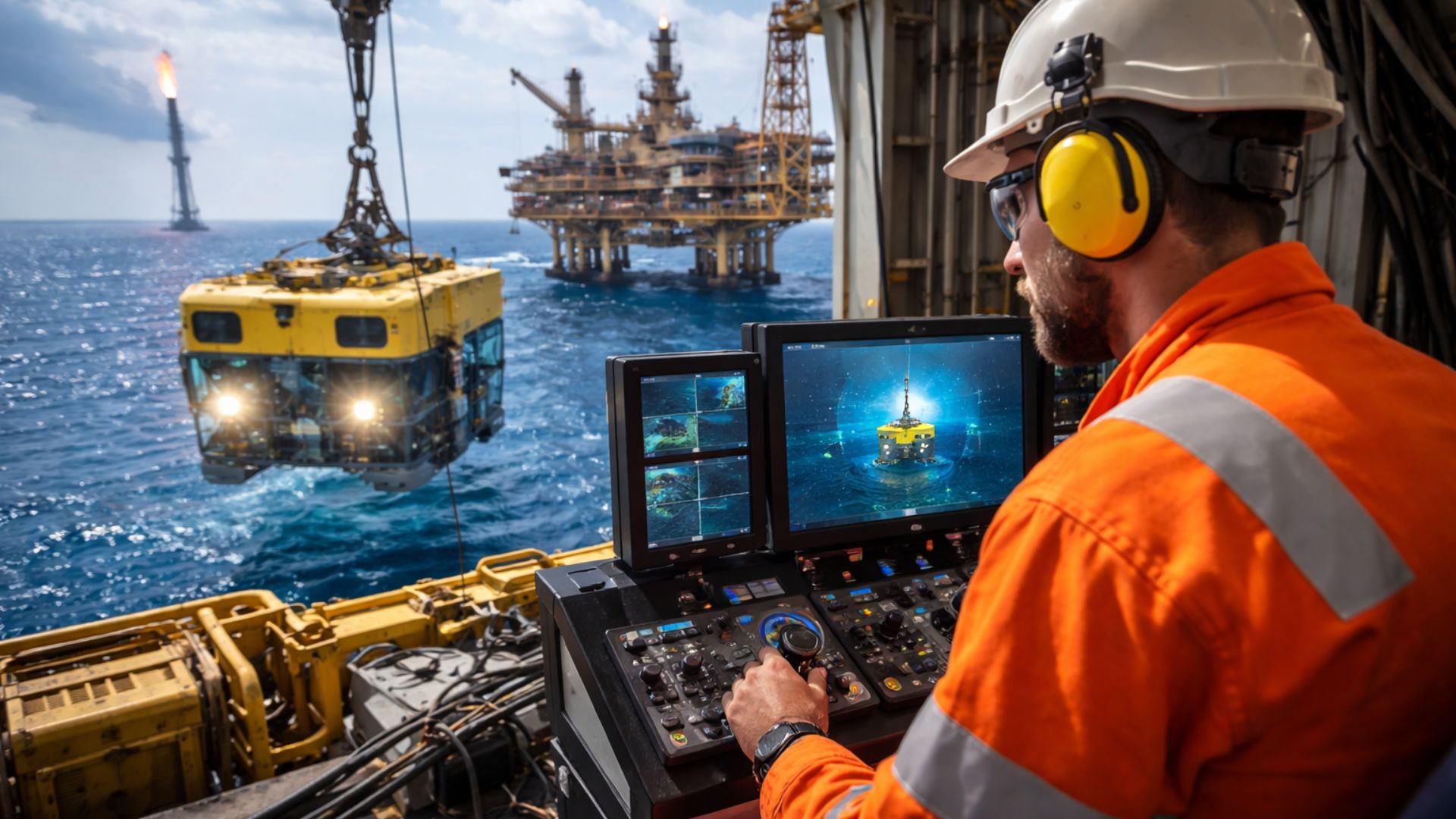

In the offshore environment, any structural failure can jeopardize human lives and cause large-scale environmental impacts. Therefore, the presence of this professional is essential in maritime exploration and production operations.
Their work is conducted in conjunction with engineering, maintenance, and safety teams, supporting high-impact technical decisions. Furthermore, national regulations require documented periodic inspections. Without these technical reports, operations can be interrupted by regulatory bodies.
Offshore Profession with High Technical Responsibility
The offshore profession requires physical, technical, and psychological preparation. The structural integrity technician works onboard, often in prolonged confinement regimes, facing adverse weather conditions and rigorous operational routines.
In their daily activities, the professional performs inspections on:
- Platform hulls;
- Metal structures and supports;
- Process pipelines;
- Storage tanks;
- Subsea equipment.
To do this, they use advanced inspection methods such as industrial ultrasound, liquid penetrant, magnetic particles, and gamma radiography. These techniques allow the identification of flaws invisible to the naked eye, increasing the reliability of assessments.
Accessing the inspected areas often requires industrial climbing or work in confined spaces, emphasizing the risk level and specialization of the role.
Hostile Environments Challenge the Integrity of Structures
The ocean is one of the most aggressive environments for industrial structures. The combined action of saltwater, wind, waves, and currents imposes constant wear on materials. In this context, the structural integrity technician must deeply understand the mechanisms of deterioration.
The main challenges faced include:
Salt corrosion, accelerated by sea spray and constant humidity;
Material fatigue, caused by repetitive cyclic stresses;
Biological fouling, which increases the weight of structures and favors localized corrosion.
Additionally, thermal variations and mechanical impacts contribute to the gradual loss of material resistance. Without continuous inspection, these failures evolve silently, becoming extremely dangerous.
High Salaries Reflect Risk and Specialization
The salaries paid to these professionals are among the highest in the Brazilian technical-industrial market. The level of responsibility, along with working conditions and the scarcity of qualified labor, justifies this valuation.
Sindicates from the offshore sector and recruitment platforms indicate that experienced technicians, with advanced certifications, can exceed R$ 20,000 monthly at the top of their career, especially in onboard contracts. This amount varies according to experience, work regime, and set of certifications.
In addition to the base salary, hazard pay, unhealthy work conditions, and confinement bonuses are common. The market rewards the ability to prevent billion-dollar losses and avoid large-scale environmental accidents.
Oil and Gas Drive Demand for Specialists
Brazil remains one of the largest global oil producers, with a strong concentration of offshore operations. According to ANP, the pre-salt accounts for an increasing share of national production, requiring ever more robust and well-monitored structures.
In this scenario, the structural integrity technician becomes indispensable to:
- Ensure operational continuity;
- Reduce costs with corrective maintenance;
- Meet strict environmental requirements;
- Prolong the lifespan of platforms.
Major operators such as Petrobras, Shell, Equinor, TotalEnergies, and ExxonMobil maintain active contracts in the country, which sustains the constant demand for qualified professionals.
Certifications Required to Work in the Offshore Area
Technical education in Mechanics, Naval Engineering, or Metallurgy is just the starting point. To fully operate, the market requires specific certifications that demonstrate technical competence.
In Brazil, the National Qualification and Certification System, managed by ABENDI, is the main reference for industrial inspectors. It establishes rigorous assessment and professional recycling criteria.
The most common certifications include:
- Liquid Penetrant and Magnetic Particles;
- Industrial Ultrasound;
- Industrial Gamma Radiography;
- IRATA for rope access;
- CBSP for safety and survival at sea.
Additionally, it is mandatory to maintain an active registration with the Federal Council of Industrial Technicians or CREA, depending on the educational background. Valid certification is a basic requirement to operate offshore.
Paths to Build a Solid Career in the Offshore Profession
The career generally begins in companies that provide industrial inspection services. At this stage, the professional gains practical experience and accumulates the necessary hours to advance in certification levels.
Over time, opportunities emerge for higher responsibility positions, such as senior inspector, structural integrity specialist, technical coordinator, or independent consultant. Constant updating on new remote monitoring and structural analysis technologies is crucial for professional evolution. Those who invest in continuous training remain competitive in the offshore market.


The Growing Relevance of This Offshore Profession in Brazil
By 2026, the structural integrity technician solidifies as one of the pillars of operational safety in the energy sector. The combination of high demand, attractive remuneration, and strategic relevance makes this career one of the most promising in the offshore industry.
Even with the advancement of the energy transition, oil and gas remain essential for the global economy in the short and medium term. At the same time, stricter environmental requirements increase the importance of structural integrity.
Safety, reliability, and risk prevention have never been more valued. For those seeking a solid technical career, well-paid and with a direct impact on the protection of people, assets, and the environment, this profession occupies a central place in the present and future of Brazilian offshore.









-

3 pessoas reagiram a isso.