





 English
  Francês
  Alemão
  Italiano
  Japonês
  Norueguês
  Portuguese
  Spanish
  3 min of reading


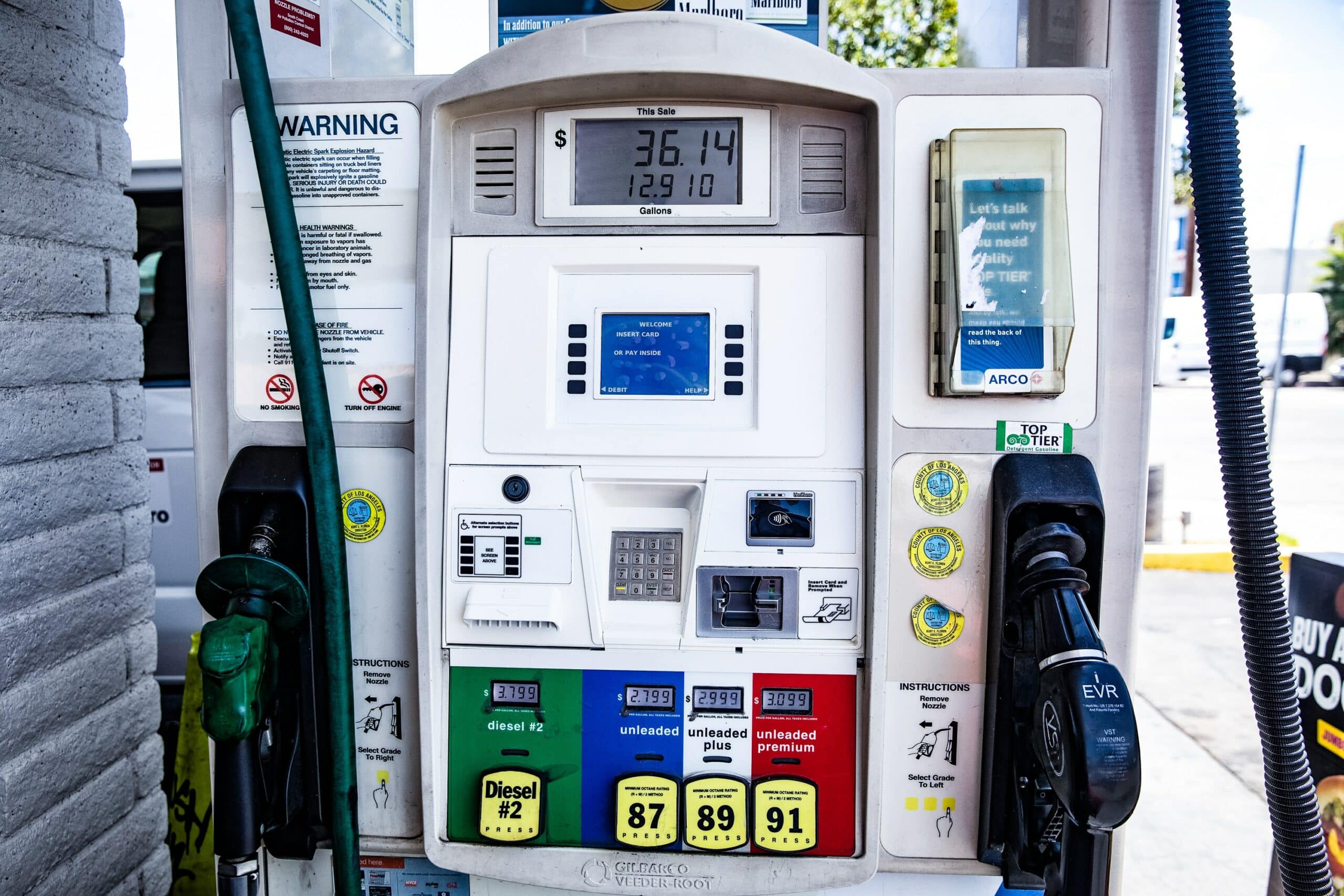
MP Determines Adjustments on the Taxation of Tributes Related to the Production and Marketing Chain of Hydrated Ethanol Fuel
On this Wednesday (the 1st), the Chamber of Deputies approved a Provisional Measure (MP) that makes changes regarding the collection of the Contribution to the Social Integration Programs and the Public Server Heritage Formation (PIS/Pasep) and the Contribution for the Financing of Social Security (Cofins), taxes applicable to the production and marketing chain of hydrated ethanol fuel.
In January, the MP had already been sanctioned and, in the following month, issued by President Jair Bolsonaro. It now proceeds to Senate approval.
As recommended by Deputy Vinicius Carvalho (Republicanos-SP) – the MP’s rapporteur – the text is to be approved in the same manner it was originally issued by the Executive Branch, without any modifications.
-
Gasoline prices soar and the question arises: is ethanol more advantageous? The 70% rule reveals the limit with gasoline.
-
Ocyan opens registrations for startups focused on innovation in the oil and gas sector and will select projects for Innovation Day with the support of Nexio.

-
The government has made a decision and is starting a test with more ethanol in gasoline, anticipating a mixture of up to 35%, diesel with 25% biodiesel, and a study to assess the impacts on engines.
-
Brazil is the largest coffee producer in the world, but four foreign companies control more than half of the domestic market, including brands that you probably have in your kitchen like Pilão, 3 Corações, Melitta, and Nescafé.


MP Proposes That All Actors in the Ethanol Chain Are Subject to the Same Tax Burden of Social Contributions
The MP proposes that, in order to avoid revenue losses, the tax burden of the social contributions be the same for all actors in the ethanol chain, whether in the direct sale from the producer or importer to the retailer or in the sale intermediated by a distributor. In this way, the collection is made in advance by the selling company of the fuel or by the distributor and, subsequently, passed on to the price.
Furthermore, the Provisional Measure also stipulates that the producer agent, the marketing company, and the importer of hydrated ethanol fuel are permitted to market the fuel with the distributor agent, the reseller-retailer transporter, the fuel retailer, and the external market.
The reseller agent, in turn, becomes authorized to obtain and market hydrated ethanol fuel from the producer agent, the distributor agent, the marketing company, the importer, and the reseller-retailer worker.
Marketing Cooperatives Are Equivalent to Producer Agents of Hydrated Ethanol Fuel
The MP also states that the marketing cooperatives will not have direct participation in the market, given that they are equivalent to the producer agents of hydrated ethanol fuel.
If the cooperatives conduct direct business with retailers, they will pay a combination of rates on revenue and on the volume of the product. This will be applicable to those who have not chosen a PIS/Cofins taxation regime based on production volume.
Thus, if the cooperative decides to opt for taxation based on produced volume, it will pay the sum of the rates in force since 2008. On the other hand, if the taxation is based on revenue obtained from the sale, it will correspond to 1.5% of PIS and 6.9% of Cofins, in addition to R$ 19.81 per cubic meter and R$ 91.10 per cubic meter of PIS and Cofins, respectively, since they are equivalent to a distributor.
MP Aims to Impose Its Own Rules for Direct Sales by Cooperatives
The Provisional Measure aims to prevent the sale of ethanol by cooperatives directly to retail trading legal entities from resulting in tax waivers, in addition to ensuring that the reseller-retailer transporter is also subject to the provisions regarding the contribution for PIS/Pasep and Cofins applicable to retail traders. Ultimately, it can be seen as another attempt by the government to reduce the fuel prices.
It is also important to mention that the proposal modifies the rules established by Law No. 14,292, dated January 3, 2022, which institutes the direct sale of ethanol from the producer or importer to retail trading legal entities, particularly in order to impose its own regulation for direct sales conducted by cooperatives.








Seja o primeiro a reagir!