





 Português
  Inglês
  Espanhol
  5 min de leitura
  0 comentários


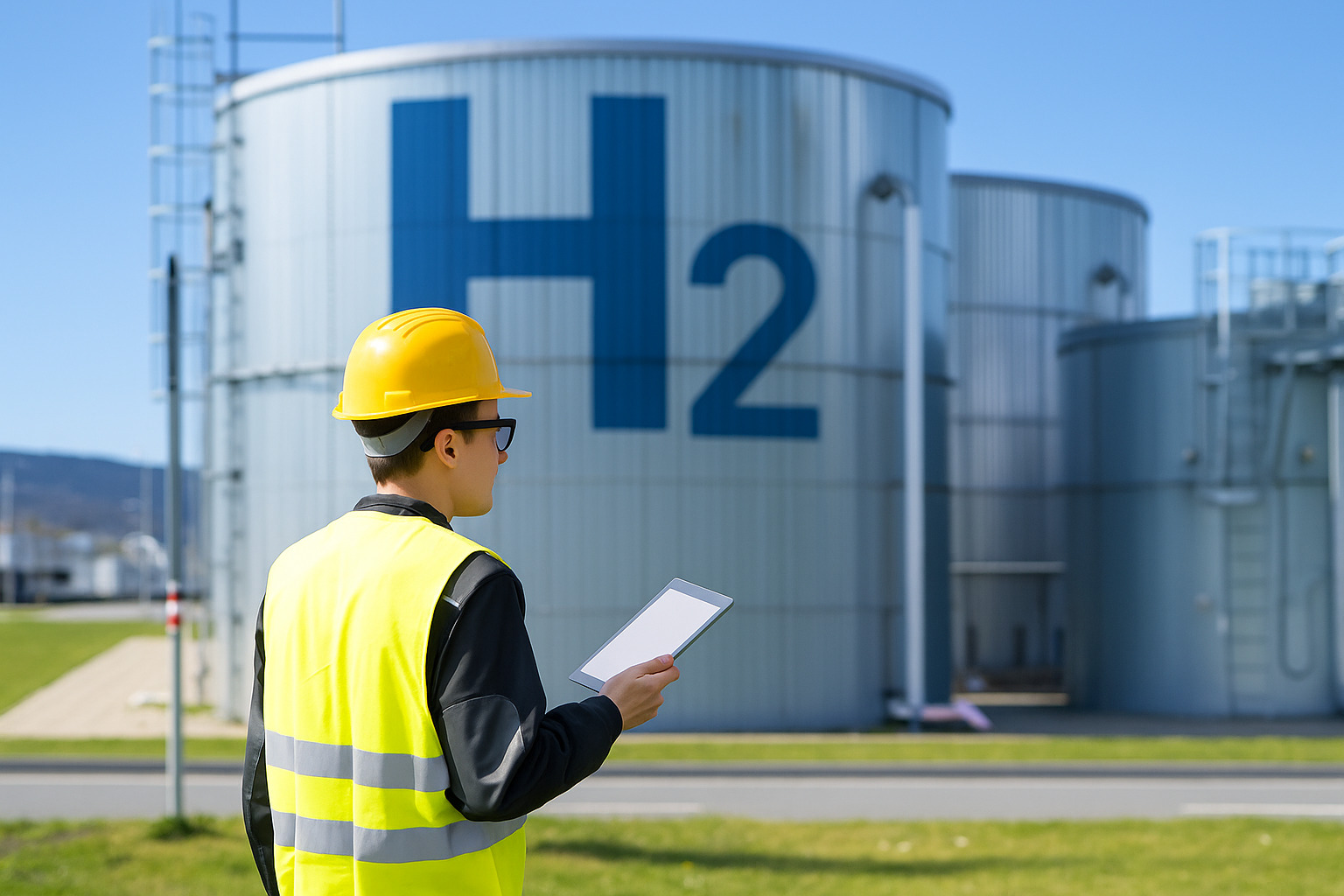
Discover How the Energy Potential of Green Hydrogen Faces Technical and Economic Challenges in Brazil Despite Advances in Research and the Use of Renewable Energies.
The energy potential of green hydrogen has gained worldwide attention in recent years as a strategic solution for the energy transition. And, consequently, for the reduction of greenhouse gas emissions.
In Brazil, the topic becomes even more relevant due to the abundance of renewable energy sources. Such as solar, wind, and hydroelectric, which can therefore make the country a major producer of clean hydrogen.
Despite this promising scenario, the country still needs to overcome several technical, economic, and regulatory challenges to turn green hydrogen into a viable energy alternative.
-
The Economist states that Brazil has a “secret weapon” against expensive oil and highlights how the country can reduce economic impacts even in international scenarios of high volatility.
-
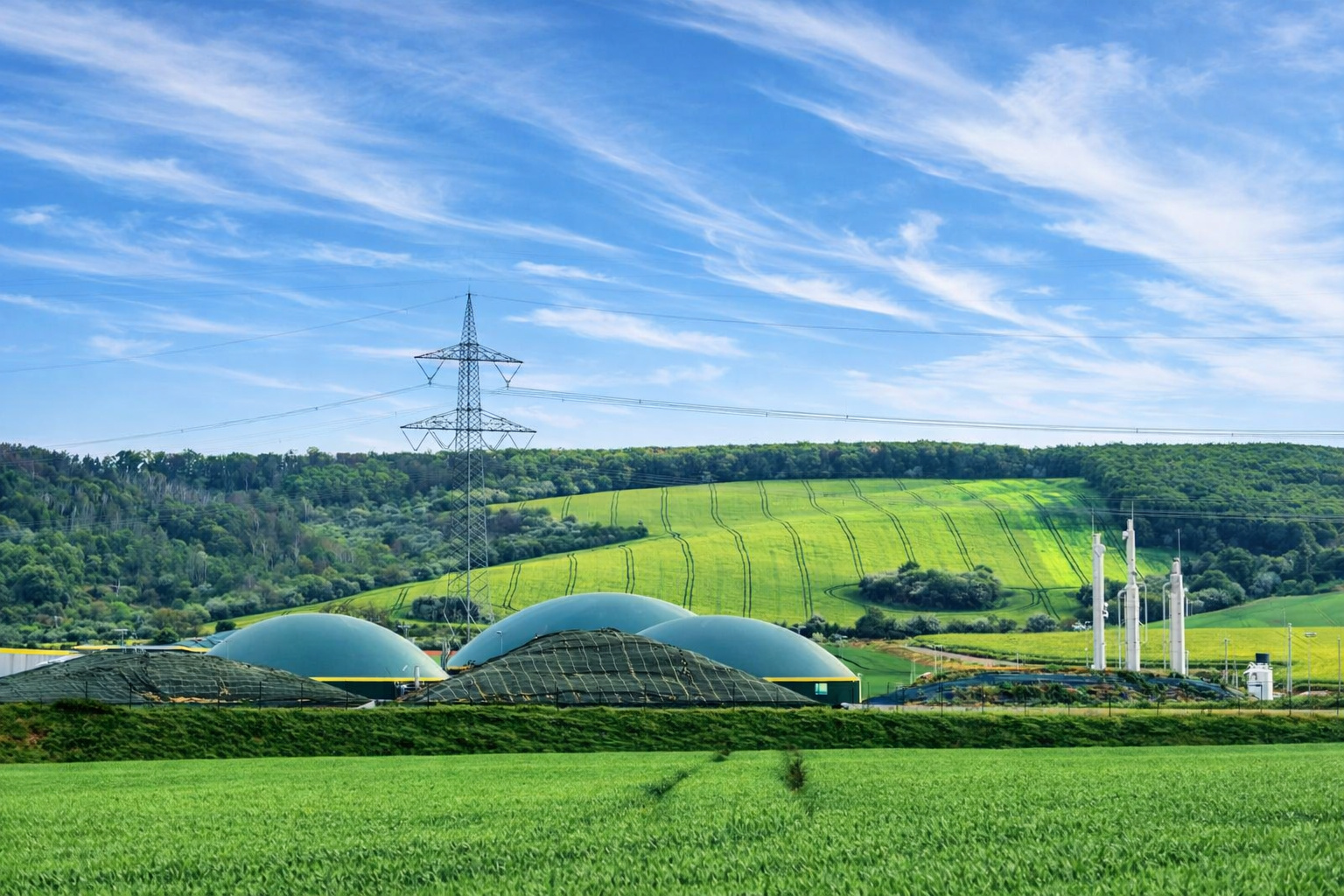
Brazil accelerates decarbonization in the South: International forum in Foz do Iguaçu gathers leaders to discuss the advancement of biomethane in the energy matrix and the potential of “caipira pre-salt.”
-
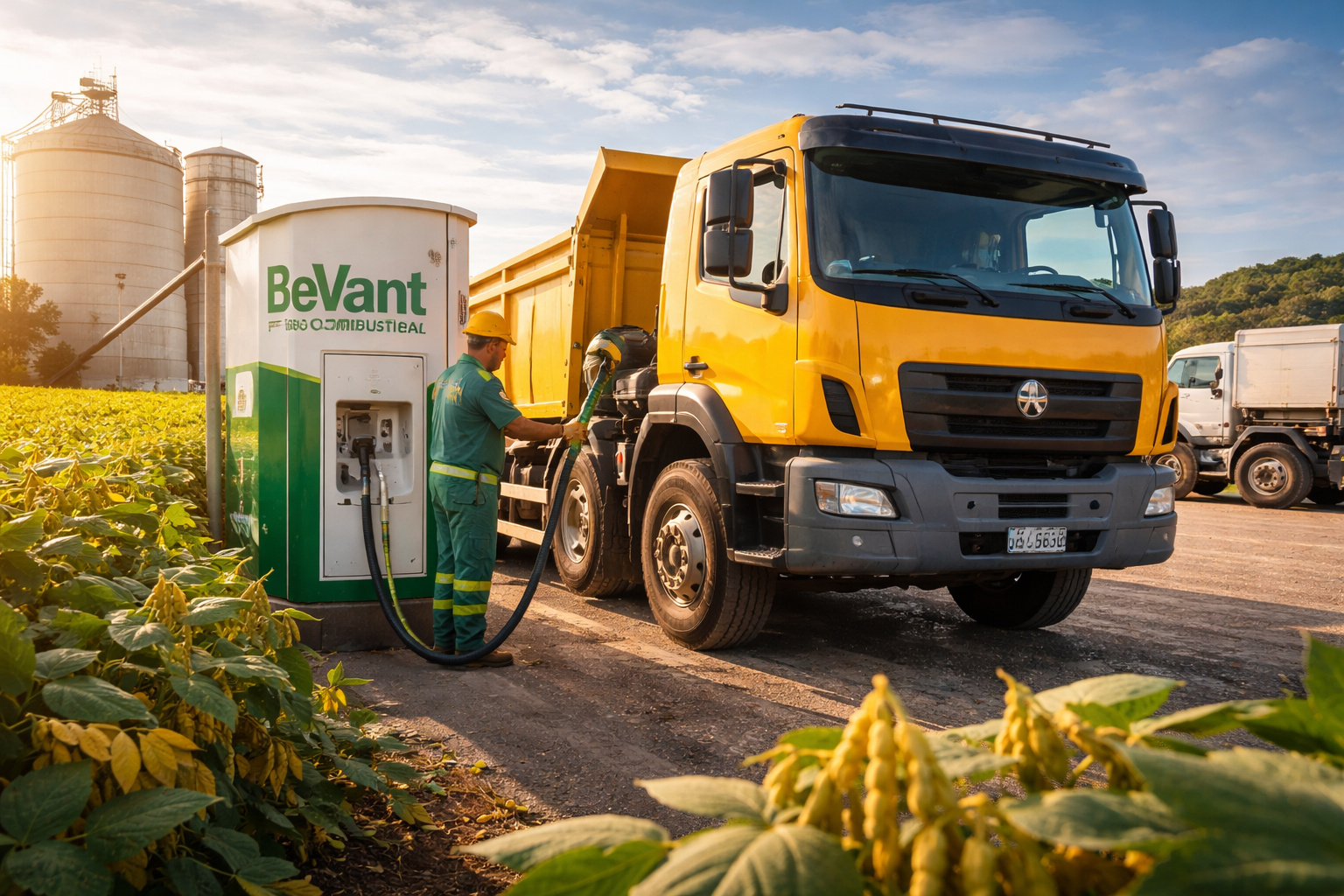
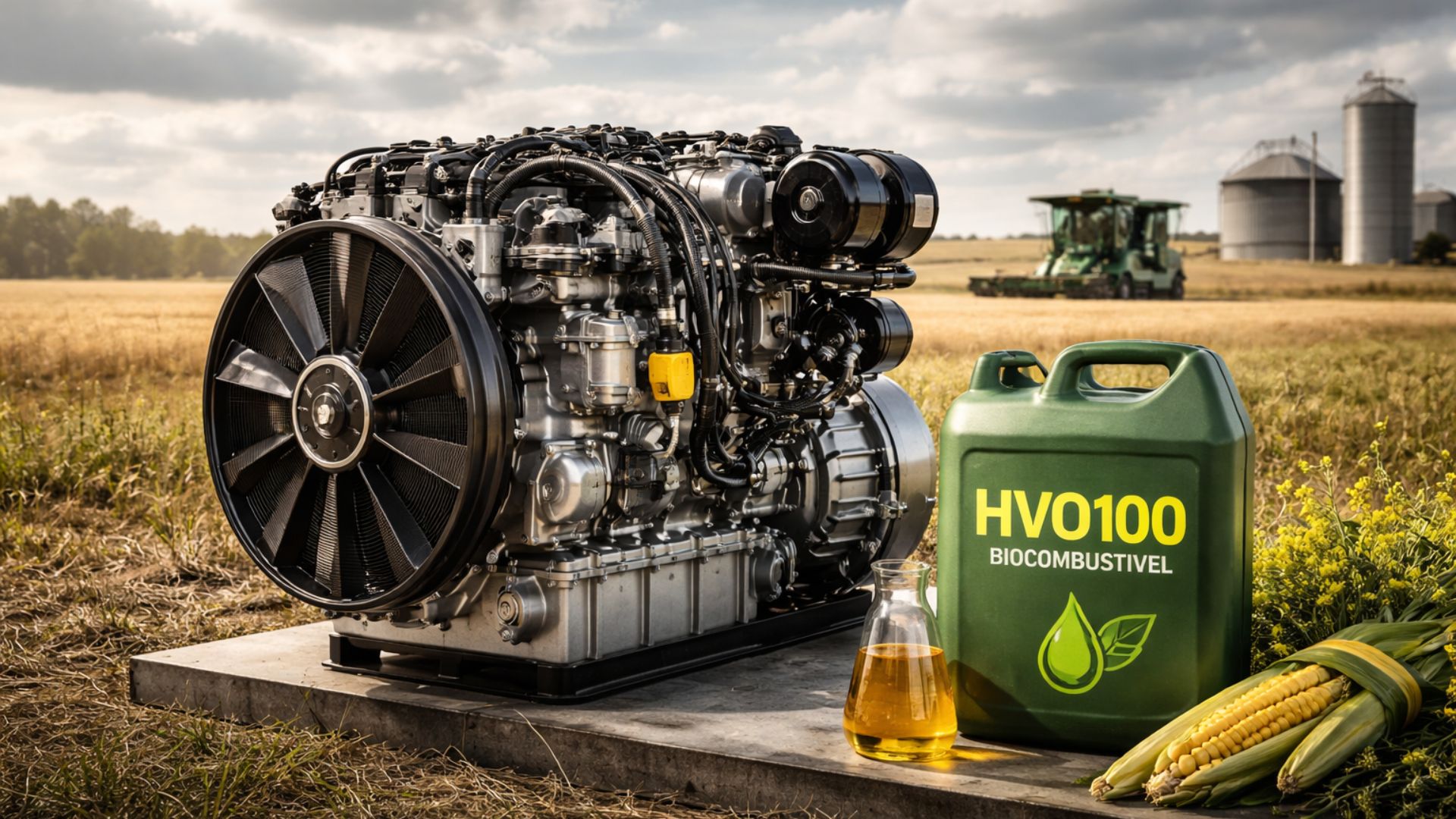
As diesel prices soar due to conflicts in the Middle East, a Brazilian city decides to test a little-known biofuel that promises to completely replace fossil fuel without adaptation and could change the future of energy in the country.
-
Innovation with biofuel engines transforms agribusiness by replacing diesel without the need for major adaptations, ensuring energy efficiency and helping to reduce dependence on oil.

Green Hydrogen and Its History
The history of hydrogen as an energy source is not recent. Since the 19th century, scientists have studied ways to use it as fuel.
Only in recent decades, with advancements in renewable energies and growing concerns about climate change, has green hydrogen been considered a concrete solution to reduce carbon emissions.
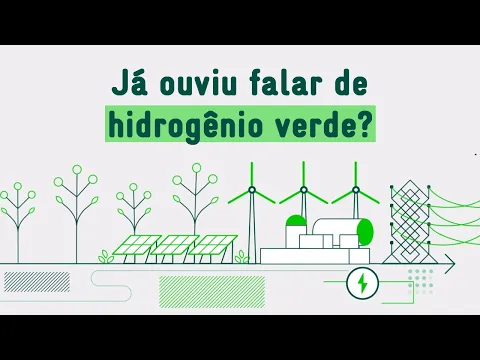
Unlike traditional hydrogen, which produces CO₂ as a byproduct when obtained from natural gas, green hydrogen comes from water electrolysis using clean energy, releasing only oxygen as a byproduct.
Thus, it presents clear environmental advantages, especially for countries looking to meet carbon reduction targets.
In the Brazilian context, green hydrogen offers significant competitive advantages.
Regions with high solar and wind potential allow hydrogen to be produced at lower costs than in European countries, where renewable energy still tends to be more expensive and less abundant.
Moreover, the proximity to industrial and steelmaking centers facilitates the use of green hydrogen in steel production, creating what is known as green steel. This, consequently, significantly reduces CO₂ emissions in the industrial sector.
Historically, Brazil has always invested in innovative energy solutions. In fact, the expansion of hydroelectric energy, starting in the early 20th century, established the country as a reference in harnessing natural resources.
More recently, investments in solar and wind energy demonstrate that the country is prepared to incorporate new clean technologies.
Therefore, green hydrogen emerges as a natural evolution of this trajectory, integrating strategic economic and energy sectors.
Industrial Applications of Green Hydrogen
A concrete example of the energy potential of green hydrogen in Brazil is the study developed by chemical engineer Patrícia Metolina. She proposes to use hydrogen in the process of transforming iron ore into steel.
Traditionally, this process consumes coal as a reducing agent, releasing large amounts of carbon dioxide.
Patrícia’s research shows that green hydrogen can replace coke, producing only water vapor as a byproduct and thus drastically reducing emissions.
Pilot projects in Sweden and other European countries have proven the industrial viability of this technology; however, Brazil still needs to implement solutions to enable its use on a large scale.
In addition to the steel industry, green hydrogen boosts strategic sectors such as transportation, fertilizers, and chemical production.
It can power trucks, ships, and even airplanes, helping to reduce greenhouse gas emissions in transportation that rely on fossil fuels.
It also plays a crucial role in the production of ammonia, the main input for nitrogen fertilizers, and in the manufacturing of methanol, a chemical compound with multiple industrial applications.
As a result, these uses demonstrate that green hydrogen directly influences the economy and environmental sustainability in an integrated manner.
The Brazilian government seeks to foster the sector with strategic initiatives.
The Ministry of Mines and Energy (MME) and the Energy Research Company (EPE) launched the Brazilian Hydrogen Portal, an online platform that gathers information about the sector and thereby attracts investors.
Additionally, the Brazilian Association of Green Hydrogen Industry (ABIHV) identifies projects with high economic potential across the country, many concentrated in the Pecém Complex, in Ceará, but also in Uberaba, Minas Gerais, and the Port of Suape, in Pernambuco.
On the other hand, there are still significant challenges that could delay the consolidation of the sector.
Research and Technological Innovation
Universities and research centers demonstrate Brazil’s commitment to this technology, but they also face practical obstacles.
One example is the project from the Federal University of Rio de Janeiro (UFRJ), conducted by the Coppe laboratory, which produced green hydrogen from photovoltaic energy and tested its use in mobility and industrial processes.
However, issues such as hydrogen purity, maintenance of imported equipment, and the lack of national production of electrolyzers have limited the progress of research.
These challenges show that, although there is interest and technical knowledge, the country still needs to invest consistently to consolidate the sector.
The global growth outlook for green hydrogen is significant.
Estimates from the Hydrogen Council indicate that the demand for hydrogen is expected to quintuple by 2050, and over 1,500 clean hydrogen initiatives are underway around the world.
Countries like Germany, Australia, China, Chile, Spain, and Saudi Arabia lead large-scale projects, and Brazil has the potential to stand out due to its clean energy matrix and favorable natural conditions.
However, seizing this opportunity requires overcoming economic, technological, and regulatory barriers.
Indeed, without clear public policies and strategic investments, the growth of the sector may become slower than expected.
Another relevant point is the formation of qualified labor.
The production and use of green hydrogen demand professionals specialized in electrochemistry, process engineering, gas transportation, and industrial safety.
Therefore, investing in technical training, graduate courses, and training ensures that Brazil operates its hydrogen plants safely and efficiently, enhancing economic and environmental impact.
Paths to Consolidate the Sector
Brazil still needs to develop a complete industrial chain to reduce costs and increase the competitiveness of green hydrogen.
Producing electrolyzers locally, creating efficient transportation and storage systems, and establishing technical standards and certifications are essential steps to make the technology economically viable.
With these measures, the country will be able to fully explore the energy potential of green hydrogen, generate jobs, stimulate innovation, and contribute to the global decarbonization goal.
Historically, the country has already integrated innovative energy solutions into its matrix, as occurred with the expansion of hydroelectric energy and, more recently, with the adoption of solar and wind energy.
Green hydrogen emerges as the next step in Brazil’s trajectory toward energy sustainability.
Thus, the combination of abundance of renewable resources, technical knowledge, and industrial demand creates a favorable scenario, but still requires coordinated efforts to overcome challenges.
In summary, the energy potential of green hydrogen in Brazil is undeniable, but its full realization depends on strategic investments, technological development, clear policies, and adequate infrastructure.
Pioneering projects already demonstrate viability, but economic and technical barriers still limit expansion.
The experience of other countries shows that, with planning and perseverance, green hydrogen can become a key component in the global energy matrix and in reducing carbon emissions.
Therefore, the future of clean energy in Brazil may be closer than one might think, as long as the challenges are addressed with a long-term vision and real commitment.










-

Uma pessoa reagiu a isso.