





 Portuguese
  English
  Spanish
  3 min of reading
  1 comment


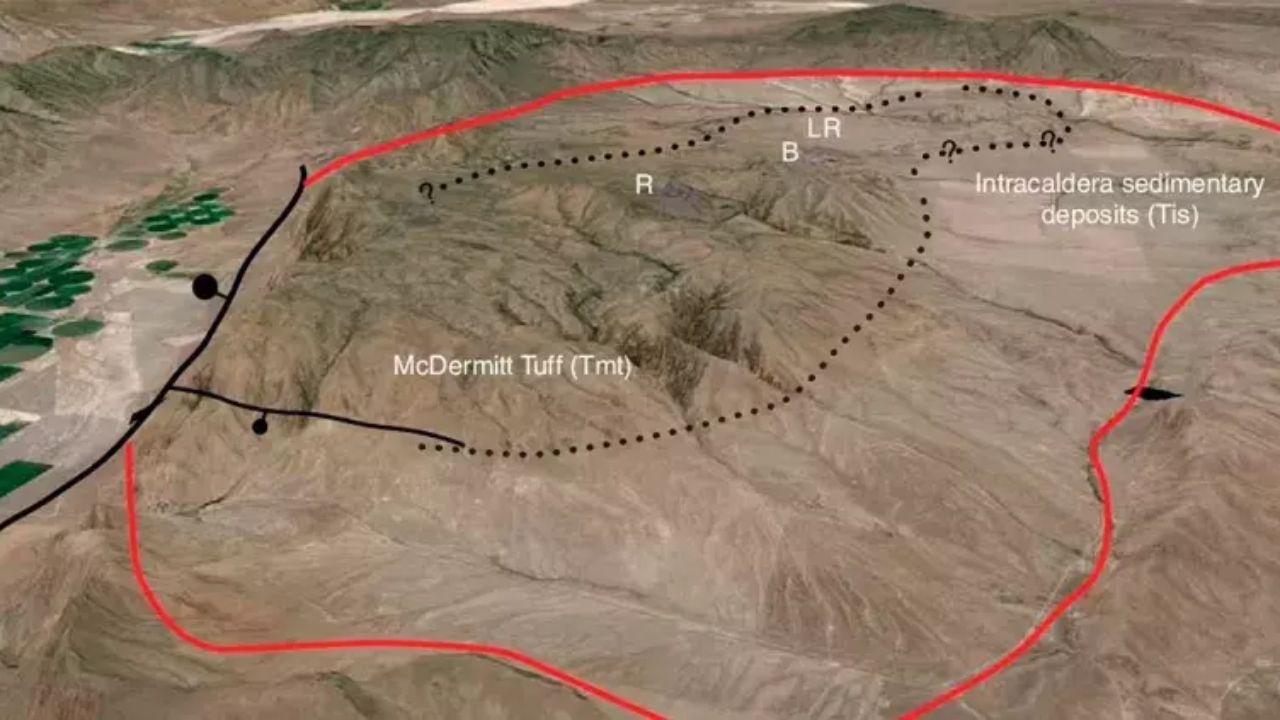


Experts Estimate That The Largest Lithium Reserve in The World, Discovered In The McDermitt Crater In Nevada, Contains Up To 40 Million Tons Of The Metal Essential For Electric Vehicle Batteries And Renewable Energy Storage, Placing The U.S. At The Center Of The Global Energy Revolution.
The race for lithium, the essential metal for electric vehicle batteries and energy storage, has just gained a new protagonist. The largest lithium reserve in the world has been discovered in the McDermitt Crater, between Nevada and Oregon, containing an impressive 40 million tons of this valuable resource. The magnitude of this reserve could redefine global markets and boost the United States as a major supplier of this essential metal.
The Historic Discovery Of The McDermitt Crater
The McDermitt Crater, an ancient volcanic formation, has become the center of attention on the global stage. Studies indicate that this region holds between 20 to 40 million metric tons of lithium, a figure that far exceeds other known reserves.
This enormous volume places the U.S. in a privileged position in the global lithium supply chain. Until now, the world’s main reserve was in the Salar de Uyuni in Bolivia, with about 21 million tons. If McDermitt’s data is confirmed, this will be the largest lithium reserve in the world.
-
Millions of people have been eating yam for centuries without knowing that this humble tuber contains a compound called diosgenin, which scientists have now discovered can improve memory and help control blood sugar levels.

-
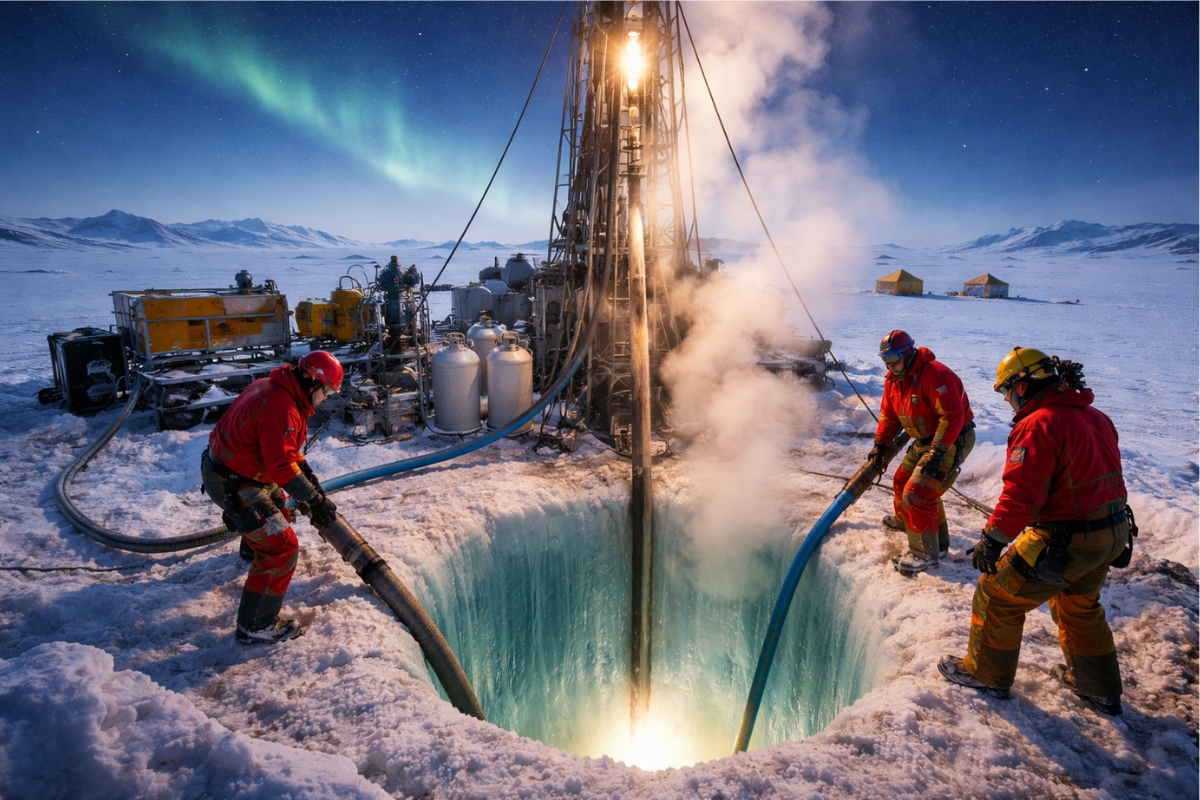
Scientists from an international project drill 1,800 meters of ice in Antarctica using hot water and discover details about one of the most intriguing places on planet Earth.
-
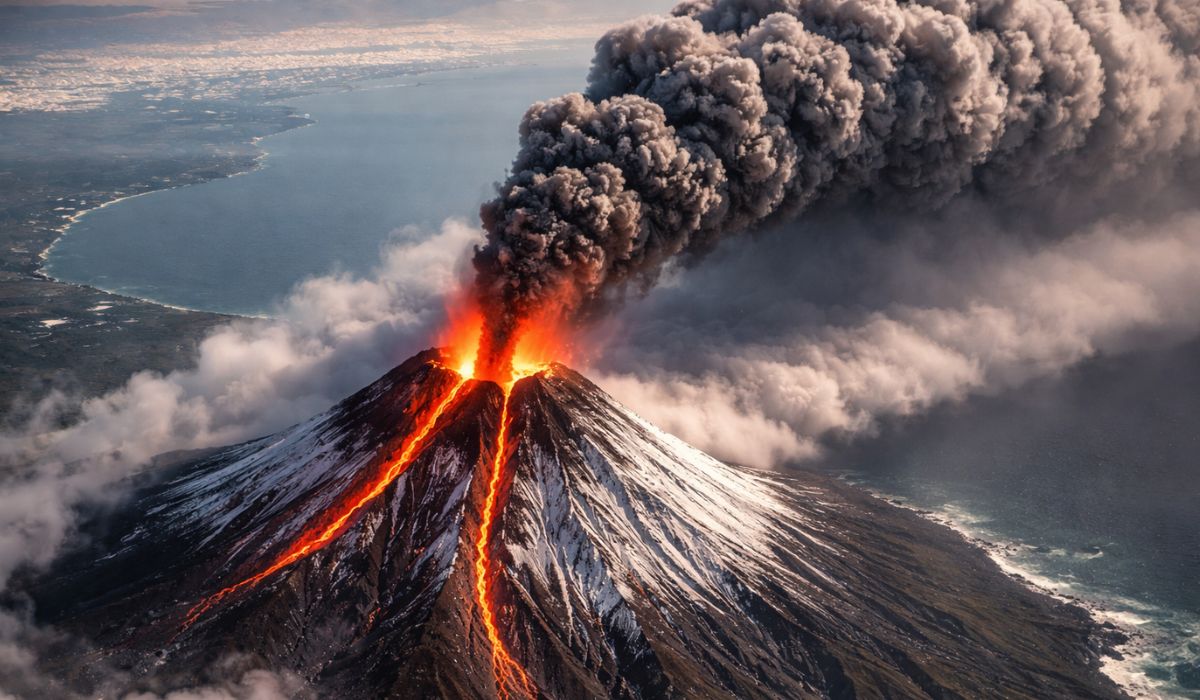
Seen from space, a colossal volcano nearly 5,000 meters high in Russia has released 1,600 km of smoke over the Pacific, forming “devil’s horns” of lava and revealing the brutal force of the Ring of Fire.
-
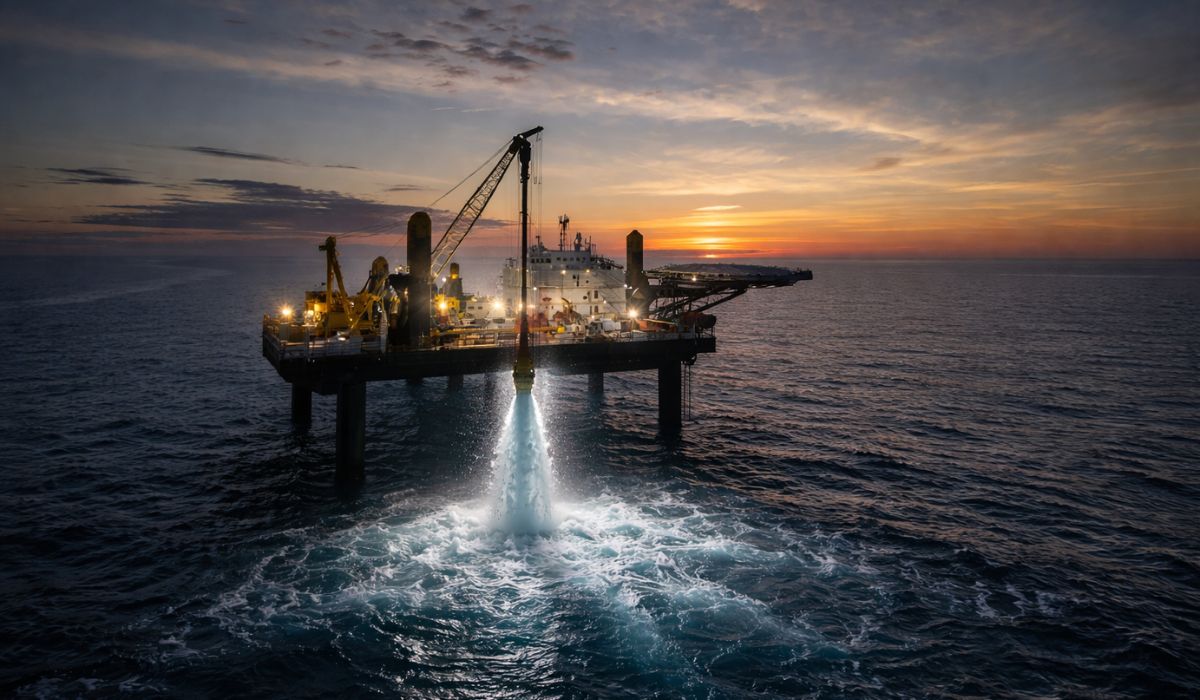
Expedition 501: Scientists drill into the ocean floor and discover a giant reserve of fresh water hidden beneath the sea, extracting nearly 50,000 liters and revealing an invisible system that could reshape the map of water scarcity.
A Unique Geological Wonder

Unlike other sources of lithium, such as salars and pegmatites, the McDermitt deposit is embedded in illite-rich clays, a result of volcanic and hydrothermal activity that occurred millions of years ago. This detail could make all the difference in the exploration.
While extracting lithium from salars can take years of evaporation to produce results, illite allows for a potentially more efficient and sustainable process. This means that costs and time to obtain the metal could be reduced, further accelerating its availability to the market.
Impact On Global Markets With The Largest Lithium Reserve In The World
The discovery of McDermitt not only expands U.S. lithium reserves, but it could also redefine the geopolitics of this sector. Currently, Bolivia, Chile, and Argentina form the so-called “Lithium Triangle,” controlling a large portion of global production. China, in turn, dominates the refining and manufacturing of batteries.
If this largest lithium reserve in the world is explored on a large scale, the U.S. could become a major supplier, reducing dependence on external sources and potentially altering market prices. This shift could further strengthen the American economy and attract investments to the sector.








O planeta Terra continua nos mostrando que a evolução da espécie humana caminha a passos céleres