





 Português
  Inglês
  Espanhol
  4 min de leitura
  0 comentários


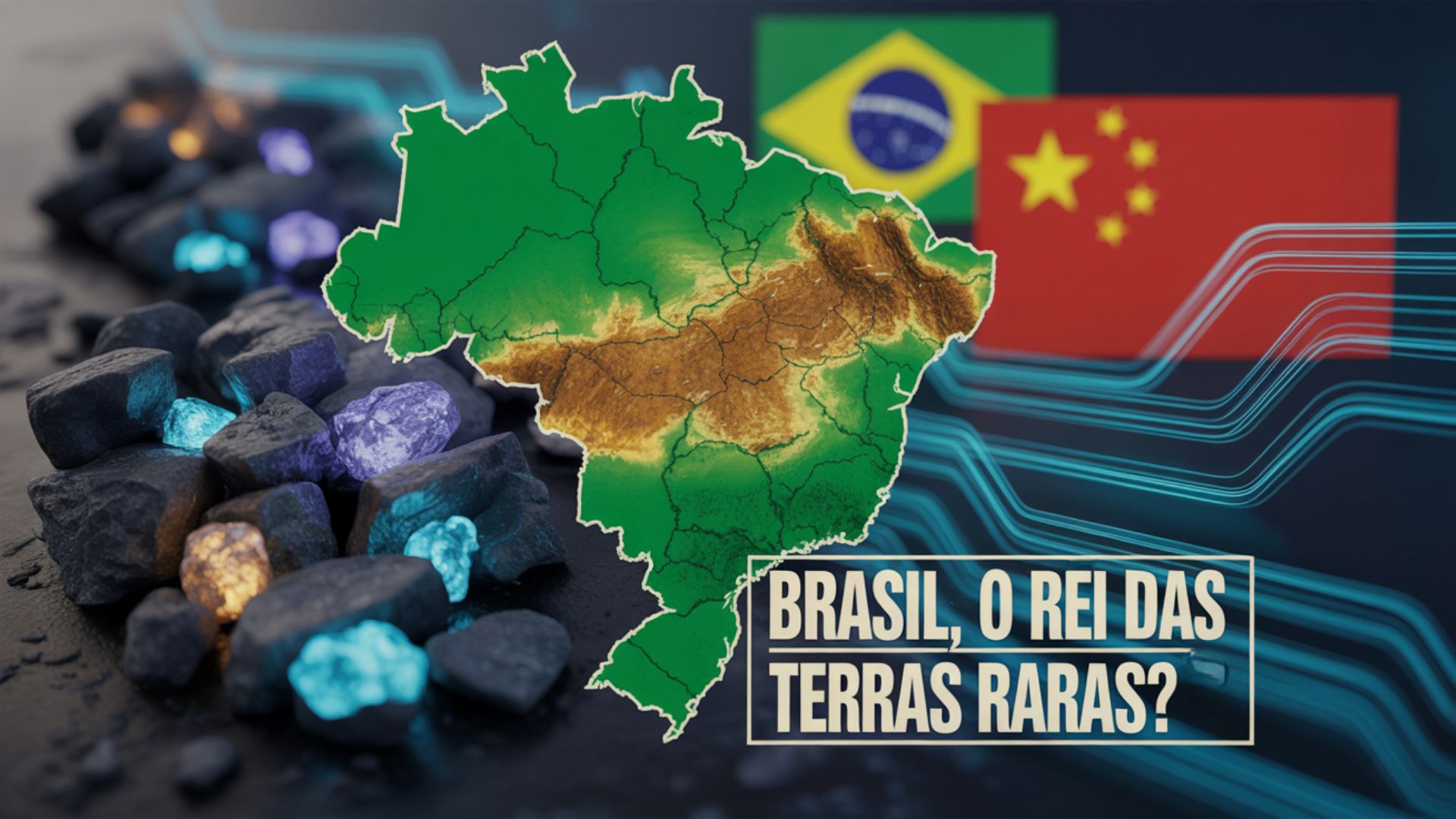
Rocks in Caçapava do Sul Reveal Unprecedented Concentrations of Rare Earth Elements, Up to Six Times Greater than Those in China, with the Potential to Transform Global Technology Chains and Reposition Brazil in a Sector Dominated by the Asian Country.
Researchers from three Brazilian universities have identified, in Caçapava do Sul (RS), rocks and soils with concentrations of rare earth elements far above the global average.
Surveys indicate levels up to six times higher than those found in China and 12 times greater than those in Cuba, a result considered unprecedented even in regions traditionally known for this type of mineralization.
The information was initially released by the portal Xataka, specializing in science and technology.
-
Brazilian city gains industrial hub for 85 companies that is equivalent to 55 football fields.

-
Peugeot and Citroën factory in Argentina cuts production by half and opens a layoff program for more than 2,000 employees after Brazil drastically reduced purchases of Argentine vehicles.

-
A Brazilian city gains a factory worth R$ 300 million with the capacity to process 200 thousand tons of wheat per year, a mill of 660 tons/day, silos for 42 thousand tons, and an industrial area of 276 thousand m².

-
Havan will leave the shopping mall in Blumenau to inaugurate something that the chain has never done before: a megastore in half-timbered style in the Historic Center of the city, which is expected to be completed in May and change the landscape of local retail.


What Was Identified in Rio Grande do Sul
The analyses revealed outcrops of carbonatites, rare rocks associated with the occurrence of rare earth elements at elevated levels.
The samples presented minerals such as monazite-(Ce) and aeschynite-(Ce), in addition to the presence of niobium and tantalum, two strategic elements for the electronics industry and energy applications.
According to the researchers, the observed levels significantly surpass not only other Brazilian areas but also regions in leading countries for the production of these minerals.
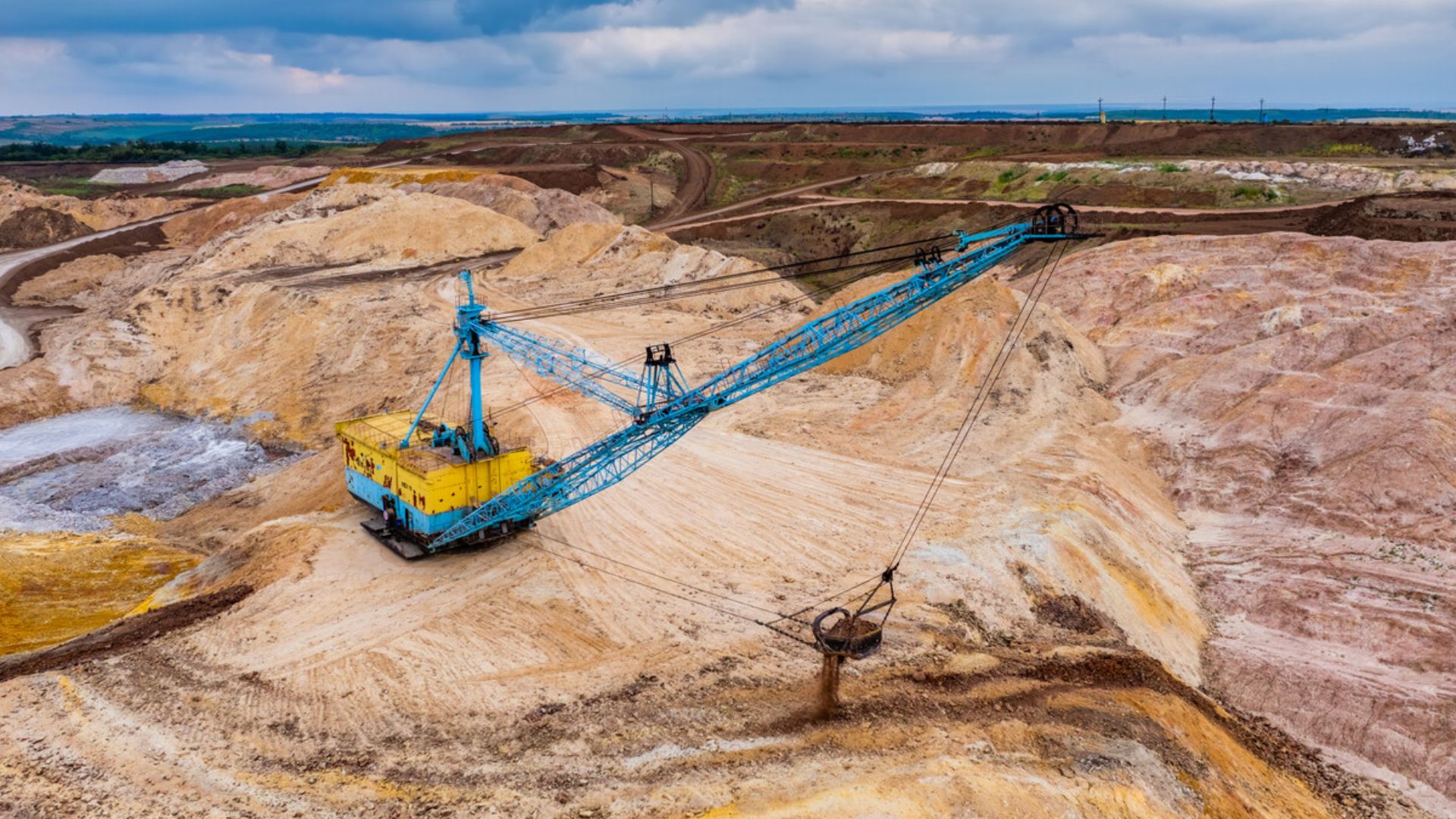
The challenge, however, is not only geological: the extraction and refining of the elements involve complex chemical processes and high environmental costs.
Why Rare Earth Elements Are So Strategic
The so-called rare earth elements (REEs) consist of 17 chemical elements, including lanthanides, as well as yttrium and scandium.
Their properties — such as magnetism, luminescence, and resistance to high temperatures — become essential in the manufacture of permanent magnets, electric motors, wind turbines, sensors, hard drives, and various electronic devices.
Although the designation “rare” suggests scarcity, these elements are relatively abundant in the earth’s crust.
The problem lies in finding them in economically viable concentrations and developing efficient separation and purification technologies, as the portal Xataka reminds in contextualizing the discovery.
How the Research Is Structured
The study is conducted by the Federal University of Santa Maria (UFSM), with participation from the Federal University of Rio Grande do Sul (UFRGS) and the Federal University of Pampa (Unipampa).
UFSM leads the collection and analysis of soil, water, and vegetation samples.
UFRGS is responsible for mineralogical and geological characterization, while Unipampa is tasked with identifying areas and assessing the impact on local fauna.
The project is funded by CNPq, with a completion deadline until December 2026, and is coordinated by Professor Marcelo Barcellos da Rosa from UFSM.


At this stage, the teams are still expanding the database to estimate the economic viability and the possible environmental implications of the exploration.
Brazilian Reserves and the Contrast with China
Brazil holds approximately 23% of the world’s rare earth reserves, a figure that places it in second position globally, only behind China.
The main occurrences are linked to alkaline-carbonatite complexes, such as Araxá, Poços de Caldas, and Tapira in Minas Gerais; Catalão and Minaçu in Goiás; Jacupiranga and Itapirapuã in São Paulo; as well as Pitinga in Amazonas.
Despite the significant reserves, the country still does not hold a prominent position among producers.
A large part of the extraction projects relies on external capital, and the most critical stage — chemical refining — is almost not performed in the national territory.
In contrast, China accounts for over 60% of global production and nearly 90% of refining capacity, which grants it decisive influence over prices and export flows.
Potential Impacts on the Global Industry
If the high levels confirmed in Caçapava do Sul prove consistent on a larger scale, the discovery could reduce global dependence on China and diversify the supply of these minerals.
This would have direct effects on sectors such as electric mobility, aerospace, defense, and renewable energy, which currently face supply risks and price volatility.
However, experts emphasize that transforming a scientific discovery into stable supply requires a lengthy chain: accurate estimation of reserves, environmental impact studies, licensing, logistical infrastructure, and, primarily, the establishment of separation and purification plants for the elements.
This set of factors may take years to materialize.
According to the portal Xataka, the immediate relevance of the discovery lies in its strategic aspect: the finding of new rich poles in rare earth elements strengthens Brazil’s position in international negotiations and attracts attention from global companies interested in securing future supply contracts.
Perspectives
In the next two years, researchers should intensify data collection and expand mineralogical characterization to determine if the potential of Caçapava do Sul translates into economically exploitable reserves.
If viable, Brazil could more effectively participate in discussions about critical supply chains and long-term supply agreements.
If confirmed on an industrial scale, the discovery could redefine Brazil’s participation in the global market for permanent magnets, electric motors, and wind turbines.
However, in practice, the first major challenge will be to overcome technological and regulatory barriers to transform the mineral wealth into a product available for the sector.
In light of this scenario, the pressing question is: will Brazil manage to advance beyond geological research and establish its own refining and processing industry for rare earth elements?








-

-

-

-

-

-

114 pessoas reagiram a isso.