





 Portuguese
  English
  Spanish
  4 min of reading
  0 comments



Researchers Have Identified That Changing Just Two Amino Acids in Plant Receptors Can Allow Biological Nitrogen Fixation in Crops, Opening the Way to Reduce Synthetic Fertilizers, Global Energy Consumption, and Emissions Associated with Large-Scale Food Production
Researchers from Aarhus University have identified a molecular mechanism that allows cultivated plants to establish symbiosis with nitrogen-fixing bacteria, paving the way to reduce synthetic fertilizers responsible for about two percent of global energy consumption and significant CO₂ emissions.
Global Dependence on Fertilizers and the Role of Nitrogen
Plants need nitrogen to grow, but most agricultural species can only obtain it through synthetic fertilizers applied to the soil. This model sustains global food production, but it requires high energy consumption and generates significant carbon dioxide emissions.
A small group of plants escapes this rule. Species such as peas, beans, and clovers can grow without nitrogen fertilizers because they maintain a partnership with bacteria that live associated with their roots. These bacteria convert the nitrogen present in the air into a form that the plant can use.
-
The sugar-energy sector advances with agricultural technology, but agricultural productivity still raises concerns.

-
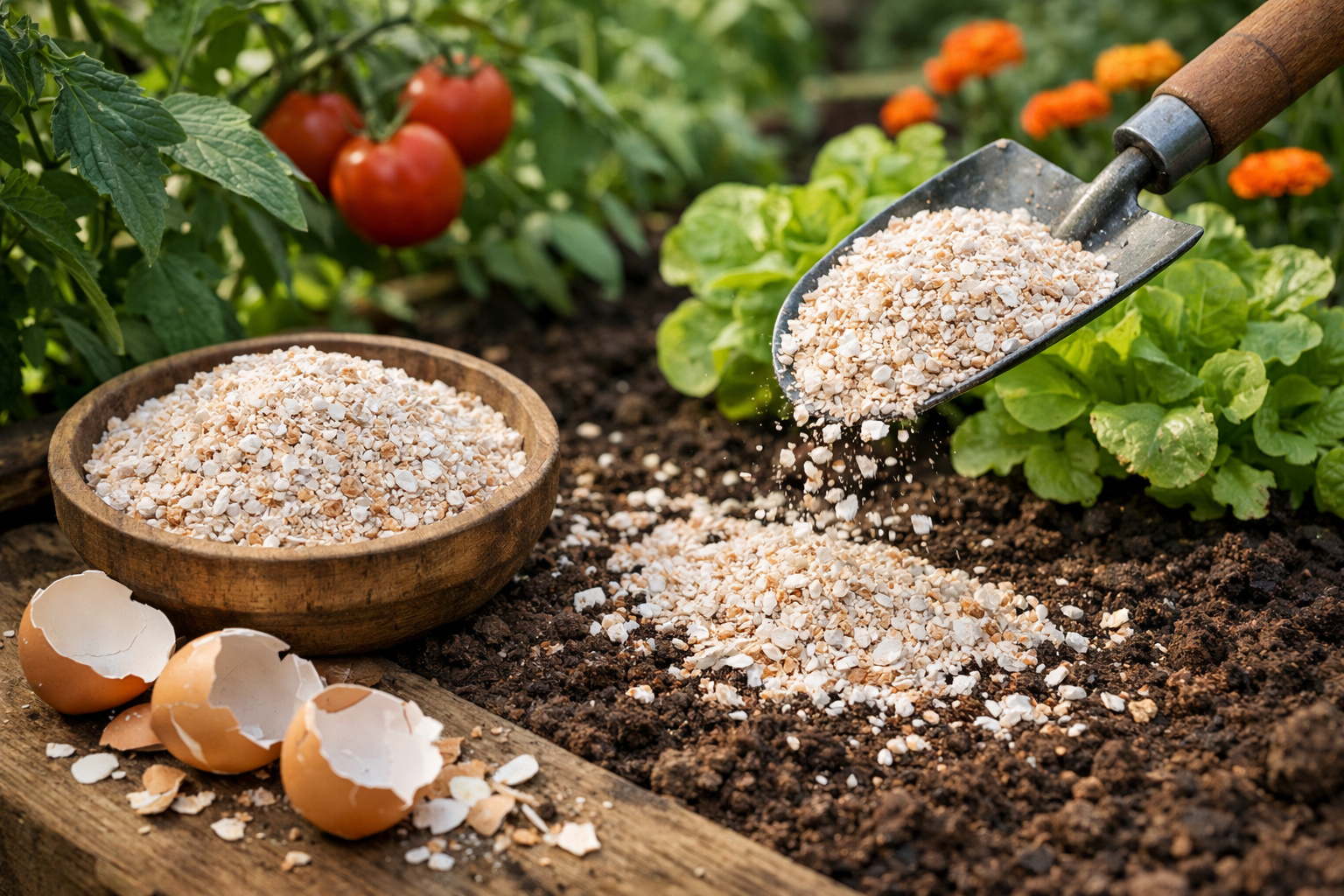
The eggshell that almost everyone throws away is made up of about 95% calcium carbonate and can help enrich the soil when crushed, slowly releasing nutrients and being reused in home gardens and vegetable patches.
-
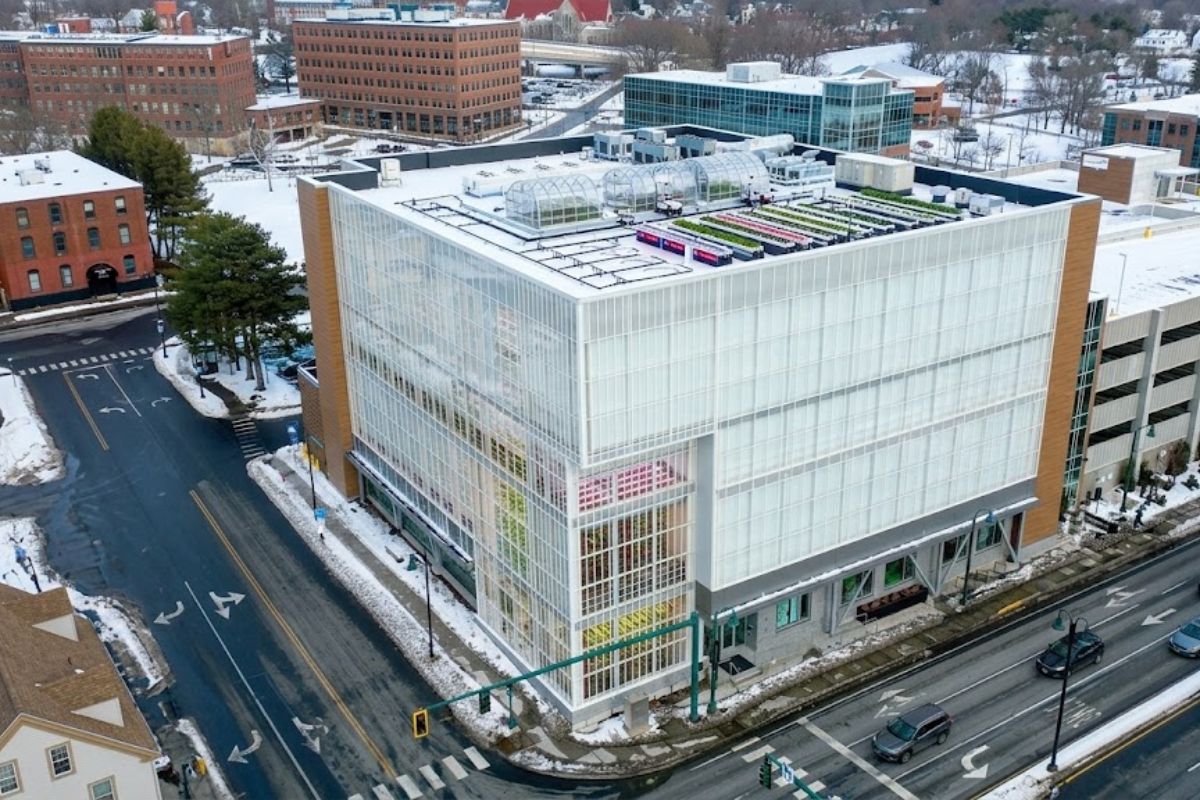
This farm in the United States does not use sunlight, does not use soil, and produces 500 times more food per square meter than traditional agriculture: the secret lies in 42,000 LEDs, hydroponics, and a system that recycles even the heat from the lamps.
-
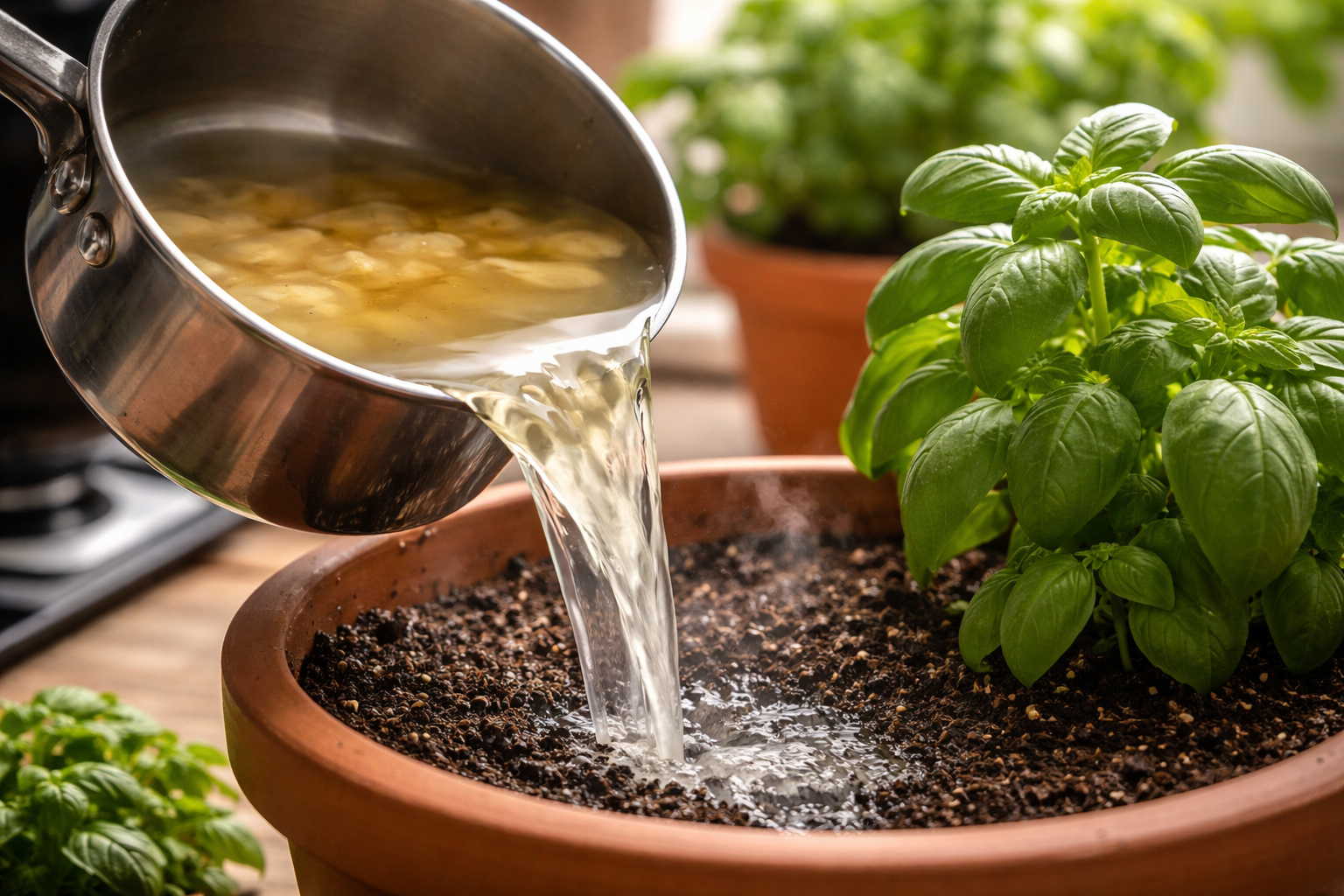
The water that almost everyone throws away after cooking potatoes carries nutrients released during the preparation and can be reused to help in the development of plants when used correctly at the base of gardens and pots, at no additional cost and without changing the routine.

Researchers around the world are investigating the molecular and genetic mechanisms behind this natural ability. The goal is to understand how this trait could, in the future, be transferred to widely cultivated food crops such as wheat, barley, and corn.
If this transfer is possible, these crops could become self-sufficient in nitrogen. The direct consequence would be a reduction in the demand for artificial fertilizers, the production of which currently consumes about two percent of all global energy.
Cellular Receptors and the Control of Symbiosis
The study conducted at Aarhus University identified small yet decisive changes in receptors located on the surface of plant cells.
These receptors are responsible for recognizing chemical signals emitted by microorganisms in the soil.
When a bacterium emits signals associated with threats, the plant’s immune system is activated, blocking the interaction. Other bacteria, however, emit signals indicating a potential benefit, allowing the plant to temporarily turn off its defenses and establish cooperation.
In legumes, this mechanism allows beneficial bacteria to settle in the root tissues, where they start to convert atmospheric nitrogen and share it with the host plant. This relationship is known as symbiosis and explains why these species do not depend on nitrogen fertilizers.
Scientists have discovered that this molecular decision is strongly influenced by just two amino acids present in a receptor protein in the roots. These small building blocks act as a critical control point for the system.
The Symbiosis Determinant 1 as a Molecular Switch
The team identified a specific region of this protein, called Symbiosis Determinant 1, which acts as a true switch. This region determines whether the plant cell will activate an immune response or allow the entry of nitrogen-fixing bacteria.
By modifying just two amino acids in this switch, the researchers managed to transform a receptor originally associated with immunity into a receptor capable of initiating symbiosis. Thus, the plant transitions from a state of rejection to a state of cooperation with the bacteria.
According to the authors, these two changes are sufficient to alter the plant’s behavior at a critical point. The receptor stops signaling the immune alarm and begins allowing the necessary symbiotic association for nitrogen fixation.
This discovery demonstrates that minimal molecular differences can have profound effects on plant physiology. The identified mechanism helps explain why only some species can perform symbiosis, while others remain dependent on fertilizers.
Testing in Barley and Prospects for Cereals
In laboratory experiments, the researchers initially applied the genetic modification to the plant Lotus japonicus, used as a model in symbiosis studies. The same procedure was then performed on barley, an important agricultural crop.
The result observed was similar. With small changes to the barley receptor, the ability to initiate nitrogen fixation through symbiosis was restored, indicating that the mechanism is conserved among different species.
This advancement suggests that the approach can be extended to other widely cultivated cereals, such as wheat, corn, and rice. If confirmed, practical application would significantly reduce the use of nitrogen fertilizers in global agriculture.
Despite the potential, the researchers themselves emphasize that there are still other essential keys to be identified. Currently, only a very limited number of crops can perform symbiosis, and expanding this set will require new molecular discoveries.
The authors highlight that extending this capacity to widely used crops could make a significant difference in the total amount of nitrogen needed to sustain food production. The advancement, while promising, still depends on additional research steps before any large-scale application.










-

Uma pessoa reagiu a isso.