





 Portuguese
  English
  Spanish
  4 min of reading
  0 comments


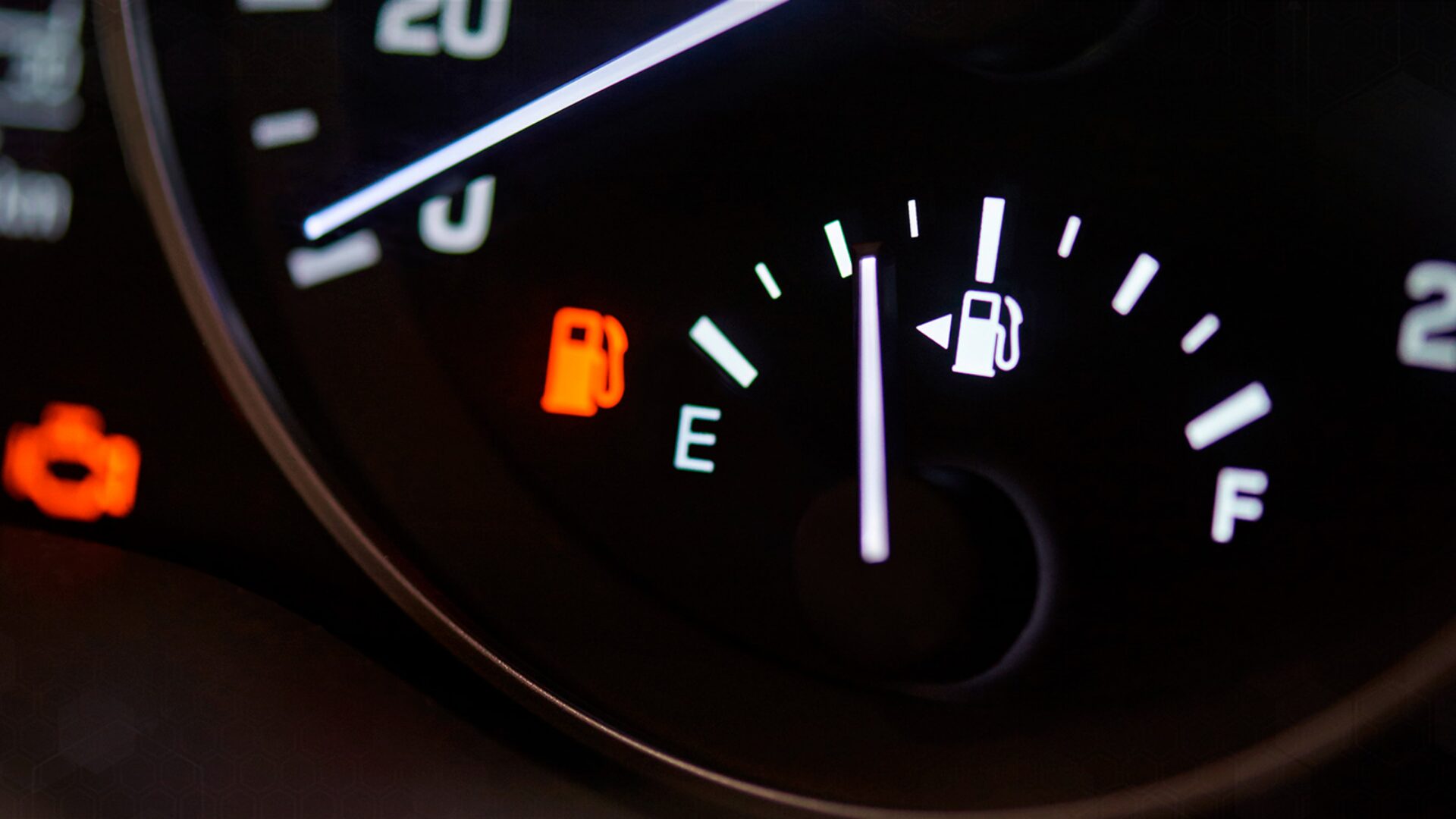
Keeping a Constant Speed Between 90 Km/h and 100 Km/h Is Essential to Optimize Gasoline Consumption and Increase Autonomy
Driving efficiently can be the key to ensuring fuel economy on the highway, especially when it comes to maximizing the autonomy of the vehicle. According to the DGT (General Directorate of Traffic) of Spain, the ideal speed for efficient fuel consumption is 90 km/h.
This speed is considered the most suitable for most vehicles as it allows the engine to operate more economically.
Impact of Speed on Gasoline Consumption
The DGT reveals that when driving at 120 km/h, gasoline consumption can increase by up to 30% compared to driving at 90 km/h.
-
Unemployment rises again to 5.8% at the beginning of 2026, raising alarms about the end of temporary positions and its impact on the Brazilian job market.

-
Document organization can cut invisible costs in small businesses, a simple step that prevents waste, rework, and losses in daily operations.

-
Engineers propose a fourth traffic light for intersections – the change promises to affect crossings, queues, and waiting times.
-
Chevrolet Suburban Z71 lands in Brazil with a V8 engine, off-road design, air suspension, seven seats, and colossal size, a rare version imported for around R$ 1.3 million with luxury and exclusivity.

This happens because, at higher speeds, the engine works harder to overcome air resistance and other forces, resulting in greater fuel consumption.
Additionally, the aerodynamics of the vehicle become a critical factor: the faster you go, the greater the air resistance the car faces.
Therefore, maintaining a constant and moderate speed is a smart strategy to save fuel.
The Importance of Engine Speed
Another essential factor for fuel economy on the highway is engine speed.
After stabilizing the speed, the ideal engine speed range should be between 2,000 and 3,000 RPM (revolutions per minute).
When the engine operates within this range, it consumes less fuel, as it is not requiring excessive effort.
On the other hand, very high revolutions can result in a significant increase in gasoline consumption.
Therefore, it is important to pay attention to engine speed and adapt driving style to keep it within the ideal range.
Practical Tips to Maximize Fuel Economy
To ensure the best fuel economy on the highway, some practices can be adopted. Here are some tips that can help improve the autonomy of your vehicle:
1st Engine Warm-Up: When starting the car, avoid accelerating immediately. Wait about 15 seconds to allow the oil to properly lubricate the engine before starting to drive. This helps to prevent unnecessary wear on internal parts.
2nd Controlled Acceleration: Accelerate cautiously, using the torque ranges to make gear shifts. This helps to keep the engine within the ideal speed range and avoids spikes in consumption.
3rd Closed Windows: During highway travel, keep the windows closed to reduce aerodynamic drag. If necessary, turn on the air conditioning, as it consumes less energy than keeping the windows open at high speeds.
4th Regular Maintenance: Change the oil periodically and have the steering alignment done once a year. This helps with tire durability and steering system, impacting consumption efficiency.
5th Cooling System: Check the cooling system to ensure that the engine operates at the ideal temperature, which contributes to fuel economy. An engine that is not at the proper temperature can consume more fuel.
6th Filters and Tires: Change the air filter regularly and keep tires properly inflated. Deflated tires increase rolling resistance and, consequently, gasoline consumption.
7th Oil Change: Follow the manufacturer’s recommendations for oil and engine filter change, considering either mileage or time, whichever comes first. In cases of severe use, such as heavy traffic or short trips, it is advisable to change the oil at half the recommended time and mileage.
Evaluating the Impact of Load on Consumption
In addition to the tips mentioned, it is important to consider the impact of load on fuel consumption.
Heavier vehicles require more power from the engine, resulting in an increase in gasoline consumption.
Therefore, avoid transporting unnecessary items and review what you really need to take on the trip.
Technology and Efficiency in Fuel Consumption
With technological advancements, many modern vehicles come equipped with systems that help monitor and optimize fuel consumption.
Functions such as the on-board computer provide real-time information on fuel efficiency, allowing drivers to adjust their driving style to maximize autonomy.
Additionally, some cars have driving modes that prioritize economy, adjusting throttle response and shifting strategy to optimize consumption.
Final Considerations on Fuel Economy on the Highway
Adopting these practices can lead to significant fuel economy and, consequently, better autonomy for the vehicle.
Remembering that a speed of 90 km/h is an ideal starting point for most drivers looking to optimize gasoline consumption on the highway.
Therefore, when planning your next trip, consider not only the speed but also all the factors that can impact your fuel consumption.
With the right approach, it is possible not only to save money but also to contribute to a more sustainable environment.
SOURCE: NDMAIS








Seja o primeiro a reagir!